What Causes Female Hair Loss? A Guide to Diagnosis and Treatment in China
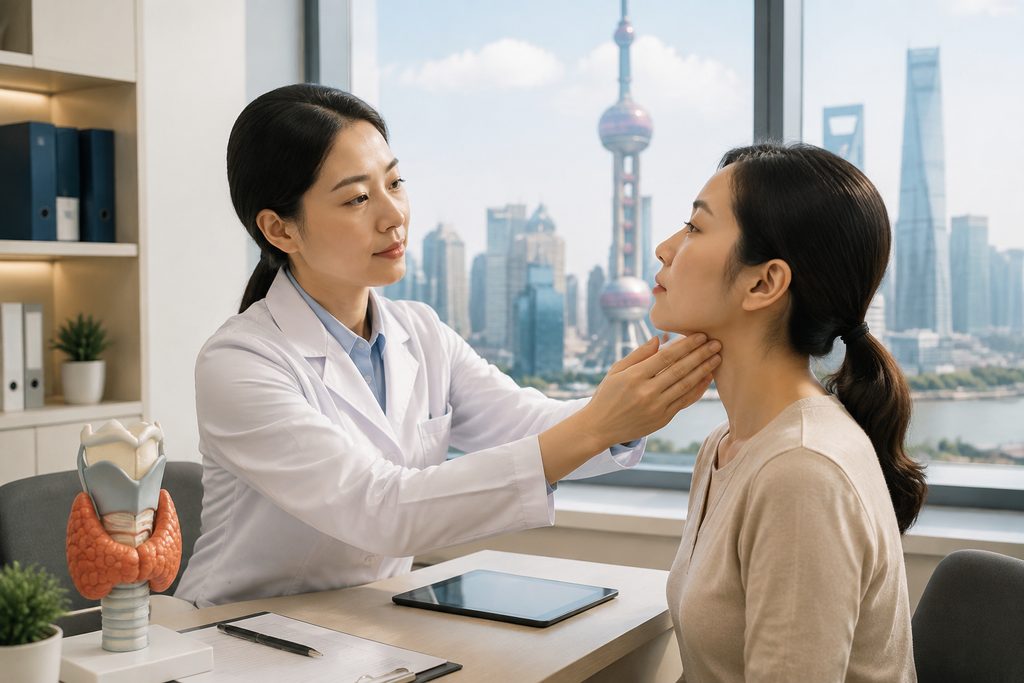
According to a 2021 study in JAMA Dermatology, roughly 1 in 3 women will experience noticeable hair loss at some point in their lives. The American Academy of Dermatology puts the number of women affected by female pattern hair loss alone at approximately 30 million in the United States. What causes female hair loss is rarely a single factor. Hormonal shifts, iron deficiency, autoimmune activity, stress, and genetics all play a role. And when over-the-counter remedies stop working, many women start looking beyond their home country for answers. That search often leads to a practical question: what does female hair loss treatment cost China offer compared to Western clinics? The short answer is that a thorough diagnostic workup and a structured treatment plan in China typically runs between $300 and $2,000, depending on the depth of testing and the therapies chosen. That is a fraction of what many US or UK patients pay out of pocket for the same level of investigation.
Our team at China Medical Services regularly helps women from Europe, the Middle East, and North America connect with dermatology departments in Beijing, Shanghai, and Guangzhou. We do not treat hair loss ourselves. We handle the logistics: hospital selection, appointment coordination, translation of medical records, and a bilingual companion who stays with you through every consultation. The medical decisions belong to the doctors. This article explains what actually causes female hair loss, how Chinese dermatologists approach diagnosis, what the costs look like, and what a realistic timeline for evaluation and treatment involves.
How This Actually Works, Step by Step
You are sitting at home with thinning hair, a drawer full of supplements that did not work, and a growing frustration with vague answers. Moving from that point to a clear diagnosis in China follows a predictable sequence. Here is the actual flow.
First, you send us your existing records. Blood tests, hormone panels, scalp biopsy reports, photos of your hairline over time, and a list of medications you have tried. Our team translates these into Chinese and forwards them to the dermatology department we recommend for your case. A senior dermatologist reviews the file and tells us whether an in-person visit is warranted, or whether a written second opinion or video consultation would answer your questions first.
If you decide to travel, we help you secure an S2 visa, which is the appropriate category for private medical treatment in China. We coordinate the appointment slot through the hospital’s international department. On the day of your visit, a bilingual medical companion meets you at the hospital, handles registration and payment queues, and translates every word between you and the doctor. The doctor orders whatever tests are missing. Results usually come back within days, not weeks. Then you sit down again, discuss the diagnosis, and leave with a written treatment plan.
That plan might include topical minoxidil, oral spironolactone, low-level laser therapy, platelet-rich plasma injections, or in some cases a hair transplant. The choice depends entirely on what the tests show.
What Causes Female Hair Loss and Can It Be Treated in China
At a top public hospital‘s international department, expect to pay between $400 and $900 for a complete workup including consultation, blood panels, trichoscopy, and biopsy if needed. Private international hospitals charge more, typically $800 to $1,500 for the same scope of testing.
Most medical treatments for hair loss can be continued at home. You may need to stay one to two weeks for the initial evaluation and any in-office procedures like PRP injections. Follow-up happens via video consultation. Hair transplant surgery requires a longer stay, usually 7 to 10 days for the procedure and initial recovery.
At accredited top-tier hospitals, yes. The surgical techniques are the same as those used in Western clinics. The key is choosing a hospital with documented experience in female hair restoration and a dermatologist who screens candidates carefully. We only coordinate with hospitals that meet those standards.
Chinese prescriptions are generally not valid in Western pharmacies. However, the doctor can write a detailed treatment letter that your home physician can use to prescribe the equivalent medication locally. We help you navigate that handoff.
Your Next Step
Hair loss is a medical condition with identifiable causes. The first step is not a product or a procedure. It is a diagnosis. Chinese dermatology departments offer that diagnosis at a cost and speed that many Western patients find surprising. Our role is narrow: we help you identify the right hospital, coordinate your records and appointments, and put a bilingual companion beside you so nothing gets lost in translation. We do not treat hair loss, and we do not promise outcomes. If you want to understand what is causing your hair loss and what your options actually are, send us your records and a brief description of your situation. We will tell you honestly whether a trip to China makes sense for your case.
Frequently Asked Questions
Yes. The hospitals used for international patients are JCI-accredited and follow the same international safety standards as top hospitals in the US and Europe. Surgical teams perform high volumes of procedures — often more than their Western counterparts — which studies show leads to better outcomes.
Costs vary by procedure and hospital, but international patients typically save 40-80% compared to US prices — even when factoring in travel and accommodation. A consultation with our team will give you an exact, all-inclusive quote with no hidden fees.
Send us your existing medical reports to get started. We handle everything from hospital selection and appointment scheduling to visa assistance and post-operative recovery planning. Your medical records are reviewed by the specialist before you even book a flight.
For more medical information and treatment options in China, visit chinamedservices.com (China Medical Services).
