Eating After Dental Surgery in China: A Practical Recovery Timeline
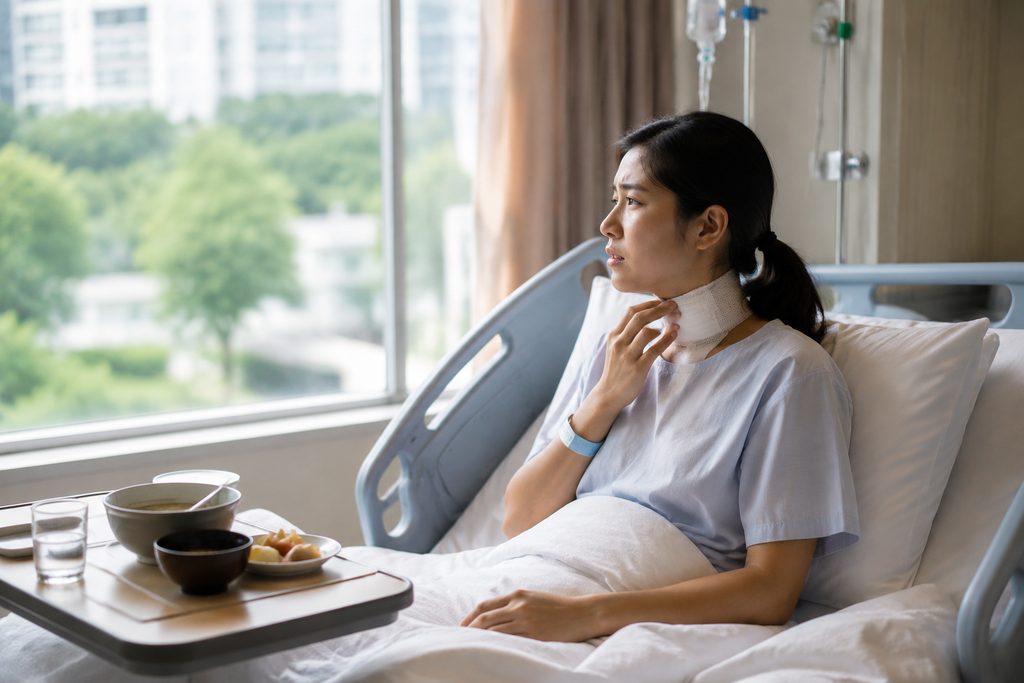
Can I Eat Normally After Dental Surgery? The Short Answer
No, not immediately. Most patients need 3 to 7 days of soft foods before returning to a near-normal diet, and full healing of the surgical site can take several weeks. The exact timeline depends on what was done — a simple extraction heals faster than a bone graft or multiple implant placements. If you’re traveling to China for treatment, understanding the dental surgery cost China clinics charge is only half the picture. Knowing what you can eat, and when, determines how smoothly your recovery goes.
Have you ever wondered why dental surgeons give such specific food instructions? It’s because the first 72 hours after surgery are when blood clots stabilize and soft tissue begins to close. One wrong bite — a crunchy chip, a seeded bagel — can dislodge that clot and trigger a painful condition called dry socket. So the short answer is: you’ll eat soft foods for about a week, then gradually reintroduce normal textures.
Who This Is Right For — and Who It Isn’t
Planning dental surgery abroad works well for patients who need extensive work: full-mouth restorations, multiple implants, or complex extractions. China’s top dental hospitals handle high volumes of these cases, which keeps the dental surgery cost China patients pay significantly lower than in the US or Europe. But not everyone should get on a plane right after surgery.
Good candidates for dental surgery with travel recovery:
- Patients needing 4 or more implants or full-arch restoration
- Patients with stable overall health and no uncontrolled diabetes
- Patients who can stay in China for at least 10 to 14 days post-surgery
- Patients comfortable with soft-food diets during recovery
Who should not pursue this:
- Patients with active infections requiring immediate local follow-up
- Patients on blood thinners who cannot pause medication safely
- Patients who need only a single filling or simple cleaning — the travel isn’t worth it
- Patients who cannot arrange post-operative care in their home country
If you fall into the second list, staying local is the better call. But if you’re in the first group, the numbers are compelling. A full-mouth implant restoration in the US can exceed $45,000. In China, the same procedure at a top-tier hospital typically runs between $15,000 and $25,000. That gap covers your flight, hotel, and a bilingual companion several times over.
The Options, Compared
Dental surgery isn’t one procedure. It’s a spectrum. What you can eat afterward depends heavily on which end of that spectrum you’re on. Here’s how the main categories compare:
| Procedure | Soft Food Period | Return to Normal Eating | Typical Cost Range (China) |
|---|---|---|---|
| Simple tooth extraction | 3–5 days | 7–10 days | $50–$150 per tooth |
| Surgical extraction (impacted wisdom tooth) | 5–7 days | 10–14 days | $200–$500 per tooth |
| Single dental implant | 5–7 days | 2–3 weeks (temporary crown) | $800–$1,800 per implant |
| Multiple implants (4+ teeth) | 7–10 days | 3–4 weeks | $3,500–$8,000 total |
| Full-arch restoration (All-on-4 or similar) | 10–14 days | 4–6 weeks | $12,000–$25,000 total |
| Bone graft (sinus lift or ridge augmentation) | 7–14 days | 3–6 weeks | $500–$1,500 per site |
The table shows why a single implant patient might fly home after a week, while a full-arch patient should plan for a month in China. Your recovery diet tracks the same curve. Simple extraction patients can handle scrambled eggs by day two. Bone graft patients are sipping broth for the first week. Match your travel plans to your procedure, not the other way around.
What You Can Actually Eat: A Day-by-Day Recovery Guide
This is the section every patient asks about. Not the abstract “soft foods” advice, but the concrete answer: what goes in your mouth on Tuesday, and what’s still off-limits on Thursday. Here’s the realistic timeline based on how long after tooth extraction can I eat solid food.
Days 1–2: Cold liquids and smooth purees. Think chilled protein shakes, thinned yogurt, smooth soups with no chunks, and lukewarm (never hot) broth. Cold temperature reduces swelling. Nothing through a straw — the suction can dislodge the blood clot. No seeds, no pulp, no grains.
Days 3–4: Soft, no-chew foods. Mashed potatoes, scrambled eggs, cottage cheese, oatmeal, well-cooked pasta cut small. You can add mild flavor now. Still avoid anything requiring actual chewing.
Days 5–7: Soft foods requiring minimal chewing. Flaky fish, ground meat, soft bread with crust removed, steamed vegetables, ripe banana. If you had a simple extraction, you’re probably eyeing normal food by now. If you had implants or grafts, stay here longer.
Week 2: Gradual reintroduction. Most patients can eat normally after dental implant surgery around the two-week mark for the surgical site itself, though the final crown or bridge comes months later. Chew on the opposite side. Avoid hard, crunchy, or sticky foods for at least a month.
Weeks 3–6: Near-normal, with caveats. You can eat most foods, but skip popcorn, hard nuts, raw carrots, and chewy candy. These are the foods most likely to damage healing tissue or, later, the implant itself.
Dental Surgery Cost China: What Drives the Price
When international patients ask about dental surgery cost China, they usually want one number. But the honest answer is a range, and the range is wide. Three factors move the price more than anything else.
First, the hospital tier. A public top-tier hospital like Peking University School of Stomatology or Shanghai Ninth People’s Hospital charges less than a private international clinic like United Family or Jiahui. The private option includes English-speaking staff, faster scheduling, and direct insurance billing. The public option costs 30–50% less but requires more navigation.
Second, the materials. A Chinese domestic implant brand costs significantly less than Swiss or German brands like Straumann or Nobel Biocare. The implant itself is a small part of the total, but in a 10-implant case, the difference adds up to thousands of dollars.
Third, the case complexity. A straightforward single implant in healthy bone is quick. A full-arch restoration with bone grafting, sinus lifts, and temporary prosthetics is a multi-stage process spanning months. The dental treatment package China price you’re quoted should itemize every stage: consultation, imaging, surgery, materials, temporaries, and final restoration.
Here’s a realistic breakdown for a single implant at a top public hospital in Shanghai:
| Item | Cost Range (USD) |
|---|---|
| Initial consultation and CBCT imaging | $50–$120 |
| Implant fixture (domestic brand) | $300–$600 |
| Implant fixture (Swiss/German brand) | $600–$1,200 |
| Surgical placement | $400–$800 |
| Abutment and crown (zirconia) | $300–$700 |
| Total (domestic brand) | $1,050–$2,220 |
| Total (premium brand) | $1,350–$2,820 |
Compare that to the US, where a single implant averages $3,000 to $6,000. Even at the high end with premium materials, China comes in at roughly half. For full-mouth cases, the savings multiply into five figures.
Book Dental Surgery in Beijing: What the Process Looks Like
If you’re looking to book dental surgery in Beijing, the process differs from what you might expect at home. China’s public hospitals don’t let overseas patients reserve surgery slots online. You need to attend an in-person consultation first, where a specialist examines you and confirms the treatment plan. Only then can surgery be scheduled.
This is where the system rewards preparation. Before you travel, send your existing dental records, X-rays, and any treatment plans from your home dentist. A written second opinion from a Chinese dental specialist costs $300–$500 and tells you whether the trip is worth making. A video consultation runs $100–$300 and lets you speak directly with the team before committing to flights and hotels.
For patients who want the smoothest path, the best dental hospital Shanghai for foreigners tends to be either a private international clinic or the international department of a major public hospital. Shanghai Ninth People’s Hospital, for example, runs one of China’s most respected dental and maxillofacial surgery programs. Its international department handles foreign patients with English coordination, though at a premium over the standard public rate.
Beijing offers comparable options. Peking University School of Stomatology is widely considered the top dental institution in the country. Its international clinic serves foreign patients with English-speaking staff and streamlined scheduling. If you’re comparing the best dental hospital Shanghai for foreigners with Beijing options, the clinical quality is similar; the choice often comes down to which city fits your travel plans.
Practical Considerations: Visas, Payment, and Follow-Up
Dental surgery patients coming to China use an S2 visa, which covers short-term private affairs including medical treatment. The hospital provides a treatment confirmation letter that supports your application. Processing typically takes one to two weeks, so start early.
Payment is another practical hurdle. Public hospitals in China generally require prepayment at each stage — consultation, imaging, surgery, restoration. Most don’t accept foreign credit cards directly. You’ll pay via cash, WeChat Pay, Alipay, or a Chinese bank card. Private international clinics are more flexible, often accepting major credit cards and working with international insurers for direct billing.
Language matters more in dental surgery than in almost any other specialty. You’re awake for many procedures. You need to understand post-operative instructions precisely. If your Mandarin isn’t strong, a bilingual medical companion is worth the cost. Our team handles registration, payment, translation, and post-op pharmacy runs. Prices start at $300 per day.
Follow-up after returning home is a real consideration. Implant cases require a second-stage surgery to expose the implant and place the healing abutment, typically 3–6 months after placement. Some patients return to China for this. Others have their home dentist handle it, which requires detailed records transfer. Discuss this with both your Chinese surgeon and your home dentist before committing.
Frequently Asked Questions
For a simple extraction, most patients can eat soft solid foods like pasta or flaky fish by day 5, and return to a normal diet within 7–10 days. For surgical extractions or impacted wisdom teeth, expect 10–14 days before normal eating. The key is chewing on the opposite side and avoiding crunchy or sticky foods for at least two weeks.
You can eat soft foods within a few days, but “normal” eating takes longer. The surgical site needs 2–3 weeks before it tolerates regular chewing pressure. The final crown or bridge isn’t placed for 3–6 months, and until then you’ll eat carefully around the implant site. Full unrestricted eating typically returns after the final restoration is seated.
Yes, substantially. A single implant in China costs $1,050–$2,820 at a top public hospital, compared to $3,000–$6,000 in the US. Full-mouth restorations run $12,000–$25,000 in China versus $35,000–$60,000 or more in the US. The savings hold even after factoring in flights, accommodation, and coordination services.
This is the main risk of dental tourism. Dental complications — infection, implant failure, prosthetic issues — often require in-person evaluation. Before you travel, identify a dentist in your home country who will handle follow-up care. Get detailed records from your Chinese surgeon, including implant brand, size, and placement details. Most complications are manageable locally if the documentation is complete.
At private international clinics, no — English-speaking staff handle everything. At public hospitals, even top-tier ones, you’ll struggle without Chinese. Registration desks, payment windows, and post-op instructions are typically in Mandarin. A bilingual companion or the hospital’s international department can bridge this gap, but budget for it.
Your Next Step
Dental surgery in China offers real savings — often 50–70% below US prices — without sacrificing clinical quality at top institutions. The trade-off is navigation: language, payment, scheduling, and follow-up coordination. That’s where we come in. We’re not a hospital and we don’t diagnose or treat. We connect you with the right dental department, arrange consultations, and provide on-the-ground support so you can focus on recovery. If you’re considering dental surgery in China, start with a free consultation to discuss your case and see whether the numbers make sense for you.
For more medical information and treatment options in China, visit chinamedservices.com (China Medical Services).
