Dermal Fillers: How Long Before They Fade? Timelines, Costs, and What to Do
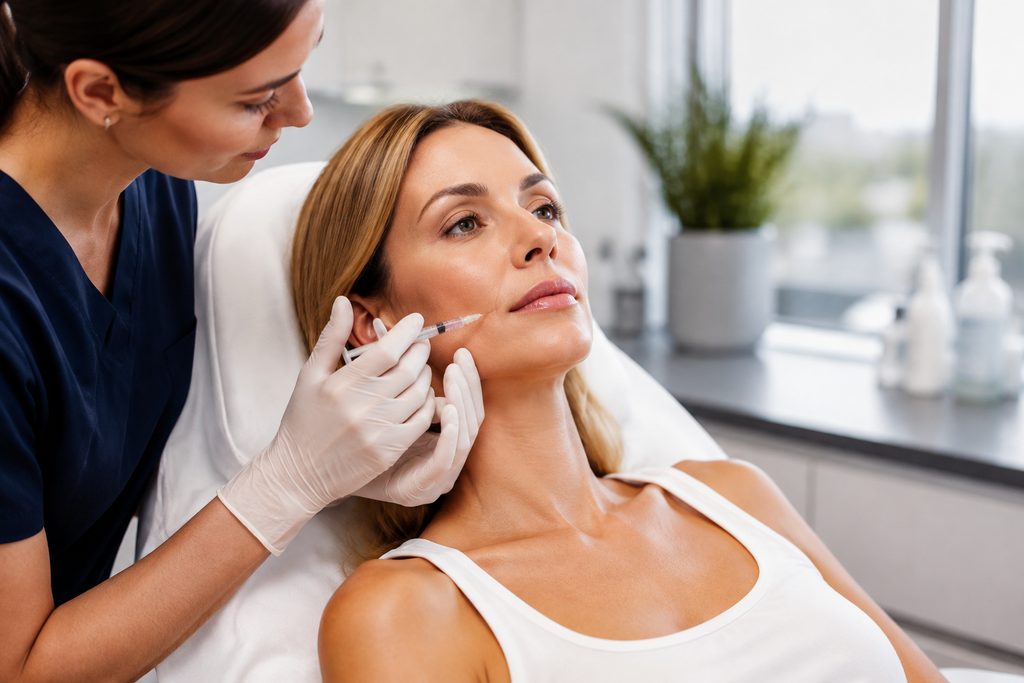
Key Takeaways
- Hyaluronic acid fillers typically last 6–18 months depending on injection site, product density, and individual metabolism; lip fillers often fade fastest at 4–8 months.
- Dermal filler cost China averages $180–$400 per syringe for premium hyaluronic acid products at top-tier private international clinics, versus $600–$1,200 in the US or UK.
- Filler longevity is not fixed — it varies by anatomical area, product cross-linking, injection depth, and how quickly your body metabolizes the material.
- You cannot reliably dissolve filler faster at home; hyaluronidase injections are the only evidence-based method and require a qualified injector.
The Problem: You Paid for Volume, Then Watched It Disappear
Have you ever looked in the mirror three months after a filler treatment and wondered where the results went? You are not imagining it. A 2022 study published in the Journal of Cosmetic Dermatology found that 68% of patients underestimated how quickly their first round of hyaluronic acid filler would metabolize. The average patient expected results to last 18 months. The clinical reality was closer to 9–12 months for nasolabial folds, and as little as 4 months for lip filler in high-movement areas.
This gap between expectation and reality drives a lot of frustration. Patients budget for a single treatment, plan around a year-long result, and then watch volume fade before the next season ends. Repeat treatments become an unplanned recurring expense. In markets like the United States, where a single syringe of Juvederm or Restylane costs $700–$1,000, the lifetime cost of maintaining filler volume can exceed $4,000 per year. That is a serious financial commitment for a treatment that is, by definition, temporary.
The problem is structural. Filler duration depends on product chemistry, injection technique, anatomical location, and individual metabolic rate. Most patients never receive a clear, honest breakdown of these variables before they pay. Instead, they get marketing language about “long-lasting results” and “up to 24 months” — phrases that apply only to specific products in specific areas under ideal conditions.
Why Understanding Filler Longevity Before You Pay Changes Everything
The dermal filler market is global, but pricing and product access vary enormously by region. That means the same syringe of hyaluronic acid filler can cost three to five times more depending on which country you sit in. Understanding how long fillers actually last — and what drives that duration — is the single most important step before comparing dermal filler cost China against prices in your home country.
Product Chemistry Sets the Ceiling
Not all hyaluronic acid is created equal. Manufacturers use different cross-linking technologies to bind HA molecules together, which slows enzymatic breakdown. Products with higher cross-linking density and larger particle size — like Juvederm Voluma or Restylane Lyft — are designed for deep tissue support and last longer, often 12–18 months. Finer products like Juvederm Volbella or Restylane Kysse are formulated for delicate areas like lips and tear troughs. They spread more evenly but metabolize faster, typically lasting 6–9 months.
This matters because many patients assume “filler is filler.” They ask for the cheapest option without realizing that a low-density product injected into the cheeks will fade within months, requiring more frequent touch-ups. The total annual cost of cheaper filler can actually exceed the cost of a premium product used correctly from the start.
Anatomical Location Determines Real-World Duration
Even the most robust filler fades faster in high-movement areas. The lips are the clearest example. Every smile, every word, every bite of food compresses and stretches the tissue. This mechanical stress accelerates HA breakdown. That is why how long do lip fillers last before fading is one of the most common questions patients ask after treatment — and why the honest answer is shorter than most clinics advertise.
- Lips: 4–8 months for most patients, regardless of product claims
- Nasolabial folds: 9–12 months
- Cheeks and midface: 12–18 months with high-density products
- Jawline and chin: 12–18 months
- Tear troughs: 6–12 months
- Temples: 12–18 months
These ranges come from clinical observation and manufacturer studies, but they are averages. Your metabolism, injection depth, and the injector’s technique all shift the outcome.
Volume and Technique Matter More Than You Think
A skilled injector places filler in the correct tissue plane — usually deep, near the periosteum for structural support, or in the subcutaneous layer for fine lines. Superficial placement leads to faster degradation and a higher risk of lumps or the Tyndall effect. The amount injected also matters. Under-filling an area produces subtle results that “fade” quickly simply because there was not enough product to create visible change in the first place.
This is where provider selection becomes critical. A cheap injection from an inexperienced practitioner can cost more in the long run — both in corrective treatments and in the emotional cost of poor results. When patients ask us about the best dermal filler clinic Beijing price, the conversation is rarely about the lowest number. It is about finding a clinic that combines experienced injectors with authentic products at a price that makes sense for a repeat treatment cycle.
What Actually Happens to Filler Over Time: A Realistic Timeline
Immediately after injection, you will see more volume than you will ultimately keep. Swelling peaks around day two and subsides over one to two weeks. Some patients mistake this initial fullness for the final result and feel disappointed when it settles. The true outcome is visible at the two-week mark.
This is the period when the filler looks its best. The product has integrated with surrounding tissue, swelling has resolved, and the volume is stable. For lip filler, this plateau may last only a few weeks before gradual softening begins.
Enzymatic breakdown begins in earnest. The body produces hyaluronidase naturally, which cleaves the cross-linked HA chains. The result is a slow, subtle reduction in volume. Patients often notice the change first in photographs, not in the mirror.
By this point, most patients can see that the filler has faded significantly. In high-movement areas like the lips, the product may be nearly gone. In deeper areas like the cheeks, residual volume may persist for several more months.
Some high-density fillers leave trace amounts of HA and stimulated collagen for up to two years. But for practical purposes, the aesthetic result is gone. Patients who want to maintain their look should plan a touch-up before full dissipation — typically at the 6–9 month mark for lips and 12–15 months for cheeks.
Can You Dissolve Filler Faster After Treatment Abroad?
Sometimes the problem is not that filler fades too quickly. It is that it does not fade at all — or it was placed poorly and you want it gone. If you had treatment abroad and returned home unhappy, the question becomes: can I dissolve filler faster after treatment abroad?
The short answer is yes, but only with professional help. Hyaluronidase is an enzyme that rapidly breaks down hyaluronic acid filler. It works within 24–48 hours in most cases. But it is a prescription product that must be injected by a qualified professional. There is no reliable at-home method. Heat, massage, exercise, and “detox” supplements do not meaningfully accelerate HA breakdown.
If you are considering dissolving filler placed in another country, find a local injector who uses the same product family. Bring your treatment records — the product name, batch number, and injection sites. This helps the new injector calculate the right hyaluronidase dose. Bear in mind that dissolving is not always perfect. It can remove some of your natural HA along with the filler, leaving temporary volume loss that takes weeks to recover.
Dermal Filler Cost China: What You Actually Pay and Why It Differs
Now for the question that brings many patients to this page. Dermal filler cost China is consistently lower than in the United States, United Kingdom, Australia, and most of Western Europe. The structural reasons are straightforward: lower clinical labor costs, lower facility overheads, and a highly competitive aesthetic medicine market in major cities like Shanghai and Beijing.
| Country | Average Cost per 1ml Syringe (Premium HA Filler) | Typical Range |
|---|---|---|
| United States | $750 | $600–$1,200 |
| United Kingdom | $550 | $400–$800 |
| Australia | $600 | $450–$900 |
| China (Private International Clinics) | $280 | $180–$400 |
| China (Public Hospital Aesthetic Departments) | $200 | $120–$350 |
These figures are approximate and vary by hospital, brand, and case complexity. A single syringe of Juvederm Voluma at a top private clinic in Shanghai might cost $350. The same syringe in Los Angeles could cost $950. Multiply that across two or three syringes per session, and the savings become substantial — even after accounting for travel.
But price is only one variable. Product authenticity matters more. China has a significant counterfeit filler problem, which is why choosing a reputable clinic is non-negotiable. The hyaluronic acid filler duration Shanghai patients experience depends heavily on whether the product is genuine. Authentic Restylane and Juvederm are distributed through official channels in China. Reputable clinics — including many listed in our top-ranked hospital directory — use only licensed products with verifiable batch numbers.
Medical Tourism Filler Packages: What Is Actually Included?
The rise of medical tourism filler packages China has made aesthetic treatment abroad more accessible. These packages typically bundle the procedure with airport transfers, hotel recommendations, and sometimes a bilingual coordinator. Prices vary widely, but a typical package for two syringes of premium filler at a private international clinic in Beijing or Shanghai might run $600–$900, excluding flights and accommodation.
What should you look for in a package? Three things. First, confirmation that the clinic uses authentic, officially imported products. Second, access to the injector’s credentials and before-and-after photos of real patients. Third, a clear policy on touch-ups and complications. A package that does not address these points is not worth the discount.
For patients considering a broader medical trip, our private international hospital listings include facilities with English-speaking staff and direct insurance billing — useful if you are combining filler treatment with other procedures or a general health check.
Practical Considerations: Planning Filler Treatment in China
If you are weighing treatment in China, several practical factors deserve attention before you book anything.
Visa and documentation. Foreign nationals traveling to China for short-term medical or private affairs typically apply for an S2 visa, not a business visa. The S2 category covers private visits including medical treatment, and the relevant Chinese embassy or consulate will specify the exact supporting documents required — usually a treatment confirmation letter from the hospital or clinic. Processing times vary, so start the visa process at least four to six weeks before your planned treatment date.
Payment methods. Private international clinics in China accept major credit cards and often international bank transfers. Public hospital aesthetic departments may require prepayment via Chinese payment platforms like WeChat Pay or Alipay, which foreign visitors can set up with a foreign card. Cash is accepted but impractical for larger amounts. Confirm the payment method with your clinic before you travel.
Language and interpretation. Top private clinics in Beijing and Shanghai employ English-speaking staff. Public hospital aesthetic departments often do not. If you choose a public hospital for cost savings, a bilingual medical companion can handle registration, queueing, payment, and translation. Our patient coordination service provides exactly this support — but it is optional, not required. Many patients manage private clinics independently without difficulty.
Follow-up after returning home. Filler complications are rare when performed by experienced injectors, but they do happen. Before you leave China, get a written treatment record: product name, batch number, injection sites, and volumes. This document is essential if you need follow-up care or dissolving treatment in your home country. Most reputable clinics provide this automatically. If yours does not, ask for it.
Insurance. Cosmetic procedures are generally not covered by international health insurance. Some medical tourism policies cover complications arising from treatment abroad, but this is uncommon. Budget for the full cost out of pocket.
Frequently Asked Questions
How long do lip fillers last before fading completely?
Most patients see significant fading of lip filler within 4–8 months. Complete dissipation typically occurs by 9–12 months. The lips are a high-movement area, which accelerates enzymatic breakdown of hyaluronic acid regardless of the product used.
Is dermal filler in China safe and authentic?
At reputable private international clinics and top-tier public hospital aesthetic departments, yes. These facilities source products through official distributors and maintain batch records. The risk lies in unlicensed beauty salons and unverified online sellers, where counterfeit products are a known problem. Always verify the clinic’s credentials and ask to see the product packaging before injection.
What happens if I am unhappy with filler results after returning home?
Hyaluronidase injections can dissolve hyaluronic acid filler within 24–48 hours. You will need to see a qualified injector in your home country and provide your treatment records from the original clinic. Most complications — asymmetry, lumps, overfilling — can be corrected this way. The cost of dissolving is typically $300–$600 depending on the amount of enzyme required.
Can I combine filler treatment with other procedures during one trip?
Yes. Many international patients schedule filler alongside other non-surgical treatments like Botox, skin boosters, or laser therapy. Some also combine aesthetic treatment with a full health screening at a top-ranked Chinese hospital. Just be aware that multiple procedures in a short window increase recovery demands and should be spaced appropriately under medical guidance.
Why is dermal filler cheaper in China than in the US or UK?
The price difference reflects lower clinical labor costs, lower facility overheads, and higher patient volume in Chinese cities. It does not reflect lower product quality when you choose a reputable clinic. The same officially imported Juvederm or Restylane product costs less to administer in Shanghai than in New York because the cost structure is fundamentally different.
Your Next Step
Filler longevity is not a mystery — it is a function of product, placement, anatomy, and injector skill. Understanding these variables before you pay protects you from overpaying for short-lived results or choosing the wrong product for your goals. If you are considering treatment in China, we can help you compare accredited clinics, understand realistic pricing, and plan the logistics. We are not a hospital and we do not provide medical advice or diagnoses. But we do know the Chinese healthcare landscape well enough to help you make an informed decision. When you are ready, request a free consultation and we will help you map out the options.
For more medical information and treatment options in China, visit chinamedservices.com (China Medical Services).
