Hospital Matching: What We Need From You to Start
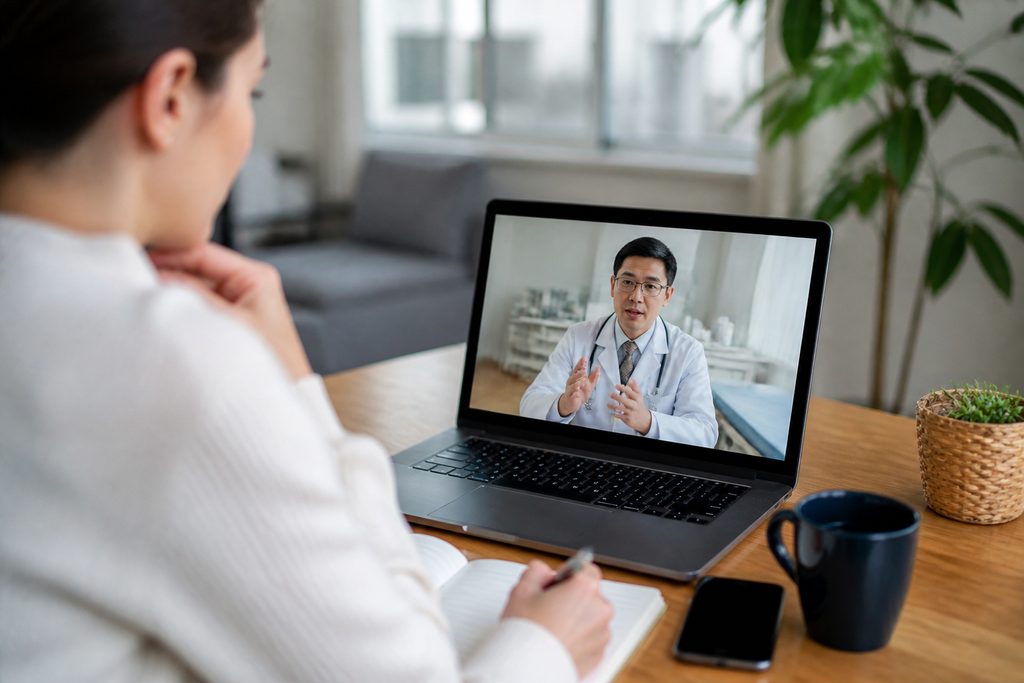
When 42-year-old Michael first heard the diagnosis—severe aortic stenosis requiring surgical valve replacement—he had no idea where to start looking for treatment. His cardiologist in Manchester gave him a pamphlet, a referral to a local surgeon with a seven-month waiting list, and a rough estimate of £28,000 if he went private. Michael started searching online. He found dozens of hospital websites, conflicting price lists, and no clear answer to the most basic question: what do I actually need to send someone to get matched with the right hospital?
That question—what we need from you—is the bottleneck for most international patients. Not the quality of hospitals. Not the technology. The paperwork and the clarity of your medical history. Get that right, and hospital matching becomes a structured process rather than a guessing game. Get it wrong, and you waste weeks going back and forth.
Hospital Matching: The Short Answer
To match you with an appropriate hospital in China, we need five things: your complete medical records (diagnosis reports, imaging, lab results, current medication list), a brief summary of your treatment goal, your preferred city or cities, your budget range, and your timeline. That’s it. With those five elements, our team can typically provide initial hospital recommendations within 2–3 business days. The process is not complicated. But the quality of what you send directly determines the quality of the match.
The caveat: “complete medical records” means different things for different conditions. A patient seeking a second opinion on oncology needs pathology slides and genetic testing reports. Someone evaluating heart valve replacement cost China needs recent echocardiograms and coronary angiography results. The more precise your documentation, the fewer follow-up requests you’ll receive.
Who This Is Right For — and Who It Isn’t
Hospital matching works best for patients who have a confirmed diagnosis and are comparing treatment options across borders. You know what’s wrong. You need to know where to go and what it will cost.
Good candidates typically include:
- Patients with a confirmed diagnosis seeking a second opinion or surgical plan
- Those facing long wait times in their home country for non-emergency procedures
- Patients comparing costs for major surgeries, including cardiac, orthopedic, and oncology procedures
- Individuals who want access to high-volume surgical centers—for example, Fuwai Hospital performs over 14,000 cardiac surgeries annually
Hospital matching is not right for everyone. If you’re in an acute medical crisis requiring immediate intervention, stay where you are and get treated locally. If you don’t yet have a confirmed diagnosis and your symptoms are undifferentiated, you need a diagnostic workup first—not a hospital match. And if you’re looking for experimental treatments that haven’t been validated in peer-reviewed literature, no reputable hospital in China or elsewhere will offer what you’re seeking.
The Options, Compared
When international patients consider treatment in China, they’re usually weighing three paths: public top-tier hospitals, private international hospitals, and staying home for treatment. Here’s how they compare for a major procedure like cardiac valve surgery.
| Factor | Public Top-Tier (e.g., Fuwai, Zhongshan) | Private International (e.g., United Family, Jiahui) | Home Country (US/UK/EU) |
|---|---|---|---|
| Heart valve replacement cost | $18,000–$30,000 | $35,000–$60,000 | $120,000–$180,000 |
| Surgeon experience (annual volume) | Very high (hundreds of cases/year) | Moderate to high | Varies widely by hospital |
| English-speaking staff | Limited (international dept. only) | Standard | Standard |
| Wait time for surgery | 2–4 weeks after in-person consult | 1–3 weeks | 3–9 months (public systems) |
| Insurance direct billing | Rarely | Common | Standard |
If your priority is surgical volume and cost, public top-tier hospitals deliver unmatched value. If you want Western-style care with English-speaking staff throughout and direct insurance billing, private international hospitals in Beijing or Shanghai make more sense. If your insurance covers treatment at home and wait times are acceptable, staying put may be simplest. The right column depends on what you’re optimizing for: cost, convenience, or clinical volume.
What We Actually Do With Your Records
Here’s the part most patients never see. Once you send your medical records, our team does three things in sequence. First, we translate and summarize the key clinical findings into a standardized format that Chinese hospital international departments can review efficiently. Second, we identify which departments and hospitals actually treat your condition at high volume—using the Fudan University hospital rankings and JCI accreditation data rather than marketing brochures. Third, we contact the hospital’s international patient office directly to confirm they’ll review your case and provide a preliminary opinion on whether they can help.
This last step matters more than most patients realize. Chinese public hospitals receive enormous patient volumes. A single-day outpatient load at a top-tier hospital can exceed 10,000 visits. Without someone on the ground making the right calls, your records can sit in an inbox for weeks. With proper coordination, the same records get reviewed in days.
So when we ask “what do we need from you,” we’re not asking for the sake of process. We’re asking because every missing document adds days to your timeline.
What It Costs and How Long It Takes
Let’s be direct about money and time, because both matter when you’re planning treatment abroad.
Hospital matching itself—the process of identifying suitable hospitals, sending your records, and getting initial feedback—starts from $300 as part of our hospital appointment coordination service. That fee covers translation, record submission, and coordination with hospital international offices. If we can’t secure the appointment we agreed on, that coordination fee is fully refunded.
For patients who want a written second opinion from a top-tier specialist before committing to travel, expect $300–$500. A video consultation with a top specialist runs $500–$800. Multidisciplinary team consultations cost $1,500–$2,000. Any consultation fee is credited in full toward on-the-ground coordination if you proceed with treatment in China within 90 days.
Timeline-wise, here’s what a typical process looks like:
- Days 1–3: You send records; we confirm completeness and request anything missing
- Days 4–7: Records translated and submitted to 2–3 matched hospitals
- Days 8–14: Hospitals respond with preliminary acceptance or requests for more detail
- Weeks 3–5: Video consultation scheduled; treatment plan discussed
- Weeks 5–8: If surgery is agreed, you travel on an S2 visa and complete in-person consultation
Actual surgery scheduling happens after the in-person consultation. Public hospitals in China generally require face-to-face evaluation before booking a surgical date. That rule is non-negotiable in most top-tier institutions.
Practical Considerations: Records, Visas, and Payment
Let’s talk about the logistics that actually trip people up.
Medical records. You need everything in digital form. DICOM files for imaging (CT, MRI, PET), PDF reports for lab work and pathology, and a current medication list with dosages. If your records are in a language other than English or Chinese, we arrange translation. The single most common delay is incomplete imaging—patients send the written report but not the actual DICOM files, which surgeons need for surgical planning.
Visa. Medical treatment in China uses the S2 visa, annotated for medical purposes. Family members accompanying you also apply for S2. The M visa is for commercial and trade activities—it has nothing to do with medical treatment. Processing takes 1–3 weeks depending on your home country’s Chinese embassy or consulate. You’ll need an invitation letter from the hospital, which we help coordinate.
Payment. Chinese public hospitals require prepayment for major procedures. You pay a deposit upfront, and additional amounts as treatment progresses. Private international hospitals often bill insurance directly. If you have international insurance, check whether your policy covers treatment in China. Some do; many don’t. Out-of-pocket payment is common for international patients, which is precisely why the cost differential matters.
Language. Top-tier public hospitals have international departments with English-speaking coordinators. But the moment you leave that department for imaging, lab tests, or pharmacy pickup, Mandarin becomes the operating language. This is where a bilingual medical companion—from $300 per day—earns its cost. Someone who knows where to queue, which window to visit, and how to read the signs saves you hours of confusion.
Frequently Asked Questions
At top-ranked hospitals, surgical safety standards are comparable to Western academic medical centers. Fuwai Hospital in Beijing performs more cardiac surgeries annually than any other hospital globally—over 14,000 per year—with outcomes published in peer-reviewed journals. The key variable is hospital selection. China has 35,000+ hospitals, and the quality range is enormous. Choosing a hospital from the Fudan University top 100 list or with JCI accreditation eliminates most of that variance. That’s exactly what our matching process does.
You don’t send them directly. You send them to us, and we transmit them through the hospital’s official international patient office. This matters because unsolicited records sent to general hospital email addresses often go nowhere. The process: you upload digital files to our secure portal, we translate and format them, then we submit them through the proper channel with a cover summary. Hospitals respond faster when records arrive through a recognized coordination pathway.
For Beijing specifically, you need the same five elements as anywhere else: complete medical records, treatment goal, preferred city (Beijing), budget range, and timeline. Beijing hosts 21 of China’s top 100 hospitals—more than any other city—including Peking Union Medical College Hospital and Fuwai Hospital. The density of top-tier options means we can often match you with two or three suitable institutions and let you choose based on specialist availability and scheduling.
Organ transplantation for foreign nationals in China operates under strict legal and ethical constraints. We do not market or arrange transplant packages, and any claim that a foreign patient can book a liver transplant package with guaranteed access is false. If you require transplant evaluation, the appropriate path is a formal referral through an established transplant center in your home country, which can then coordinate internationally through official medical channels.
Shanghai’s top oncology options include Fudan University Shanghai Cancer Center and Zhongshan Hospital, both ranked among China’s top 10 for oncology in the Fudan specialty rankings. For foreigners, Zhongshan’s international department offers English-speaking coordination and experience with overseas patients. The best choice depends on your specific cancer type, stage, and whether you’re seeking surgical, radiation, or systemic treatment. Our specialty-specific hospital rankings break this down by subspecialty.
Your Next Step
Here’s the honest takeaway: hospital matching in China is not complicated if you start with the right materials. The bottleneck is almost never the hospitals—it’s the clarity and completeness of what you send. Five things: records, goal, city, budget, timeline. Send those, and we can tell you within days whether treatment in China makes sense for your situation.
We’re China Medical Services, a coordination team that connects international patients with top-ranked Chinese hospitals. We are not a hospital, and we don’t provide diagnoses or medical advice. What we do is handle the logistics—translation, record submission, appointment coordination, bilingual accompaniment—so you can focus on the medical decisions that matter. If you’re considering treatment in China, start with our free consultation. Send what you have, even if it’s incomplete. We’ll tell you what’s missing and whether it’s worth pursuing further.
That first step costs you nothing except a few minutes of gathering files. And it might save you months of waiting.
For more medical information and treatment options in China, visit chinamedservices.com (China Medical Services).
