HPV Test in China: Costs, Clinics, and How Foreigners Book Screening
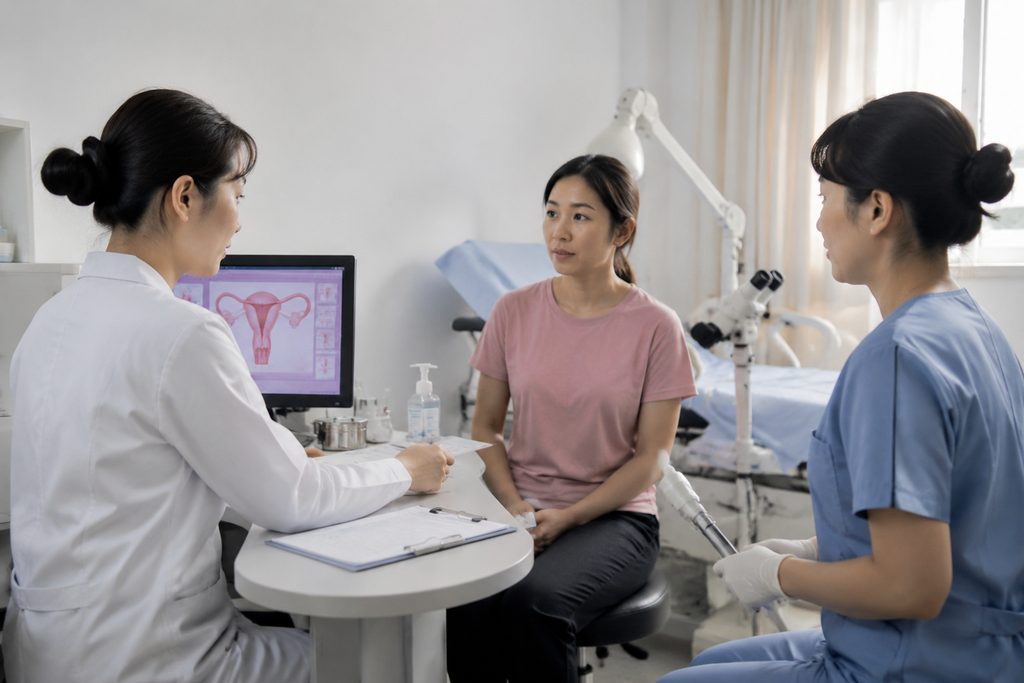
While a routine HPV test in the United States can cost anywhere from $90 to $250 without insurance, the same molecular screening at a top-tier Chinese hospital typically runs between $30 and $150. That gap exists even though both systems use nearly identical PCR-based detection technology. For uninsured travelers, expats, or medical tourists already planning treatment in China, that price difference turns a routine screening into a no-brainer add-on.
But cost is only half the question. The real issue is logistics: where do you go, what do you ask for, and how do you navigate a system where the front desk may not speak English? This article answers those questions directly. We have coordinated HPV screening for patients in Beijing, Shanghai, Guangzhou, and Chengdu, and we know exactly where the friction points are.
Key Takeaways
- HPV DNA testing is widely available in Chinese public hospitals, private international clinics, and dedicated women’s health centers, with out-of-pocket prices from approximately $30 to $150 depending on facility tier.
- Foreigners can get tested without a Chinese national ID by using a passport to register at hospital international departments or private clinics with English-speaking staff.
- Public hospital gynecology departments often require same-day, in-person registration and may have limited English support, while private clinics offer advance booking and direct insurance billing.
- HPV test cost in China varies significantly by city, hospital type, and test method (DNA PCR vs. mRNA E6/E7), so confirming the exact test type before payment is essential.
The Problem: HPV Screening Gaps and Cost Barriers for Foreigners
HPV screening is one of the most effective cancer prevention tools ever developed. Persistent infection with high-risk HPV types causes approximately 99% of cervical cancer cases, according to the World Health Organization. Yet access remains wildly uneven. A 2023 study published in The Lancet Global Health found that cervical cancer screening coverage among women aged 30–49 in high-income countries averages 60–70%, while in many low- and middle-income regions it sits below 10%.
Now layer in the expat problem. A British woman working in Shanghai, a Canadian digital nomad passing through Beijing, an American retiree living in Chengdu — each needs screening, but each faces a different barrier. Some assume the test requires a Chinese ID or local insurance. Others worry about quality standards. Many simply do not know that HPV DNA testing is available in Chinese hospitals at a fraction of Western prices, and that the test itself is the same technology used in London or New York.
That knowledge gap is the real problem. Not access. Not cost. Information.
Why China Delivers Results for HPV Screening
Volume and Standardization Drive Reliability
Chinese hospitals process HPV tests at a scale that most Western labs cannot match. A single large gynecology department in Beijing or Shanghai may run hundreds of HPV DNA tests per day. That volume means standardized workflows, well-calibrated equipment, and experienced lab technicians who see the full range of results daily. The HPV tests used in Chinese hospitals are predominantly PCR-based assays — the same molecular method recommended by the American Society for Colposcopy and Cervical Pathology and used in US labs.
Major Chinese manufacturers like Hybribio, Sansure, and BGI produce HPV genotyping kits that detect 14 high-risk HPV types plus several low-risk ones. These kits are widely used across Asia, Africa, and Latin America, and many hold CE marking for the European market. The technology is mature, validated, and reliable.
Cost Structure Makes Screening Affordable
Here is the honest explanation for why the HPV test cost in China is so much lower than in the US or UK. Chinese public hospitals operate on thin margins with heavy government subsidy. Lab equipment is amortized across massive patient volumes. Labor costs for technicians and nurses are lower. There is also no insurance billing bureaucracy inflating the sticker price — patients pay out of pocket at the hospital cashier, and the price is the price.
That does not mean lower quality. It means a different economic model. The same Roche Cobas HPV test that costs $120–$250 in the US can cost $60–$100 at a Chinese hospital international department. A domestic-brand HPV DNA genotyping test can cost as little as $30–$50. Same clinical purpose. Different price reality.
Private International Clinics Offer Western-Style Convenience
For foreigners who want English-speaking staff, advance booking, and direct insurance billing, China’s private international hospital sector is well developed. Facilities like United Family Healthcare, Jiahui Health, Parkway Health, and Raffles Medical operate in major cities and cater specifically to expatriates and medical travelers. Their HPV testing services are straightforward: call or book online, arrive at your appointment time, see a gynecologist or nurse, and receive results by email or app within 3–7 days.
These clinics cost more than public hospitals — typically $100–$200 for an HPV test plus consultation — but they eliminate the language barrier and the queue. For many foreigners, that convenience is worth the premium.
Where Foreigners Can Actually Get Tested: Facility Types Compared
Not all testing locations are equal. The right choice depends on your language comfort, budget, timeline, and whether you need additional gynecological care at the same visit. Here is how the options break down.
| Facility Type | HPV Test Cost (USD) | English Support | Booking | Result Turnaround |
|---|---|---|---|---|
| Public hospital gynecology dept. | $30–$80 | Limited | Same-day, in-person | 3–7 days |
| Public hospital international dept. | $60–$120 | Good | Advance by phone/email | 3–5 days |
| Private international clinic | $100–$200 | Excellent | Advance online/phone | 2–5 days |
| Women’s health specialty center | $50–$100 | Varies | Advance or walk-in | 3–7 days |
Public hospital gynecology departments are the cheapest option but also the most operationally demanding. You register with your passport at the hospital’s patient registration window, pay a registration fee (typically $3–$10), then queue to see a gynecologist who will order the HPV test. The consultation is brief. The doctor may not speak English. But the test itself is identical to what you would get at a private clinic.
Public hospital international departments occupy the middle ground. They charge more than the standard gynecology clinic but provide English-speaking coordinators, shorter queues, and a more familiar patient experience. These departments are designed for foreigners and are present at major hospitals in Beijing, Shanghai, Guangzhou, and other large cities. You can usually book by phone or email in advance, which is a significant advantage over the standard outpatient flow.
How the Testing Process Works Step by Step
If you have never navigated a Chinese hospital before, the process can feel opaque. Here is what actually happens when you go for an HPV test at a public hospital.
First, you need a hospital medical card. This is a physical or digital card linked to your passport number that stores your registration, orders, and results. At the registration window, show your passport and say you need a gynecology appointment. The clerk will create the card and charge a registration fee. You then proceed to the gynecology department on the floor indicated on your registration slip.
At the gynecology department, a nurse or triage station will call your number. The doctor will ask basic questions — last menstrual period, symptoms, reason for testing. If you do not speak Chinese, bring a translation app or a bilingual companion. The doctor will then perform or order a cervical swab. In Chinese hospitals, the doctor or a nurse typically performs the swab in the examination room, not the patient. The sample goes to the hospital’s central laboratory.
Results are usually available in 3–7 days. Many hospitals now provide results through their official WeChat mini-program or app, where you can view and download a PDF report. If the hospital does not offer digital results, you return to the hospital to collect a printed report. The report will be in Chinese. A bilingual companion can translate it for you, or you can use a medical translation service.
Bring your passport to every hospital visit. Your hospital medical card is linked to your passport number, and you cannot register, pay, or collect results without it.
What the Test Results Actually Mean: Reading a Chinese HPV Report
At a public hospital gynecology department in Shanghai, an HPV DNA test typically costs between $40 and $80, plus a registration fee of $3–$10. At a public hospital international department, expect $60–$120. At a private international clinic like Jiahui or United Family, the test plus consultation usually runs $120–$200. The price varies by test method — DNA genotyping is cheaper than mRNA E6/E7 testing.
Yes. Chinese national screening guidelines recommend HPV testing for women aged 30–65, but hospitals do not refuse testing outside that range. Women over 45 can self-request an HPV test at any gynecology department. Some hospitals may recommend co-testing with a Pap smear or liquid-based cytology, which adds $20–$50 to the total cost.
No referral is needed for HPV testing at any facility type. At public hospitals, you register directly with the gynecology department and the doctor orders the test during your consultation. At private clinics, you can book an HPV test directly without seeing a doctor first in many cases, though some clinics bundle a brief consultation into the appointment.
A positive result is not a cancer diagnosis. The next step is usually colposcopy or repeat testing, depending on which HPV type was detected and whether you had concurrent cytology. Chinese hospitals can perform colposcopy, biopsy, and treatment if needed. If you are leaving China soon, take your full report — including the lab’s reference ranges and methodology — to a gynecologist in your home country for follow-up planning.
Your Next Step
The HPV test cost in China is low enough that there is little reason to skip screening while you are here. The barrier is not money or medical quality — it is knowing where to go and how to navigate the system. That is the gap we fill. China Medical Services helps international patients coordinate HPV testing, gynecological consultations, and follow-up care at top-tier Chinese hospitals and private clinics. We are not a hospital and we do not provide medical advice — we handle the logistics, translation, and scheduling so you can focus on the result, not the process. If you are planning a trip to China or already living here, tell us what you need and we will map out the simplest path to getting tested.
HPV screening is one of the few cancer prevention tools that actually works. Getting it done in China is easier and cheaper than most foreigners assume. The information in this article should be enough to get you started — and if you want someone to handle the details, that is exactly what our team does.
Frequently Asked Questions
Yes. The hospitals used for international patients are JCI-accredited and follow the same international safety standards as top hospitals in the US and Europe. Surgical teams perform high volumes of procedures — often more than their Western counterparts — which studies show leads to better outcomes.
Costs vary by procedure and hospital, but international patients typically save 40-80% compared to US prices — even when factoring in travel and accommodation. A consultation with our team will give you an exact, all-inclusive quote with no hidden fees.
Send us your existing medical reports to get started. We handle everything from hospital selection and appointment scheduling to visa assistance and post-operative recovery planning. Your medical records are reviewed by the specialist before you even book a flight.
For more medical information and treatment options in China, visit chinamedservices.com (China Medical Services).
