Teeth Whitening: How Long Does It Stay Bright and What It Costs
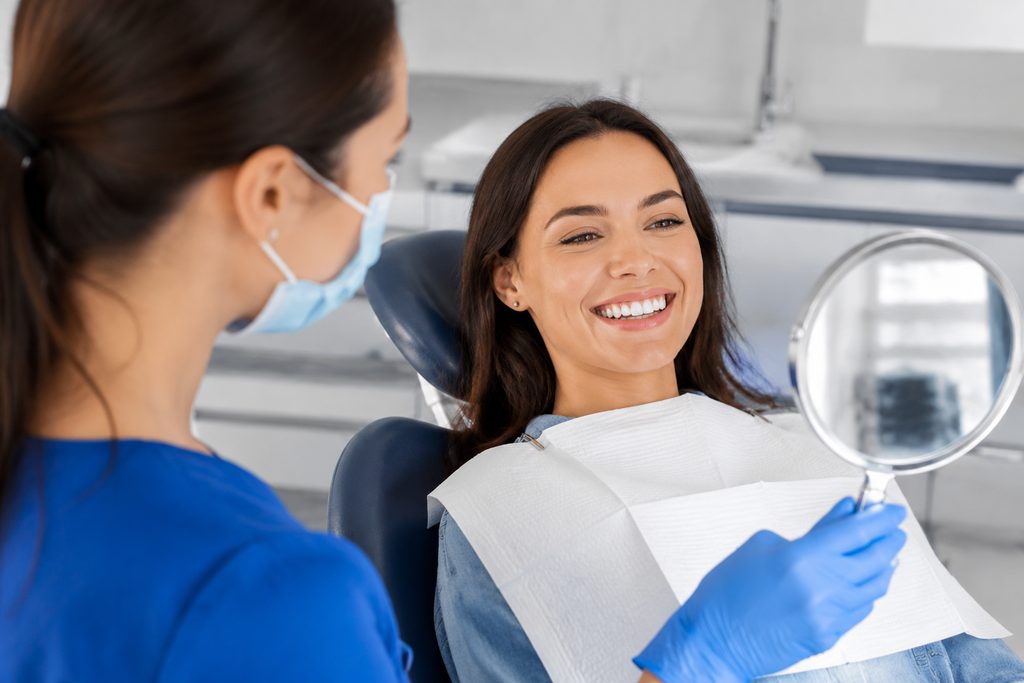
While a routine in-office whitening session in New York or London easily runs $600–$1,000, the same procedure at a top-tier dental department in Shanghai or Beijing typically falls between $150 and $400. That price gap exists even though many Chinese dental clinics in major cities use the same imported whitening gels and laser systems found in Western practices. The difference is mostly labor cost and clinic overhead, not quality of materials.
The answer to how long results last is less dramatic than the price gap. Most professionally whitened teeth stay noticeably brighter for 6 months to 2 years. Some patients stretch it to 3 years with careful habits. Others see fading within 4 months because of coffee, tea, red wine, or smoking. Your enamel doesn’t re-stain at the same speed as before treatment, but it does re-stain. The whitening itself is permanent in one sense: the oxidation reaction that breaks down stain molecules inside the enamel doesn’t reverse. What fades is the surface cleanliness you walked out with.
Teeth Whitening: The Short Answer
Professional whitening keeps teeth visibly brighter for 6 to 24 months on average. The exact duration depends on your diet, oral hygiene, the whitening method used, and whether you do periodic touch-ups. Laser or light-accelerated whitening in a clinic tends to last longer than at-home trays because the initial shade jump is bigger. But no method is permanent. Enamel picks up new stains from everything you eat and drink. The brightness you leave the clinic with is a starting point, not a fixed state.
That’s the honest version. Anyone promising “permanent whitening” is selling something that doesn’t exist in dentistry. What you can control is how fast the fade happens and how much brightness you retain month to month.
Who This Is Right For — and Who It Isn’t
Whitening works best on yellowish stains caused by coffee, tea, wine, tobacco, and aging. These are extrinsic stains sitting in the enamel’s outer layer. The peroxide gel penetrates and oxidizes them. Good candidates typically have:
- Healthy enamel without large cavities or exposed dentin
- Gums free of active periodontal disease
- Realistic expectations about shade improvement, usually 2 to 8 shades lighter
- Willingness to adjust staining habits for at least the first 48 hours and ideally long-term
Whitening is not for everyone. You should not pursue it if you have untreated tooth decay, cracked teeth, receding gums with exposed roots, or dental restorations like crowns, veneers, or bonding on your front teeth. Peroxide does not whiten porcelain or composite resin. It only whitens natural tooth structure. That means if you have a crown on a front tooth, whitening the surrounding teeth will make the crown look darker by comparison. You’d then need to replace the crown to match — an additional cost most people don’t plan for.
Pregnant or nursing women are generally advised to postpone elective whitening. People with severe enamel hypoplasia or tetracycline staining often get poor results from standard peroxide treatments and may need veneers instead. And if you have sensitive teeth, whitening can make the sensitivity worse, sometimes for weeks.
The Options, Compared
Not all whitening is the same. The method you choose determines how fast you see results, how long they last, and what you pay. Here’s how the main options stack up:
| Method | Typical Shade Improvement | Duration of Results | Cost Range (China) | Cost Range (US/UK) | Best For |
|---|---|---|---|---|---|
| In-office laser/light whitening | 5–8 shades in one visit | 12–24+ months | $150–$400 | $500–$1,200 | Fast results before an event |
| Custom take-home trays from a dentist | 3–6 shades over 1–2 weeks | 6–18 months | $80–$250 | $250–$600 | Gradual, lower-sensitivity option |
| Over-the-counter strips/gels | 1–3 shades over 2–4 weeks | 2–6 months | $15–$50 | $20–$80 | Budget maintenance between professional treatments |
| Whitening toothpaste | Surface stain removal only | Days to weeks | $3–$15 | $5–$20 | Daily maintenance, not actual whitening |
Laser whitening in a clinic gives the biggest immediate jump. The light activates the peroxide gel, speeding up the oxidation reaction. Most Chinese dental departments use systems like Beyond, Philips Zoom, or domestic equivalents with the same active chemistry. The chair time is usually 60 to 90 minutes for a full session, sometimes split into two or three 20-minute gel applications.
Take-home trays are the quieter option. A dentist takes impressions, fabricates custom trays, and gives you a lower-concentration peroxide gel to wear for a few hours daily or overnight. Results build over one to two weeks. The trade-off is time, but many patients prefer this because sensitivity is easier to manage and you keep the trays for future touch-ups.
How Long Does Teeth Whitening Last in Practice — and What Shortens It
Here’s what actually determines your fade rate, beyond the marketing claims.
Your daily habits matter more than the whitening method. Coffee, black tea, red wine, dark sodas, soy sauce, curry, and tobacco all deposit new chromogens onto your enamel within hours of treatment. The first 48 hours after whitening are the most vulnerable because your enamel is temporarily more porous. After that, normal remineralization closes some of the gaps, but the staining continues at a slower rate.
Touch-up frequency extends the clock. Patients who do a 2–3 day tray touch-up every 4 to 6 months routinely keep their teeth near the original post-treatment shade for 2 years or more. Those who do one whitening session and never touch up see gradual drift back toward baseline within 8 to 12 months. The whitening isn’t “wearing off” — the surface is getting dirty again.
Enamel thickness and starting shade play a role. Younger patients with thicker enamel often hold results longer. Older patients with thinner enamel and more dentin showing through may see a darker baseline return faster, not because the whitening failed but because the underlying tooth color was always darker.
And here’s a fact most clinics won’t volunteer: whitening results are never perfectly stable, even with perfect habits. The oxidation process continues at a microscopic level for about two weeks after treatment. Your teeth may look slightly different on day 14 than on day 1. That’s normal. It’s not a sign the treatment failed.
Teeth Whitening Cost China: What You Actually Pay
The headline number for professional teeth whitening cost China is $150 to $400 for in-office laser treatment at a reputable private or international dental clinic in Shanghai, Beijing, or Guangzhou. Public hospital dental departments often charge less, sometimes $80 to $200, but you’ll trade convenience and English-speaking staff for the savings.
Custom take-home kits from a Chinese dentist run $80 to $250 depending on the clinic tier and whether they include a follow-up shade check. Compare that to a professional teeth whitening Shanghai price at an international clinic like Parkway or Jiahui, where you might pay $300 to $500 for the same laser session plus English-language consultation. The premium buys you communication ease, not better whitening chemistry.
What drives the variance:
- Clinic tier: Public hospital dental department vs. private clinic vs. international hospital dental center
- System used: Branded laser systems (Philips Zoom, Beyond) cost more than generic light-activated gels
- Number of gel applications: Some clinics quote a base price for one application and charge extra for additional rounds in the same visit
- City: Shanghai and Beijing trend slightly higher than Chengdu, Hangzhou, or Xi’an
- Pre-treatment cleaning: Many clinics require a scaling and polishing before whitening, which adds $50 to $100
What’s typically not included: the consultation fee (sometimes free, sometimes $20–$50), any X-rays if the dentist wants to check for hidden decay, and take-home maintenance gel or trays. Always ask for a written breakdown before you sit in the chair.
If you’re weighing laser teeth whitening packages abroad, China sits at the lower end of the international price spectrum. Thailand and Turkey are comparable. South Korea runs slightly higher. The US and Western Europe are 3 to 5 times more expensive for the same procedure. The question isn’t really whether whitening is cheaper in China — it clearly is — but whether you can navigate the logistics well enough to make the savings worth it.
Is Teeth Whitening Safe in China? What to Check Before You Book
The short answer: yes, at licensed dental clinics and hospital departments. The peroxide gels used in China are the same formulations used globally — typically hydrogen peroxide or carbamide peroxide at concentrations of 6% to 40% depending on the method. Chinese dental regulations require that whitening be performed or supervised by a licensed dentist. What varies is enforcement and clinic quality.
That’s the part people worry about, and it’s a fair worry. A poorly trained operator using high-concentration gel without proper gum protection can cause chemical burns to the soft tissue. That’s not unique to China — it happens everywhere — but the risk is higher at budget clinics that rush patients through.
What to look for:
- Licensing: The dentist should hold a PRC dental license. International clinics often display their dentists’ credentials online.
- Gum barrier: Before any in-office whitening, the clinician must apply a light-cured resin barrier or liquid dam to protect your gums. If they skip this, leave.
- Shade assessment: A proper clinic records your starting shade with a shade guide and sets a realistic target. No one can guarantee a specific number of shades.
- Sensitivity check: The dentist should ask about existing sensitivity and may apply desensitizing agents during or after treatment.
- Consent: You should sign a consent form explaining risks including temporary sensitivity, uneven whitening, and gum irritation.
If you want to book teeth whitening dental clinic Beijing or Shanghai, the safest route is a hospital-affiliated dental department or an established private chain. You can browse our directory of top-ranked Chinese hospitals to see which have dental or stomatology departments in your target city. For an English-speaking experience with insurance billing, private international clinics are the more practical choice — you’ll find them listed on our private hospital page.
One more thing: whitening does not damage enamel when done correctly. The peroxide penetrates the enamel but does not dissolve it. The temporary “chalky” appearance some patients notice right after treatment is dehydration of the enamel surface, and it resolves within a day or two as the enamel rehydrates.
Practical Considerations: Booking a Whitening Appointment as a Foreigner
If you’re traveling to China specifically for dental work, whitening is usually not the only thing on your list. Many patients bundle it with a cleaning, checkup, or other cosmetic work. Here’s what to plan for.
Timing. In-office whitening takes one visit of 1 to 2 hours. Take-home trays require two visits: one for impressions, one for tray fitting and gel pickup, spaced 3 to 7 days apart. If you’re only in China for a week, choose in-office laser whitening.
Visa. For short medical or private travel to China, the S2 visa is the applicable category. It covers private affairs including medical treatment when supported by documentation from the hospital or clinic. The clinic can provide an appointment confirmation letter. S2 is not a “medical visa” — it’s a short-stay visa for private matters that include treatment. For stays under 180 days, S2 is what you’ll apply for. We never guarantee visa approval, and requirements shift, so check with the nearest Chinese embassy or consulate before booking flights.
Payment. Chinese public hospitals and most private clinics require upfront payment. International clinics may accept foreign credit cards and some do direct insurance billing. Public hospital dental departments typically accept only Chinese payment methods like WeChat Pay, Alipay, or UnionPay. Bring cash or set up a payment app if you’re using a public hospital.
Language. At public hospitals, expect minimal English. At international clinics, English-speaking staff are standard. A bilingual medical companion can handle registration, payment, and translation at public facilities if you want the lower public pricing without the language stress.
Aftercare when you fly home. The first 48 hours matter most. Avoid staining foods and drinks. No smoking. Use a straw for anything dark. After that, normal hygiene plus touch-ups as needed. Your home dentist can fabricate new trays if you lose the ones from China, but the custom trays you get in China are reusable for years if you store them properly.
Frequently Asked Questions
Six to 24 months for professional in-office whitening. Take-home trays typically last 6 to 18 months. Over-the-counter products fade within 2 to 6 months. Your habits — coffee, tea, smoking — determine where you fall in that range.
At licensed dental clinics and hospital departments, yes. The peroxide gels are the same formulations used in Europe and North America. The risk comes from unlicensed or rushed operators, not from the country itself. Verify the dentist’s license, confirm a gum barrier is used, and ask about the peroxide concentration before treatment.
Labor costs and clinic overhead are lower. The whitening gels and laser equipment are often imported and identical to what Western clinics use. You’re paying less for the chair time and facility, not for inferior materials. A professional teeth whitening Shanghai price of $200 to $400 buys the same chemistry that costs $800 in Manhattan.
Whitening will not change the color of crowns, veneers, or bonding. If you have restorations on visible teeth, whitening the natural teeth around them will create a shade mismatch. Talk to a dentist about whether to whiten first and replace restorations afterward, or skip whitening entirely.
No, when performed correctly. Peroxide penetrates enamel to oxidize stain molecules but does not dissolve the enamel structure. Temporary sensitivity and a chalky appearance right after treatment are normal and resolve within days. Gum irritation happens when the protective barrier is inadequate, which is why operator skill matters.
Your Next Step
Teeth whitening is one of the simplest cosmetic dental procedures to arrange in China, and the savings over Western prices are real. The key is choosing a licensed clinic and understanding that brightness fades based on your habits, not the clinic’s promises. We help international patients identify suitable dental departments and clinics, coordinate appointments, and arrange bilingual support on the ground. We are not a hospital and we don’t provide diagnoses or treatment. If you’d like help finding a reputable clinic for whitening or any other dental work, start with a free consultation through our patient services page — tell us your city and timeline, and we’ll map out the practical options.
For more medical information and treatment options in China, visit chinamedservices.com (China Medical Services).
