How Do I Prepare My Body for IVF? A 90-Day Evidence-Based Plan
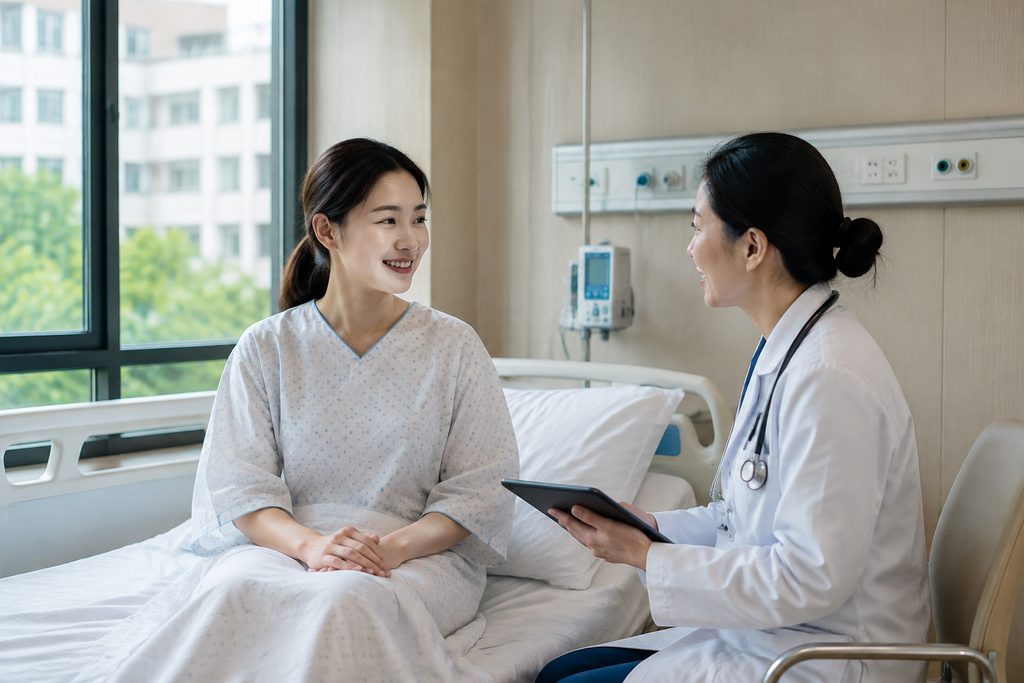
When 34-year-old Sarah from Manchester started researching IVF, she found herself drowning in supplement ads, conflicting forum advice, and a spreadsheet of clinics across three countries. Her AMH was 1.1 ng/mL. Her partner’s sperm morphology sat at 3%. She had one question that kept coming back: what do I actually do for the next three months to give this the best shot?
That question has a real answer. Not a magic protocol, but a sequence of changes backed by reproductive endocrinology research. The 90 days before egg retrieval matter because that’s the full lifecycle of a follicle — the roughly three months it takes for a resting ovarian follicle to develop into a mature egg capable of fertilization. Sperm follows a similar 74-day maturation window. What you do today shapes the gametes you’ll retrieve in three months.
For patients weighing treatment locations, the preparation stays constant whether you cycle in London, Barcelona, or Shanghai. But the cost side varies dramatically — ivf cost China typically runs $4,000 to $8,000 per fresh cycle at top public hospitals, compared with $12,000 to $20,000 in the UK and $15,000 to $30,000 in the US. That gap often funds the preparation period itself.
How This Actually Works, Step by Step
You don’t start with injections. You start with data. Here’s the sequence that avoids wasted cycles and false starts.
Step 1: Baseline testing — day 2 or 3 of your period. Blood draws for AMH, FSH, LH, estradiol, prolactin, TSH, and vitamin D. A transvaginal ultrasound for antral follicle count (AFC). Your partner does a semen analysis with DNA fragmentation if age is over 35 or prior loss exists.
Step 2: A 90-day preparation window. This is where the work happens. Supplements, diet, sleep, toxin removal, weight adjustment. More on specifics below.
Step 3: Protocol selection with your clinic. Based on your AMH, AFC, age, and BMI, your doctor picks an antagonist or agonist protocol. This decision happens around day 21 of the cycle before stimulation starts.
Step 4: Stimulation — roughly 10 to 14 days. Daily injections of FSH (and sometimes LH). Monitoring every 2 to 3 days via ultrasound and bloodwork. Dose adjustments along the way.
Step 5: Trigger shot, then retrieval 36 hours later. Egg retrieval is a 20-minute procedure under light sedation. You’ll know the number of eggs retrieved the same day, fertilization results the next day, and blastocyst numbers five to six days later.
Step 6: Transfer — fresh or frozen. Many clinics now prefer frozen transfers after PGT-A testing, which adds two to four weeks but improves implantation rates for patients over 35.
What Actually Moves the Needle: Evidence-Based Preparation
The supplement aisle is loud. Most of it is noise. Here’s what randomized trials and systematic reviews actually support.
Coenzyme Q10 (CoQ10). A 2018 study in Fertility and Sterility found that 600mg daily of ubiquinol for 60 days improved egg quality markers in women over 35. The logic: CoQ10 supports mitochondrial function in aging oocytes. Ubiquinol, the reduced form, absorbs better.
Folic acid — but the right form. 400 to 800mcg daily, ideally as 5-MTHF (methylfolate) rather than synthetic folic acid. Roughly 40% of people carry an MTHFR variant that impairs conversion. This matters for both egg quality and neural tube development.
Vitamin D. Levels below 30 ng/mL correlate with lower IVF success rates. Test first. If deficient, 2,000 to 4,000 IU daily for eight to twelve weeks typically corrects it.
Omega-3 fatty acids. Two grams daily of combined EPA and DHA. A 2022 meta-analysis linked higher omega-3 intake with improved embryo morphology.
What doesn’t have solid evidence? DHEA (mixed results, and androgenic side effects in some patients), royal jelly, wheatgrass, and most “fertility teas.” Save your money.
Diet matters, but not in the way Instagram suggests. The Mediterranean pattern — olive oil, fatty fish, legumes, leafy greens, limited processed meat — associates with better outcomes in multiple cohort studies. The mechanism likely involves reduced systemic inflammation. What you remove matters as much as what you add.
A Realistic Timeline
Most patients underestimate the calendar. Here’s what a typical international patient preparing for IVF in China actually experiences.
| Stage | Timeframe | What Happens |
|---|---|---|
| Baseline testing | Week 1 | Bloodwork, ultrasound, semen analysis. Results in 3 to 7 days. |
| Preparation window | Weeks 2 to 13 | Supplements, lifestyle changes, weight optimization if needed. Ongoing. |
| Clinic selection and document translation | Weeks 4 to 8 | Compare clinics, request quotes, translate medical records, schedule video consultation. |
| S2 visa application | Weeks 6 to 10 | Processing typically takes 4 to 15 business days depending on embassy. |
| Protocol start | Day 1 of cycle, month 3 | Baseline scan, begin stimulation injections. |
| Monitoring | Days 5 to 12 of stimulation | Clinic visits every 2 to 3 days. Stay near the clinic during this period. |
| Egg retrieval | Around day 14 of cycle | 20-minute procedure. Rest for 24 to 48 hours. |
| Embryo development | Days 1 to 6 after retrieval | Fertilization report, then blastocyst report. Freeze or fresh transfer decision. |
| Transfer (if fresh) | Day 3 or 5 after retrieval | 10-minute procedure, no sedation. Pregnancy test 10 to 14 days later. |
| Return home | Week 5 to 6 of treatment trip | If frozen transfer planned, you may return home and come back for transfer cycle. |
Total time from “I’m thinking about IVF in China” to embryo transfer: three to five months. The preparation window and the logistics overlap, which is why starting both early prevents delays.
What Can Go Wrong — and What Happens Then
Honest talk about failure modes. They happen. Knowing the recourse is what separates a manageable setback from a spiraling one.
Poor response to stimulation. You inject for 10 days and produce 3 follicles when the expectation was 10. This happens in roughly 10 to 15% of cycles, more often with low AMH or high FSH. The recourse: your doctor may cancel the cycle and restart with a different protocol, or convert to IUI if sperm parameters allow, or proceed with retrieval anyway — sometimes 3 good eggs is enough.
No embryos reach blastocyst. Fertilization happens, but nothing makes it to day 5. This points to sperm DNA fragmentation, egg quality issues, or lab conditions. Next steps: DNA fragmentation testing for your partner, a different stimulation protocol, or consideration of donor gametes. A good clinic will have this conversation directly, not vaguely.
Visa delay or denial. The S2 visa (for private affairs including medical treatment) requires supporting documents from the hospital. If the letter is incomplete or the embassy has questions, processing stalls. Recourse: work with a coordinator who has handled medical visa documentation before, and apply four to six weeks before your target travel date. Never book non-refundable flights before the visa is in hand.
Cycle cancellation due to OHSS risk. If your estrogen spikes too high, your doctor may trigger with a GnRH agonist instead of hCG, or cancel fresh transfer and freeze everything. That’s not a failure — it’s safety. Frozen transfer cycles have comparable or better success rates in many age groups.
How to Evaluate a Fertility Clinic — Anywhere in the World
You cannot book a treatment package sight unseen. The process starts with a remote consultation — you send your records, a reproductive specialist reviews them, and you discuss protocol options by video. Only after that evaluation can the hospital confirm a treatment plan and timeline. Some patients use a coordination service to handle registration, translation, and hospital communication. Any service promising a guaranteed package without medical review should be avoided.
China’s reproductive medicine sector is regulated by the National Health Commission. Hospitals performing IVF must hold a license, and the top academic centers follow protocols aligned with international standards. The main safety variables are the same as anywhere: lab quality, single-embryo transfer policy, and OHSS monitoring. Ask for the clinic’s age-stratified live birth rates and multiple pregnancy rate before committing.
Yes, and this is the most common pattern for international patients. The 90-day preparation — supplements, diet, sleep, testing — happens at home. You travel to China for the stimulation and retrieval phase, which requires roughly two to three weeks on the ground. If you’re doing a frozen transfer, the transfer cycle requires a shorter stay.
Live birth rates per transfer with own eggs over age 40 range from single digits to about 15%, depending on ovarian reserve and prior history. Some patients attempt one cycle with own eggs, then move to donor eggs if results are poor. This is a deeply personal decision that depends on your AMH, AFC, and how you weigh genetic relatedness against time and cost. A frank conversation with a reproductive endocrinologist — not a clinic sales representative — is the right first step.
Your Next Step
Preparing your body for IVF is a 90-day project with real, evidence-based steps. The work is the same whether you cycle at home or abroad. What changes is cost, access, and logistics.
We help international patients navigate reproductive medicine in China — from selecting a hospital to coordinating records, visa documentation, and on-the-ground support. We don’t practice medicine, and we don’t promise outcomes. What we do is make the process legible. If you’re weighing your options, start with a free consultation at China Medical Services and we’ll help you map the path.
Frequently Asked Questions
Yes. The hospitals used for international patients are JCI-accredited and follow the same international safety standards as top hospitals in the US and Europe. Surgical teams perform high volumes of procedures — often more than their Western counterparts — which studies show leads to better outcomes.
Costs vary by procedure and hospital, but international patients typically save 40-80% compared to US prices — even when factoring in travel and accommodation. A consultation with our team will give you an exact, all-inclusive quote with no hidden fees.
Send us your existing medical reports to get started. We handle everything from hospital selection and appointment scheduling to visa assistance and post-operative recovery planning. Your medical records are reviewed by the specialist before you even book a flight.
For more medical information and treatment options in China, visit chinamedservices.com (China Medical Services).
