IVF Side Effects: What Every Patient Should Know Before Starting Treatment
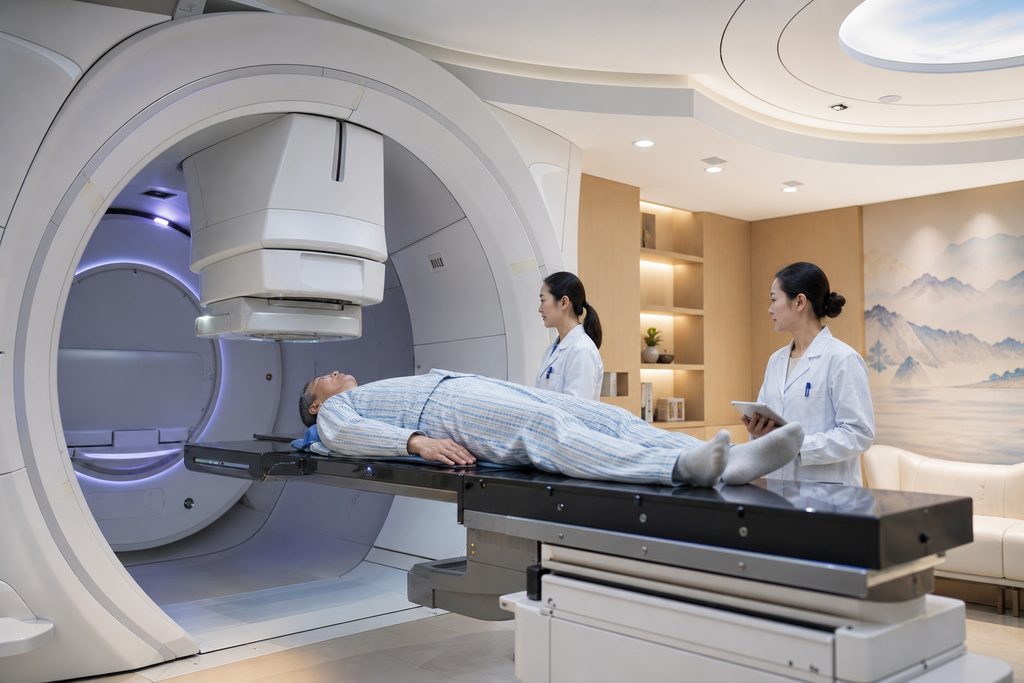
What Are the Side Effects of IVF? A Clear Guide for Patients Considering Treatment in China
In plain terms, IVF — in vitro fertilization — means retrieving eggs from the ovaries, fertilizing them with sperm in a laboratory, and transferring a resulting embryo into the uterus. The process itself is not painful in the way surgery is painful. But the medications, the hormonal shifts, and the waiting are what most people feel. If you are asking what are the side effects of IVF, you are probably deciding whether to start treatment at home or abroad, and you want to know what the next four to six weeks will actually feel like. Understanding IVF side effects China patients experience — and how they compare to what you would face in the US, UK, or Australia — helps you plan realistically.
Our team at China Medical Services coordinates care for international patients at top-tier Chinese reproductive medicine centers. We are not doctors. We connect you with the specialists who are, and we translate what they tell you into plain language. This guide covers the physical side effects, the emotional ones, the rare but serious risks, and the practical questions to ask before you commit to a cycle.
Key Takeaways
- Most IVF side effects are mild and temporary: bloating, breast tenderness, mood swings, and injection-site bruising affect roughly 60–80% of patients but typically resolve within 7–14 days after egg retrieval.
- Ovarian hyperstimulation syndrome (OHSS) is the one serious risk — moderate to severe cases occur in approximately 1–5% of cycles, and Chinese fertility centers report rates at the lower end of that range due to antagonist protocols and GnRH agonist triggers.
- IVF in China costs roughly $4,000–$8,000 per fresh cycle at top public hospitals, compared to $12,000–$20,000 in the US — without sacrificing clinical standards at Fudan-ranked reproductive medicine departments.
- No clinic in China or anywhere else can guarantee a live birth. A realistic expectation is a 40–55% cumulative live birth rate per egg retrieval for women under 35, depending on embryo quality and transfer strategy.
The Problem: Hormonal Disruption Is the Real Side Effect — Not the Needles
Top Chinese reproductive medicine departments — including those affiliated with Peking University Third Hospital, which reported over 50,000 IVF cycles in a single year — have refined their stimulation protocols to minimize discomfort. The trend in China over the past decade has been a shift from long agonist protocols to antagonist protocols, which require fewer injections and carry a lower OHSS risk. A 2021 meta-analysis in Fertility and Sterility found antagonist protocols reduced OHSS incidence by approximately 50% compared to long agonist protocols, with no significant difference in live birth rates. That is not a Chinese finding specifically — it is a global one — but Chinese centers adopted it early and at scale.
Chinese public hospital reproductive centers typically schedule ultrasound and blood monitoring every 2–3 days during stimulation. That is comparable to Western standards. The difference is logistics: at a high-volume Chinese center, the ultrasound department runs from early morning until evening, seven days a week. You will not wait three weeks for a monitoring appointment. If your estradiol is rising too fast or your follicle count suggests OHSS risk, the clinical team adjusts your medication dose the same day. That responsiveness directly reduces the severity of IVF side effects China patients experience.
Let us address the obvious question: does cheaper treatment mean worse side effects? No. The cost difference between IVF in China and the US is structural — lower labor costs, hospital-owned embryology labs, and government price controls on fertility medications — not a reflection of protocol quality. Gonadotropin medications that cost $3,000–$5,000 per cycle in the US are often 40–60% cheaper in China because they are manufactured domestically or regionally. The active ingredients are identical. The side effect profile is identical. What changes is what you pay to experience it.
IVF Side Effects Timeline: What to Expect Week by Week
This is the section most patients actually want. Not a list of symptoms — a timeline. When do things hurt? When do they stop? Here is what a typical antagonist protocol cycle looks like, based on what reproductive endocrinologists at Chinese and Western centers both describe.
Days 1–5: Baseline and Stimulation Start
You start with a baseline ultrasound and blood draw on day 2 or 3 of your period. Then the injections begin — usually 1–2 shots per day of gonadotropins, plus a daily antagonist injection starting around day 5 or 6. The first few days feel normal. Some patients notice mild headache or fatigue. Injection-site bruising is common, especially if you are doing the shots yourself. Rotate injection sites: abdomen, thigh, upper arm. Bruises fade in 5–7 days.
Days 6–10: The Bloating Phase
This is when most people feel it. Your ovaries are growing, your estrogen is climbing, and your abdomen starts to feel heavy. Bloating is the most commonly reported side effect — affecting roughly 70% of patients according to patient surveys. You may feel full after small meals. Some women describe it as feeling “stretched.” This is not OHSS. It is normal ovarian enlargement. Wear loose clothing. Drink electrolyte fluids. Keep moving — gentle walking helps with the bloated feeling.
Days 11–14: Trigger and Egg Retrieval
When your follicles reach 18–20mm, you take a trigger shot — either hCG or a GnRH agonist. The trigger matures the eggs for retrieval, which happens 36 hours later under light sedation. The retrieval itself takes 15–20 minutes. You will not feel it. Afterward, expect cramping similar to period pain, plus continued bloating for 3–5 days. Spotting is normal. Most patients return to work within 1–2 days.
Days 15–28: The Waiting and the Hormone Drop
After retrieval, your estrogen drops sharply. That drop causes the emotional crash many patients describe — irritability, sadness, anxiety. It is not weakness. It is biology. If you did a fresh transfer, you start progesterone supplementation, which can cause additional bloating, breast tenderness, and fatigue. If you did a freeze-all cycle, your period usually arrives within 10–14 days, and most physical symptoms resolve with it.
So how long do IVF side effects last? The acute physical symptoms — bloating, cramping, breast tenderness — typically resolve within 7–14 days after egg retrieval. The emotional effects can linger longer, especially if the cycle outcome is not what you hoped. Plan for a full month of feeling “not quite yourself,” and give yourself permission to rest.
Ovarian Hyperstimulation Syndrome: The Side Effect That Actually Matters
Most IVF side effects are uncomfortable. OHSS can be dangerous. It happens when the ovaries over-respond to stimulation, leaking fluid into the abdomen and chest. Mild OHSS — bloating, mild abdominal pain, some nausea — occurs in up to 30% of cycles. Moderate to severe OHSS — requiring hospitalization — occurs in about 1–5% of cycles, though rates have fallen significantly with modern protocols.
Severe OHSS symptoms include rapid weight gain (more than 2 pounds in 24 hours), severe abdominal pain, difficulty breathing, reduced urination, and vomiting. If you experience these, you need medical attention immediately. Chinese reproductive centers manage OHSS conservatively — outpatient monitoring for mild cases, hospitalization with IV fluids and albumin for moderate ones, and paracentesis (draining abdominal fluid) for severe ones. The hospitalization rate for OHSS at major Chinese centers is under 2%, consistent with international benchmarks.
Who is at higher risk? Women under 35, those with polycystic ovary syndrome (PCOS), those with a high antral follicle count, and those with a previous OHSS episode. If you fall into these categories, ask your clinic about a GnRH agonist trigger and a freeze-all strategy — both reduce OHSS risk substantially.
Is IVF Treatment Safe in China? What the Data and Regulations Show
The short answer: yes, at accredited centers. China’s National Health Commission licenses reproductive medicine centers and audits them regularly. Only licensed centers may perform IVF, and the licensing requirements are strict — including minimum case volumes, embryology lab standards, and clinical outcome reporting. Unlicensed clinics operate illegally, and patients should verify a center’s license before committing. The safest approach is to work only with reproductive medicine departments at Fudan-ranked public hospitals or JCI-accredited private international hospitals.
Safety also depends on the specific clinic. China has over 500 licensed IVF centers, and quality varies. The top tier — concentrated in Beijing, Shanghai, Guangzhou, and a few other major cities — operates at international standards. These centers publish their success rates, follow international stimulation protocols, and employ embryologists trained in Europe or the US. A 2022 study in Reproductive BioMedicine Online comparing IVF outcomes across 12 countries found Chinese centers’ live birth rates for women under 35 were statistically indistinguishable from those in the US and Europe, at 45–50% per fresh cycle.
That said, language and process differences are real. Public hospital reproductive centers in China are high-volume — expect shared consultation rooms, less hand-holding, and minimal English support unless you are in an international department. This is where a coordinator who speaks both languages changes the experience. We will return to that.
IVF Cost Shanghai Success Rates: What the Numbers Actually Mean
Shanghai is China’s most mature IVF market outside Beijing, with several centers performing 10,000+ cycles annually. When patients search IVF cost Shanghai success rates, they are usually comparing Shanghai to Bangkok, Seoul, or a US city. Here is the honest breakdown.
| Cost Component | Shanghai (Top Public Hospital) | Shanghai (Private International) | US Average |
|---|---|---|---|
| Fresh IVF cycle (excluding meds) | $3,000–$5,000 | $6,000–$10,000 | $10,000–$15,000 |
| Fertility medications | $1,500–$3,000 | $2,000–$4,000 | $3,000–$6,000 |
| ICSI (if needed) | $500–$800 | $800–$1,500 | $1,500–$2,500 |
| Embryo freezing + 1 year storage | $500–$1,000 | $800–$1,500 | $1,000–$2,000 |
| Frozen embryo transfer | $1,000–$2,000 | $2,000–$3,500 | $3,000–$5,000 |
| Total (typical fresh cycle) | $5,000–$8,000 | $9,000–$15,000 | $15,000–$25,000 |
Success rates in Shanghai are strong. The city’s top three reproductive centers report cumulative live birth rates per egg retrieval of 50–60% for women under 35, 35–45% for women 35–39, and 15–25% for women 40–42. These figures align with US Society for Assisted Reproductive Technology (SART) data. But “success rate” is a slippery number — it depends on patient age, embryo quality, transfer strategy, and how the clinic calculates it. Always ask: “Is this per cycle started, per egg retrieval, or per embryo transfer?” Per-transfer rates look better but tell you less.
One structural difference matters for international patients: Chinese public hospitals do not allow remote booking for IVF. You must attend an in-person consultation before treatment begins. That means a planning trip — or working with a coordinator who can arrange the initial consultation efficiently. If you want to book IVF package China providers offer, understand that “package” pricing is more common at private international hospitals, while public hospitals bill item by item. Both are legitimate; the package model just bundles monitoring, retrieval, transfer, and basic medications into one upfront price.
Practical Considerations: Documentation, Visa, and Logistics for IVF in China
If you are seriously considering IVF in China, here is what the process actually requires. You will need your medical records — previous fertility workups, cycle summaries if you have done IVF before, any surgical reports, and your partner’s semen analysis results. Have these translated into Chinese or English, depending on the clinic. Most top Shanghai and Beijing centers accept English records, but a certified translation smooths the process.
For the visa: medical treatment in China falls under the S2 visa category, which covers short-term private affairs including medical treatment. You apply at a Chinese embassy or consulate with an invitation letter from the hospital or a medical coordinator, plus your passport and application forms. The S2 visa typically allows stays of up to 180 days. Your partner or a family member accompanying you also applies for an S2 visa. Processing takes 1–3 weeks depending on your home country. We always advise confirming current requirements with the nearest Chinese consulate, as rules shift.
Payment is another practical point. Public hospitals in China require prepayment — you deposit funds at admission or before treatment, and costs are deducted as you go. Most accept international credit cards at the international department payment window, but daily limits on foreign cards can be a problem. Wire transfer in advance is often easier. Private international hospitals in Shanghai and Beijing typically accept major international insurance directly, which is a significant advantage if your policy covers fertility treatment. Check your policy carefully — most US and European insurers exclude IVF unless it is medically necessary.
Language is the final hurdle. Public hospital reproductive centers are busy. Nurses may not speak English. Signage may be Chinese-only. You can absolutely navigate this alone if you are patient and resourceful. But many patients find that a bilingual coordinator — someone who can translate during consultations, explain medication schedules, and handle the administrative friction — turns a stressful process into a manageable one.
Frequently Asked Questions
What are the most common side effects of IVF injections?
The injections themselves cause bruising, redness, and soreness at the injection site — usually minor and fading within a week. The systemic effects come from the hormones: bloating, breast tenderness, mood swings, fatigue, and mild headaches. These affect the majority of patients but are generally manageable with rest, hydration, and over-the-counter pain relief.
How long do IVF side effects last after egg retrieval?
Most physical symptoms — bloating, cramping, breast tenderness — resolve within 7–14 days after retrieval. If you have a fresh embryo transfer and start progesterone, bloating and fatigue may continue until your pregnancy test. Emotional effects, including anxiety and mood swings, can persist for several weeks, especially after a failed cycle.
Is IVF treatment safe in China for foreign patients?
Yes, at licensed, accredited centers. China’s National Health Commission regulates IVF clinics strictly. Top-tier centers in Beijing and Shanghai operate at international standards, with success rates comparable to US and European clinics. The key is choosing
For more medical information and treatment options in China, visit chinamedservices.com (China Medical Services).
