How Fast Does My Cancer Need Treatment? Timelines, Costs, and China Options
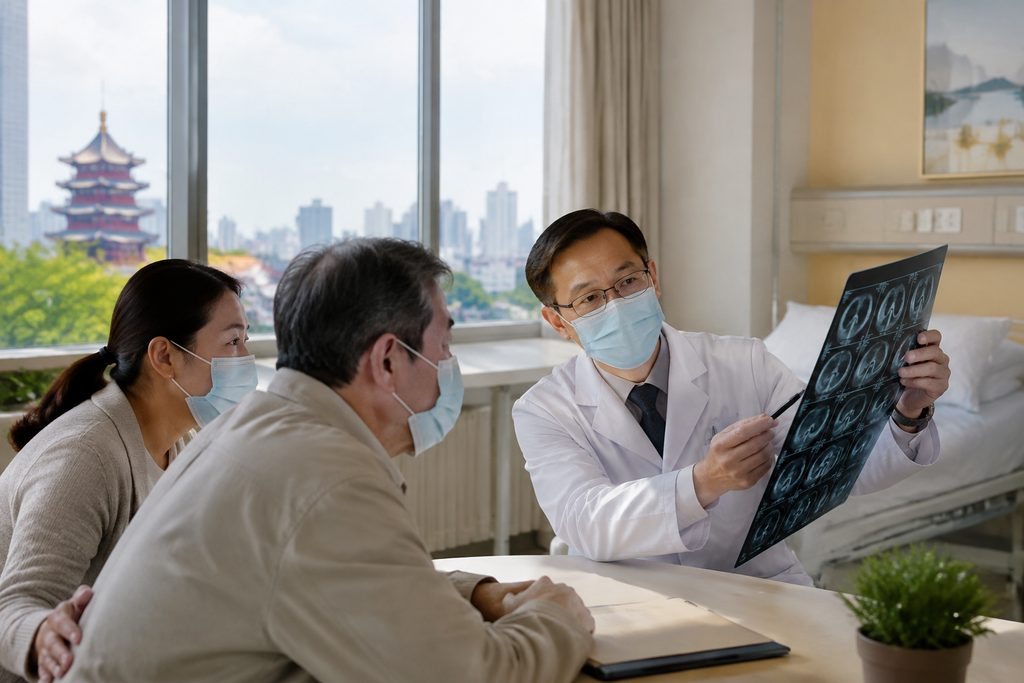
“How fast does my cancer need treatment?” The honest answer: most cancers need a treatment decision within 2 to 6 weeks of diagnosis. Some aggressive forms — acute leukemia, high-grade lymphoma, small cell lung cancer — demand action within days. A 2020 study in The BMJ found that each four-week delay in treatment was associated with a 6–13% higher risk of death across seven common cancer types. That number climbs for colorectal and breast cancers. So the question is not whether speed matters. It does. The real question is how to move fast without making rushed, poorly informed choices — especially if you are weighing treatment at home against options abroad, where cancer treatment cost China is often a fraction of Western prices.
How Fast Does Cancer Spread Without Treatment? The Biological Clock
Cancer does not grow on a single schedule. Tumor doubling time — how long it takes a mass to double in volume — varies from under 30 days for aggressive breast and lung cancers to over 200 days for some prostate and thyroid tumors. That is why how fast does cancer spread without treatment has no universal answer. A slow-growing papillary thyroid carcinoma might stay stable for a year. A triple-negative breast tumor can double in under two months.
What matters clinically is the stage and grade at diagnosis, not just the cancer type. A stage I colon cancer found during a routine colonoscopy can often wait 4–6 weeks for surgery without measurable harm. A stage III pancreatic cancer cannot. Your oncologist looks at three signals: proliferation rate (Ki-67 index), molecular markers, and whether the tumor has already invaded lymph nodes or distant organs.
Here is what the data says about waiting. A 2023 meta-analysis in JAMA Network Open covering 1.2 million patients found that a delay of more than 60 days from diagnosis to first treatment was linked to worse survival in 13 of 17 cancer types studied. The effect was strongest for breast, colon, and head and neck cancers. But — and this matters — delays under 30 days showed minimal impact for most early-stage solid tumors.
So if you have just been diagnosed and are panicking about a two-week wait for a second opinion, breathe. That window is usually safe. What you cannot do is let weeks stretch into months while you shop around indefinitely.
Who Should Move Quickly — and Who Has Time
Not every diagnosis carries the same urgency. Here is a practical split.
Move within days to 2 weeks:
- Acute leukemias (AML, ALL) — treatment often starts within 48–72 hours of diagnosis.
- High-grade lymphomas (DLBCL, Burkitt) — Burkitt can double in 24 hours.
- Small cell lung cancer — median doubling time under 30 days.
- Any cancer causing severe symptoms: spinal cord compression, airway obstruction, uncontrolled bleeding, or rapidly rising calcium levels.
- Germ cell tumors (testicular cancer) with high tumor markers.
Usually safe to take 4–8 weeks for evaluation:
- Early-stage prostate cancer (Gleason 6, low PSA).
- Papillary thyroid cancer without lymph node involvement.
- Stage I–II breast cancer with low Ki-67 and hormone-receptor positive status.
- Slow-growing carcinoid tumors.
- Early-stage basal cell or squamous cell skin cancers.
Who should not delay for international travel? Anyone with an oncologic emergency — febrile neutropenia, superior vena cava syndrome, tumor lysis risk. If your oncologist says “this needs to start this week,” believe them. A flight to Shanghai can wait. Your treatment cannot.
The Options, Compared: Where Can You Start Treatment Fastest?
If you are considering treatment abroad, you are really comparing three paths: staying in your home country, traveling to a Western medical hub (US, Germany, UK), or going to a top-tier Chinese hospital. Speed, cost, and access differ sharply.
| Factor | Home Country (US/UK/EU) | Western Medical Hub | Top Chinese Hospital |
|---|---|---|---|
| Time from first contact to first appointment | 1–4 weeks (insurance-dependent) | 2–8 weeks (referral required) | 3–10 days via international department |
| Time from first appointment to treatment start | 2–6 weeks | 2–6 weeks | 1–3 weeks after in-person evaluation |
| Cost of a typical cancer surgery (e.g., colorectal resection) | $40,000–$80,000 | $25,000–$60,000 | $8,000–$18,000 |
| Cost of 6 cycles of standard chemotherapy | $30,000–$100,000+ | $20,000–$70,000 | $6,000–$15,000 |
| English-speaking coordination | Standard | Standard | Requires international department or companion service |
| Insurance direct billing | Common | Common | Rare in public hospitals; more common in private international hospitals |
The Chinese path wins on speed-to-first-consultation and cost, but loses on insurance friction. Most public hospitals in China require prepayment, and you claim reimbursement from your insurer afterward. Private international hospitals like United Family or Jiahui offer direct billing but at 1.5–2× public hospital prices — still usually below US rates.
Which column fits you? If your insurance covers treatment at home and your wait time is under 3 weeks, staying put is often the least stressful choice. If you are uninsured, underinsured, or facing a 2-month wait for a surgical slot, the Chinese option becomes genuinely compelling — provided your cancer type is one where travel is safe.
Is Cancer Treatment in China Safe? What the Evidence Shows
This is the question every Western patient asks, usually after reading outdated forum posts. The short answer: at top-tier Chinese hospitals, yes — with caveats. The long answer requires understanding how Chinese healthcare is structured.
China has over 35,000 hospitals. The top 5% — roughly 1,700 institutions — are ranked by the Fudan University hospital rankings and JCI accreditation standards. These are the hospitals international patients actually use. Fuwai Hospital in Beijing performs over 14,000 cardiac surgeries annually, the highest volume of any heart center globally. Zhongshan Hospital in Shanghai handles some of the highest volumes of liver cancer resections in the world. Volume matters in oncology: studies consistently link higher surgical volume with lower complication rates.
But volume is not the same as safety. What makes top Chinese cancer centers safe for international patients is three things: internationally trained oncologists, adherence to NCCN or ESMO treatment guidelines, and modern equipment. Many department chairs at Peking Union Medical College Hospital or Fudan University Shanghai Cancer Center trained at MD Anderson, Memorial Sloan Kettering, or European cancer institutes. They follow the same protocols your home oncologist uses.
The caveats are real. Language barriers outside international departments are severe. A public hospital outpatient clinic can see 10,000 patients per day. Without Chinese language ability or a bilingual companion, navigating registration, payment, imaging, and pharmacy pickup is nearly impossible. That is not a safety issue in the medical sense — but it becomes one if you miss a dose or misunderstand discharge instructions.
So: is cancer treatment in China safe? At a Fudan-ranked oncology department with international patient coordination, the medical care is comparable to good Western centers. The operational friction is the risk. Manage the friction, and the safety profile holds up.
How Long Can You Wait to Start Cancer Treatment? A Week-by-Week Guide
Here is a realistic timeline, assuming an early-stage solid tumor without urgent symptoms. Your case will differ. Use this as a planning scaffold, not a prescription.
Week 1 — Diagnosis and staging. Biopsy results are in. Your oncologist orders imaging: CT, MRI, or PET-CT. You get a stage and grade. This is the point where how long can you wait to start cancer treatment becomes answerable. Ask your oncologist directly: “If I wait four weeks for a second opinion, what is the measurable risk?” A good oncologist will give you a number, not a vague warning.
Week 2–3 — Second opinion and treatment planning. If you are considering China, this is when you send your pathology slides, imaging files (DICOM format), and clinical summary to a Chinese oncology department for a written second opinion. Most top hospitals offer this through their international departments. Cost is typically $300–$500 for a written review, or $500–$800 for a video consultation with a senior specialist. Expect a 5–10 day turnaround.
Week 3–4 — Decision and logistics. You choose a treatment path. If China is the choice, you apply for an S2 visa (the correct category for medical treatment and private affairs — not the M visa, which is for commercial trade). Processing takes 4–10 business days depending on your consulate. You need an invitation letter from the hospital, your passport, a completed application form, and proof of funds.
Week 4–6 — Travel and first in-person consultation. You arrive, meet the treating team, complete any additional imaging, and finalize the treatment plan. Surgery is typically scheduled 1–2 weeks after the in-person evaluation. Chemotherapy or targeted therapy can often start within days of the first consultation if your bloodwork is clear.
Total time from diagnosis to treatment start in China: 4–8 weeks, depending on visa speed and hospital scheduling. That is comparable to many Western systems — and faster than some.
What Cancer Treatment Cost China Actually Looks Like
Let us talk numbers, because cancer treatment cost China is the reason most international patients look east in the first place. These are 2026 ranges at top-tier public hospitals with international departments. Private international hospitals run 1.5–2× these figures.
| Treatment | China (Public, International Dept.) | US Average | UK (Private) |
|---|---|---|---|
| Colorectal cancer surgery | $8,000–$18,000 | $40,000–$80,000 | $25,000–$45,000 |
| Breast cancer surgery (lumpectomy + sentinel node) | $5,000–$10,000 | $20,000–$50,000 | $15,000–$30,000 |
| Lung cancer lobectomy (minimally invasive) | $10,000–$20,000 | $45,000–$90,000 | $30,000–$55,000 |
| Stomach cancer gastrectomy | $9,000–$18,000 | $50,000–$100,000 | $30,000–$60,000 |
| 6 cycles standard chemotherapy (drugs + administration) | $6,000–$15,000 | $30,000–$100,000+ | $20,000–$70,000 |
| Radiation therapy (full course, IMRT) | $5,000–$12,000 | $35,000–$80,000 | $20,000–$50,000 |
These are hospital charges only. They do not include flights, accommodation, visa fees, or coordination services. A bilingual medical companion in China runs from $300 per day. A written second opinion from a top specialist costs $300–$500. A video consultation with a senior oncologist runs $500–$800. These are not hidden fees — they are the cost of navigating a system you do not speak.
What drives variance? Hospital tier, surgeon seniority, room type (shared ward vs. private room), and whether you go through the public international department or a private international hospital. A private room at a top public hospital adds $100–$300 per night. Chemotherapy drug choice matters enormously: generic cisplatin costs a fraction of branded pembrolizumab, in China or anywhere else.
Practical Considerations: Records, Visas, and Follow-Up
If you are serious about pursuing treatment in China, here is what actually needs to happen.
Medical records. You need your complete file: pathology report, all imaging (original DICOM files, not just printed films), surgical notes if any, current medication list, and a clinical summary from your oncologist. Most Chinese international departments require these in English or Chinese. Translation services are available — expect $50–$100 per document.
Visa. The S2 visa is the correct category for medical treatment stays under 180 days. Family members accompanying you also apply for S2. You will need a hospital invitation letter confirming your appointment. Our team at China Medical Services helps patients obtain this documentation from the treating hospital. Processing times vary by consulate — apply as soon as you have a treatment plan.
Payment. Public hospitals require prepayment for estimated treatment costs. Bring a credit card with a high limit or arrange a wire transfer. Some international departments accept international insurance with prior authorization, but most do not offer direct billing. You pay, then claim. Private international hospitals like those listed on our private hospitals page are more likely to bill insurers directly.
Language. International departments have English-speaking staff. The rest of the hospital does not. If you need imaging, lab tests, or pharmacy pickup outside the international wing, you need a bilingual companion. This is not a luxury — it is basic operational safety.
Follow-up after returning home. Your Chinese oncologist will provide a discharge summary and treatment record in English. Share this with your home oncologist. Most Chinese hospitals will do remote follow-up consultations via video for 3–6 months after treatment. After that, your home team takes over.
Frequently Asked Questions
You cannot book surgery or chemotherapy from overseas sight unseen. Chinese public hospitals require an in-person consultation before any treatment is scheduled. What you can do is arrange a written second opinion or video consultation first, then travel for the in-person evaluation. Some private international hospitals offer book cancer treatment package China programs that bundle consultation, imaging, and a treatment plan — but actual treatment still starts after the in-person visit. Anyone promising you a locked-in surgery date before you arrive is not being honest about how Chinese hospitals work.
This is the real risk of cross-border treatment, and you should weigh it honestly. If your cancer is aggressive or symptomatic, travel may not be safe. Ask your home oncologist for a frank assessment: “What happens if treatment starts in week 6 instead of week 2?” If the answer is meaningful progression risk, stay home. China will still be there for a later line of treatment. No cost saving justifies a worse outcome.
Fudan University Shanghai Cancer Center is consistently ranked among China’s top oncology institutions in the Fudan specialty reputation rankings. Zhongshan Hospital (also Fudan-affiliated) is strong for liver and gastrointestinal cancers. Ruijin Hospital has an excellent hematology-oncology program. The best oncology hospital Shanghai depends on your specific cancer type — a hospital strong in liver cancer may be average for breast cancer. Check our oncology department rankings to compare by specialty.
Usually, yes — if the plan follows NCCN or ESMO guidelines, which top Chinese oncology departments do. The friction is not the plan itself but the documentation. Request your Chinese treatment summary in English, with drug names in both generic and brand form. Some home oncologists are unfamiliar with Chinese brand names. A well-documented plan from a Fudan-ranked department carries weight.
Your Next Step
Speed matters in cancer care, but so does precision. A two-week delay for a second opinion is almost always safe.
For more medical information and treatment options in China, visit chinamedservices.com (China Medical Services).
