Eating During Cancer Treatment in China: What You Can and Cannot Have
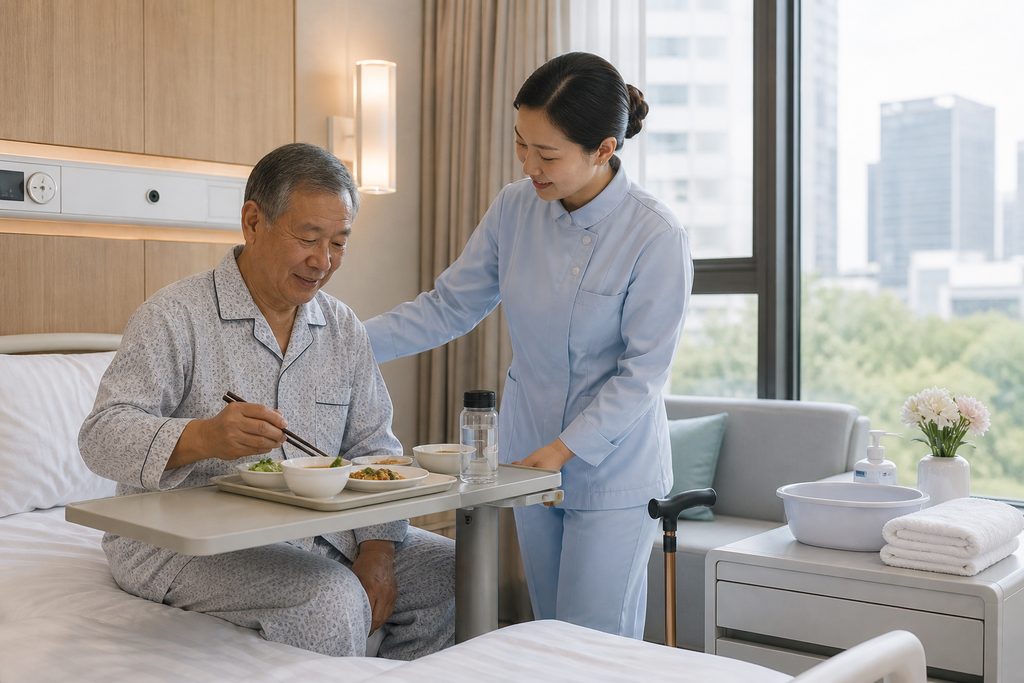
Can I Eat Normally During Cancer Treatment? Understanding Diet Restrictions in China
If you are preparing for chemotherapy, radiation, or surgery, the question of food becomes urgent quickly. Can you eat normally during cancer treatment? The short answer: mostly yes, but with important modifications. According to the Journal of Clinical Oncology, between 40% and 80% of cancer patients develop some degree of malnutrition during treatment, and dietary adjustments are a standard part of care in every major oncology center. When patients ask us about cancer treatment diet restrictions China, they are usually worried about two things: losing too much weight, and eating something that makes side effects worse. Both concerns are valid. Both are manageable.
Chinese oncology departments approach nutrition differently than many Western hospitals. Diet management is integrated into the treatment protocol from day one, not treated as an afterthought. At top-tier hospitals in Beijing and Shanghai, clinical nutritionists round with oncologists. Your meal tray is not random. It reflects your chemotherapy regimen, your blood counts, and your specific side-effect profile. This article explains what that looks like in practice, what restrictions actually matter, and how to keep eating when your body fights back.
Key Takeaways
- Most cancer patients can eat a largely normal diet, but specific restrictions apply during neutropenia, after certain surgeries, and with particular drug regimens.
- Chinese oncology hospitals integrate clinical nutrition into treatment planning, with dietitians adjusting meals based on blood counts and side effects.
- Malnutrition affects up to 80% of cancer patients and directly worsens treatment tolerance and survival outcomes.
- Food safety restrictions during chemotherapy are stricter than most patients expect, especially regarding raw produce and unpasteurized foods.
The Problem: Malnutrition and Food Fear During Treatment
A 2023 meta-analysis in Clinical Nutrition found that approximately 31% of cancer patients are already malnourished at diagnosis, even before treatment begins. Chemotherapy pushes that number higher. The reasons are mechanical: nausea suppresses appetite, mouth sores make chewing painful, altered taste makes food repulsive, and fatigue removes the energy to prepare meals. Patients then compound the problem by restricting their diet further out of fear — avoiding entire food groups based on internet advice that has no clinical basis.
What happens when malnutrition takes hold? Treatment outcomes decline measurably. Malnourished patients experience higher rates of chemotherapy toxicity, more treatment interruptions, longer hospital stays, and reduced overall survival. A study in The Lancet Oncology reported that patients who lost more than 5% of their body weight during treatment had significantly worse responses to therapy. The stakes are not cosmetic. They are clinical.
And then there is the information problem. Search for “cancer diet” and you will find thousands of contradictory claims. Sugar feeds cancer. Fasting cures it. Alkaline diets prevent recurrence. None of this is supported by evidence. Meanwhile, the actual, evidence-based dietary rules — the ones that matter for infection risk and wound healing — rarely make it into patient-facing content. That gap is what this article addresses.
Why Chinese Oncology Hospitals Excel at Dietary Management
China treats an enormous volume of cancer patients. The country records roughly 4.8 million new cancer cases annually, according to the World Health Organization’s GLOBOCAN database. That volume has forced Chinese hospitals to systematize nutrition in ways that smaller Western centers often cannot match. When you walk into the oncology ward of a Fudan-ranked hospital, you are entering a system where dietary management is protocolized, audited, and continuously refined.
Clinical Nutrition Is a Formal Department, Not a Consult Service
In most Chinese tertiary hospitals, the clinical nutrition department operates with the same institutional weight as radiology or pharmacy. Nutritionists attend tumor board meetings. They review patient charts daily. When an oncologist orders a chemotherapy regimen, the nutrition team adjusts the patient’s meal plan within 24 hours. This is not a suggestion box. It is integrated care.
For international patients, this matters because the dietitian’s recommendations follow you from hospital admission through discharge. If you are staying in a serviced apartment during outpatient chemotherapy, the nutrition plan goes with you. The hospital provides written guidance in English at most international departments.
Traditional Chinese Medicine Shapes the Dietary Approach
Chinese oncology nutrition draws on both Western clinical dietetics and traditional Chinese medicine (TCM) food therapy. TCM classifies foods by their thermal nature — warming, cooling, or neutral — and by their effect on the body’s systems. During chemotherapy, TCM practitioners often recommend easily digestible, warming foods like congee, bone broth, and stewed meats. These recommendations align surprisingly well with Western evidence on managing nausea and mucositis.
But the TCM influence is not mystical. It is practical. Many Chinese cancer patients receive acupuncture alongside chemotherapy specifically to manage nausea and appetite loss. The National Cancer Institute recognizes acupuncture as effective for chemotherapy-induced nausea. When combined with dietary adjustments, the effect on food intake is measurable. Patients who can eat more during treatment tolerate treatment better. That is the entire point.
For patients interested in exploring this integrated approach, our guide to traditional Chinese medicine hospitals explains what to expect from TCM-informed oncology care.
What Diet Restrictions Actually Apply During Cancer Treatment in China
Here is the honest picture. Most foods are safe. A small number of restrictions are non-negotiable. Others depend on your blood counts, your specific chemotherapy drugs, and whether you have had surgery. The rules below reflect standard practice at Chinese tertiary oncology centers and align with guidelines from the American Cancer Society and the European Society for Clinical Nutrition and Metabolism (ESPEN).
Neutropenic Diet: When Your Immune System Drops
Chemotherapy suppresses bone marrow function. When your absolute neutrophil count (ANC) drops below 500 cells per microliter, you are neutropenic. That means your immune system cannot fight off bacteria that would normally be harmless. During this window — typically 7 to 14 days after each chemo cycle — food safety restrictions tighten considerably.
Raw fruits and vegetables are off the table unless they can be peeled or thoroughly cooked. Unpasteurized dairy is banned. Deli meats, soft cheeses, raw sprouts, and undercooked eggs are all restricted. These are the same rules applied in American and European oncology wards. The difference in China is enforcement: hospital kitchens prepare neutropenic meals automatically based on your daily lab results, so you do not have to track your ANC and adjust your own menu.
This is one area where cancer treatment diet restrictions China are actually easier to follow than at home. The hospital does the thinking for you.
Drug-Specific Restrictions: What Your Chemotherapy Dictates
Certain chemotherapy agents create specific dietary rules. Oxaliplatin, a cornerstone drug for colorectal cancer, causes cold sensitivity. Patients receiving oxaliplatin must avoid cold foods and drinks for several days after each infusion. Ice water, cold fruit, even touching cold surfaces can trigger throat spasms and nerve pain. Chinese hospitals handle this by serving all meals warm and advising patients to avoid refrigerated items entirely during the acute window.
Methotrexate requires avoiding folate-rich foods in excess, since the drug works by interfering with folate metabolism. Tyrosine kinase inhibitors interact with grapefruit and Seville oranges through the CYP3A4 enzyme pathway. Your oncologist will tell you about these restrictions. The nutrition team will implement them. You do not need to memorize the pharmacology.
Post-Surgical Restrictions: Healing Before Eating
If your treatment includes surgery — common for breast, colorectal, gastric, and liver cancers — the immediate post-operative period involves a staged return to eating. Clear liquids first. Then full liquids. Then soft foods. Then regular diet. Chinese surgical wards follow this progression rigorously, and the hospital kitchen prepares each stage automatically.
For gastric or esophageal surgery, the restrictions are more prolonged and more specific. Small, frequent meals replace three large ones. Carbonated beverages are avoided. High-sugar foods are limited to prevent dumping syndrome. These rules persist for months after discharge, not days. A written discharge nutrition plan is standard at top Chinese hospitals.
Can I Eat Normally During Chemotherapy in Shanghai? A Realistic Timeline
Patients often ask us: can I eat normally during chemotherapy Shanghai? The honest answer depends on the week. Chemotherapy is cyclical. Your appetite and tolerance will fluctuate in a predictable pattern. Understanding that pattern removes the fear of the unknown.
Week 1 (Infusion week): Appetite is typically lowest. Nausea peaks 24 to 72 hours after infusion. You will eat less. That is expected. The goal is not normal eating — it is adequate hydration and small, frequent intake of easily tolerated foods. Congee, broth, steamed eggs, soft noodles. Chinese hospital kitchens excel at this stage because these are staple foods, not special requests.
Week 2 (Recovery week): Appetite begins to return. Blood counts start recovering. You can eat closer to normally, though taste changes may persist. Many patients report that foods taste metallic or bland during this period. Using ginger, garlic, and mild spices helps. Chinese cuisine offers an advantage here: the flavor profiles are already built around aromatics that stimulate appetite.
Week 3 (Normal week): For most patients, appetite returns to near-baseline before the next cycle. This is the window to eat aggressively. High-protein foods, calorie-dense meals, and favorite dishes. The goal is to build reserves before the next infusion. Your nutritionist will push you to eat more during this week, not less.
This cycle repeats with each round. Knowing the pattern makes it manageable. You are not failing when you eat less in week one. You are following a predictable biological rhythm.
What Nutrition Support Costs in China and What It Includes
International patients often ask about nutrition support for cancer patients China cost. The answer varies by hospital and by the level of support required. But the structural advantage is clear: nutrition support is bundled into the treatment plan, not billed as an endless series of separate consultations.
| Nutrition Service | Typical Cost in China (USD) | Typical Cost in USA (USD) |
|---|---|---|
| Initial nutrition assessment (inpatient) | Included in admission fee | $200–$400 (separate consult) |
| Daily dietitian rounds during hospitalization | Included in admission fee | $100–$250 per day |
| Outpatient nutrition follow-up | $30–$80 per visit | $150–$350 per visit |
| Oral nutritional supplements (per month) | $80–$200 | $200–$500 |
| Enteral nutrition (tube feeding, per day) | $40–$100 | $150–$400 |
These figures are ranges and vary by hospital and case complexity. The structural difference is not just price — it is frequency of contact. Chinese oncology dietitians see patients daily during admission, not weekly. That density of monitoring catches weight loss earlier and intervenes faster.
For patients researching best oncology hospitals in China for dietary management, the Fudan-ranked institutions with dedicated clinical nutrition departments are the right starting point. Hospitals like Fudan University Shanghai Cancer Center, Peking University Cancer Hospital, and Sun Yat-sen University Cancer Center all operate integrated nutrition services. Our oncology department rankings list the top specialty centers by subspecialty.
Managing Appetite Loss: Practical Strategies That Work
Appetite loss is the most common nutritional challenge during cancer treatment. It is also the most treatable. The strategies below are standard practice in Chinese oncology wards and supported by clinical evidence. If you are wondering how to manage appetite loss during cancer treatment abroad, start here.
Eat by schedule, not by hunger. Hunger signals become unreliable during chemotherapy. Waiting until you feel hungry means waiting too long. Chinese hospitals serve meals at fixed times for this reason. At home, set alarms. Eat small amounts every 2 to 3 hours regardless of appetite.
Liquid calories count. When chewing feels impossible, drink your nutrition. Chinese hospitals routinely prescribe oral nutritional supplements — commercial formulas like Ensure or Fresubin, or traditional preparations like bone broth and rice porridge enriched with egg. A bowl of congee with shredded chicken and ginger delivers protein, carbohydrates, and hydration in a form that requires almost no effort to consume.
Use acupuncture for nausea. The evidence for acupuncture in chemotherapy-induced nausea is strong enough that the National Cancer Institute lists it as a proven complementary therapy. Many Chinese cancer centers offer acupuncture on-site. Patients who receive acupuncture report better appetite and higher food intake during treatment. It is not a cure-all. But it is a tool with real data behind it.
Adjust texture before flavor. When taste changes make food unappealing, texture often matters more than seasoning. Soft, warm, moist foods are easier to eat than dry or crunchy ones. Steamed fish, braised tofu, congee, and soft-cooked eggs are staples of Chinese oncology menus precisely because they work. If you are preparing food at home during treatment in China, these are easy to source from any wet market or grocery delivery service.
Cancer Treatment Packages with Nutrition Plans: What to Expect
Some international patients seek cancer treatment packages with nutrition plan China. These packages exist, primarily through hospital international departments and private oncology centers. What should you expect?
A comprehensive package typically includes the medical treatment itself — surgery, chemotherapy, or radiation — plus supportive care: nutrition assessment, dietitian follow-up, symptom management, and sometimes TCM adjunctive therapy. The nutrition component is not a one-page handout. It is a structured plan with scheduled reviews, adjusted as your treatment progresses and your blood counts change.
But be cautious. Not all packages are equal. Before committing, ask specific questions. How often will a dietitian see you? Is the nutrition plan individualized or generic? What happens if you develop severe mucositis or uncontrolled nausea — who adjusts the plan and how quickly? A package that cannot answer these questions is not worth the premium.
At China Medical Services, we help patients evaluate these options before they commit. We are not a hospital. We do not provide medical advice or sell treatment packages. We help you understand what is available, what it costs, and whether it matches your clinical needs.
Practical Considerations: Documentation, Insurance, and Logistics
If you are traveling to China for cancer treatment, the dietary piece is one part of a larger logistical picture. Here is what you need to know.
Medical records: Bring everything. Pathology reports, imaging studies, prior chemotherapy regimens, and any nutrition-related documentation. Chinese oncologists will want a complete picture before recommending a treatment plan. If your records are not in English or Chinese, arrange certified translation before you travel.
Visa: Medical treatment in China requires an S2 visa, which is issued for short-term private affairs including medical treatment. Accompanying family members also apply for S2 visas. The hospital will provide an invitation letter and treatment confirmation to support your application. Processing times vary by embassy, so apply early. The S2 is not a guarantee of entry — it is a prerequisite that must be paired with complete documentation.
Payment: Public hospitals in China require prepayment for treatment. International departments accept major credit cards and bank transfers. Private international hospitals often bill insurance directly. If you have international health insurance, confirm coverage for treatment in China before you travel. Reimbursement for nutrition support varies by policy — some insurers cover it as part of hospitalization, others exclude it entirely.
Language: Top-tier Chinese hospitals have English-speaking staff in their international departments. But the moment you step outside that bubble — to a pharmacy, a grocery store, a local restaurant — English disappears. If you are managing dietary restrictions during outpatient treatment, you need someone who can read food labels, communicate with vendors, and explain your needs. A bilingual medical companion fills this gap. We offer this service from $300 per day, and it includes exactly this kind of practical support.
Follow-up after returning home: Your nutrition plan does not end when you leave China. Most hospitals provide a written discharge plan, but continuity of care requires coordination with your home oncologist. Request all records in English before departure. Schedule a follow-up with your local team within two weeks of returning.
Frequently Asked Questions
Generally yes, if you tolerate it and do not have mouth sores or severe nausea. Spicy food does not interfere with chemotherapy drugs. But if you have mucositis — inflammation of the mouth lining — spicy food will aggravate it. Let your symptoms guide you. Chinese hospital kitchens adjust spice levels based on your side-effect profile.
Will I lose weight during treatment in China?
For more medical information and treatment options in China, visit chinamedservices.com (China Medical Services).
