Sleeve Gastrectomy and Hunger: How Hormones Change After Surgery in China
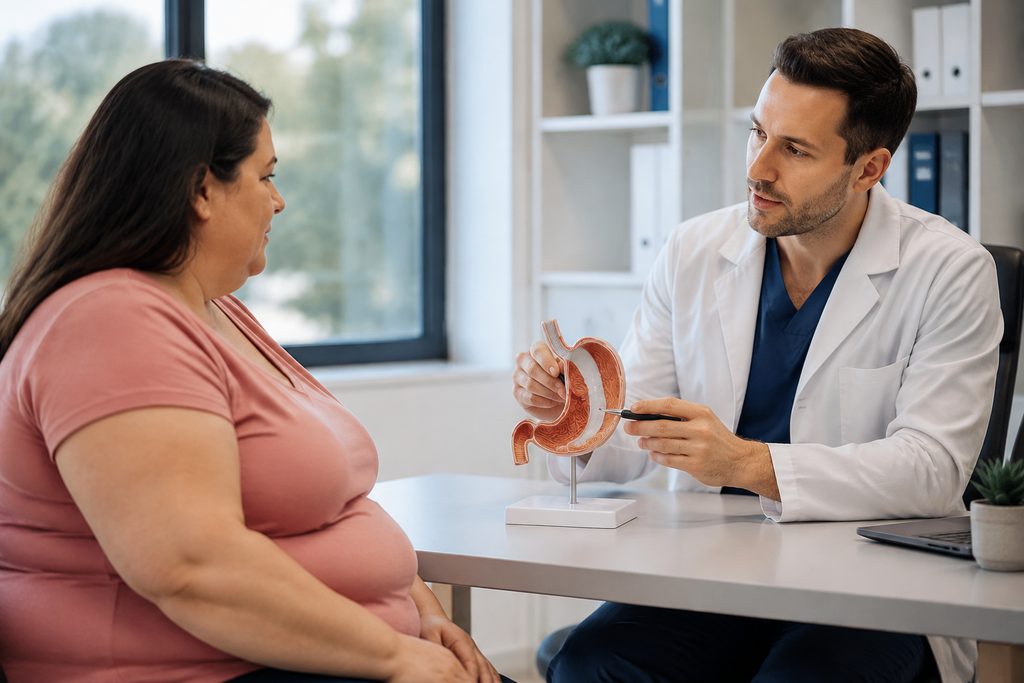
Ghrelin is the hormone that makes you feel hungry. After a sleeve gastrectomy, the portion of the stomach that produces most of your ghrelin is permanently removed. Studies show that fasting ghrelin levels can drop by 60% to 70% within the first month after surgery. That drop is not temporary. It stays low for years in most patients. This is why the procedure works differently than simply eating less. The surgery changes your biology, not just your stomach size. For patients researching gastric sleeve surgery cost China, understanding this hormonal mechanism matters. It explains why the operation has a long-term success rate that diet alone rarely matches.
You are not weak-willed. The hunger you feel is chemical. And the sleeve directly alters that chemistry.
How This Actually Works, Step by Step
You start by sending your medical records. These include your BMI documentation, any previous weight-loss attempts, blood work, and a note from your primary doctor confirming you are a candidate. Our team translates these documents into Chinese and forwards them to the bariatric department at a hospital you select from our database of top-ranked Chinese hospitals. A specialist reviews your file. Within 5 to 10 business days, you receive a written assessment. That assessment tells you whether you qualify, what pre-operative tests you need, and whether any additional screening is required first.
Then you have a video consultation. You speak directly with the surgical team. They explain the procedure, the risks, the expected weight loss, and the recovery timeline. You ask every question you have. Nothing is rushed. If both sides agree to proceed, we coordinate your hospital appointment. You apply for an S2 visa with the hospital’s invitation letter. You fly to China. You have your pre-operative tests on-site. Surgery happens within a few days of clearance. You stay in the hospital for 3 to 5 days. Then you recover in a nearby hotel for another week before flying home.
How Does Sleeve Gastrectomy Stop Hunger? The Hormonal Mechanism
The stomach is not just a bag that holds food. It is an endocrine organ. The fundus — the dome-shaped upper part of the stomach — contains specialized cells that produce ghrelin. Ghrelin travels through your bloodstream to your brain and signals the hypothalamus to trigger appetite. When you diet, your body fights back by increasing ghrelin production. That is why calorie restriction feels like a battle. You are fighting your own biochemistry.
A sleeve gastrectomy removes roughly 75% to 80% of the stomach, including almost the entire fundus. With the ghrelin-producing tissue gone, the hormone’s baseline level crashes. A 2019 meta-analysis in Obesity Surgery reviewed 38 studies and found that sleeve gastrectomy reduced fasting ghrelin by an average of 63% at 12 months post-op. Some patients see even larger drops. The result is not just a smaller stomach. It is a quieter hunger signal.
But there is more. The surgery also accelerates gastric emptying. Food leaves the smaller stomach faster and reaches the lower intestine sooner. This triggers the release of GLP-1 and PYY — two satiety hormones that tell your brain you are full. So the sleeve does two things at once. It removes the hunger hormone. And it amplifies the fullness hormones. That combination is why patients report feeling satisfied with much smaller portions.
Does Gastric Sleeve Reduce Hunger Long Term?
Short answer: yes, for most patients. Long-term studies tracking patients 5 to 10 years after surgery show that ghrelin levels remain significantly lower than pre-operative baselines. A 2021 study in Surgery for Obesity and Related Diseases followed 112 patients for 7 years. Average ghrelin reduction at year 7 was still 48% below baseline. That is lower than the 60%+ seen at month 6, but still clinically meaningful.
Why does it creep back up slightly? The remaining stomach tissue can adapt. Some ghrelin is also produced in the duodenum and pancreas, though in smaller amounts. And the body is resilient. It tries to restore homeostasis. But the rebound is modest. Patients rarely return to their pre-surgery hunger levels. Most describe a permanently altered relationship with food. They eat because they need fuel, not because they are driven by craving.
And here is what surprises many patients: the reduction in hunger is often immediate. Within the first week after surgery, before any significant weight loss has occurred, patients report feeling less interested in food. That is the hormonal shift in action. It is not psychological. It is not placebo. The ghrelin source has been physically removed.
A Realistic Timeline
Planning is everything. Here is what the process looks like for an international patient coming to China for a sleeve gastrectomy, including the steps people tend to forget.
| Stage | What Happens | Typical Duration |
|---|---|---|
| Week 1–2 | You send medical records; we translate and forward to hospital | 3–7 business days for translation |
| Week 2–4 | Specialist review and written assessment | 5–10 business days |
| Week 4–6 | Video consultation with surgical team | Scheduled within 1–2 weeks of assessment |
| Week 6–10 | S2 visa application with hospital invitation letter | 5–15 business days, embassy-dependent |
| Week 10–12 | Arrival, pre-operative testing, surgery | 3–5 days in hospital |
| Month 1–3 | Recovery at home, liquid to soft diet progression | Ongoing; follow-up via video call |
| Month 3–12 | Weight loss phase; most patients lose 50–70% of excess weight | Peak loss typically by month 12–18 |
The steps people forget: document translation takes real time. Do not book flights before the visa is approved. And the pre-operative liquid diet — usually 1 to 2 weeks — is mandatory to shrink the liver and reduce surgical risk. Skipping it can lead to surgery cancellation.
What Can Go Wrong — and What Happens Then
This is not a risk-free procedure. Let’s be direct about the failure modes.
Staple line leak. This is the most serious early complication. It happens in roughly 1% to 2% of sleeve gastrectomies. It means the staple line where the stomach was divided does not seal properly. Symptoms include fever, rapid heart rate, and abdominal pain within the first week. Treatment requires immediate re-operation or endoscopic stenting. In a top Chinese hospital with high bariatric volume, the leak rate is at the lower end of that range. But it is never zero.
Stricture. The sleeve can narrow over time, making it hard to eat. This occurs in about 1% to 3% of patients. It is treated with endoscopic dilation — a relatively simple procedure. But it requires another hospital visit. If you are back home, your local gastroenterologist can handle it.
Acid reflux. Some patients develop new or worsening GERD after the sleeve. The smaller stomach increases pressure, which can push acid upward. Estimates vary, but 15% to 30% of patients report reflux symptoms post-op. Most manage it with medication. A minority eventually convert to a gastric bypass. This is a real consideration, not a footnote.
Weight regain. The sleeve is a tool, not a cure. Some patients regain weight after year 3. This usually happens when eating habits drift back toward high-calorie, low-volume foods. The hormonal advantage persists, but it can be overridden. The patients who do best are the ones who commit to lifelong follow-up.
If any of these complications occur in China, the hospital handles it. That is why choosing a high-volume bariatric center matters. Complication management is better where surgeons see hundreds of sleeves per year, not dozens. And that brings us to the next question: how do you pick the right hospital?
Best Bariatric Hospital China for Sleeve: What to Look For
China has over 35,000 hospitals. A small fraction are equipped for high-quality bariatric surgery. The top centers are concentrated in Beijing, Shanghai, and Guangzhou. What separates them is not just surgical skill. It is volume, multidisciplinary support, and experience with international patients.
Look for three things. First, annual bariatric case volume. A center performing 300+ sleeves per year has seen every complication and knows how to prevent them. Second, a dedicated bariatric team — surgeon, endocrinologist, dietitian, and psychologist. Sleeve surgery is not just an operation. It is a metabolic intervention. The best outcomes come from teams that manage the whole patient. Third, an international patient department. You need English-speaking staff, translated documents, and a clear protocol for foreign patients. Not every top surgical center has this. The ones that do are listed in our bariatric surgery department rankings.
Shanghai and Beijing dominate the list. Both cities have multiple hospitals with bariatric programs that meet international standards. The choice often comes down to logistics. Which city has direct flights from your country? Which hospital has the shortest waiting time for your preferred dates? These practical factors matter as much as reputation.
Gastric Sleeve Surgery Cost China: The Numbers
Let’s talk about the actual price. In the United States, a sleeve gastrectomy costs between $15,000 and $25,000 for uninsured patients. In the UK, private sleeve surgery runs £10,000 to £15,000. In China, the gastric sleeve surgery cost China for international patients typically ranges from $8,000 to $15,000 at top-tier public hospitals using their international VIP departments. At private international hospitals like those in our JCI-accredited network, the price ranges from $12,000 to $20,000. The difference reflects service level, English-speaking staff availability, and room standards.
What does that price include? At most hospitals, the surgical package covers the operation, anesthesia, hospital stay of 3 to 5 days, standard medications, and basic post-op follow-up. It does not include flights, hotel stays before and after hospitalization, visa fees, or translation services. Those add another $2,000 to $4,000 depending on your travel style and how much support you need.
If you want a book gastric sleeve surgery Shanghai package that bundles everything — hospital, hotel, airport transfer, bilingual companion, and follow-up coordination — expect to pay on the higher end of the range. The convenience is real. One payment. One point of contact. No navigating a Chinese hospital alone.
| Country / Setting | Typical Sleeve Gastrectomy Cost (USD) |
|---|---|
| United States (uninsured) | $15,000 – $25,000 |
| United Kingdom (private) | $13,000 – $19,000 |
| China — top public hospital, international department | $8,000 – $15,000 |
| China — private international hospital (JCI) | $12,000 – $20,000 |
Prices vary by hospital and case complexity. A patient with a BMI over 50, previous abdominal surgery, or significant comorbidities will pay more. The quote you get after your records are reviewed is the only number that matters.
Is Sleeve Gastrectomy Safe for International Patients?
The short answer is yes, provided you go through a legitimate medical coordination pathway. Thousands of international patients undergo surgery in China every year. The top hospitals have protocols for foreign patients that include translated consent forms, English-speaking nursing staff, and post-discharge video follow-up. But safety depends on preparation.
Three things make it safe. First, proper pre-operative screening. You need a cardiac evaluation, sleep apnea assessment, and liver ultrasound before surgery. Skipping these increases risk. Second, an experienced surgical team. Bariatric surgery is technically demanding. A surgeon who has done 1,000 sleeves is safer than one who has done 50. Third, a clear post-operative plan. You cannot just fly home and figure it out. You need diet progression guidance, vitamin supplementation protocols, and scheduled follow-up calls.
The risk profile for international patients is not fundamentally different from local patients. The complications are the same. The difference is logistics. Language barriers, unfamiliar hospital systems, and distance from home all add stress. That is why having a bilingual medical companion during your hospital stay changes the experience. You are not alone in a foreign system. You have someone who knows how the hospital works, where to go, and what to ask.
Practical Considerations: Visas, Payment, and Follow-Up
For medical travel to China, you need an S2 visa. This is the short-stay visa category used for private affairs, including medical treatment. Your hospital provides an invitation letter that you submit with your application. Processing times vary by embassy. Apply at least 4 to 6 weeks before your planned travel date. Do not book non-refundable flights until the visa is approved.
Payment is almost always upfront. Chinese public hospitals require a deposit before surgery. The amount depends on the estimated total cost. International insurance is rarely accepted for direct billing at public hospitals. You pay, then claim reimbursement from your insurer. Private international hospitals are different. Many have direct billing agreements with major insurers. If you have coverage, check whether your policy covers bariatric surgery abroad. Most do not. Be prepared to self-pay.
Follow-up after you return home is essential. You need blood work at months 1, 3, 6, and 12 to monitor vitamin levels, particularly B12, iron, and vitamin D. Your local doctor can handle this. The Chinese surgical team will schedule video consultations to review your progress. This continuity matters. Patients who skip follow-up have higher complication rates and more weight regain.
Frequently Asked Questions
Most patients lose 50% to 70% of their excess body weight within 12 to 18 months. A patient who is 100 pounds overweight can expect to lose 50 to 70 pounds. Individual results vary based on age, starting weight, and adherence to dietary guidelines.
Some hunger returns, but it is usually much weaker than before surgery. The hormonal change is permanent for most patients. What you experience is more like a mild signal to eat rather than the intense, driving hunger you had before.
In China, bariatric surgery is typically offered to patients with a BMI of 32.5 or higher who have obesity-related conditions like type 2 diabetes, or a BMI of 37.5 or higher without comorbidities. These thresholds are slightly lower than Western guidelines. A specialist review of your records will confirm eligibility.
Your local healthcare system manages the complication. The Chinese surgical team remains available for video consultation and will share your complete surgical records with your home doctor. This is why choosing a hospital that provides comprehensive discharge documentation is critical.
Plan for 14 to 21 days total. That includes pre-operative testing, the surgery itself, hospital recovery, and a week of observation before flying. Flying too soon after abdominal surgery increases the risk of blood clots. Most surgeons recommend waiting at least 7 to 10 days after discharge before a long-haul flight.
Your Next Step
The sleeve works because it removes the source of your hunger hormone. That is a biological fact, not a marketing claim. Whether the procedure is right for you depends on your BMI, your medical history, and your commitment to lifelong follow-up. Our team at China Medical Services helps international patients connect with top-tier bariatric centers in China. We handle record translation, hospital coordination, and on-the-ground support. We do not perform surgery and we do not promise outcomes. If you want to know whether a Chinese bariatric program is a realistic option for you, start with a free consultation. Send your records. Get an honest assessment. Then decide.
For more medical information and treatment options in China, visit chinamedservices.com (China Medical Services).
