What Is a Heart-Lung Machine? Cardiac Surgery Costs in China Explained
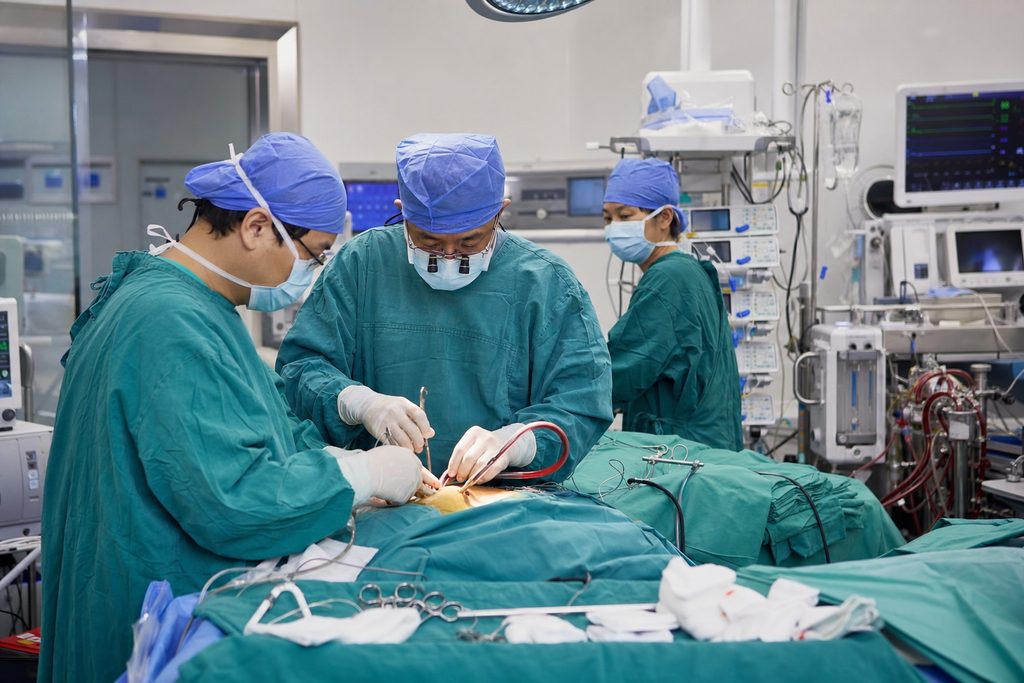
Have you ever wondered what actually keeps your body alive while a surgeon stops your heart to repair it? The answer sits in a machine the size of a small refrigerator, quietly oxygenating your blood when your own lungs cannot. For many Western patients facing open-heart surgery, the question is not just “what is a heart lung machine used for” — it is also about the staggering price tag attached to the procedure. A coronary artery bypass graft in the United States routinely exceeds $120,000. The same surgery in a top-tier Chinese cardiac center, using the same class of heart-lung bypass technology, typically runs between $12,000 and $20,000. That gap explains why an increasing number of international patients now look toward China.
Key Takeaways
- A heart-lung machine temporarily takes over the function of the heart and lungs during open-heart surgery, oxygenating blood and pumping it through the body.
- Heart lung machine cardiac surgery cost China ranges from $12,000 to $20,000 at top public hospitals, roughly one-fifth to one-tenth of comparable US pricing.
- China’s leading cardiac centers, such as Fuwai Hospital in Beijing, perform over 14,000 cardiac surgeries annually — volume that correlates with lower complication rates.
- Foreign patients cannot simply book surgery online; they must first obtain a written second opinion or video consultation, then travel on an S2 visa for in-person evaluation.
The Problem: Cardiac Surgery Costs Are Pushing Patients Into Debt
Open-heart surgery is not a luxury. It is a lifesaving intervention that roughly 400,000 Americans undergo each year for coronary artery bypass grafting alone, according to the Society of Thoracic Surgeons. Yet the financial burden has become a medical crisis in its own right. A 2021 study published in the Journal of the American Heart Association found that even among insured US patients, out-of-pocket costs for major cardiac surgery averaged over $5,000, with many families reporting medical debt exceeding $10,000. For the uninsured or underinsured, the full bill can climb past $150,000 at major academic medical centers.
Wait times add another layer of pressure. In Canada’s public system, the median wait for elective coronary bypass surgery reached 13.3 weeks in 2023, according to the Fraser Institute. In the United Kingdom, the National Health Service reported that over 30% of cardiac surgery patients waited more than 18 weeks from referral to treatment in 2022. For someone with triple-vessel disease, that delay is not an inconvenience. It is a daily risk of myocardial infarction.
So patients start searching. They type “is heart lung machine safe in China” into Google at 2 a.m. They wonder whether a country 7,000 miles away could offer the same technology, the same safety protocols, the same outcomes — for a fraction of the price. The short answer is yes, with careful hospital selection. The longer answer requires understanding what the machine does, how Chinese cardiac centers use it, and what the real logistics look like.
What Is a Heart-Lung Machine Used For? The Basics Before the Billing
Before comparing prices, a patient needs to understand the device at the center of the procedure. A heart-lung machine, formally called a cardiopulmonary bypass (CPB) machine, takes over two critical functions during open-heart surgery. First, it pumps blood through the body when the surgeon stops the heart to operate on a still field. Second, it oxygenates that blood and removes carbon dioxide, effectively replacing the lungs for the duration of the bypass period — typically two to four hours.
The machine works by diverting venous blood from the right atrium through a cannula, running it through a membrane oxygenator, and returning it to the aorta. A perfusionist — a specialized technician — monitors flow rates, oxygen saturation, temperature, and anticoagulation throughout the procedure. The patient is placed on heparin to prevent clotting inside the circuit. This is not experimental technology. The first successful clinical use of cardiopulmonary bypass occurred in 1953, when Dr. John Gibbon used his own design to close an atrial septal defect. Today, over one million cardiac surgeries worldwide use CPB annually.
What Conditions Require Cardiopulmonary Bypass?
The heart-lung machine is used for a specific set of procedures. Coronary artery bypass grafting (CABG) is the most common, especially when multiple vessels are blocked. Valve repair or replacement — aortic, mitral, tricuspid — requires a bloodless, motionless surgical field, which only CPB can provide. Congenital heart defect repairs in children and adults, aortic aneurysm repairs, and heart transplantation all depend on the machine. Some minimally invasive procedures use a modified version called mini-bypass. But the core principle remains: temporarily replace heart and lung function so the surgeon can work safely.
Heart Lung Machine Cardiac Surgery Cost China: The Structural Reasons for the Gap
The price difference between Chinese and Western cardiac surgery is not a discount for lower quality. It is a structural difference in how healthcare is financed and delivered. Understanding this matters because it directly answers the question of whether lower cost means higher risk.
Volume Creates Proficiency
Fuwai Hospital in Beijing, the largest cardiovascular specialty hospital in the world, performs over 14,000 cardiac surgeries annually. That is more than the total cardiac surgery volume of many entire European countries. Zhongshan Hospital in Shanghai, affiliated with Fudan University, handles over 4,000 open-heart cases per year. When a surgical team performs a procedure hundreds of times annually, the learning curve flattens. A 2019 study in The Annals of Thoracic Surgery found that hospitals performing more than 200 CABG procedures per year had significantly lower 30-day mortality than lower-volume centers. Chinese top-tier cardiac centers exceed that threshold many times over.
Labor and Operational Economics Differ
A US hospital’s cost structure includes American physician salaries, administrative overhead that consumes roughly 25% of healthcare spending, malpractice insurance premiums, and billing complexity. Chinese public hospitals operate on a different model. Physician salaries are lower — a senior cardiac surgeon in Beijing earns a fraction of a US counterpart’s compensation, though still a high income by Chinese standards. Hospital administrative costs are leaner. Malpractice litigation is far less common. These factors, combined with government price controls on medical devices and pharmaceuticals, compress the cost of a heart-lung bypass procedure without compressing the technology used.
| Procedure | China (Top Public Hospital) | United States (Average) | Savings |
|---|---|---|---|
| Coronary Artery Bypass Graft (CABG) | $12,000 – $20,000 | $120,000 – $180,000 | 85 – 90% |
| Aortic Valve Replacement (Mechanical) | $15,000 – $25,000 | $130,000 – $200,000 | 85 – 90% |
| Mitral Valve Repair | $14,000 – $22,000 | $110,000 – $175,000 | 85 – 90% |
| Congenital Defect Repair (Adult) | $10,000 – $18,000 | $100,000 – $160,000 | 85 – 90% |
Prices vary by hospital and case complexity. The figures above reflect published ranges at public tertiary hospitals with international departments. Private international hospitals in Shanghai or Beijing — such as Jiahui or United Family — charge more, typically $30,000 to $60,000 for the same procedures, but offer English-speaking staff throughout and direct insurance billing.
Best Hospitals in China for Open Heart Surgery With Heart Lung Machine
Hospital selection is the single most important decision a foreign patient makes. China has over 35,000 hospitals, but only a small fraction — the top 5% — are ranked by Fudan University’s hospital ranking system or accredited by JCI. For cardiac surgery specifically, the list narrows further. The Fudan specialty reputation rankings place a handful of hospitals in the top tier for cardiovascular surgery.
Fuwai Hospital in Beijing is the undisputed leader. It is a cardiovascular specialty hospital, not a general hospital with a cardiac department. Every resource — ICU beds, perfusionists, operating rooms, nursing staff — is dedicated to heart surgery. The hospital performs more heart-lung bypass procedures annually than any other institution globally. For a patient asking “best hospitals in China for open heart surgery with heart lung machine,” Fuwai is the first answer.
Zhongshan Hospital in Shanghai is the second major center. Affiliated with Fudan University, it combines high cardiac surgery volume with a strong international patient department. Ruijin Hospital, also in Shanghai, has an excellent cardiac surgery program. In Guangzhou, Guangdong Provincial People’s Hospital ranks highly. West China Hospital in Chengdu serves as the western hub. Each of these hospitals has an international medical center that handles foreign patient registration, provides interpretation, and coordinates with cardiac surgery departments.
For patients who want English-speaking staff throughout their stay, private international hospitals offer a different experience. JCI-accredited private hospitals in Beijing and Shanghai provide Western-style care with direct insurance billing, though at higher prices. The trade-off is convenience versus cost. Many patients choose a hybrid approach: surgery at a top public hospital like Fuwai, with a bilingual medical companion handling logistics.
Is Heart Lung Machine Safe in China? The Data Behind the Question
Safety is the hardest question to answer honestly, because the answer depends entirely on which hospital you choose. A heart-lung machine is a heart-lung machine — the same Terumo, Medtronic, or Maquet devices used in the US and Europe are used in Chinese operating rooms. The variable is not the equipment. It is the team running it.
At top-tier Chinese cardiac centers, safety outcomes are comparable to Western benchmarks. Fuwai Hospital reports a 30-day mortality rate for isolated CABG of approximately 0.5–1.0%, in line with Society of Thoracic Surgeons data for high-volume US centers. A 2020 study in The Journal of Thoracic and Cardiovascular Surgery analyzing over 50,000 CABG cases in China found that hospitals in the Fudan top-tier category had outcomes statistically indistinguishable from high-volume Western centers. The key phrase is “top-tier.” A low-volume county hospital in China is not the same as Fuwai. The same is true in the US — a 50-case-per-year community hospital is not the Cleveland Clinic.
Complication rates for cardiopulmonary bypass itself — stroke, acute kidney injury, bleeding — are driven by patient age, comorbidities, and bypass time, not by geography. A 65-year-old diabetic with renal impairment carries the same risk in Shanghai as in Boston. What differs is the price of managing those risks.
Do not choose a hospital based on price alone. A patient asking “is heart lung machine safe in China” should ask instead: “Which Chinese hospitals have JCI accreditation or Fudan top-tier cardiac surgery rankings, and what are their published outcome data?” The answer to that question is reassuring. The answer to the first question, without hospital specificity, is meaningless.
Heart Lung Bypass Machine Surgery Price Shanghai: A Closer Look
Shanghai is often the preferred entry point for foreign patients. It has direct flights from most major Western cities, a large expatriate community, and two of China’s best cardiac centers. The heart lung bypass machine surgery price Shanghai patients encounter depends on which hospital tier they select.
At Zhongshan Hospital’s international department, a CABG procedure typically costs $15,000 to $20,000 for the surgery itself, excluding pre-operative evaluation and post-operative ICU days. The same procedure at Ruijin Hospital runs slightly lower, $13,000 to $18,000. These figures include the heart-lung machine usage, surgeon fees, standard ICU stay, and basic medications. They do not include international patient service fees, interpretation, or extended ICU stays beyond the standard period. A private international hospital in Shanghai — Jiahui or Parkway — charges $35,000 to $55,000 for the same procedure, which is still half of US pricing but significantly more than the public option.
Beijing pricing is similar. Fuwai Hospital’s international department quotes $14,000 to $22,000 for CABG depending on the number of grafts. Aortic valve replacement runs slightly higher due to the prosthetic valve cost. The key variable is always case complexity. A straightforward three-vessel bypass in a 55-year-old non-smoker costs less than a redo surgery in a 70-year-old with prior stents and poor ventricular function.
How the Process Actually Works: From Overseas Inquiry to Surgery Date
The biggest misconception foreign patients have about Chinese cardiac surgery is that they can book a date online, fly over, and walk into the operating room. That is not how Chinese public hospitals work. The process is staged, and understanding the stages prevents frustration.
Stage one is remote evaluation. The patient sends existing medical records — echocardiogram reports, coronary angiography images, CT scans, blood work — to the hospital’s international department or to a coordination service. A cardiac surgeon reviews the materials and issues a written second opinion. This typically costs $300 to $500 at a top-tier hospital and takes five to ten business days. The written opinion is for reference only, not a prescription. It tells the patient whether surgery is indicated, what procedure is recommended, and whether the hospital is willing to take the case.
Stage two is video consultation. For $500 to $800, the patient speaks directly with the cardiac surgery team. This is where the surgeon asks about symptoms, explains the proposed approach, and answers questions about risks, recovery, and expected outcomes. It is also where the patient can gauge the surgeon’s communication style and confidence. No reputable hospital will schedule surgery without this step.
Stage three is in-person evaluation. The patient travels to China on an S2 visa — the short-stay visa category used for medical treatment and private affairs. The hospital’s international department arranges the outpatient visit, where the surgeon examines the patient face-to-face and orders any additional testing. Only after this evaluation does the hospital schedule a surgery date. Public hospitals cannot guarantee a specific date in advance. The international department coordinates with the surgical team to minimize wait time, but the rule is: outpatient evaluation first, surgery scheduling second.
Stage four is admission and surgery. The patient is admitted one to three days before surgery for final preparation. The heart-lung machine team — perfusionist, anesthesiologist, ICU nurses — conducts pre-operative briefings. Surgery day is the culmination of weeks of preparation. Post-operative ICU stay for CABG is typically one to two days, followed by five to seven days in a regular ward before discharge.
What Recovery Looks Like: The First Six Weeks After Bypass
Recovery from open-heart surgery using a heart-lung machine follows a predictable trajectory, though individual variation is significant. Week one is spent in the hospital. The sternum — the breastbone split to access the heart — is the primary source of pain. Patients are encouraged to walk within 24 to 48 hours after extubation. The heart-lung machine itself can cause temporary cognitive fogginess, sometimes called “pump head,” which usually resolves within days to weeks.
Weeks two through four are the fragile period. The sternum is healing but not fused. Patients must avoid lifting anything heavier than five kilograms, must not drive, and must sleep on their back. Cardiac rehabilitation — supervised exercise, dietary counseling, medication management — begins during this period. Chinese hospitals typically discharge international patients after seven to ten days, with a written discharge summary in English and a medication list.
Weeks five and six mark the transition to normal activity. Most patients can fly home at the four-week mark, though a cardiology follow-up before departure is standard. The hospital provides remote follow-up for international patients — usually via video call at one month, three months, and one year post-surgery. Any complications that arise after returning home are managed by the patient’s local cardiologist, with the Chinese surgical team available for consultation.
Practical Considerations: Visa, Payment, and Documentation for China Cardiac Surgery
The logistics of traveling to China for open-heart surgery are manageable but require advance planning. The visa is the first hurdle. Foreign patients use the S2 visa, a short-stay category covering medical treatment and private affairs. The hospital’s international department issues an invitation letter and treatment confirmation, which the patient submits with the visa application. Family members accompanying the patient apply for their own S2 visas. Processing time varies by embassy, but four to six weeks is a safe planning window. The S2 visa typically allows a stay of up to 180 days, which covers the full treatment and recovery period.
Payment is the second consideration. Chinese public hospitals require pre-payment — typically a deposit covering the estimated surgery cost, with the balance settled before discharge. International bank transfers are accepted, as are major credit cards at international departments. Personal checks are not. Travel insurance does not cover elective surgery abroad. Some international health insurance plans cover treatment in China, but patients must verify coverage before committing. Most patients pay out of pocket and seek reimbursement afterward.
Documentation is the third pillar. The patient must bring all original imaging — not just reports, but the actual DICOM files on a CD or USB drive. Coronary angiography videos are essential for
Frequently Asked Questions
Yes. The hospitals used for international patients are JCI-accredited and follow the same international safety standards as top hospitals in the US and Europe. Surgical teams perform high volumes of procedures — often more than their Western counterparts — which studies show leads to better outcomes.
Costs vary by procedure and hospital, but international patients typically save 40-80% compared to US prices — even when factoring in travel and accommodation. A consultation with our team will give you an exact, all-inclusive quote with no hidden fees.
Send us your existing medical reports to get started. We handle everything from hospital selection and appointment scheduling to visa assistance and post-operative recovery planning. Your medical records are reviewed by the specialist before you even book a flight.
For more medical information and treatment options in China, visit chinamedservices.com (China Medical Services).
