Is Rehabilitation Needed After Brain Surgery? The Evidence, Timeline, and Where to Get It
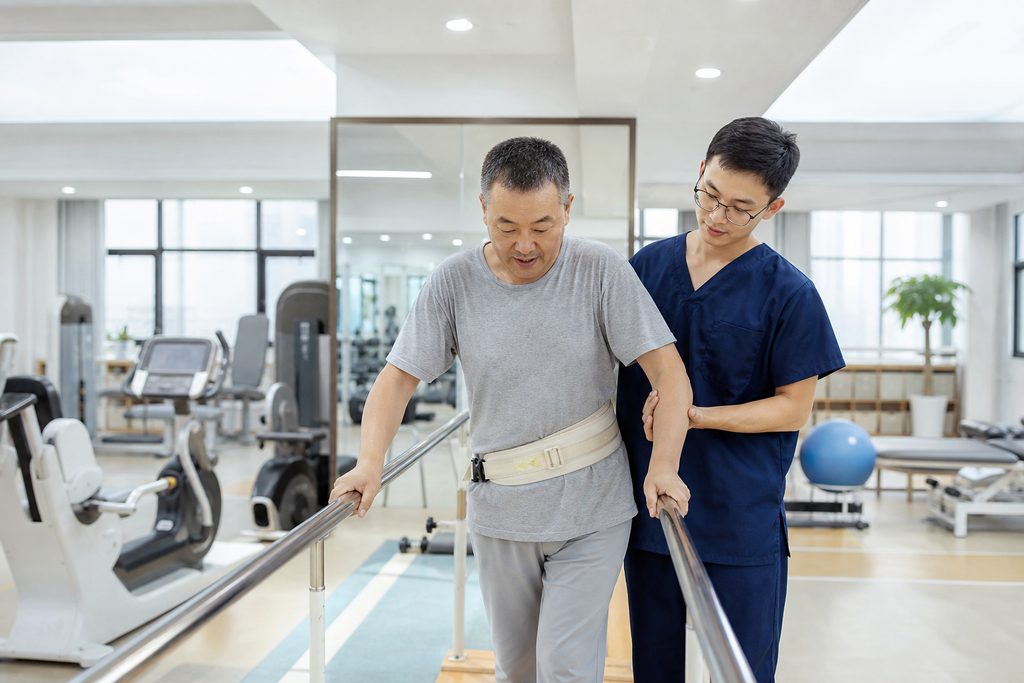
You have probably heard that brain surgery ends when the surgeon closes the incision. That belief is not just wrong — it is dangerous. The operation removes a tumor, clips an aneurysm, or relieves pressure. But the brain does not simply “bounce back.” It must relearn. It must rewire. And without structured rehabilitation, even a technically perfect surgery can leave a patient functionally disabled for years.
The question is not really “Is rehabilitation needed after brain surgery?” The evidence says yes, almost always. The real questions are how much, for how long, and where you can access it without bankrupting your family. For patients weighing brain surgery rehabilitation cost China against Western programs, the numbers tell a compelling story. But cost is only one variable. Timing, intensity, and the quality of the rehabilitation team matter just as much.
This article explains what the medical literature actually says about post-neurosurgical rehabilitation, what a realistic recovery timeline looks like, and how international patients evaluate structured neuro rehab programs in China.
Key Takeaways
- Approximately 70% of patients who undergo brain tumor resection experience at least one neurological deficit — motor, speech, cognitive, or visual — that requires structured rehabilitation to improve.
- Rehabilitation started within 48–72 hours after surgery is associated with significantly better functional outcomes at 6 months compared to delayed rehab.
- Brain surgery rehabilitation in China typically costs 60–80% less than comparable inpatient neuro rehab programs in the United States or Western Europe, with comparable therapy intensity.
- Rehabilitation is not optional for most patients — but the type, duration, and location should be based on the specific lesion, the patient’s baseline function, and realistic goals, not on a one-size-fits-all protocol.
The Problem: Brain Surgery Does Not End in the Operating Room
A 2021 study published in Neuro-Oncology Practice found that 68% of glioma patients experienced clinically significant cognitive impairment within three months of surgery. Motor deficits were present in 39% of patients. Speech and language problems affected roughly one in four. These are not rare complications — they are the expected consequence of cutting into the most complex organ in the human body.
What happens if a patient skips rehabilitation? The deficits do not simply resolve on their own. A 2019 systematic review in the Journal of Neuro-Oncology reported that untreated post-surgical cognitive impairment tends to persist or worsen over 12 months. Patients lose independence. They cannot return to work. Family members become full-time caregivers. The financial cost of not rehabilitating a brain surgery patient — in lost income, home modifications, and long-term care — frequently exceeds the cost of the rehabilitation itself.
And this is where the international patient faces a brutal reality. In the United States, a comprehensive inpatient brain injury rehabilitation program costs between $1,600 and $3,500 per day. A typical 30-day stay runs $48,000 to $105,000. Many insurance plans cap coverage at 20 days. In the UK, NHS neuro rehab waiting lists routinely stretch 6 to 12 months for non-acute cases. By the time a bed opens, the window of maximum neuroplasticity has closed.
Why Structured Rehabilitation After Brain Surgery Delivers Results
The science here is not ambiguous. The brain has a limited window of heightened plasticity after injury or surgery — roughly the first 3 to 6 months. During this period, targeted therapy produces measurably larger gains than the same therapy delivered later. A 2018 meta-analysis in Neurorehabilitation and Neural Repair found that early, intensive rehabilitation after brain tumor surgery improved functional independence scores by an average of 22 points on the Functional Independence Measure (FIM), compared to 9 points for delayed rehab.
Early Mobilization Changes Trajectories
Getting a patient out of bed within 48 hours of surgery is not just good nursing — it is a neurological intervention. Early mobilization reduces the risk of pneumonia, deep vein thrombosis, and muscle wasting. But more importantly, it signals to the brain that movement is still possible. Patients who begin physical therapy within the first week after craniotomy show significantly better gait recovery at 3 months than those who wait two weeks or more. This is why top neuro rehab centers in Shanghai and Beijing integrate physiotherapy into the neurosurgery ward itself, rather than waiting for transfer to a separate rehab facility.
Volume and Specialization Matter
Neuro rehabilitation is not generic physical therapy. It requires speech-language pathologists who understand aphasia after left temporal lobe surgery. It requires occupational therapists trained in visual field deficits after occipital or parietal lesions. It requires neuropsychologists who can separate tumor-related cognitive changes from treatment effects. High-volume centers see hundreds of post-craniotomy patients per year. Their teams recognize patterns that a general rehab facility sees once a month.
In China, the top-ranked neurosurgery departments — such as those at Huashan Hospital in Shanghai and Beijing Tiantan Hospital — discharge thousands of brain surgery patients annually. The affiliated rehabilitation departments are built specifically for this population. That concentration of clinical volume is hard to replicate elsewhere.
Cost Structure Without Quality Compromise
Let us address the obvious concern directly. Lower cost does not mean lower quality. The structural reasons why brain surgery rehabilitation cost China is lower are straightforward: lower labor costs for therapists and nurses, higher patient-to-therapist ratios made feasible by volume, and hospital infrastructure built at scale. A comprehensive inpatient neuro rehab program in a top Chinese hospital typically runs $300 to $700 per day — roughly one-fifth to one-quarter of the US equivalent. A 30-day stay might cost $9,000 to $21,000, compared to $48,000 to $105,000 in the US. These are real numbers, and they matter to families who have already paid for brain surgery.
How Long Is Rehabilitation After Brain Surgery? A Realistic Timeline
There is no single answer to how long is rehabilitation after brain surgery. It depends on the lesion location, the extent of resection, the patient’s age and baseline function, and the type of deficit. But a general framework helps set expectations.
| Phase | Timeline | Focus | Typical Setting |
|---|---|---|---|
| Acute inpatient rehab | Days 1–14 post-surgery | Mobilization, swallowing, basic ADLs, early cognitive stimulation | Neurosurgery ward or acute rehab unit |
| Subacute intensive rehab | Weeks 2–8 | Gait training, speech therapy, occupational therapy, cognitive remediation | Inpatient rehab facility or day hospital |
| Outpatient rehab | Months 2–6 | Return to work skills, driving assessment, higher-level cognitive tasks | Outpatient clinic, 3–5 sessions per week |
| Maintenance and community reintegration | Months 6–12+ | Fatigue management, psychosocial adjustment, vocational retraining | Community-based or telehealth |
Most patients require at least 8 to 12 weeks of structured rehabilitation to achieve meaningful functional gains. Some require six months or longer. The patients who do best are those who start early, attend consistently, and work with therapists who specialize in neurological conditions — not general orthopedics or sports medicine.
Is Rehab Necessary After Brain Tumor Removal? What the Tumor Type Changes
The short answer is yes — but the kind of rehab depends heavily on the tumor. A meningioma pressing on the frontal lobe may cause executive dysfunction and personality changes. A glioblastoma in the left temporal lobe may cause severe aphasia. A cerebellar tumor affects balance and coordination. A pituitary adenoma may cause visual field cuts and hormonal disruption.
This is why a generic “rehabilitation package” is a red flag. The question is rehab necessary after brain tumor removal should lead to a more specific question: what deficits does this particular patient actually have, and what therapy targets those deficits? A good neuro rehab program begins with a detailed functional assessment — not a menu of services. If a provider cannot tell you how they assess and what they would target for your specific lesion, walk away.
Evaluating the Best Neuro Rehab Centers in Shanghai and Beyond
When international patients search for the best neuro rehab centers Shanghai, they are usually comparing a handful of options: private international hospitals, the international departments of large public hospitals, and standalone rehabilitation hospitals. Each has trade-offs.
Private international hospitals — such as Jiahui Health and United Family — offer English-speaking staff, Western-style care, and direct insurance billing. Their rehab departments are well-equipped and comfortable. But they tend to be smaller, and their therapists may see fewer complex post-craniotomy cases than the large public centers.
The international departments of major public hospitals — such as Huashan Hospital’s International Medical Center or Ruijin Hospital — combine access to high-volume neurosurgery and rehabilitation teams with English coordination services. These are typically the best value for patients who need specialized neuro rehab. The trade-off is that the environment is more clinical and less hotel-like. For many patients, that trade-off is worth it.
Standalone rehabilitation hospitals in China, including several in Shanghai and Beijing, offer intensive inpatient programs at lower cost than either of the above. But language barriers are more significant, and international patients often need a bilingual companion to navigate daily care. We have written more about how to evaluate top-ranked Chinese hospitals and what the Fudan rankings actually mean for international patients.
Brain Surgery Recovery Packages Abroad: What to Look For, What to Avoid
The market for brain surgery recovery packages abroad is growing, and not all packages are created equal. Some are legitimate, comprehensive programs. Others are thinly disguised medical tourism products that bundle a hotel room with a few therapy sessions and call it rehabilitation.
A legitimate recovery package should include at minimum: a pre-arrival functional assessment (via video or written records), a daily therapy schedule of at least 3 hours (ideally 4–5), a named rehabilitation physician who oversees the plan, and a clear discharge summary with home exercise prescriptions. It should also include transparent pricing. If a package costs $15,000 but does not specify how many hours of therapy you receive, that is a problem.
Ask hard questions. How many individual therapy sessions per week? What is the therapist-to-patient ratio? Who reviews progress, and how often? What happens if the patient is not progressing — is the plan adjusted, or do they just keep repeating the same exercises? If the provider cannot answer these, the package is probably not worth it.
Practical Considerations: Logistics for Rehabilitation in China
Inpatient neuro rehabilitation in a top Chinese hospital typically costs $300 to $700 per day, depending on the hospital tier and therapy intensity. A 30-day program ranges from roughly $9,000 to $21,000. Comparable inpatient rehab in the United States costs $1,600 to $3,500 per day, or $48,000 to $105,000 for 30 days. These figures vary by hospital and case complexity, and they exclude travel and accommodation.
This is a real risk, and any honest provider will acknowledge it. Some patients plateau. A small percentage decline despite therapy, usually due to tumor progression or medical complications. A responsible rehabilitation program monitors progress weekly, adjusts the plan when progress stalls, and communicates openly with the neurosurgery team. If a provider promises guaranteed improvement, that is a red flag. No ethical rehabilitation program can promise outcomes.
Yes, through the international department of the hospital, but the process is not like booking a hotel. You must first submit medical records for review. The rehabilitation team evaluates whether the patient is appropriate for their program and whether they can meet the patient’s specific needs. Once accepted, the hospital issues the documents needed for the S2 visa application. We can assist with this coordination — including record translation, hospital communication, and appointment scheduling — but admission is always subject to the hospital’s clinical review.
This depends on the patient’s medical stability. Most neurosurgeons recommend waiting at least 2 to 4 weeks after surgery before long-haul air travel, and some require longer for patients with elevated intracranial pressure or recent seizures. You must have written clearance from the operating neurosurgeon before flying. The rehabilitation hospital in China will also want to review recent imaging and clinical notes to confirm the patient is stable enough for transfer.
Your Next Step
Rehabilitation after brain surgery is not a luxury. It is the difference between surviving surgery and recovering from it. The evidence is clear: early, intensive, specialized neuro rehab produces better functional outcomes, and the window for maximum recovery is measured in months, not years. If you are weighing brain surgery rehabilitation cost China against options at home, the financial case is strong — but the clinical case matters more. You need a program that understands your specific lesion, your specific deficits, and your specific goals.
We are China Medical Services, an independent coordination team that connects international patients with top-ranked Chinese hospitals for second opinions, video consultations, and on-the-ground treatment coordination. We are not a hospital and do not provide diagnoses or treatment. What we do is help you understand your options, navigate the logistics, and make an informed decision. If you want to explore whether rehabilitation in China makes sense for your situation, request a free consultation and our team will walk you through the process.
Frequently Asked Questions
Yes. The hospitals used for international patients are JCI-accredited and follow the same international safety standards as top hospitals in the US and Europe. Surgical teams perform high volumes of procedures — often more than their Western counterparts — which studies show leads to better outcomes.
Costs vary by procedure and hospital, but international patients typically save 40-80% compared to US prices — even when factoring in travel and accommodation. A consultation with our team will give you an exact, all-inclusive quote with no hidden fees.
Send us your existing medical reports to get started. We handle everything from hospital selection and appointment scheduling to visa assistance and post-operative recovery planning. Your medical records are reviewed by the specialist before you even book a flight.
For more medical information and treatment options in China, visit chinamedservices.com (China Medical Services).
