Inpatient Companion in China: Family Updates Made Simple
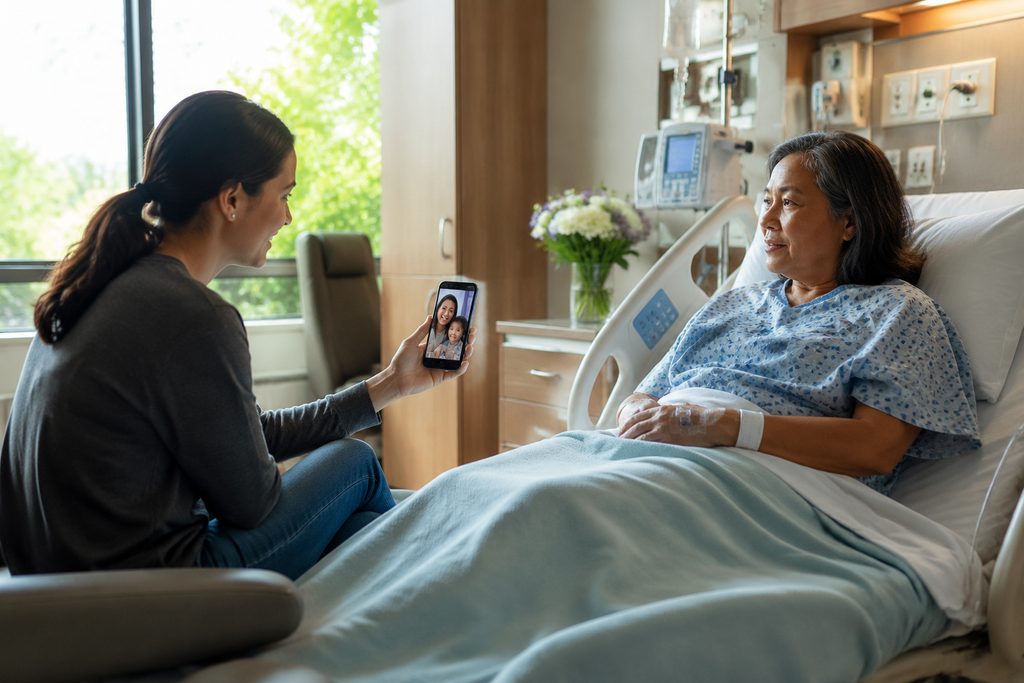
You’ve probably heard that being hospitalized in a foreign country means your family back home waits in silence for days. That’s the old reality. In China’s top-tier hospitals, an inpatient companion family update service in China has become a structured, reliable way for relatives abroad to receive daily reports on a patient’s condition, treatment progress, and daily needs. Our team has coordinated this for families from over a dozen countries. The process is more organized than most people expect — and it solves the single biggest fear of medical travel: not knowing what’s happening.
Let’s be direct. A hospital nurse in Beijing or Shanghai is not going to call your family in London or Dubai after every shift. Staffing ratios, language barriers, and privacy protocols make that impossible in most public hospitals. What actually works is a designated bilingual companion who acts as the communication bridge. That person sits with the patient during visiting hours, speaks with the medical team, and sends structured updates to whoever you designate. This is not a luxury add-on. For many families, it’s the difference between manageable stress and constant panic.
How This Actually Works, Step by Step
The sequence starts before the patient is even admitted. You send us the patient’s medical records — translated summaries, diagnosis reports, imaging notes. Our clinical coordinators review them and identify which of our top-ranked hospitals best matches the case. Once a hospital confirms admission eligibility, we lock in the companion schedule.
Here’s the real sequence:
1. Pre-admission briefing. You have a video call with the assigned companion. You explain the patient’s communication style, family concerns, and what level of detail you want in updates. Some families want every medication change. Others want only major milestones. We calibrate accordingly.
2. Admission day. The companion meets the patient at the hospital entrance, handles registration paperwork, and establishes contact with the head nurse and attending physician’s team. The companion confirms the daily rounding schedule so updates can be timed around actual doctor visits, not guesswork.
3. Daily reporting. Every evening Beijing time, you receive a written summary. It covers: what the doctors said during rounds, any test results that came back, medication adjustments, the patient’s eating and mobility status, and any concerns the patient voiced. Photos of the patient are included when the patient consents. You can reply with questions, and the companion raises them with the medical team the next morning.
4. Escalation protocol. If something changes suddenly — a fever spike, a planned procedure moved up, a discharge date shifted — the companion contacts you immediately via your preferred channel. No waiting for the evening summary.
That’s the core mechanism. It’s simple in concept. What makes it work is the companion’s ability to actually speak with the medical staff in Chinese, understand clinical terminology, and translate nuance rather than just words.
What a Hospital Sitter in Shanghai Actually Costs
ICU visiting rules in Chinese hospitals are strict. Typically, one family member or designated representative may visit for 30–60 minutes per day. The companion uses that window to see the patient and speak with the ICU nurse. Outside the window, they speak with the ICU front desk and the attending physician’s team. Updates continue daily, but they may contain less direct observation and more relayed information.
No. The report is a private communication between the companion and the family. The hospital’s medical record is separate. However, if you want to share the companion’s report with the treating team to clarify something, that’s your choice. We recommend keeping the report factual and free of speculation — it’s a communication tool, not a medical document.
We adjust. The companion helps with discharge paperwork, medication pickup, and transportation to your accommodation. Unused companion days are refunded or credited toward follow-up coordination. Early discharge is usually good news — we treat it that way.
In most public hospitals, overnight companions are not permitted in shared wards. In private rooms, it depends on hospital policy. Some hospitals allow one overnight attendant; others do not. We can arrange a night-shift companion for hospitals that permit it, at a higher rate. Where it’s not permitted, the companion leaves at the end of visiting hours and returns the next morning. The nursing staff covers overnight needs.
Your Next Step
The core message is this: you
Frequently Asked Questions
Yes. The hospitals used for international patients are JCI-accredited and follow the same international safety standards as top hospitals in the US and Europe. Surgical teams perform high volumes of procedures — often more than their Western counterparts — which studies show leads to better outcomes.
Costs vary by procedure and hospital, but international patients typically save 40-80% compared to US prices — even when factoring in travel and accommodation. A consultation with our team will give you an exact, all-inclusive quote with no hidden fees.
Send us your existing medical reports to get started. We handle everything from hospital selection and appointment scheduling to visa assistance and post-operative recovery planning. Your medical records are reviewed by the specialist before you even book a flight.
For more medical information and treatment options in China, visit chinamedservices.com (China Medical Services).
