Rehabilitation Nutrition in China: What Recovery Diets Actually Cost
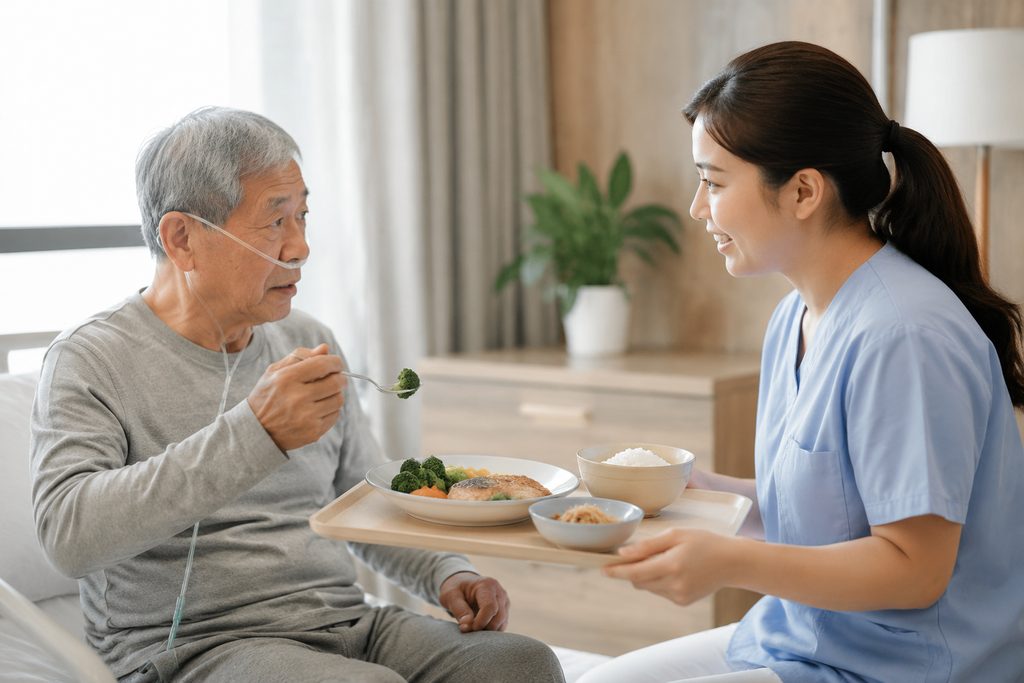
Malnutrition affects roughly 1 in 3 patients admitted to hospitals for extended rehabilitation, and the number climbs higher among surgical and stroke recovery cases. That quiet statistic drives a question we hear constantly from international patients: what does a rehabilitation center China nutrition program cost, and what does that money actually buy? The short answer is that structured nutrition guidance inside Chinese rehab facilities typically runs between $15 and $60 per day as a bundled component of inpatient care, while standalone outpatient dietary counseling from a hospital nutrition department starts around $30 per session. But the real picture is more layered than a per-day fee. It involves how Chinese hospitals integrate clinical nutrition into recovery, what you can expect on the plate, and where the gaps are that you may need to fill yourself.
How This Actually Works, Step by Step
You are recovering in a Chinese hospital or affiliated rehabilitation ward. A doctor has just cleared you for a modified diet — soft foods, high protein, restricted sodium, whatever your case demands. Here is the sequence that follows.
First, the treating physician or ward nurse flags your case for nutritional assessment. In top-tier public hospitals like those on the Fudan ranking, a clinical dietitian from the hospital’s nutrition department is usually available within 24 to 48 hours. You or your family provide your medical records, surgical notes, and any existing dietary restrictions. If you have diabetes, kidney disease, swallowing difficulties, or food allergies, this is the moment to say so clearly.
The dietitian reviews your file, calculates your caloric and protein targets, and writes a meal order into the hospital’s dietary system. The hospital kitchen prepares meals according to that order. In most Chinese public hospitals, meals are delivered to the ward three times daily, with possible mid-morning and mid-afternoon supplements depending on the facility. In private international hospitals such as United Family or Jiahui, the process is similar but often includes an English-speaking dietitian and Western menu options.
If you are not yet admitted and want nutritional guidance before travel, the path is different. You send your existing records through our written second opinion service. A hospital nutrition team reviews your case and returns a written dietary analysis and recommendation. That document can then guide your meal planning from day one of admission.
What a Rehabilitation Nutrition Program in China Includes
A common misconception is that hospital food in China is one-size-fits-all congee and steamed vegetables. The reality inside top-ranked rehabilitation centers is far more structured. Most Fudan-ranked hospitals operate clinical nutrition departments staffed by registered dietitians who work directly with surgical, oncology, neurology, and rehabilitation wards.
So what does the rehabilitation center China nutrition program cost actually cover? In a public tertiary hospital, the daily meal fee — typically $10 to $25 — includes three meals and any doctor-ordered therapeutic modifications. A specialized nutrition consultation adds roughly $20 to $40 per session. In private international hospitals, bundled nutrition programs run higher, often $40 to $80 per day, but include English-language dietary counseling, customized Western or Middle Eastern menus, and direct communication with your care team.
| Service Component | Public Tertiary Hospital | Private International Hospital |
|---|---|---|
| Daily therapeutic meals (3x) | $10–$25 | $25–$50 |
| Dietitian consultation (per session) | $20–$40 | $50–$100 |
| Enteral nutrition formula (per day, if needed) | $15–$35 | $30–$60 |
| Full nutrition program (meals + counseling, weekly) | $120–$300 | $350–$700 |
These ranges vary by city. Shanghai and Beijing trend toward the higher end. Chengdu, Hangzhou, and Nanjing often land lower. And the figures shift when a patient requires specialized medical nutrition therapy — post-gastrectomy, post-stroke dysphagia, or severe burn recovery, for example.
What to Eat After Surgery in China Hospital Settings
The question of what to eat after surgery in China hospital wards is not trivial. Chinese clinical nutrition follows evidence-based protocols that resemble Western standards, but the food itself reflects local culinary traditions. A typical post-operative soft diet might include rice porridge with minced lean pork, steamed egg custard, soft-cooked fish, tofu, and well-cooked vegetables. Broths — chicken, pork bone, fish — are staples, valued for both hydration and protein content.
That said, the default hospital menu will not automatically match your cultural expectations. A patient from the Gulf region may not want pork-based broth. A European patient may find the sodium content higher than they are used to. This is where explicit communication matters. Hospitals with strong international departments — PUMCH in Beijing, Zhongshan in Shanghai, West China Hospital in Chengdu — are accustomed to adjusting menus for religious and cultural dietary needs. But you must ask. The system rarely volunteers.
Best Rehab Facilities Shanghai Dietary Guidance: What Sets Them Apart
Shanghai concentrates some of China’s strongest rehabilitation and nutrition resources. Patients searching for best rehab facilities Shanghai dietary guidance typically encounter three tiers. The first is the rehabilitation departments inside Fudan-ranked hospitals — Huashan Hospital’s rehabilitation medicine department is among the most cited in the country. The second is standalone rehabilitation hospitals, several of which operate dedicated nutrition teams. The third is the private international sector, where Jiahui and United Family offer English-first dietary counseling.
What separates the top facilities is not exotic technology. It is integration. In a strong rehab program, the dietitian attends weekly rounds with the physiatrist, physical therapist, and speech-language pathologist. Swallowing function, wound healing, and muscle recovery are discussed together. The nutrition plan adjusts in response to therapy progress, not on a fixed calendar. If a patient cannot swallow safely, the dietitian coordinates texture-modified meals or enteral feeding with the speech team. If a patient is cleared for normal food, the protein targets rise accordingly.
This level of coordination is standard in the top tier and inconsistent elsewhere. It is one of the reasons patients choose specific facilities over generic options. Our Shanghai hospital directory details which institutions offer integrated rehab and nutrition services, along with their international patient pathways.
A Realistic Timeline
Planning a rehabilitation stay in China with structured nutrition support takes longer than most people assume. Here is an honest sequence.
| Stage | What Happens | Typical Duration |
|---|---|---|
| Week 1–2 | You send medical records, surgical reports, current medications, and dietary restrictions. Translation into Chinese begins. | 5–10 business days |
| Week 2–4 | Hospital reviews your case and confirms whether they can accept you and which department fits. A preliminary nutrition assessment may be included. | 1–3 weeks |
| Week 3–5 | Visa processing. S2 visa applications for medical treatment require hospital invitation documents. Consulate processing varies by country. | 1–4 weeks |
| Week 5–6 | Arrival and admission. First in-person dietitian consultation happens within 48 hours at most top hospitals. | 2 days |
| Month 1–3 | Active rehabilitation with ongoing nutrition adjustments. Weekly dietitian check-ins are typical in integrated programs. | 4–12 weeks |
The waiting steps people forget are document translation and hospital invitation letters. Neither is instant. And visa processing times at Chinese embassies fluctuate. Planning backward from your desired admission date is the only reliable approach.
What Can Go Wrong — and What Happens Then
Food mismatch is the most common failure. A patient arrives expecting a Western renal diet and receives steamed fish with soy sauce, white rice, and pickled vegetables. Sodium levels climb. The patient is frustrated. The fix is usually simple but requires assertiveness: request the dietitian again, show the written dietary restriction list, and ask for a revised meal plan. In hospitals with international departments, this gets resolved within a day or two. In smaller facilities, it may take longer.
Language gaps compound the problem. Many dietitians in Chinese public hospitals speak limited English. If you cannot explain that you need low-potassium meals after kidney surgery, the default menu may not fit. A bilingual medical companion — typically from $300 per day — bridges this gap. They sit in on the dietitian consultation, translate your restrictions precisely, and check the meals when they arrive.
Another failure mode is assuming the hospital will manage everything. It will not. Supplements, texture modifications, and cultural preferences are your responsibility to communicate. The hospital provides the medical framework. You provide the specifics.
Post Operative Diet Plan Price China: Where the Money Goes
Let us break down the post operative diet plan price China patients actually pay. The numbers are smaller than Western equivalents, but they are not zero. A written diet plan from a hospital nutrition department — a structured document with calorie targets, protein goals, meal timing, and food lists — costs between $30 and $80. A one-on-one consultation with a senior clinical dietitian runs $40 to $120 per hour depending on the hospital tier. Ongoing weekly monitoring during a rehab stay adds $100 to $300 per month.
Compare that to the United States, where a single outpatient medical nutrition therapy session with a registered dietitian commonly bills at $150 to $250 before insurance, and inpatient nutrition support is folded into hospital charges that dwarf Chinese rates. The cost advantage is real, but it is a component of a larger medical travel decision, not the reason to travel alone.
For patients who want a medical tourism China rehab nutrition package, some private hospitals and medical facilitation agencies bundle meals, dietitian visits, and rehabilitation therapy into a single quoted price. These packages typically start around $3,000 for two weeks and rise based on facility and acuity. Always ask what the package excludes. Transport, visa fees, companion services, and post-discharge follow-up are often separate line items.
Can I Get Nutritional Counseling During Rehab in China?
The direct answer is yes. Can I get nutritional counseling during rehab in China as a foreign patient? Absolutely. Every top-tier hospital with an international department offers it. The practical questions are about language, timing, and depth.
In public hospitals, the first counseling session often happens in Chinese with an interpreter provided by the international department, if available. In private international hospitals, counseling is typically conducted in English by design. The depth of counseling varies. A basic session covers what to eat and what to avoid. A comprehensive session includes anthropometric measurements, lab review, supplement recommendations, and a written plan you can take home. Ask for the comprehensive version. It costs more but travels with you after discharge.
Practical Considerations: Records, Visa, Payment, and Follow-Up
Top-tier hospitals with international departments routinely handle halal, kosher-style, vegetarian, and other dietary needs. Smaller facilities may struggle. State your requirements in writing before admission and confirm the hospital’s ability to comply.
You can arrange external meal delivery in most Chinese cities through apps, though hospital policies on outside food vary. Some wards prohibit it for infection control. Discuss this with the ward nurse before ordering. A bilingual companion can coordinate safe options.
The written plan is a clinical document. Bring it to your primary care physician or dietitian at home. Most will accept it as a starting point, though they may adjust recommendations to local food availability and your ongoing care plan.
In most Chinese hospitals, the treating physician must order a nutrition consult. It is not automatic. Ask your admitting doctor on day one. In rehabilitation wards, dietitian involvement is more routine, but confirming it early prevents delays.
Your Next Step
Nutrition during rehabilitation is not an afterthought. It is the substrate your body uses to rebuild muscle, close wounds, and regain function. Getting it right in a foreign medical system requires clear communication, realistic expectations, and the right institutional fit.
Our team at China Medical Services helps international patients navigate exactly these logistics — from hospital matching to record translation to bilingual support on the ward. We do not provide medical advice or guarantee clinical outcomes. What we do is reduce the friction between you and the care you came for. If you are weighing rehabilitation in China, start with a conversation. Tell us your case, your dietary needs, and your timeline. We will tell you honestly what is feasible.
Recovery is hard enough. The food should not be the hard part.
Frequently Asked Questions
Yes. The hospitals used for international patients are JCI-accredited and follow the same international safety standards as top hospitals in the US and Europe. Surgical teams perform high volumes of procedures — often more than their Western counterparts — which studies show leads to better outcomes.
Costs vary by procedure and hospital, but international patients typically save 40-80% compared to US prices — even when factoring in travel and accommodation. A consultation with our team will give you an exact, all-inclusive quote with no hidden fees.
Send us your existing medical reports to get started. We handle everything from hospital selection and appointment scheduling to visa assistance and post-operative recovery planning. Your medical records are reviewed by the specialist before you even book a flight.
For more medical information and treatment options in China, visit chinamedservices.com (China Medical Services).
