Rehabilitation in China: Costs, Hospitals, and Rebuilding Strength
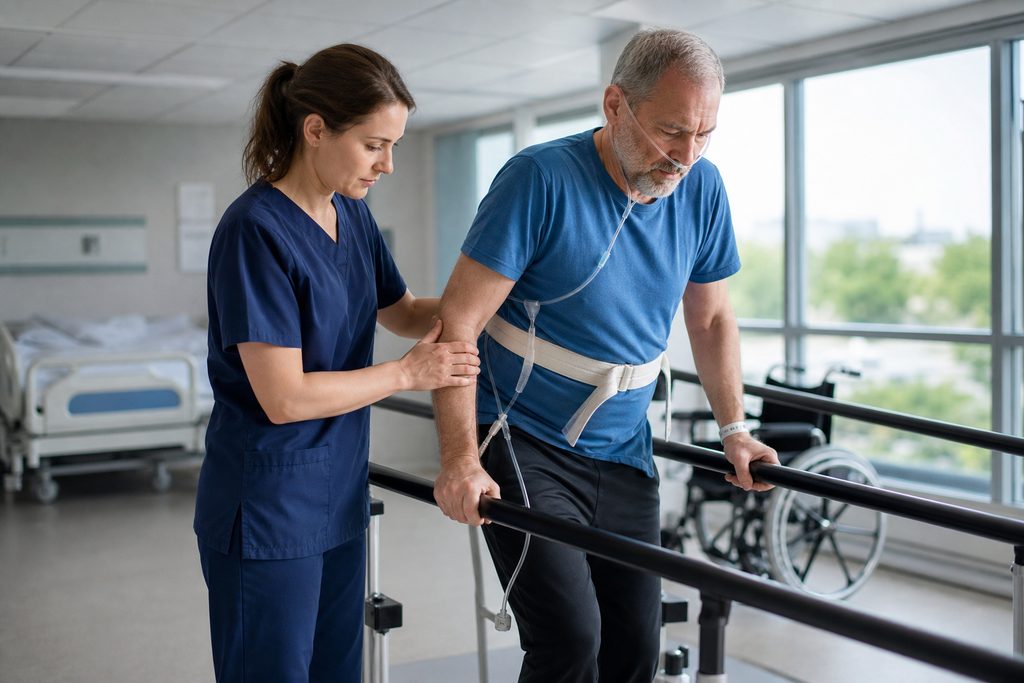
Rehabilitation: Rebuilding Your Strength in China’s Top Medical Centers
Rehabilitation is the medical specialty focused on restoring function after a stroke, spinal cord injury, major surgery, or a sports trauma. It is not a luxury spa stay. It is the grueling, repetitive, evidence-based work of retraining your nervous system and muscles to do what they did before. And for many international patients, the rehab center cost China offers is the deciding factor — because quality inpatient rehabilitation in the United States or Western Europe can run $1,500 to $3,000 per day, while comparable programs in top Chinese facilities start around $80 to $250 per day.
That cost gap does not reflect a quality gap. It reflects structural economics: lower labor costs, high patient volumes, and a hospital system built for scale. We have seen this repeatedly at China Medical Services, where we help patients evaluate rehabilitation options across 340+ top-ranked hospitals in 37 cities. The question is rarely whether China can deliver competent rehab. The question is whether the specific facility, the specific program, and the specific logistics fit your case.
Key Takeaways
- Inpatient rehabilitation in China costs roughly $80–$250 per day at public tertiary hospitals, versus $1,500–$3,000 per day in the US.
- Stroke rehabilitation in China’s top centers now routinely integrates robotics, functional electrical stimulation, and early mobilization protocols within 24–48 hours of admission.
- Language and coordination are the biggest practical barriers — not clinical quality. Most public rehab wards operate in Mandarin only.
- You cannot book a rehab bed directly from overseas. You need a prior medical evaluation, translated records, and either an in-person visit or a proxy arrangement.
The Problem: Post-Stroke and Post-Surgical Rehab Is Priced Out of Reach
Stroke remains a leading cause of long-term disability worldwide. The World Health Organization reports that approximately 15 million people suffer a stroke each year; of these, 5 million die and another 5 million are left permanently disabled. The majority of survivors require some form of structured rehabilitation. In the United States, the average cost of inpatient rehab after a stroke is around $17,000 to $30,000 for a 14–20 day stay, depending on the facility and intensity of therapy.
That is before insurance. And many insurance plans cap rehabilitation days aggressively. A patient who needs 60 or 90 days of intensive therapy — which is often what real functional recovery demands — can easily exhaust their coverage and face six-figure out-of-pocket costs. The same math applies to post-surgical rehab after joint replacement, cardiac surgery, or spinal procedures. The care exists. The financing often does not. So patients either skip needed therapy, shorten it dangerously, or search for alternatives abroad. This is where the rehab center cost China conversation begins.
Why China’s Rehabilitation System Delivers Results
Clinical Volume Creates Specialized Expertise
Chinese rehabilitation departments operate at a scale that most Western facilities cannot match. A major rehab center in Shanghai or Beijing may treat 500–1,000 inpatients at any given time and run outpatient therapy for thousands more. A single stroke rehabilitation ward at a top hospital like Huashan Hospital in Shanghai handles more stroke rehab admissions in a month than many US rehab hospitals handle in a year. That volume means therapists see rare presentations regularly. They have refined protocols for hemiplegia, aphasia, dysphagia, and spasticity management because they treat those conditions every single day.
This matters for outcomes. A 2021 study published in The Lancet found that stroke patients in China who received early, high-intensity rehabilitation within a structured inpatient program showed significantly better functional recovery scores at 90 days than those receiving standard post-discharge care. The difference was most pronounced in patients with moderate to severe initial disability.
Technology Integration at Scale
Chinese rehab hospitals have invested heavily in robotic-assisted therapy. Exoskeleton gait trainers, upper-limb robotic arms, and virtual reality balance systems are now standard equipment at top-tier facilities. The best rehabilitation hospital Shanghai has to offer — facilities like the Shanghai Sunshine Rehabilitation Center and the rehab departments of Zhongshan Hospital and Ruijin Hospital — routinely combine robotic gait training with conventional physical therapy. A typical daily schedule includes 60–90 minutes of one-on-one PT, 30–45 minutes of occupational therapy, and 30 minutes of robotic or device-assisted training.
That is a higher therapy density than many Western inpatient programs deliver. The reason is simple: labor is more affordable, so hospitals can staff more therapists per patient. Where a US rehab facility might provide 3 hours of therapy per day, a Chinese tertiary rehab ward often provides 4–5 hours. More repetitions. More neuroplastic stimulus. Better recovery trajectories.
Cost Advantage Without Cutting Corners
The physical therapy price Beijing clinics charge for outpatient sessions runs $30–$80 per hour at top public hospitals. In the US, the same session costs $100–$250. Inpatient rehab in Beijing at a facility like the China Rehabilitation Research Center (CRRC) — one of the largest rehab hospitals in Asia — starts around $100–$200 per day for a standard ward bed, including nursing care and basic therapy. A private room in the international department may run $250–$400 per day. Compare that to $2,000+ per day for a comparable US inpatient rehab bed, and the structural difference is clear.
Lower cost here reflects lower labor expenses, state-subsidized hospital infrastructure, and high patient throughput. It does not reflect inferior equipment or untrained staff. Many senior rehab physicians at top Chinese hospitals trained in the US, Germany, or Japan. The equipment is often newer than what you would find in a mid-tier Western hospital. The cost advantage is real, and it is structural.
How Post-Surgery Rehab Works in China: A Realistic Timeline
So how long does post surgery rehab take in China? The honest answer depends entirely on the surgery and your baseline. But here is what a typical structured program looks like for a knee or hip replacement patient:
Days 1–3: In-hospital mobilization. You start passive range-of-motion exercises within 24 hours of surgery. A physical therapist works with you bedside. Discharge from the acute surgical ward happens around day 3–5 if there are no complications.
Days 4–14: Transfer to a dedicated rehab ward or a rehab hospital. You receive 3–5 hours of daily therapy: gait training, strengthening, balance work, and ADL (activities of daily living) retraining. For a knee replacement, the goal by day 14 is 90 degrees of active flexion and independent walking with a walker or cane.
Weeks 3–6: Continued inpatient or day-patient rehab. Intensity steps up. You work on stairs, uneven surfaces, and community mobility. Many patients transition to outpatient therapy 2–3 times per week while staying in a nearby serviced apartment.
Weeks 6–12: Return to normal activities. For a hip or knee replacement, most patients are cleared for driving at 4–6 weeks and return to work at 8–12 weeks, depending on the job. Full strength and endurance recovery takes 3–6 months.
The same phased structure applies to cardiac rehab, spinal surgery rehab, and stroke rehab, though stroke timelines are longer. A stroke patient with moderate hemiparesis might spend 4–8 weeks in inpatient rehab, followed by 3–6 months of outpatient therapy. Chinese rehab programs are generally willing to keep patients longer than Western insurance-driven systems allow — because the patient is paying out of pocket at a rate that remains manageable.
Evaluating Rehab Providers: What the Numbers Actually Mean
When patients ask us whether stroke rehab is good in China, the answer is: it depends on where you go. The top 5% of Chinese rehab facilities are genuinely world-class. The bottom 50% are not where you want to be. The gap is wide, and it is not always obvious from a website or a brochure.
Here is what to look for:
| Evaluation Criteria | What to Ask | Red Flag |
|---|---|---|
| Therapist-to-patient ratio | How many hours of one-on-one therapy per day? | Vague answers like “as needed” or “standard care” |
| Equipment | Do you have robotic gait trainers? Functional electrical stimulation? | No mention of specific equipment brands or models |
| Physician oversight | Is a rehab medicine specialist (physiatrist) assigned to my case? | Only therapists, no physician involvement |
| Outcome tracking | Do you measure FIM or Barthel Index scores at admission and discharge? | No standardized outcome measures |
| International experience | How many foreign patients have you treated in the past year? | Zero, with no English-speaking staff available |
You should also check whether the facility is a designated rehabilitation hospital or just a rehab department within a general hospital. Dedicated rehab hospitals — like the China Rehabilitation Research Center in Beijing or the Guangdong Provincial Rehabilitation Hospital in Guangzhou — tend to have deeper therapy staffing and more specialized equipment. Hospital-based rehab departments benefit from closer integration with acute care specialists, which matters if you have complex medical needs alongside your rehab.
And here is the honest caveat: most public rehab wards in China operate entirely in Mandarin. The physicians may read English. The nursing staff and many therapists will not speak it. If you do not have a bilingual companion or a family member who speaks Chinese, daily therapy sessions become extremely difficult. This is not a clinical quality problem — it is a practical coordination problem. It is solvable, but you must plan for it before you arrive.
Practical Considerations: Documentation, Visas, and Payment for Rehab in China
To book a rehab package in China, you need several things in order first. The process is not like booking a hotel room. It is a medical admission, and Chinese hospitals treat it accordingly.
Medical records: You will need your complete medical history, including the original stroke or surgical reports, imaging studies (CT, MRI, X-ray), current medication list, and any prior rehab progress notes. These must be translated into Chinese by a certified medical translator. Hospitals will not accept untranslated records. Plan for 3–5 business days for professional translation.
Visa: Medical treatment in China falls under the S2 visa category, which covers private affairs including medical treatment. The S2 visa allows stays of up to 180 days. For rehabilitation programs longer than 180 days, you would apply for an S1 visa. Your accompanying family members also apply for S2 visas. You will need an invitation letter from the Chinese hospital confirming your treatment arrangement, plus proof of sufficient funds and a valid passport. The M visa is for commercial and trade activities — it is not the correct category for medical treatment, and using it for that purpose can create problems at the border.
Payment: Public hospitals in China require prepayment. You deposit a lump sum at admission — typically the estimated cost of your first 2–4 weeks of treatment — and the hospital deducts from it daily. If the deposit runs low, you top it up. International departments at some hospitals accept foreign credit cards, but many public rehab wards accept only Chinese bank cards or cash. Wire transfer in advance is sometimes possible. Private international hospitals like United Family or Jiahui accept major foreign insurance and credit cards directly, but their rehab programs are more limited in scope and cost 3–5 times more than public hospital rates.
Insurance: Most international health insurance plans will not directly reimburse treatment at Chinese public hospitals because those hospitals are outside the insurer’s direct-billing network. You pay upfront, then submit itemized receipts and translated medical records for reimbursement. Check your policy’s out-of-network and international treatment clauses before committing. Some insurers require pre-authorization for international rehab stays.
Language support: This is the single most underestimated barrier. Without Chinese language support, you cannot navigate admission paperwork, understand daily therapy instructions, or communicate changes in your condition. A bilingual medical companion — someone who handles registration, queueing, payment, and interpretation — costs from $300 per day in major cities. It is not a luxury. For most international patients, it is the difference between a smooth rehab stay and a frustrating one.
Frequently Asked Questions
At top-tier facilities, yes. The China Rehabilitation Research Center in Beijing and the rehab departments of major teaching hospitals in Shanghai and Guangzhou use the same evidence-based protocols — early mobilization, task-specific training, constraint-induced movement therapy — that you would find at leading US or European rehab centers. The equipment is often newer. The main differences are language, food, and the level of administrative support, not clinical competence.
A 30-day stay at a top public rehab hospital, including a standard ward bed, nursing care, daily physical therapy, occupational therapy, and basic medications, typically runs $3,000–$7,500. A private room in an international department pushes that to $8,000–$15,000. Private international hospitals charge $15,000–$30,000 for a similar duration. All figures vary by hospital and case complexity. These are ballpark ranges, not quotes.
Chinese tertiary hospitals have full acute care capabilities on-site. If you develop a medical complication — an infection, a cardiac issue, a fall — the rehab team can transfer you to the appropriate acute department within the same hospital system. This is actually an advantage over standalone rehab facilities in some countries, where a medical emergency requires ambulance transfer to a separate hospital. That said, you should have a plan for emergency contact, and your family should know which hospital you are in and how to reach the international patient office.
No. Chinese public hospitals require a medical evaluation before admission. That evaluation can happen remotely through a written second opinion or video consultation, where a rehab specialist reviews your records and determines whether you are a suitable candidate for their program. Some hospitals also allow a proxy visit — a representative brings your translated records to the hospital in person and completes the initial registration on your behalf. But no reputable hospital will confirm a rehab bed without reviewing your medical history first.
Realistically, 4–8 weeks. You need time for record collection, certified translation (3–5 business days), remote consultation scheduling (1–2 weeks), visa processing (1–3 weeks depending on your home country), and hospital admission confirmation. Rushing this process leads to mistakes — missing records, wrong visa category, or arriving at a hospital that is not actually prepared for you. The patients who have the smoothest experiences are the ones who plan methodically.
Your Next Step
Rehabilitation in China offers a genuine cost advantage without sacrificing clinical quality — but only if you choose the right facility and handle the logistics properly. We at China Medical Services are not a hospital and do not provide diagnoses or treatment. What we do is help you evaluate your options, connect you with appropriate rehab programs, and coordinate the practical details so you can focus on the work of recovery. If you are considering rehab in China, start by reviewing our specialty department rankings or explore rehab options in Beijing and Shanghai. When you are ready to discuss your specific case, request a free consultation through our patient services page. We will tell you honestly whether this path makes sense for you.
For more medical information and treatment options in China, visit chinamedservices.com (China Medical Services).
