Rehabilitation in China: Costs, Exercises, and Expert Guidance
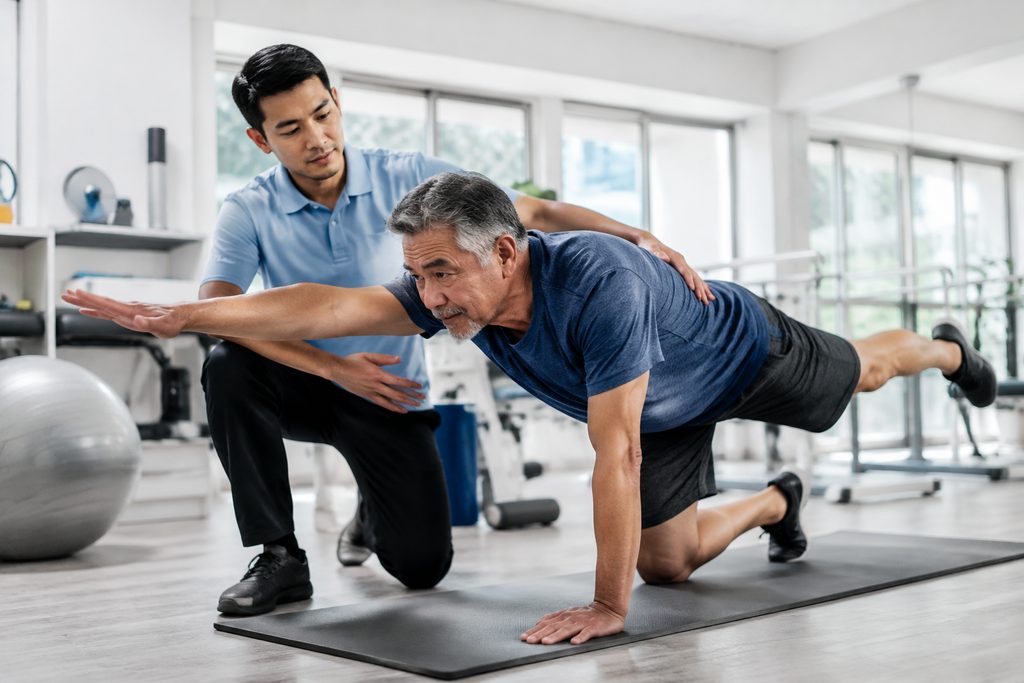
While the average American knee replacement patient faces roughly $15,000 in out-of-pocket physical therapy costs over twelve months, a comparable inpatient rehabilitation program at a top-tier Chinese hospital typically runs between $4,000 and $9,000 per month — including daily one-on-one therapy. That gap reshapes how thousands of international patients now approach recovery. Understanding the real rehabilitation center cost China offers is the first step toward making a decision grounded in data, not fear.
Key Takeaways
- Inpatient rehabilitation in China costs 60–80% less than equivalent US programs, with daily therapy sessions included.
- Top Chinese rehab hospitals treat stroke, spinal cord injury, and post-surgical cases at volumes Western centers rarely match.
- Language barriers and documentation requirements are real obstacles — preparation matters more than enthusiasm.
- Exercise protocols follow international standards, but patients must bring complete medical records and imaging.
The Problem: Recovery Is Where Outcomes Are Won or Lost
Surgery fixes structure. Rehabilitation rebuilds function. Yet most health systems treat rehab as an afterthought. In the United Kingdom, stroke survivors wait a median of 6 weeks for community physiotherapy after discharge. In Canada, outpatient rehab for joint replacement often starts 4 to 8 weeks post-surgery. That window is precisely when neural plasticity peaks and scar tissue hardens.
The consequences show up in the data. Patients who start structured rehabilitation within 7 days of stroke discharge regain significantly more motor function at 6 months than those who wait longer. Delayed rehab correlates with higher readmission rates, permanent contractures, and avoidable disability. For international patients, the question is not whether rehabilitation matters. It is where they can access it without burning through life savings.
Why China Delivers Rehabilitation Results
Clinical Volume Builds Pattern Recognition
Chinese rehabilitation physicians see cases most Western therapists encounter rarely. A stroke rehabilitation ward at Huashan Hospital in Shanghai manages over 1,200 inpatient admissions annually. The average US inpatient rehab facility treats fewer than 300. That repetition produces clinicians who have seen every variation of hemiplegia, every plateau, every setback. They adjust protocols faster because they have navigated the same road hundreds of times.
Volume also drives protocol refinement. Chinese rehab teams standardize exercise progression based on thousands of documented outcomes. When you ask about how long does stroke rehabilitation take in China, the answer reflects that accumulated experience: 4 to 8 weeks of intensive inpatient therapy for moderate strokes, followed by 3 to 6 months of outpatient continuation. Recovery timelines compress when therapy density increases.
Integrated Traditional and Modern Exercise Protocols
Most Chinese rehabilitation programs blend conventional physiotherapy with evidence-informed traditional techniques. Acupuncture for post-stroke spasticity appears in protocols at Beijing Tiantan Hospital alongside constraint-induced movement therapy. Tuina massage complements manual lymphatic drainage after orthopedic surgery. This is not alternative medicine replacing standard care — it is layered on top of it.
For patients asking is physical therapy safe in Beijing, the answer rests on regulatory oversight. Rehabilitation physicians in China complete 5 years of medical school plus 3 years of residency. Physiotherapists hold bachelor’s degrees in rehabilitation science. The hospitals that treat international patients — Peking Union Medical College Hospital, China Rehabilitation Research Center, Guangdong Provincial Hospital — follow protocols aligned with World Health Organization rehabilitation guidelines.
Cost Structure: Why Lower Prices Do Not Mean Lower Quality
Labor economics explain most of the rehabilitation center cost China advantage. A senior physiotherapist in Shanghai earns approximately $25,000 to $40,000 annually. Their US counterpart earns $85,000 to $110,000. Hospital construction costs, administrative overhead, and malpractice insurance all run lower in China’s public hospital system. The savings pass through to patients without cutting therapy minutes.
| Rehabilitation Service | China (per session/month) | United States (per session/month) |
|---|---|---|
| Inpatient stroke rehab (monthly) | $4,000 – $9,000 | $25,000 – $45,000 |
| Individual physiotherapy session | $30 – $80 | $120 – $250 |
| Occupational therapy session | $25 – $60 | $100 – $200 |
| Cardiac rehab program (12 weeks) | $1,800 – $3,500 | $6,000 – $12,000 |
Prices vary by hospital tier and case complexity. Private international hospitals in China charge more — sometimes double public hospital rates — but still undercut US equivalents by half.
What a Chinese Rehabilitation Program Actually Looks Like
A patient who wants to book cardiac rehab program China should understand the daily rhythm before committing. Inpatient programs typically run 5 to 6 days per week. Mornings start with physician rounds and vital sign monitoring. Then 2 to 3 hours of structured therapy: physiotherapy, occupational therapy, speech therapy if needed. Afternoons include group exercise, education sessions, and traditional therapy options.
Post-surgical rehab packages abroad follow a similar arc. A knee replacement patient at Jishuitan Hospital in Beijing begins passive range-of-motion exercises on day 1 post-op. By day 3, they stand with support. By week 2, they walk with a walker and begin stair training. Discharge typically occurs at 3 to 4 weeks, with a written home exercise program and video demonstrations.
Stroke rehabilitation moves slower. Week 1 focuses on positioning, passive movement, and preventing complications. Weeks 2 through 4 introduce active-assisted exercises, sitting balance, and swallowing therapy. Weeks 5 through 8 push toward standing, transferring, and early gait training. The intensity is deliberate. Chinese rehab wards commonly deliver 3 to 4 hours of direct therapy daily — double the Medicare minimum in the US.
Choosing the Right Rehabilitation Center: What the Numbers Reveal
Not every Chinese hospital with a rehabilitation department deserves your trust. The Fudan University hospital rankings — China’s most authoritative independent assessment — list top rehabilitation programs by specialty reputation. The best physiotherapy hospital Shanghai options cluster around Huashan Hospital, Ruijin Hospital, and Shanghai Ninth People’s Hospital. Beijing’s strength lies in the China Rehabilitation Research Center and Peking University Third Hospital.
Look beyond rankings. Ask about therapist-to-patient ratios. Inquire whether the program assigns a dedicated rehabilitation physician who follows your entire stay. Confirm that the facility uses standardized assessment tools — the Functional Independence Measure, the Berg Balance Scale, the Modified Ashworth Scale. A program that cannot name its assessment instruments is not a program you want.
Verify equipment. Anti-gravity treadmills, robotic gait trainers, and functional electrical stimulation units appear in top Chinese rehab centers. So do hydrotherapy pools and virtual reality balance systems. The presence of these tools signals investment in outcomes, not just occupancy.
Some patients are not suitable candidates. Active infections, unstable cardiac conditions, or severe cognitive impairment make international rehabilitation travel unsafe. A patient with uncontrolled seizures should not fly to China for therapy. Honest programs screen for these contraindications before accepting enrollment.
Practical Considerations: Documents, Visas, and Payment
Bring everything. Complete medical records, surgical notes, imaging on CD, medication lists, and a physician’s referral letter. Chinese rehabilitation physicians need baseline data to design safe exercise progressions. Missing records mean repeating diagnostics — costly and time-consuming.
Visa requirements follow the S2 category for medical treatment and private affairs. Patients staying under 180 days apply for S2. Longer stays require S1. The hospital’s international department issues an invitation letter that supports the visa application. Family members accompanying the patient apply under the same category.
Payment runs through prepayment. Public hospitals require a deposit at admission, typically $5,000 to $15,000 depending on expected length of stay. Private international hospitals accept major credit cards and often bill insurers directly. Public hospitals provide itemized receipts for later reimbursement. Confirm your insurer’s out-of-network international coverage before traveling.
Language is the practical barrier most patients underestimate. Public hospital staff rarely speak English outside international departments. Even top rehabilitation hospitals conduct therapy in Mandarin. A bilingual medical companion from China Medical Services bridges that gap — handling registration, translating during therapy sessions, and ensuring exercise instructions are fully understood. Going alone is possible. Going with support is smoother.
Frequently Asked Questions
Public top-tier hospitals charge $4,000 to $9,000 per month for comprehensive inpatient rehabilitation. Private international hospitals run $8,000 to $15,000. Both figures include daily therapy sessions, nursing care, and accommodation. Actual costs vary by hospital tier and case complexity.
Moderate stroke patients typically complete 4 to 8 weeks of intensive inpatient therapy. Severe strokes may require 3 to 6 months of combined inpatient and outpatient care. The first 90 days post-stroke offer the highest recovery potential, which is why Chinese programs front-load therapy intensity.
Is physical therapy safe in Beijing for foreign patients?
Yes, at accredited hospitals. Rehabilitation physicians hold full medical licenses and complete specialty training. International departments at Peking Union Medical College Hospital and China Rehabilitation Research Center follow WHO rehabilitation guidelines. Patients should verify hospital accreditation and therapist credentials before enrolling.
Yes, through hospital international departments or a coordination service. The process requires submitting cardiac records, a stress test result, and a cardiologist’s referral. The hospital reviews the file and confirms program suitability before issuing an invitation letter for the S2 visa.
Packages bundle inpatient accommodation, daily physiotherapy, physician supervision, and discharge planning. Orthopedic packages typically run 3 to 4 weeks. Cardiac packages run 4 to 12 weeks. Costs range from $3,000 for short orthopedic programs to $15,000 for extended cardiac rehabilitation. All packages require pre-admission medical review.
Your Next Step
Rehabilitation in China offers world-class exercise protocols at a fraction of Western costs — but only when the right hospital, the right program, and the right preparation align. Our team at China Medical Services helps international patients evaluate rehabilitation options, coordinate with hospital international departments, and arrange bilingual support throughout recovery. We are not a hospital and do not provide medical advice. We help you navigate the system so you can focus on the work of getting stronger. When you are ready to explore whether rehabilitation in China fits your situation, start with a conversation.
For more medical information and treatment options in China, visit chinamedservices.com (China Medical Services).
