Bariatric Surgery Reversal in China: Costs, Hospitals, and Honest Answers
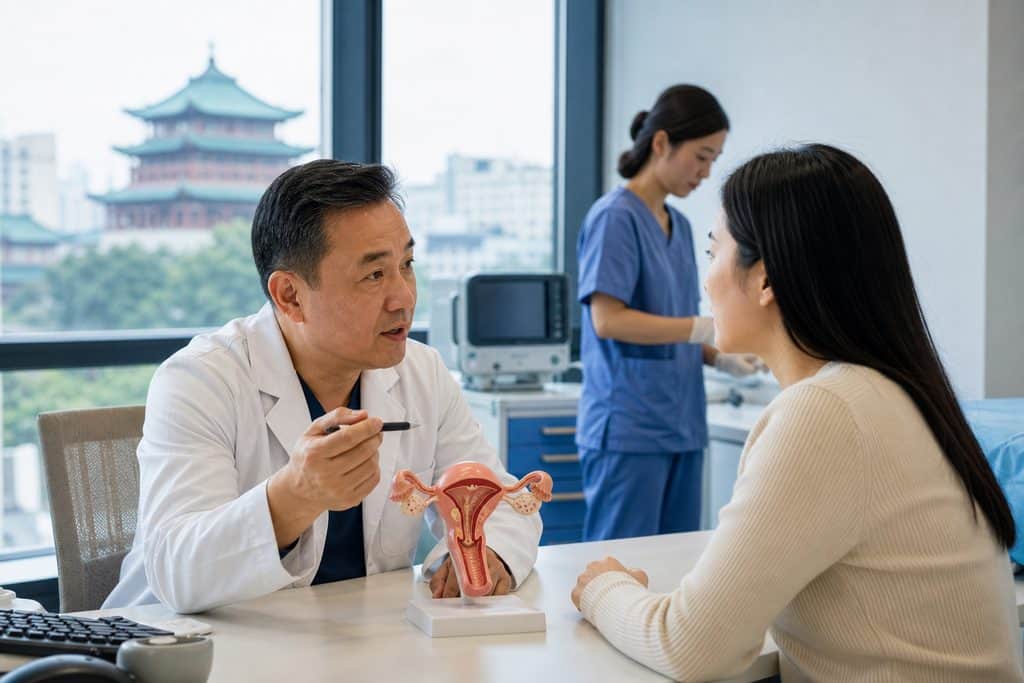
Bariatric Surgery Reversal in China: Costs, Hospitals, and Honest Answers
When 44-year-old Daniel from Ohio started losing weight again after gastric bypass, his first instinct was to search for a surgeon who could undo it. He had no idea that bariatric surgery reversal cost China was even a searchable phrase — or that the answer would depend far more on his medical history than on any price list. Reversal is uncommon, technically demanding, and not every patient qualifies. But for a small group of people, it is a real option, and China’s top hospitals do perform these procedures.
Here is the honest version: reversal is not simply “undoing” an operation. It is a second major surgery with its own risks, and most bariatric surgeons worldwide will only consider it when there is a compelling medical reason. That single fact shapes everything else — cost, hospital choice, candidacy, and recovery.
Bariatric Surgery Reversal in China: The Short Answer
Bariatric surgery reversal cost China typically ranges from $12,000 to $30,000 at top public hospitals, and roughly $35,000 to $60,000 at private international hospitals in Beijing, Shanghai, and Guangzhou. The procedure usually takes 2–4 hours, and most patients stay in hospital for 5–8 days. Total trip length is commonly 3–4 weeks.
That is the number most people come for. The caveat matters more. Reversal surgery is performed far less often than the original bypass or sleeve, and some hospitals will decline a case outright if the anatomy or nutritional status makes reconstruction unsafe. Cost is the easy part of the conversation. Candidacy is the hard part.
Who This Is Right For — and Who It Isn’t
Reversal is not a cosmetic decision, and reputable surgeons treat it accordingly. The patients who are typically considered good candidates share a few characteristics:
- Severe, persistent malnutrition or refractory vitamin deficiencies despite supplements
- Chronic dumping syndrome, hypoglycemia, or bile reflux that has not responded to medical management
- Intractable vomiting, stricture, or obstruction linked to the original procedure
- A clear diagnosis from a gastroenterologist or bariatric specialist, not a self-assessment
- Enough healthy tissue and stable enough overall health to tolerate a second major abdominal operation
And the people who should not pursue this — at least not yet:
- Anyone whose weight regain alone is the main complaint. Weight regain is common after bariatric surgery and is usually managed with nutrition, medication, or a revisional procedure rather than full reversal.
- Patients with active cancer, uncontrolled infection, or severe cardiac or pulmonary disease
- People who have not had a full nutritional and endoscopic workup
- Anyone hoping to reverse the surgery and return to eating exactly as before. That is not how this works.
The Options, Compared
Patients weighing reversal have four realistic paths. The table below compares them on the factors that actually drive the decision: cost, waiting, language, and continuity of care.
| Option | Typical Cost (USD) | Wait Time | Language Support | Best For |
|---|---|---|---|---|
| Top public hospital in China (international department) | $12,000–$30,000 | 2–6 weeks after records review | English-speaking staff at international departments; interpreter often needed elsewhere | Patients with a clear medical indication and a willingness to navigate a large hospital system |
| Private international hospital in China | $35,000–$60,000 | 2–4 weeks | Full English service, direct insurance billing in some cases | Patients prioritizing comfort, privacy, and streamlined logistics |
| United States | $40,000–$100,000+ | 4–12 weeks | Native English | Patients with comprehensive US insurance or strong preference for domestic follow-up |
| Western Europe (private) | €25,000–€50,000 | 4–16 weeks | Varies by country | EU residents with cross-border coverage |
Which column suits you depends on two things: how urgent your medical situation is, and how much logistical support you need. A patient with severe malnutrition who needs surgery within weeks may find the public hospital route faster and cheaper. Someone traveling alone from the Middle East or Europe may prefer the private route simply because the language and coordination burden is lower.
Finding the Best Hospital for Gastric Bypass Reversal in China
This is where most overseas patients get stuck. China has more than 35,000 hospitals. Only the top 5% — roughly 340 institutions ranked by the Fudan University hospital rankings and JCI accreditation — handle complex revisional bariatric work with the outcomes international patients expect. Those hospitals cluster in a handful of cities: Beijing has 21 Fudan Top 100 hospitals, Shanghai has 18, and Guangzhou has 10.
Bariatric and metabolic surgery in China is concentrated in the general surgery and gastrointestinal departments of major academic hospitals. When you search for the best hospital for gastric bypass reversal China, what you are really looking for is a department with three things: high annual volume in bariatric and revisional procedures, a dedicated nutrition support team, and an international department that can review foreign records before you fly.
You can browse hospitals by specialty and city through our directory of Fudan-ranked hospitals, or look at private international hospitals if English-language service and insurance billing are priorities. Both categories are legitimate. They serve different patients.
How Much Does Bariatric Surgery Reversal Cost Abroad?
Safety depends on the hospital and the surgeon, not the packaging. A legitimate arrangement involves written review of your records by the operating department before any commitment, a clear surgical plan, and named follow-up. Be cautious of any offer that quotes a fixed price without seeing your operative report.
The realistic path is a written second opinion first. You send your records, the hospital’s bariatric team reviews them and tells you whether you are a candidate, and only then does scheduling make sense. Some hospitals also offer video consultation so you can speak with the team directly before traveling. You can start with a free consultation to understand which hospitals fit your case.
Reversal carries real risks: leakage, stricture, infection, and nutritional complications. Top Chinese hospitals have the ICU capacity and surgical backup to manage these, but complications can extend your stay and your costs significantly. This is precisely why candidacy screening matters more than price shopping. Travel insurance that explicitly covers surgical complications is worth arranging in advance.
Your Next Step
Reversal is possible, but it is a medical decision first and a travel decision second. The patients who do well are the ones who get their records reviewed before booking a flight, not after. China Medical Services is not a hospital and does not provide diagnoses — we connect international patients with the right departments, help coordinate record review and appointments, and provide bilingual support on the ground. If you want to know whether your case is a fit for a Chinese hospital, reach out for a free consultation and we will help you find out.
This article is for general information only and is not medical advice. Treatment decisions should always be made with a qualified physician who has reviewed your individual records.
Frequently Asked Questions
Yes. The hospitals used for international patients are JCI-accredited and follow the same international safety standards as top hospitals in the US and Europe. Surgical teams perform high volumes of procedures — often more than their Western counterparts — which studies show leads to better outcomes.
Costs vary by procedure and hospital, but international patients typically save 40-80% compared to US prices — even when factoring in travel and accommodation. A consultation with our team will give you an exact, all-inclusive quote with no hidden fees.
Send us your existing medical reports to get started. We handle everything from hospital selection and appointment scheduling to visa assistance and post-operative recovery planning. Your medical records are reviewed by the specialist before you even book a flight.
For more medical information and treatment options in China, visit chinamedservices.com (China Medical Services).
