Hearing Clinics in China: How to Choose the Right One for You
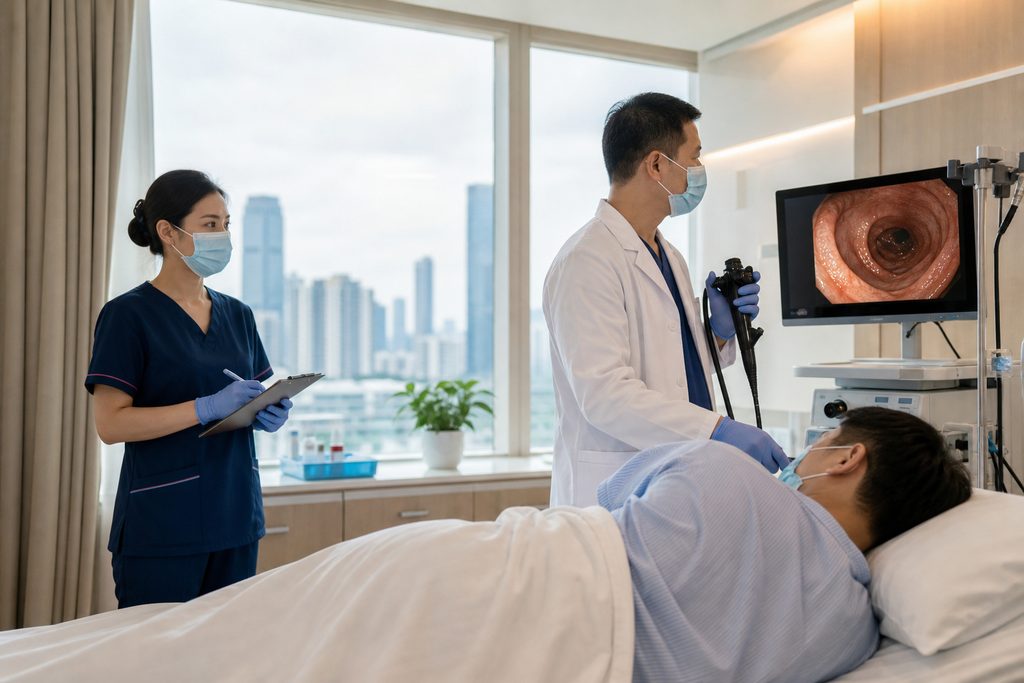
Hearing Clinics in China: How to Choose the Right One for You
In the United Kingdom, the average wait for an NHS audiology appointment runs to several weeks, and private hearing aids often start around £2,000 per pair. Meanwhile, a hearing aid clinic China cost comparison frequently lands between $800 and $3,500 for a comparable pair of digital devices — fitted, programmed, and followed up. That gap is why a growing number of international patients are asking how to choose a hearing clinic in China without sacrificing quality or safety.
This guide walks through the practical decision points: which hospitals and clinics actually fit foreign patients, what a hearing aid clinic China cost really includes, how to book a hearing test appointment in China, and what to do when something goes wrong after you fly home.
How This Actually Works, Step by Step
Most people assume they can pick a clinic online, book a slot, and walk in next week. In China’s public hospital system, that is not how it works. Here is the real sequence.
Step 1 — You send existing records. Audiograms, ENT history, MRI or CT scans if you have them, and a short note on your main complaint. Our team translates the relevant parts into Chinese so the audiology department can review them without guesswork.
Step 2 — A specialty team reviews the file. At a top-tier hospital, an ENT or audiology department reviews your case and tells us whether you need a full diagnostic workup, a hearing aid fitting, or something else entirely — say, treatment for sudden sensorineural hearing loss, which is a medical emergency, not a hearing aid problem.
Step 3 — You get a written second opinion or a video consultation. Written second opinions from top-hospital specialists typically run $300–500. A video consultation with a top specialist runs $500–800. Both let you hear the plan before you commit to travel.
Step 4 — Appointment coordination. If the plan makes sense, we coordinate registration at the hospital’s international department or VIP channel, where English-speaking staff and pre-bookable slots exist. Standard public outpatient clinics generally cannot be pre-booked from abroad — you queue on the day. The international channel is the workaround, and it costs roughly 1.5–2 times the standard fee.
Step 5 — You arrive, get tested, get fitted. A full audiological assessment, ear examination, impression-taking, and device selection usually happen across one or two visits. Bilingual accompaniment covers registration, payment, and translation.
Which Clinics Actually Work for Foreign Patients
China has more than 35,000 hospitals. The ones that make sense for an international patient with a hearing concern fall into three buckets.
Top public hospitals with international departments. These carry the deepest audiology expertise, handle complex cases like cochlear implant evaluation, and sit inside the Fudan-ranked Top 100. Beijing and Shanghai hold the largest concentration — 21 and 18 hospitals respectively. You can browse them by city on our ranked hospital database.
Private international hospitals. Facilities such as United Family, Jiahui, Parkway, and Raffles offer English-speaking staff, JCI accreditation, and direct insurance billing. For a straightforward hearing test and hearing aid fitting, these are often the smoothest experience. Our private hospital directory lists them with accreditation details.
Specialized hearing aid centers attached to hospitals. These handle device selection, programming, and follow-up. They are not standalone shops — they sit inside or alongside ENT departments, which matters for safety.
If you are searching for the best hearing clinic in Shanghai for foreigners, the shortlist is usually a top public hospital’s international ENT department or a JCI-accredited private hospital. For Beijing, the same logic applies. The deciding factor is rarely the city. It is whether the clinic can communicate with you and follow up after you leave.
A Realistic Timeline
Here is what the process actually looks like, with the waiting steps most people forget.
| Stage | Typical Duration | What Slows It Down |
|---|---|---|
| Record collection and translation | 3–7 days | Missing audiograms; illegible scans |
| Specialist review and written opinion | 5–10 business days | Department workload; requests for extra tests |
| Video consultation scheduling | 1–2 weeks | Time zone gaps; specialist availability |
| Hospital appointment coordination | 1–3 weeks | International department slot availability |
| S2 visa application | 1–3 weeks | Embassy processing times; document completeness |
| In-country testing and fitting | 2–5 days | Whether custom earmolds are needed |
| Follow-up and adjustment | 1–2 visits over 2–4 weeks | Device acclimatization |
Total from first contact to fitted device: roughly four to eight weeks. Rushing it is possible but rarely wise. Hearing aid fitting is iterative, and the adjustment period matters as much as the initial programming.
What Can Go Wrong — and What Happens Then
Honest failure modes, because you deserve them before you book a flight.
The device is not the right fit. This happens. Your hearing loss may be conductive rather than sensorineural, which means a hearing aid is the wrong tool. A proper diagnostic workup catches this. If a clinic skips the workup and sells you a device, walk away.
Follow-up is hard from abroad. Hearing aids need reprogramming as your brain adjusts. If your clinic does not offer remote adjustment or a clear handoff to an audiologist in your home country, you will be stuck. Ask about this before you buy.
Warranty and repair logistics. Devices bought in China may need to be serviced in China. Some manufacturers offer international warranties; many do not. Confirm this in writing.
The clinic is not what it claimed. There are retail hearing aid shops in China that present themselves as medical clinics. A legitimate clinic will have an ENT physician or licensed audiologist on staff and will not pressure you into a same-day purchase.
Is It Safe to Get Hearing Aids in China?
This is the question international patients ask most, and the answer depends entirely on where you go.
At a JCI-accredited hospital or a top public hospital’s international department, the safety standards match Western benchmarks. Devices sold are typically from the same global manufacturers — Phonak, Oticon, Signia, Widex, Starkey — with the same regulatory approvals. The fitting protocols follow international audiology standards.
At an unregulated retail shop, none of that is guaranteed. Counterfeit or grey-market devices exist. So do unlicensed fitters.
So the safety question is really a sourcing question. Check three things: JCI accreditation or top-tier public hospital affiliation, licensed audiologist or ENT physician on staff, and manufacturer authorization for the devices sold. If all three check out, the risk profile is comparable to a Western clinic.
For patients specifically searching for JCI accredited hearing clinics in China, our private hospital directory filters by accreditation. That is the fastest way to narrow the list.
Practical Considerations: Records, Visa, Payment, and Language
Records. Bring your most recent audiogram, even if it is old. Bring any imaging. Bring a list of medications. If you have seen an ENT before, bring that note too.
Visa. Medical travel to China uses the S2 visa, which covers short-stay medical treatment and private affairs. Accompanying family members also apply under S2. The M visa is for commercial and trade activities and has nothing to do with medical treatment. Requirements vary by embassy and consulate, so confirm the current checklist with your local Chinese embassy before applying. We can guide you through the document set, but approval is always the consulate’s decision.
Payment. Public hospitals require prepayment; insurance reimbursement happens afterward, in your home country. Private international hospitals often bill your insurer directly. Budget for the device itself, the fitting, and any follow-up visits separately.
Language. This is where most foreign patients underestimate the difficulty. A top Chinese hospital can see over 10,000 outpatients in a single day. Signage, registration systems, and staff conversations are overwhelmingly in Chinese. Bilingual medical accompaniment exists precisely for this — from $300 per day, covering registration, queueing, payment, navigation, and translation.
Follow-up at home. Before you leave China, ask for your fitting report, device serial numbers, warranty terms, and programming settings in a format any audiologist can read. This single step prevents most post-travel problems.
Frequently Asked Questions
Prices vary widely by device technology and clinic type. Basic digital devices start around $400–800 per ear, while premium devices with advanced noise processing and Bluetooth streaming run $1,500–3,500 per ear at international hospitals. Public hospital audiology centers tend to sit at the lower end; private international hospitals at the higher end. Final pricing depends on your audiogram, the fitting complexity, and the device brand you choose.
Not through standard public outpatient channels — those operate on same-day queueing. You can pre-book through a hospital’s international or VIP department, which is the route we coordinate. Expect appointment lead times of one to three weeks depending on the hospital and specialist.
At a JCI-accredited private hospital or a top public hospital’s international department, yes — the devices, protocols, and standards are comparable to Western clinics. At unregulated retail shops, no guarantees exist. Verify accreditation, licensed staff, and manufacturer authorization before committing.
This is the most common complaint. Ask your Chinese clinic in advance about remote adjustment support and whether they will coordinate with an audiologist in your country. Get warranty terms in writing. Some manufacturers honor international warranties; others require servicing in China.
The S2 visa covers short-stay medical treatment, and accompanying family members apply under the same category. The M visa is strictly for commercial and trade activities and does not apply to medical travel. Requirements change, so verify the current checklist with your local Chinese embassy or consulate.
Your Next Step
Choosing a hearing clinic in China comes down to three things: verified credentials, clear communication, and a follow-up plan that survives your flight home. Get those right and the cost advantage becomes a bonus rather than a gamble.
Our team at China Medical Services connects international patients with 340+ top-ranked hospitals across 37 cities. We coordinate written second opinions, video consultations, appointment booking, and bilingual accompaniment. We do not provide medical advice, and we never promise a specific clinical outcome — the hospital decides what is medically appropriate.
If you would like a straightforward conversation about your options, you can start with a free consultation. No pressure, no obligation — just a clear picture of what is possible.
For more medical information and treatment options in China, visit chinamedservices.com (China Medical Services).
