Insulin in China: What Foreigners Need to Know Before Traveling
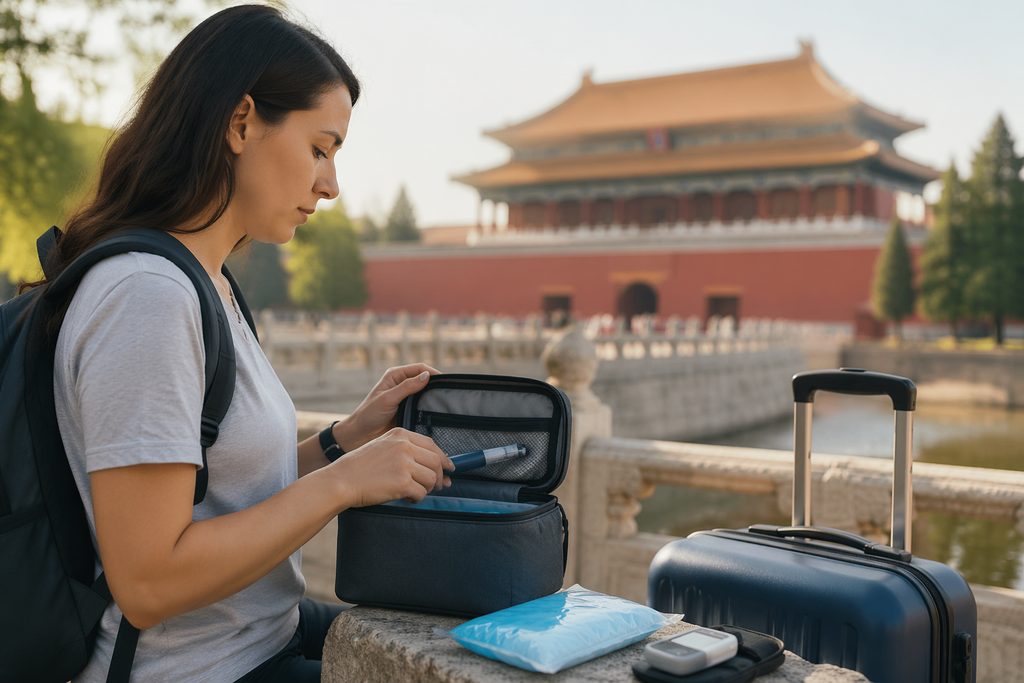
Managing diabetes while traveling or relocating to China raises one immediate question: can I get my insulin, and what will it cost? For most international patients, the short answer is yes — insulin is widely available in Chinese hospitals and pharmacies, and the insulin cost China for foreigners typically runs lower than in the United States or Western Europe. But “available” and “simple to obtain” are two different things. China’s pharmacy rules, prescription requirements, and hospital systems work differently from what you may be used to at home.
This guide walks through what insulin actually costs here, how foreigners buy it legally, whether it is safe, and how to arrange diabetes care through a Chinese hospital if you need ongoing treatment or a supply refill during your stay.
Key takeaway: Insulin in China is generally safe, regulated, and affordable — but you cannot simply walk into a pharmacy and buy it without a prescription the way you might in some countries. Planning ahead matters more than the price difference.
How This Actually Works, Step by Step
Let’s say you are a type 1 or type 2 diabetic planning a trip to China, or you are already here and running low. Here is the real sequence, in order.
Step one: confirm what you already have. Bring your original insulin pens or vials, your prescription documentation, and a doctor’s letter explaining your diagnosis and dosage. This letter is not optional if you want a smooth experience — it is what a Chinese endocrinologist will use to understand your regimen.
Step two: decide whether you need a refill or a full consultation. If you only need to top up a supply you already use, a hospital outpatient visit is usually enough. If your blood sugar has been unstable, or you are starting treatment in China, you need a proper endocrinology appointment.
Step three: go through a hospital, not a street pharmacy. Public hospitals require a face-to-face outpatient visit before they will issue a prescription. You cannot book a specialist appointment from overseas in advance at most public hospitals — you register on the day, queue, and see the doctor. This is the standard rule, not an exception.
Step four: fill the prescription. Once a doctor writes it, you collect the insulin either at the hospital pharmacy or a designated pharmacy. Payment is upfront; insurance reimbursement happens later, if at all.
For patients who want to lock in a specialist appointment and English-language support before arriving, the international or VIP department of a major hospital is the practical route. It costs more — often 1.5 to 2 times the standard fee — but it removes the language and queueing barriers that make a same-day public hospital visit difficult for a foreigner.
What Insulin Actually Costs in China
Prices vary by brand, type, and hospital, so treat every number below as a range, not a quote. That said, the pattern is consistent: imported and domestic insulin in China generally costs less than the same product in the US, and domestic brands are cheaper still.
| Insulin Type | Typical Price Range (USD) | Notes |
|---|---|---|
| Domestic human insulin (vial) | $8–$20 per vial | Cheapest option; widely stocked |
| Domestic analog insulin (pen) | $15–$35 per pen | Common in public hospitals |
| Imported analog insulin (pen) | $30–$70 per pen | Novo Nordisk, Sanofi, Eli Lilly brands |
| Insulin pump supplies | $150–$400 per month | Availability varies by hospital |
So how much does insulin cost in Shanghai specifically? In major cities like Shanghai, Beijing, and Guangzhou, prices at top public hospitals sit at the higher end of these ranges because they stock more imported brands. Smaller cities and domestic-brand-only pharmacies tend to be cheaper. The gap between Chinese and US prices is real, but it narrows for premium imported products.
One thing worth knowing: China’s national volume-based procurement program has pushed down prices on many common medicines in recent years, and insulin has been part of that effort. The practical effect for patients is that certain widely used insulins are noticeably cheaper than they were a few years ago.
A Realistic Timeline
If you are planning diabetes care or an insulin refill around a China trip, here is what the calendar actually looks like. The waiting steps people forget are document translation and appointment lead time.
| Stage | Typical Duration | What Happens |
|---|---|---|
| Gather records & doctor’s letter | 3–7 days | Diagnosis summary, current regimen, dosage |
| Translation (if needed) | 2–5 days | Chinese hospitals prefer Chinese-language records |
| Remote consultation (optional) | 3–10 days | Endocrinologist reviews records before arrival |
| Visa processing (S2) | 1–3 weeks | Depends on embassy and country |
| Hospital appointment | Same day to 1 week | Public hospitals: register on arrival |
| International dept. appointment | 1–2 weeks advance | Can often be pre-booked |
| Prescription & pickup | Same day | After the doctor visit |
Add buffer time. Nothing here is instant, and public hospital queues in big cities can eat an entire morning.
What Can Go Wrong — and What Happens Then
Honest failure modes matter more than optimistic promises.
Your specific brand is not stocked. China carries most major insulin brands, but not every formulation. If you rely on a niche product, you may need to switch to an equivalent — which should only happen under a doctor’s supervision, never on your own.
You arrive without documentation. Without a prescription record or doctor’s letter, a Chinese endocrinologist has to start from scratch. That means new tests, a new assessment, and delays. Bring paper and digital copies.
The language barrier blocks you. Top Chinese hospitals see tens of thousands of outpatients daily. Signage, forms, and pharmacy instructions are in Chinese. Without help, a simple refill can turn into a lost afternoon. A bilingual medical companion exists precisely for this.
Your insurance does not cover it. Most Chinese public hospitals require payment upfront. International insurance reimbursement is handled afterward, and not all policies cover pharmacy purchases abroad. Check before you travel.
The recourse for each of these is planning: verified records, a confirmed hospital route, and realistic expectations about queues and payment.
Is It Safe to Buy Insulin in China?
Yes — provided you buy through legitimate channels. Is insulin safe to buy in China is a fair question, and the answer hinges on where you buy it. Hospital pharmacies and licensed pharmacies operate under national drug regulation. Insulin requires cold-chain storage, and regulated pharmacies maintain that chain.
What you should avoid: unverified online sellers, informal resellers, and any source that cannot show a pharmacy license. Counterfeit or improperly stored insulin is a genuine risk in unregulated markets anywhere in the world, China included. Stick to hospitals and licensed pharmacies, and the safety profile is comparable to regulated markets elsewhere.
For international patients who want continuity, the safest path is a hospital-based endocrinology visit that produces a documented prescription, followed by pickup at that hospital’s pharmacy. This also creates a medical record you can share with your doctor back home.
Practical Considerations: Prescriptions, Visa, and Follow-Up
Prescriptions. Insulin is a prescription medicine in China. There is no legal way to buy insulin in China without prescription through a normal pharmacy. The workaround people ask about — buying it informally — is not something we would ever recommend.
Visa. If you are traveling to China specifically for medical treatment, the applicable short-stay category is the S2 visa, with accompanying family members applying under the same category. Note that the M visa is for commercial and trade activities and is not a medical visa. Requirements change, so confirm current rules with your nearest Chinese embassy or consulate and bring supporting hospital documents.
Payment. Public hospitals require upfront payment; private international hospitals often bill insurance directly. Private hospitals such as United Family, Jiahui, and Parkway cater to English-speaking patients and offer direct billing, at higher cost.
Follow-up at home. Ask for your prescription, test results, and a written summary in English before you leave. Your home physician will need these to continue your regimen.
If you want to explore hospital options, our directory of top-ranked Chinese hospitals lists facilities by city, and our specialty pages cover endocrinology and related departments.
Frequently Asked Questions
No. Insulin is a prescription-only medicine in China, and licensed pharmacies and hospitals will require a doctor’s prescription. Buying from unregulated sellers is both illegal and unsafe, since cold-chain storage cannot be verified.
In Shanghai’s major public hospitals, imported analog insulin typically runs $30–$70 per pen, and domestic brands are cheaper. That is generally well below US retail prices, though exact figures vary by hospital, brand, and whether you use the standard or international department.
Yes. International departments at major hospitals provide English-language endocrinology consultations, and private international hospitals offer full English service with direct insurance billing. Public hospital standard departments are cheaper but require navigating Chinese-language queues.
You can request a remote consultation first, sending your records for review by a Chinese endocrinologist. If you proceed, an appointment can be coordinated through a hospital’s international department, which is the practical route for pre-booking. Standard public hospital outpatient slots generally cannot be reserved from overseas.
Generally yes, for personal use, with documentation. Carry your prescription and a doctor’s letter explaining your condition and dosage. Keep insulin in appropriate cold storage during travel, and declare it if required by customs.
Your Next Step
Insulin in China is affordable, regulated, and accessible — but it works through a hospital system that rewards preparation over improvisation. Bring your records, plan for a face-to-face visit, and use a licensed channel every time.
China Medical Services connects international patients with top-ranked Chinese hospitals, from endocrinology consultations to bilingual accompaniment through registration, payment, and pharmacy pickup. We do not provide medical advice or guarantee specific appointments — we coordinate, translate, and guide. If you would like help mapping out your options, start with a free consultation and we will walk you through what is realistic for your situation.
This article is for general information only and is not a substitute for professional medical advice. Always consult a qualified physician about your insulin regimen and diabetes care.
For more medical information and treatment options in China, visit chinamedservices.com (China Medical Services).
