Fujian Provincial Hospital International Guide: Costs and Access
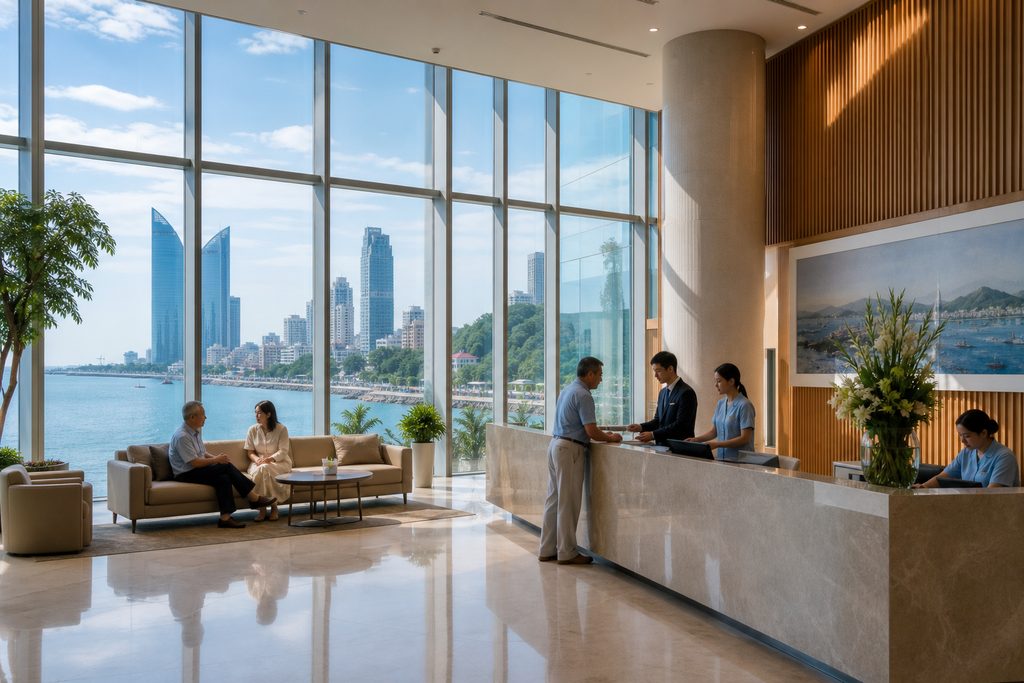
In the United States, the average knee replacement runs about $35,000 before insurance negotiations. In China, the same procedure at a top-tier public hospital typically lands between $8,000 and $15,000. Patients searching for a Fujian Provincial Hospital international guide are usually trying to understand where that middle ground sits — and whether a large provincial hospital in southeast China can actually deliver Western-standard care to someone who speaks no Mandarin.
Short answer: sometimes yes, sometimes no, and the difference usually comes down to preparation. This guide walks through what Fujian Provincial Hospital is, how foreigners actually get seen there, what the costs look like, and where the friction points hide.
How This Actually Works, Step by Step
Fujian Provincial Hospital (Fujian Shengli Yiyuan) sits in Fuzhou, the capital of Fujian province, and functions as one of the region’s largest tertiary referral centers. It is not a private international hospital. It is a public Grade 3A hospital — the highest tier in China’s classification system — which means it treats enormous patient volumes daily and operates under public-hospital rules.
That distinction matters enormously for a foreign patient. Here is the real sequence.
Step one: you send records, not a booking request. Before anyone at the hospital agrees to see you, an international coordination team needs your existing examination reports — imaging, lab work, pathology, discharge summaries. These get translated into Chinese. A relevant specialist reviews them and returns a written opinion: whether the case is treatable here, which department should handle it, and roughly what the treatment path looks like.
Step two: a remote consultation or written second opinion. This is where you actually hear from the medical side. For straightforward cases, a written second opinion from a senior specialist may be enough to decide. For complex cases, a video consultation lets you speak directly with the department team and ask questions.
Step three: appointment coordination. If the plan is feasible and you agree to proceed, the coordination team handles registration, creation of the hospital medical card, and scheduling. This is the part most foreigners underestimate. Public hospital outpatient slots at major Chinese hospitals cannot be reserved from overseas in the ordinary queue — you take a number the same day. The workaround is the hospital’s international or VIP channel, which is a separate, faster, more expensive track.
Step four: in-person consultation, then admission. Surgery cannot be scheduled before a face-to-face consultation with the surgeon. That is a firm rule at essentially every Chinese public hospital, and it exists for good clinical reasons. Once the surgeon meets you and confirms the plan, admission and the operating date get arranged.
Is Fujian Provincial Hospital Good for Foreigners?
For complex surgical and internal medicine cases, yes — it is a large tertiary referral center with high clinical volume. For patients who need an English-speaking environment, short waits, and direct insurance billing, a private international hospital is usually a better fit. The right answer depends on your diagnosis, not on the hospital’s reputation alone.
Surgical costs commonly fall between $8,000 and $25,000 depending on procedure and complexity, plus coordination services from $300 per day and travel costs. Final pricing must be confirmed by the hospital after records review. Any figure quoted before a specialist has seen your case is an estimate, not a price.
Foreigners traveling to China for treatment use the S2 visa, with accompanying family members applying under the same category. Confirm current documentary requirements with your nearest Chinese embassy or consulate, since these change. The M visa is not a medical visa.
It can. In-person examination sometimes reveals something imaging missed, and the surgeon may propose a revised approach. You review the options and decide whether to proceed. No ethical provider will pressure you into a procedure you have not consented to.
Your Next Step
Fujian Provincial Hospital can be an excellent choice for the right case — and a frustrating one for the wrong case handled without preparation. The determining factors are almost never the hospital itself. They are records, timing, language, and honest expectations.
We are a medical coordination service, not a hospital and not a broker of access. We translate records, arrange reviews through official international departments, and provide bilingual accompaniment on the ground. We do not promise admission, outcomes, or specific surgeons. If you want a straight assessment of whether your case fits a hospital like this one, start with a free consultation through China Medical Services — no obligation, and no pressure to travel.
Frequently Asked Questions
Yes. The hospitals used for international patients are JCI-accredited and follow the same international safety standards as top hospitals in the US and Europe. Surgical teams perform high volumes of procedures — often more than their Western counterparts — which studies show leads to better outcomes.
Costs vary by procedure and hospital, but international patients typically save 40-80% compared to US prices — even when factoring in travel and accommodation. A consultation with our team will give you an exact, all-inclusive quote with no hidden fees.
Send us your existing medical reports to get started. We handle everything from hospital selection and appointment scheduling to visa assistance and post-operative recovery planning. Your medical records are reviewed by the specialist before you even book a flight.
For more medical information and treatment options in China, visit chinamedservices.com (China Medical Services).
