Sun Yat-sen Cancer Center Guangzhou: Help for International Patients
Key Takeaways
- Sun Yat-sen University Cancer Center (SYSUCC) is consistently ranked among China’s top oncology hospitals, and international patients typically access care through its international department rather than the standard public queue.
- Treatment costs at top Chinese cancer centers often run 40–70% below comparable US care, though the exact figure depends on cancer type, stage, and treatment protocol.
- The biggest barrier is not quality — it is logistics. Public hospital registration, Chinese-language consent forms, and prepayment requirements can stall a foreign patient within the first 48 hours.
- Understanding the referral pathway, visa category, and realistic timelines before booking flights prevents the most expensive mistake: arriving unprepared.
The Problem: When a Cancer Diagnosis Collides With a Broken System
You have probably heard that seeking cancer care in China means settling for second-tier medicine. The reality runs in the opposite direction — and the gap between perception and fact is costing patients time they cannot afford to lose.
In the United States, the average wait from a suspicious scan to the start of cancer treatment runs 3 to 6 weeks at major academic centers, and longer in rural regions. In Canada and the UK, the picture is worse. A 2023 report from the Canadian Institute for Health Information found that fewer than 70% of patients received radiation therapy within the benchmark window. In the UK, NHS cancer waiting-time targets have been missed for years running, with some patients waiting over 100 days for treatment to begin.
Meanwhile, the financial side is brutal. The American Cancer Society and independent cost studies consistently show that a single year of cancer treatment in the US can exceed $150,000 — and that is before the indirect costs of lost income, travel, and family disruption. For patients paying out of pocket or facing insurance denials, the arithmetic becomes impossible.
So the question shifts. Not “can I afford this?” but “where can I get treated quickly, safely, and at a cost that does not bankrupt my family?” That question leads many international patients to China — and specifically to Guangzhou.
Why Sun Yat-sen University Cancer Center Stands Out
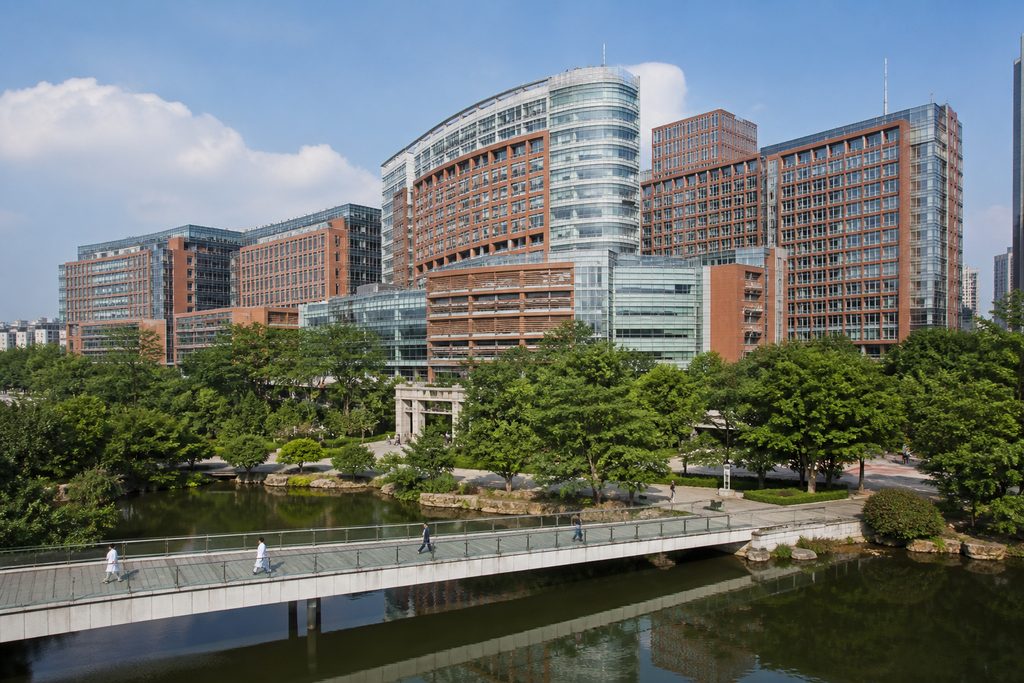
SYSUCC is not a small regional hospital. It is one of the largest and most research-intensive cancer centers in Asia, with a patient volume that would overwhelm most Western facilities. That volume matters — for reasons that go beyond prestige.
Clinical Volume and Oncology Expertise
China’s Fudan Hospital Rankings place SYSUCC among the top tier for oncology in the specialty reputation ranking. The center treats tens of thousands of new cancer patients annually, spanning nasopharyngeal carcinoma, lung cancer, breast cancer, liver cancer, colorectal cancer, and hematologic malignancies. High case volume translates directly into surgical and clinical experience that low-volume centers simply cannot replicate.
Nasopharyngeal carcinoma is a useful example. It is relatively rare in Western populations but far more common in southern China, which means SYSUCC clinicians have treated more cases of this cancer than nearly any hospital outside the region. For a patient diagnosed with NPC in Europe or North America, that concentration of expertise is not a minor advantage. It is the whole point.
Technology and Treatment Modalities at Scale
SYSUCC operates advanced radiotherapy platforms, including proton and heavy-ion capabilities through affiliated facilities, alongside robotic surgery, interventional radiology, and immunotherapy protocols. The center runs hundreds of clinical trials, giving eligible patients access to novel agents that may not yet be approved in their home countries.
This is not marketing language. It reflects a structural reality: China’s top cancer centers have invested heavily in equipment and trial infrastructure over the past 15 years, and the result is a treatment environment that rivals — and in some subspecialties exceeds — what patients find in the West.
Cost Structure Without Quality Compromise
Here is the honest answer to the obvious objection. Lower costs in China do not come from cutting corners on clinical care. They come from labor economics, hospital operational efficiency, and government price controls on drugs and procedures.
A surgeon in the US earns several times what a comparable Chinese specialist earns. A hospital bed in Guangzhou costs a fraction of a bed in Boston. Pharmaceutical pricing is negotiated nationally, often at a fraction of US list prices. None of that changes the skill of the person holding the scalpel.
Sun Yat-sen Cancer Center Guangzhou Treatment Cost: What to Expect
This is the question every international patient asks first, and it deserves a straight answer — with the caveat that no responsible source can quote a fixed price without knowing your diagnosis.
That said, published ranges and patient-reported figures give a useful picture. The following table compares typical costs for common cancer treatments between SYSUCC and average US pricing. All figures are in USD and reflect 2025 estimates.
| Treatment Type | SYSUCC (Guangzhou) | US Average | Approximate Savings |
|---|---|---|---|
| Chemotherapy cycle (per cycle) | $800 – $2,500 | $8,000 – $20,000 | 70–90% |
| Radiation therapy (full course) | $8,000 – $18,000 | $40,000 – $90,000 | 70–80% |
| Surgical tumor resection | $10,000 – $25,000 | $50,000 – $150,000 | 70–85% |
| Targeted therapy (monthly) | $1,500 – $5,000 | $10,000 – $25,000 | 60–80% |
| PET-CT scan | $800 – $1,500 | $3,000 – $6,000 | 65–75% |
These ranges vary by hospital and case complexity. A stage I breast cancer patient may spend $15,000 on a full treatment course at SYSUCC; a stage IV patient requiring multiple modalities over 12 months could spend $60,000 or more. The point is not the specific number — it is the order of magnitude.
For patients without insurance coverage, or those whose insurer refuses to cover overseas treatment, that difference is often the deciding factor between pursuing aggressive treatment and settling for palliation.
How to Get an Appointment at Sun Yat-sen Cancer Center
This is where most international patients hit a wall. The Chinese public hospital system was not designed with foreign patients in mind, and the process is genuinely different from what you would expect in the US or Europe.
Standard public registration at SYSUCC works on a same-day or short-window basis. You cannot simply book an appointment online from overseas and walk in. For international patients, the realistic pathway runs through the hospital’s international department or VIP channel, which handles foreign patients separately.
Here is what the process typically looks like:
- Step 1 — Records review. You send your existing imaging, pathology reports, and clinical history. A Chinese oncology specialist reviews them remotely and assesses whether SYSUCC is the right fit for your case.
- Step 2 — Video or written second opinion. Many patients start here. A video consultation with the oncology team costs $100–$300 for a standard international department, or $500–$800 for a top specialist. A written second opinion from a senior expert runs $300–$500.
- Step 3 — Appointment coordination. If you decide to travel, the hospital’s international office or a coordination service arranges your registration, medical card creation, and initial consultation slot. Appointment coordination starts from $300.
- Step 4 — In-person consultation and treatment planning. You meet the specialist, undergo any additional testing, and receive a treatment plan. Surgery or admission follows only after this in-person assessment.
For patients who want to reduce unnecessary early travel, a written second opinion or video consultation is often the smartest first move. It costs less, takes days rather than weeks, and gives you a clear picture of whether traveling to Guangzhou makes sense.
Is Cancer Treatment in China Safe for Foreigners?
This is the question that keeps people up at night, and it deserves more than a reassurance. Let’s look at what “safe” actually means in this context.
China’s top-tier hospitals — including SYSUCC — are accredited institutions with standardized protocols, sterile surgical environments, and outcomes data that compare favorably with international benchmarks. The relevant comparison is not “China vs. the West” as a whole. It is “top Chinese cancer center vs. your local hospital.”
Several factors support the safety case:
- Volume and specialization. Centers like SYSUCC perform procedures at volumes that reduce complication rates through sheer repetition and team familiarity.
- Standardized protocols. Treatment guidelines at top Chinese centers follow international oncology standards, including NCCN-aligned regimens for most major cancers.
- Clinical trial access. For patients who have exhausted standard options, SYSUCC’s trial portfolio offers legitimate pathways to novel therapies.
What about the risks? They are real and worth naming. Language barriers can lead to miscommunication about symptoms or consent. Public wards are crowded, and privacy standards differ from Western norms. Follow-up care after you return home requires coordination with your local oncologist, and not all Chinese medical records are easily translated or transferred.
These are logistics problems, not quality problems. But they matter — and ignoring them is how patients end up frustrated.
For a broader view of how international patients navigate China’s hospital system, see our guide to China’s top-ranked hospitals.
Best Cancer Hospital in Guangzhou China for International Patients: How to Evaluate Your Options
SYSUCC is not the only option in Guangzhou, and it may not be the right one for every case. Here is how to think about the decision.
Guangzhou is home to 10 hospitals in the Fudan Top 100 — the third-highest concentration in China after Beijing and Shanghai. That means genuine choice, but also genuine complexity. The right hospital depends on your cancer type and what you need.
| Factor | What to Look For | Why It Matters |
|---|---|---|
| Specialty match | Fudan specialty ranking for your cancer type | A top-10 oncology hospital is not automatically best for, say, sarcoma |
| International department | English-speaking staff, dedicated registration | Determines how smoothly you can actually access care |
| Case volume for your cancer | Annual treated cases of your specific diagnosis | Volume correlates with outcome in complex oncology |
| Clinical trial access | Active trials relevant to your stage and mutation profile | Matters most for advanced or refractory disease |
| Follow-up coordination | Willingness to share records with your home oncologist | Continuity of care after you return home |
For patients with common cancers — lung, breast, colorectal, liver — SYSUCC’s breadth makes it a strong default. For rarer malignancies, it is worth checking whether another Guangzhou hospital has deeper subspecialty experience. Our oncology department rankings break this down by cancer type.
One more consideration: private international hospitals in Guangzhou, such as those with JCI accreditation, offer a different experience — English-speaking staff, direct insurance billing, Western-style rooms. They typically refer complex oncology cases to SYSUCC or similar public centers while handling the surrounding logistics and primary care.
Practical Considerations: Visa, Payment, and Logistics
Getting the medical side right is only half the battle. The other half is administrative, and it trips up more patients than clinical issues do.
Visa. For medical treatment in China, the applicable short-stay category is the S2 visa, issued for medical treatment and private affairs. Family members accompanying you should also apply for S2. The M visa is for commercial and trade activities — it is not a medical visa, and using it for treatment creates problems at the border. Requirements change, so confirm current rules with your nearest Chinese embassy or consulate and bring supporting documents from the hospital.
Payment. Chinese public hospitals generally require prepayment before treatment. International credit cards are accepted at international departments but not always at standard cashier windows. Wire transfers to hospital accounts are common. Private international hospitals often bill insurance directly. If you are paying out of pocket, budget for the full estimated treatment cost plus a buffer for complications or extended stay.
Language. This is the single biggest practical obstacle. Signs, consent forms, pharmacy instructions, and nursing communication are in Chinese. Even in international departments, not every staff member speaks fluent English. A bilingual medical companion — from $300 per day — handles registration, queuing, payment, translation, and navigation.
Records. Bring your full medical history in English and, ideally, translated into Chinese. Pathology slides and imaging on disc are essential. Without them, the specialist cannot give you a meaningful opinion.
Follow-up. Before you leave China, ask for a written treatment summary and imaging in a format your home oncologist can read. Arrange a handover. Cancer care is a marathon, not a sprint, and the transition home is where continuity often breaks down.
For a complete walkthrough of the China medical travel process, our team at China Medical Services maintains a step-by-step resource covering hospital selection, appointment coordination, and bilingual support.
Frequently Asked Questions
You cannot book a standard public appointment from overseas. The realistic pathway is through the hospital’s international department, which requires you to submit your medical records first. A remote review or video consultation typically precedes any travel. Appointment coordination services start from $300, and no one can guarantee a specific surgeon or date.
At top-tier centers like SYSUCC, clinical standards and outcomes are comparable to leading Western hospitals. The real risks are logistical — language barriers, crowded public wards, and fragmented follow-up after you return home. These are manageable with preparation, but they are not trivial.
Most treatments cost 60–85% less than US averages. A full radiation course might run $8,000–$18,000 versus $40,000–$90,000 in the US. Chemotherapy cycles, surgery, and targeted therapy show similar gaps. Exact costs vary by hospital, cancer type, stage, and treatment protocol.
Most international insurers do not bill directly at Chinese public hospitals. You typically pay upfront and seek reimbursement afterward. Some private international hospitals in Guangzhou offer direct billing. Check with your insurer before committing to a treatment plan.
Top Chinese hospitals have emergency protocols and intensive care capabilities comparable to Western centers. The harder scenario is a complication after you return home, when your local doctors may not have full records. Request a complete written summary and imaging before departure, and arrange a direct handover with your home oncologist.
Your Next Step
The takeaway is simple: SYSUCC offers world-class oncology care at a fraction of Western costs, but accessing it requires navigating a system that was not built for foreign patients. Understanding the pathway — records first, remote consultation, then travel — prevents the most common and expensive mistakes.
China Medical Services is a coordination service, not a hospital. We do not provide diagnoses or medical advice. We help international patients connect with top Chinese hospitals, arrange second opinions and appointments, and provide bilingual support on the ground. If you are considering treatment in Guangzhou, a written second opinion or video consultation is a low-risk way to start. You can begin with a free consultation through our patient support page.
This article is for informational purposes only and does not
For more medical information and treatment options in China, visit chinamedservices.com (China Medical Services).
