Snoring Surgery Cost in China for Foreigners: 2026 Price Guide
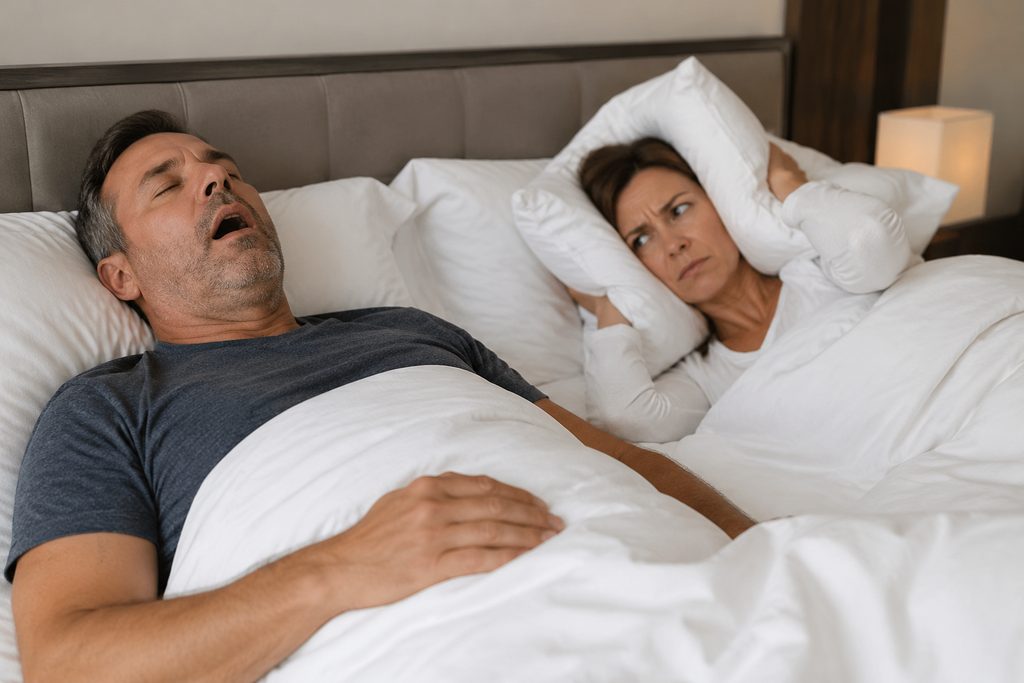
Snoring Surgery Cost in China for Foreigners: A Complete 2026 Guide
Roughly 1 in 4 adults snores habitually, and about 1 in 10 has obstructive sleep apnea serious enough to affect heart health. In the United States, a single sleep surgery procedure can bill out at $15,000 to $40,000 before insurance negotiations. That gap is why searches for snoring surgery cost China have climbed steadily among international patients. At top Chinese public hospitals, the same category of procedure — uvulopalatopharyngoplasty, laser-assisted palatal surgery, or nasal airway correction — typically lands between $2,500 and $8,000 all-in. The savings are real. So are the logistics.
Key takeaway: China’s top-tier hospitals deliver sleep surgery at roughly one-fifth to one-tenth of U.S. prices, but public-hospital rules mean you cannot simply book a surgical slot from overseas. The workable path runs through a remote evaluation first.
How This Actually Works, Step by Step
Here is the sequence, without the marketing gloss.
Step one: you send records. A polysomnography report, an ENT examination summary, any drug-induced sleep endoscopy (DISE) video, a list of prior treatments (CPAP, oral appliances, nasal surgery), plus basic imaging if you have it. Reports in English are fine to start; our team handles translation into Chinese for the hospital.
Step two: a Chinese specialist reviews the file. This is a written second opinion. You receive an analysis of whether surgery is even appropriate for your anatomy and apnea severity, which procedure type fits, and what the realistic outcome range looks like. Written second opinions from top-hospital specialists run $300–500 and are for reference only — not a prescription.
Step three: a video consultation, if you want one. You speak directly with the specialty team, describe your symptoms and goals, and hear their recommendations. A standard international-department video consultation costs $100–300; a top-specialist session runs $500–800; a multidisciplinary team panel is $1,500–2,000.
Step four: you decide. If surgery looks reasonable and you agree to proceed, coordination begins — appointment scheduling through the hospital’s international or VIP channel, visa guidance, arrival support, and a bilingual companion for the actual hospital days.
What we do not do: promise a surgical date, promise a specific surgeon, or guarantee an outcome. Public hospitals in China generally require an in-person outpatient consultation before any operation is scheduled. That rule applies to everyone.
What Snoring and Sleep Apnea Surgery Actually Costs in China
Prices vary by hospital tier, city, procedure type, and how many anatomical levels need correction. A single-level palatal procedure costs far less than multi-level surgery combining nose, palate, and tongue base. The table below reflects typical ranges at top-ranked public hospitals and private international hospitals, quoted in U.S. dollars.
| Procedure | Typical Range (China) | Typical Range (U.S.) |
|---|---|---|
| Laser-assisted uvulopalatoplasty (LAUP) | $1,500–4,000 | $5,000–12,000 |
| Uvulopalatopharyngoplasty (UPPP) | $3,000–8,000 | $15,000–40,000 |
| Septoplasty / nasal valve repair | $2,000–6,000 | $8,000–20,000 |
| Multi-level sleep surgery | $6,000–15,000 | $30,000–80,000 |
| Pre-op sleep study (in-hospital) | $300–800 | $1,500–4,000 |
Private international hospitals — JCI-accredited facilities with English-speaking staff and direct insurance billing — sit at the upper end, often 1.5 to 2 times the public-hospital rate. Public hospitals require prepayment, with insurance reimbursement handled afterward in your home country.
For patients comparing cities, the question of how much laser snoring surgery costs in Shanghai versus Beijing usually comes down to hospital tier rather than the city itself. Beijing and Shanghai pricing is broadly comparable at equivalent facilities. You can browse ranked options by city through our Fudan-ranked hospital directory.
Which Hospitals Do This Well
China has more than 35,000 hospitals. Our database covers 340+ top-ranked institutions across 37 cities — the top 5% by Fudan University rankings and JCI accreditation. For sleep and airway surgery, the relevant specialties are Otolaryngology (ENT) and Respiratory Medicine.
Beijing concentrates 21 of the Fudan Top 100 hospitals, more than any other city. When patients ask about the best sleep apnea surgery hospitals Beijing offers, the shortlist generally includes large general hospitals with dedicated ENT departments and separate international clinics. Shanghai follows with 18, then Guangzhou with 10.
One practical distinction matters more than rankings. Public hospital regular outpatient clinics cannot be pre-booked from abroad — you queue on the day. International departments and VIP channels can be coordinated in advance, with senior specialists and English-language support, at roughly 1.5–2x the standard fee. That premium buys scheduling certainty and communication, not a different surgeon’s hands.
A Realistic Timeline
Most international patients underestimate the front end and overestimate the back end. Here is how it usually runs.
| Stage | Realistic Duration |
|---|---|
| Records gathered and translated | 3–10 days |
| Written second opinion returned | 3–7 business days |
| Video consultation scheduled and held | 1–2 weeks from first contact |
| S2 visa application and processing | 1–3 weeks (varies by consulate) |
| Appointment lead time at international department | 1–4 weeks |
| In-person consultation and pre-op workup | 2–4 days in China |
| Surgery and hospital stay | 3–7 days |
| Recovery before flying home | 10–14 days |
Total from first email to surgery: typically 6 to 12 weeks. The visa step is the one people forget. Foreigners coming to China for medical treatment apply for the S2 visa, annotated for medical purposes; stays beyond 180 days use S1. Accompanying family members apply for S2 as well. Note that the M visa is a commercial and trade category and has nothing to do with medical treatment — if a facilitator tells you otherwise, that is a red flag.
What Can Go Wrong — and What Happens Then
Honest failure modes, in order of frequency.
The surgery turns out not to be indicated. Plenty of snoring is positional, nasal, or weight-related, and a specialist may recommend CPAP optimization or a mandibular advancement device instead. You have spent $300–500 on a second opinion and saved yourself a procedure. That is a good outcome, not a wasted one.
The hospital cannot offer your preferred date. Surgical schedules at major public hospitals are tight. Our appointment coordination service is priced from $300, and if we cannot secure the appointment shown in your order, that fee is refunded in full. We cannot promise a specific surgeon or a specific date — nobody credibly can.
The visa is delayed or refused. Consular decisions are outside anyone’s control. Apply early, submit complete hospital documentation, and never book non-refundable flights before the visa is in hand.
Outcome is partial. Sleep surgery reduces apnea severity in many patients but rarely eliminates snoring entirely. Roughly a third of UPPP patients see significant long-term improvement; others need adjunct treatment. Any provider promising a cure is selling something that does not exist.
Be cautious with any overseas intermediary who claims to “reserve” a surgical slot, guarantees a named professor, or quotes a single flat price before seeing your sleep study. Legitimate coordination is case management — records, scheduling through official hospital channels, and language support — not purchased access.
Is Snoring Surgery Safe in China for Foreigners?
The honest answer: the surgical safety profile at top-tier Chinese hospitals is comparable to Western academic centers, and the variable that matters most is not the country — it is the hospital tier and the surgeon’s volume.
China’s leading public hospitals perform enormous surgical volumes. Fuwai Hospital, for example, handles over 14,000 cardiac operations a year, the highest volume globally in its field. That scale translates into deep institutional experience across specialties, including ENT. Major centers maintain JCI accreditation, and private international hospitals such as United Family, Jiahui, Parkway, and Raffles operate to Western clinical and service standards with English-speaking staff.
What genuinely complicates a foreign patient’s experience is not clinical quality. It is the system. A top Chinese hospital can see more than 10,000 outpatients in a single day. Signage, registration systems, payment counters, and pharmacy queues operate in Chinese. Without language support, a straightforward surgical admission becomes genuinely difficult. This is the practical reason bilingual medical companions exist — from $300 per day for a half or full day of queueing, registration, payment, wayfinding, translation, and accompaniment.
For patients weighing whether to book snoring surgery in China through medical tourism channels, the sensible test is this: can the provider explain, in writing, which hospital, which department, what the evaluation process is, and what happens if the plan changes? If yes, you are dealing with coordination. If the answer is vague enthusiasm, walk away.
Practical Considerations: Records, Visas, Payment, Follow-Up
Records. Bring your polysomnography report with AHI and oxygen desaturation values, not just a summary letter. Surgeons make decisions on numbers.
Visa. S2 for treatment stays under 180 days, S1 for longer. Requirements shift; confirm current rules with the Chinese embassy or consulate in your country before applying.
Payment. Public hospitals require prepayment. Private international hospitals frequently bill insurers directly. If you carry international health insurance, ask about direct billing before you travel.
Language. Assume nothing is in English outside international departments. Budget for a companion if you are traveling alone.
Follow-up. Arrange a repeat sleep study at home 3–6 months post-surgery. Ask your Chinese surgeon to prepare a discharge summary in English for your local ENT.
Packages that bundle consultation, surgery, hospital stay, and companion services for international patients do exist, and they can simplify budgeting — but always ask what is excluded. Post-op medications, additional nights, and revision procedures are common exclusions.
Frequently Asked Questions
You can get a realistic range from a written second opinion, typically within a week. A binding quote usually comes only after in-person examination, because the procedure type depends on findings. Budget the mid-to-upper end of the range and treat anything lower as a pleasant surprise.
No, but you need someone who does. International departments at major hospitals have English-speaking coordinators. Outside those departments — registration, imaging, pharmacy, billing — English is rare. A bilingual medical companion covers that gap for from $300 per day.
Plan on two to three weeks: a few days for consultation and pre-op testing, three to seven days in hospital, then ten to fourteen days of recovery before a long flight. Palatal surgery carries bleeding risk in the first two weeks, and air travel too early is unwise.
Sometimes, but rarely automatically. Most Western insurers require pre-authorization and treat overseas providers as out-of-network. Public hospitals in China generally require you to pay upfront and seek reimbursement afterward. Get written confirmation from your insurer before committing.
Your Next Step
Snoring surgery in China costs a fraction of Western prices, and the clinical standards at top-ranked hospitals are genuinely strong. The friction is logistical, not medical — and that friction is manageable with the right preparation. Our team at China Medical Services connects international patients with 340+ top-ranked hospitals across 37 cities. We are coordinators, not doctors: we do not diagnose, operate, or promise outcomes. If you would like a specialist to review your sleep study and tell you honestly whether surgery makes sense, start with a free consultation. No pressure, no obligation.
This article is for general information only and does not constitute medical advice. Treatment decisions should be made with a qualified physician who has reviewed your individual case.
For more medical information and treatment options in China, visit chinamedservices.com (China Medical Services).
