Fall Risk Assessment in China: Booking Made Simple for Families
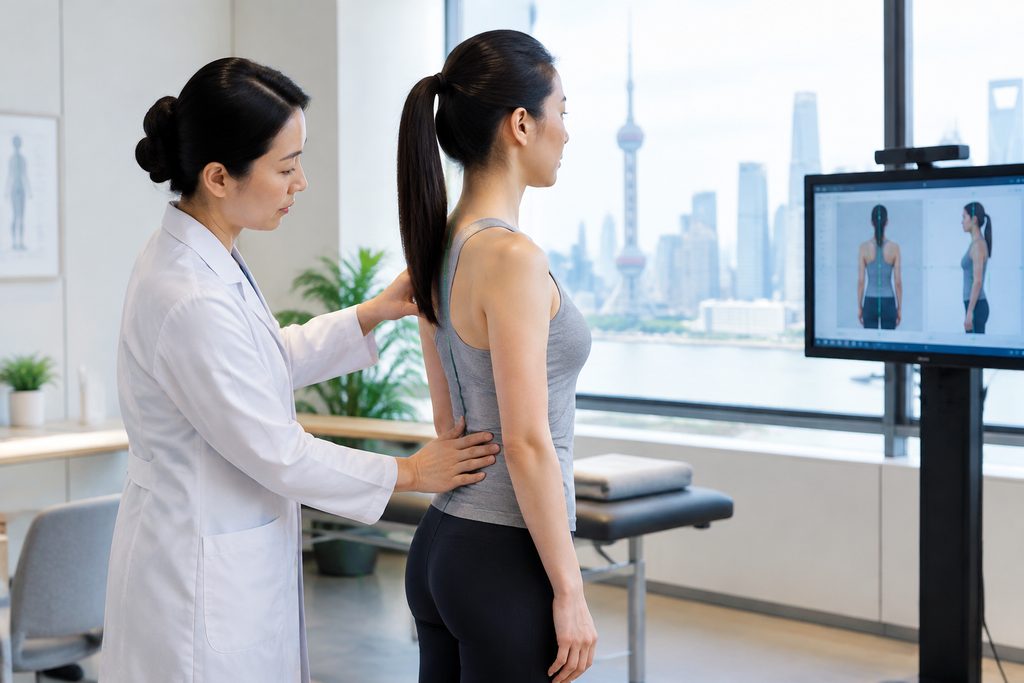
Fall Risk Assessment in China: Booking Made Simple
Roughly one in four adults over 65 falls each year, according to the U.S. Centers for Disease Control and Prevention — and falls remain the leading cause of injury-related death in that age group. For families weighing a fall risk assessment cost China quote against what they’d pay at home, the numbers are often startling in a good way. A comprehensive gait, balance and bone-density evaluation at a top Chinese hospital frequently runs a fraction of the U.S. price. The harder part isn’t the medicine. It’s the booking.
That’s what this guide is for.
How This Actually Works, Step by Step
Here’s the real sequence, from your living room to a completed assessment.
Step one: you gather records. Prior imaging, medication lists, a history of any previous falls, recent bloodwork, and a note on what worries you most. Hip fracture history matters. So does dizziness, neuropathy, or a recent medication change.
Step two: we translate and summarize. Chinese hospital international departments review English documents, but a clean Chinese summary speeds everything up. Our team prepares that.
Step three: a specialty reviews the file. Depending on the case, this might be geriatrics, neurology, orthopedics, or rehabilitation medicine. You receive a written opinion — typically within three to seven business days — outlining what tests are appropriate and whether travel is even necessary.
Step four: you decide on a video consultation or an in-person visit. Video sessions let the physician see you walk, hear your history, and refine the plan. In-person assessment adds hands-on balance testing and imaging on the same day.
Step five: we coordinate the appointment. Registration, medical card creation, department scheduling, and a bilingual companion on the ground.
Nothing here requires you to commit to surgery or a long stay. Most fall risk evaluations are outpatient.
What a Fall Risk Assessment in China Actually Involves
A proper evaluation is not a single test. At major Chinese tertiary hospitals, a fall risk workup typically bundles several components:
- Gait and balance testing — timed up-and-go, Berg Balance Scale, or computerized posturography at larger rehabilitation centers
- Muscle strength and grip assessment — sarcopenia screening is standard in geriatric departments
- Bone density (DEXA scan) — to check for osteoporosis, a major fracture risk driver
- Neurological review — for peripheral neuropathy, Parkinsonian symptoms, or vestibular disorders
- Medication audit — sedatives, antihypertensives and antidepressants all raise fall risk
- Vision and hearing checks — often overlooked, frequently relevant
- Home hazard counseling — practical, and included at most rehabilitation departments
At many top-tier facilities, the whole package can be completed across one or two visits. That’s a meaningful difference from systems where each specialist requires a separate referral and a separate wait.
A Realistic Timeline
Timelines vary by hospital, season and visa processing. Here’s what a typical case looks like.
| Stage | Typical Duration | Notes |
|---|---|---|
| Records collection and translation | 3–7 days | Longer if records are scattered across providers |
| Written second opinion | 3–7 business days | Top-hospital specialists; complex cases take longer |
| Video consultation scheduling | 5–10 days | Depends on specialist availability |
| S2 visa application | 4–10 business days | Varies by consulate; supporting hospital documents required |
| Appointment coordination | 1–3 weeks | International department slots fill faster in spring and autumn |
| Travel and assessment | 3–7 days in China | Most assessments are outpatient |
| Report delivery | 3–10 days after visit | Translated summary available on request |
Add buffer. Flights get delayed. Consulates get busy. A realistic planning window from first contact to completed assessment is four to eight weeks.
What Can Go Wrong — and What Happens Then
Honesty matters more than optimism here.
You can’t get the exact specialist you wanted. Chinese public hospital registration doesn’t work like booking a restaurant table. If a named professor’s clinic is full, we’ll propose alternatives within the same department. No coordinator can guarantee a specific physician on a specific date — anyone who promises that is overpromising.
Your visa takes longer than expected. S2 applications require supporting documents from the treating hospital. If those arrive late, the whole schedule shifts. Apply as early as your documents allow, and never book non-refundable flights before the visa is in hand.
The assessment finds something unexpected. A DEXA scan might reveal severe osteoporosis. A neurological exam might flag something requiring further imaging. That’s not a failure — it’s the point of the assessment. But it can extend your stay. Budget flexibility in both time and money.
Language breaks down at the wrong moment. Even in international departments, not every technician, nurse or cashier speaks English. This is where a bilingual medical companion earns their fee — handling registration, queueing, payment, and translating during the actual examination.
You paid for a consultation that didn’t lead anywhere. If a video consultation concludes that treatment at home is more appropriate, that’s a valid outcome, not a wasted expense. Our consultation fees are credited in full toward on-the-ground coordination if you proceed within 90 days — a one-time credit applied to the coordination fee only, never to hospital charges.
What the Numbers Mean — and How to Read Them
Costs for a fall risk assessment in China depend on three variables: hospital tier, whether you use the standard or international channel, and how many specialists are involved.
At a top public hospital’s international department, a comprehensive geriatric assessment with DEXA, gait testing and specialist consultations typically lands in the low-to-mid hundreds of U.S. dollars — often less than a single specialist copay in some Western systems. Private international hospitals like United Family or Jiahui charge more, but offer English-speaking staff and direct insurance billing.
What drives the price up? Imaging beyond DEXA. Extended neurological workup. Multiple department visits. What keeps it low? A focused, single-department evaluation with a clear question to answer.
Comparing quotes? Ask what’s included. A “cheap” assessment that excludes bone density or balance testing isn’t cheap — it’s incomplete.
Practical Considerations: Records, Visas, Payment and Follow-Up
Records. Bring everything. Chinese specialists work efficiently with complete files and slowly with fragments. Digital copies are fine; originals help for imaging.
Visa. Foreign patients coming to China for medical treatment typically use the S2 visa, which covers short-stay medical and private affairs. Family members accompanying a patient apply under the same category. The M visa is for commercial and trade activities only — it is not a medical visa. Requirements change; always confirm current rules with your nearest Chinese embassy or consulate.
Payment. Public hospitals generally require prepayment, with insurance reimbursement handled afterward in your home country. Private international hospitals often bill insurers directly. Confirm before you arrive.
Insurance. Most U.S. and European plans reimburse overseas care at out-of-network rates, if at all. Get pre-authorization in writing where possible.
Follow-up. Ask for a translated discharge summary and any imaging on disc. Your physician at home will want both. Rehabilitation plans — strength training, balance exercises, home modifications — matter as much as the diagnosis itself.
Language and companion support. A bilingual medical companion runs from $300 per day (half-day or full-day), covering registration, queueing, payment, wayfinding, translation and accompaniment. It does not guarantee a specific specialist. Airport transfers run $200 round-trip.
Frequently Asked Questions
Yes. These are non-invasive evaluations — gait testing, DEXA scans, neurological exams, medication reviews. The main risks are logistical, not clinical: language barriers, unfamiliar hospital layouts, and the sheer scale of Chinese tertiary hospitals, some of which see over 10,000 outpatients daily. A bilingual companion resolves most of that.
At a top public hospital’s international department, expect a comprehensive evaluation in the low-to-mid hundreds of USD, varying by hospital and case complexity. Private international hospitals cost more. Final quotes depend on which tests your case requires — a written second opinion clarifies that before you travel. For a broader picture of what different hospitals charge, see our ranked hospital directory by city.
Standard public hospital outpatient slots generally cannot be reserved from overseas. Pre-booked appointments typically run through international or VIP departments, where costs are roughly 1.5 to 2 times the standard channel. We coordinate registration and scheduling through official hospital channels — if we can’t secure the appointment you requested, the coordination fee is refunded in full.
Not in the packaged-vacation sense. What exists is staged coordination: written second opinion, video consultation, then in-person assessment if warranted. This approach reduces unnecessary travel and lets you build confidence before committing. For patients also exploring rehabilitation or traditional medicine, our TCM hospital directory covers accredited facilities offering acupuncture and therapeutic massage.
Shanghai has 18 hospitals in the Fudan Top 100 ranking, second only to Beijing. Geriatrics, neurology and rehabilitation departments there are strong across multiple institutions. You can browse options through our specialty rankings by department or our Shanghai city page.
Your Next Step
A fall risk assessment is one of the few medical evaluations where early action genuinely changes outcomes — identifying osteoporosis or balance deficits now can prevent a fracture later. China offers world-class geriatric and rehabilitation medicine at a fraction of Western prices, and the booking process is more navigable than most people assume. We’re China Medical Services, and we connect international patients with 340+ top-ranked hospitals across 37 cities. We don’t practice medicine and we don’t promise outcomes — we handle the logistics, the language, and the coordination so your energy goes toward recovery, not paperwork. When you’re ready, start with a free consultation and we’ll map out the options together.
This article is for informational purposes only and does not constitute medical advice. Always consult a qualified physician regarding your individual health situation.
For more medical information and treatment options in China, visit chinamedservices.com (China Medical Services).
