Endoscopy in China: After-Effects, Recovery, and What to Expect
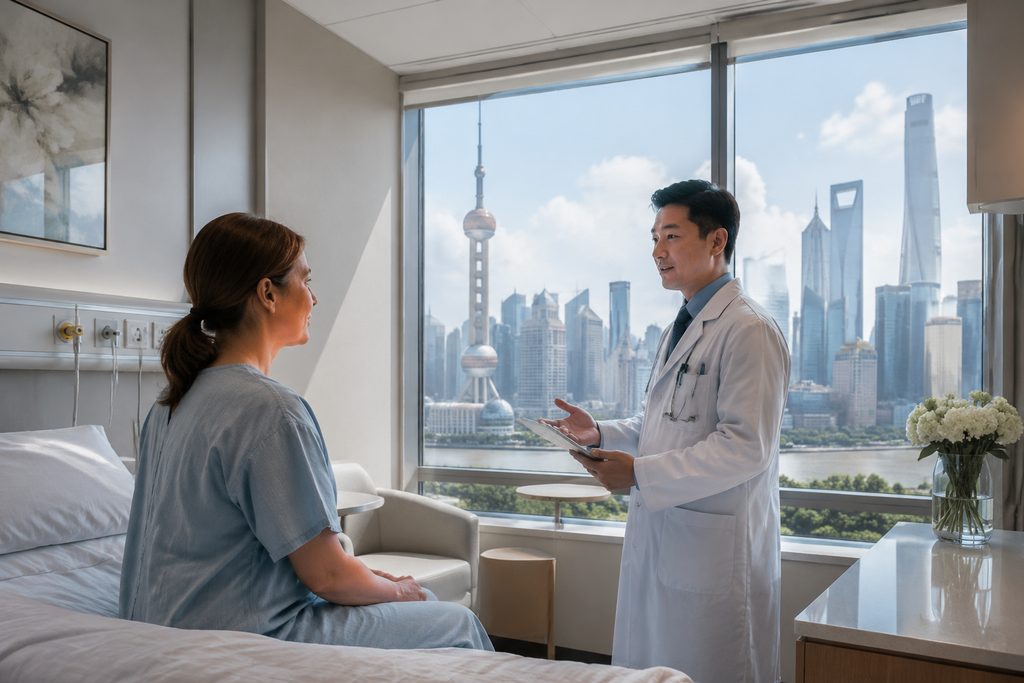
Endoscopy in China: After-Effects, Recovery, and What to Expect
Every year, thousands of international patients travel to China for medical procedures, and diagnostic endoscopy ranks among the most requested. A 2023 industry analysis estimated that over 300,000 foreign patients sought care in China annually before the pandemic, with gastrointestinal diagnostics representing a significant share of those visits. If you are researching endoscopy in China and wondering what happens after the procedure, you are asking the right question. The after-effects matter. So does knowing when they are normal and when they are not.
This guide walks you through the full picture: what endoscopy involves, what recovery looks like, how much it costs compared to Western countries, and how to navigate the Chinese healthcare system without getting lost in it.
How This Actually Works, Step by Step
The process of getting an endoscopy in China as an international patient follows a predictable path. Understanding it upfront removes most of the anxiety.
Step one is the remote consultation. You send your existing examination reports, prior endoscopy results if you have them, and a summary of your symptoms. The relevant Chinese gastroenterology department reviews these materials and provides a written second opinion. This step typically takes three to seven business days, depending on how quickly records are translated and reviewed.
Step two is the video consultation. Here you speak directly with the Chinese specialty team online. You explain your symptoms and goals. They explain what they recommend and why. This is where you ask the uncomfortable questions: What sedation do you use? Who performs the procedure? What is the complication rate?
Step three is scheduling. Once you agree on a plan, our team coordinates the appointment through the hospital’s international department or VIP channel. Standard outpatient endoscopy in Chinese public hospitals cannot be pre-booked from overseas. You either queue on the day of arrival or go through the international channel, which costs roughly 1.5 to 2 times the standard fee but offers English-speaking staff and more predictable scheduling.
Step four is the procedure itself. You arrive, complete pre-procedure checks, receive sedation (usually midazolam or propofol, depending on the hospital), and undergo the endoscopy. Most procedures take 15 to 30 minutes.
Step five is recovery and follow-up. You rest in a recovery area for one to two hours, receive preliminary findings, and typically get a written report within 24 to 48 hours. Biopsy results, if taken, take longer — usually five to ten days.
What After-Effects Are Normal After Endoscopy in China
The after-effects of endoscopy are remarkably consistent regardless of where the procedure is performed. The difference in China is not the physiology — it is the communication. If you do not speak Mandarin, you may not receive the same detailed post-procedure instructions you would get at home. That gap is worth preparing for.
The most common after-effects include a sore throat, mild bloating, and drowsiness from sedation. A sore throat affects roughly 40 to 60 percent of patients who undergo upper endoscopy, according to gastroenterology literature. It typically resolves within 24 to 48 hours. Bloating occurs because air is introduced into the digestive tract during the procedure. It usually subsides within a few hours.
Sedation endoscopy side effects recovery in China follows the same pattern as anywhere else. Propofol, the most commonly used sedative for endoscopy in Chinese hospitals, has a short half-life. Most patients feel alert within 30 to 60 minutes after the procedure. But the effects can linger. You should not drive, make important decisions, or sign legal documents for at least 24 hours.
Nausea affects about 10 to 15 percent of patients. Vomiting is less common, affecting fewer than 5 percent. If you experience persistent vomiting, severe abdominal pain, or fever above 101°F (38.3°C), seek medical attention immediately. These are not normal after-effects. They are warning signs.
Bleeding is a rare but serious complication, occurring in approximately 1 in 1,000 diagnostic endoscopies and higher for therapeutic procedures. If you notice black stools or vomit blood, go to an emergency room.
A Realistic Timeline
Recovery from endoscopy is not a single moment. It unfolds over days and, if biopsies are taken, weeks. Here is what a realistic timeline looks like for an international patient.
| Timeframe | What Happens | What You Should Do |
|---|---|---|
| Hour 0-2 (procedure day) | Procedure completed, sedation wears off, initial findings discussed | Rest in recovery area, do not eat until cleared |
| Hour 2-6 | Sore throat begins, bloating may occur, drowsiness fades | Start with liquids, then soft foods if approved |
| Day 1-2 | Sore throat peaks, bloating resolves, sedation fully clears | Avoid alcohol, spicy foods, and strenuous activity |
| Day 3-7 | Most after-effects gone, biopsy results pending | Resume normal diet gradually, monitor for unusual symptoms |
| Day 5-10 | Biopsy results available | Schedule follow-up consultation to discuss findings |
| Week 2-4 | Full recovery, treatment plan established if needed | Share results with your home physician |
The timeline assumes an uncomplicated diagnostic endoscopy. Therapeutic procedures — those involving polyp removal, dilation, or stent placement — extend recovery by several days to weeks. Your gastroenterologist will give you a specific timeline based on what was done.
What Can Go Wrong — and What Happens Then
Honesty matters more than reassurance here. Endoscopy is safe, but it is not risk-free. And in a foreign healthcare system, managing complications adds a layer of complexity.
Perforation is the most feared complication. It occurs in approximately 1 in 2,500 to 1 in 11,000 diagnostic upper endoscopies, depending on the study you cite. If it happens, you need emergency surgery. Chinese tertiary hospitals are equipped to handle this. The key is recognizing the signs: severe, persistent abdominal pain, chest pain, or difficulty breathing after the procedure. Do not wait. Go to the emergency department of the hospital where the endoscopy was performed.
Sedation reactions are another risk. Some patients experience paradoxical agitation instead of drowsiness. Others have allergic reactions, though these are rare with propofol. Chinese hospitals that perform endoscopy routinely have anesthesiology support on-site. If you have a history of sedation complications, tell the team before the procedure.
The third risk is not medical — it is informational. You may receive a diagnosis or biopsy result and not fully understand it because of language barriers. This is where a bilingual medical companion earns their value. They translate not just words but context. They help you ask the right follow-up questions.
If something goes wrong, the recourse depends on the situation. For medical complications, the hospital’s international department is your first point of contact. For billing disputes or communication breakdowns, our team intervenes on your behalf. We do not provide medical care. We provide navigation.
Endoscopy Cost China: What You Will Actually Pay
Cost is a major reason international patients consider China. The numbers are striking.
A diagnostic upper endoscopy in the United States typically costs between $1,500 and $3,500 without insurance. In China, the same procedure at a top-tier public hospital costs between $150 and $400. Even at private international hospitals with English-speaking staff, the cost rarely exceeds $800 to $1,200.
Colonoscopy follows a similar pattern. In the US, you might pay $2,000 to $5,000. In China, $200 to $500 at a public hospital, $800 to $1,500 at a private international facility.
These figures are endoscopy cost China estimates and vary by hospital, city, and case complexity. Therapeutic procedures cost more. Biopsies add $50 to $150. Sedation adds $50 to $100.
The table below compares typical costs across countries for a diagnostic upper endoscopy without biopsy.
| Country | Typical Cost (USD) | Notes |
|---|---|---|
| United States | $1,500 – $3,500 | Without insurance; hospital fees vary widely |
| United Kingdom | $1,200 – $2,500 | Private sector; NHS wait times can exceed 6 weeks |
| Germany | $800 – $1,800 | Private practice; public insurance covers with referral |
| China (public tertiary) | $150 – $400 | Top-ranked hospitals; queue on day of visit |
| China (private international) | $800 – $1,200 | English-speaking staff, direct insurance billing |
These prices do not include travel, accommodation, or our coordination services. They also do not include the cost of treating anything the endoscopy finds.
Is Endoscopy Safe in China?
This is the question every patient asks, and it deserves a direct answer. Yes, endoscopy in China’s top hospitals is safe. The complication rates are comparable to Western standards. The equipment is modern. The gastroenterologists at major centers perform hundreds of procedures annually.
But “safe” is not the same as “identical to home.” Here is what differs.
First, the volume. A top Chinese hospital may perform 50 to 100 endoscopies per day. That volume builds expertise. It also means less individualized attention unless you go through the international or VIP channel.
Second, the communication. If you do not speak Mandarin, you need a translator. Not a friend who speaks a little Chinese. A medical interpreter who understands terms like “Barrett’s esophagus” and “Helicobacter pylori.”
Third, the follow-up. In the US, your gastroenterologist calls you with biopsy results and schedules a follow-up. In China, you may need to return to the hospital to collect a paper report. Our team handles this. We collect the report, translate it, and arrange a follow-up consultation.
For patients researching the best hospital for endoscopy in Shanghai, the top options include Zhongshan Hospital Fudan University, Ruijin Hospital, and several JCI-accredited private facilities. Each has strengths. Zhongshan and Ruijin are public tertiary hospitals with deep gastroenterology expertise. Private international hospitals offer more English support and shorter waits.
The choice depends on your priorities: cost, language, speed, or complexity of the case.
Practical Considerations: Records, Visas, and Payment
Preparing for endoscopy in China requires attention to logistics that have nothing to do with the procedure itself.
Medical records. Bring your prior endoscopy reports, pathology results, and imaging. If they are not in English or Chinese, get them translated. Our team can arrange certified translation. The Chinese gastroenterologist needs your history to interpret findings accurately.
Visa. The correct visa for medical treatment in China is the S2 visa, which covers short-stay medical treatment and private affairs. The S1 visa is for stays exceeding 180 days. Family members accompanying you also apply for S2. Note: the M visa is for commercial and trade activities and is not appropriate for medical travel. Visa requirements change, so confirm current rules with your nearest Chinese embassy or consulate.
Payment. Chinese public hospitals require prepayment. Insurance is reimbursed afterward. Private international hospitals often bill insurance directly. Bring a credit card that works in China or arrange a bank transfer in advance.
Language. Assume you will need help. Hospital signage is in Chinese. Appointment systems are in Chinese. Even buying food in the cafeteria requires basic Mandarin. A bilingual medical companion costs from $300 per day and handles registration, queuing, payment, translation, and navigation.
Follow-up at home. Before you leave China, get copies of all reports, images, and pathology slides if possible. Your home physician will need them. If you cannot carry slides, ask the hospital to prepare them for courier.
How long do endoscopy after-effects last?
Most after-effects resolve within 24 to 48 hours. Sore throat and bloating are the most common and typically fade within a day. Sedation effects clear within 24 hours, though you should avoid driving or making important decisions for at least that long. If symptoms persist beyond 72 hours or worsen, contact a doctor.
Can I book endoscopy in China before I arrive?
Standard outpatient endoscopy at public hospitals cannot be pre-booked from overseas. You queue on the day of your visit. To secure a scheduled appointment, you need to go through the hospital’s international department or VIP channel. Our team can coordinate this for you, though we cannot guarantee a specific doctor or date.
Is sedation endoscopy safe in China?
Yes, with caveats. Chinese tertiary hospitals use standard sedatives like propofol and have anesthesiology support. The risks are the same as anywhere: allergic reactions, respiratory depression, and paradoxical agitation. Tell the team about any prior sedation issues. If you have severe sleep apnea or heart conditions, discuss this during your pre-procedure consultation.
What is the best hospital for endoscopy in Shanghai?
Zhongshan Hospital Fudan University and Ruijin Hospital are among the top public options for gastroenterology. Several private international hospitals in Shanghai also offer endoscopy with English-speaking staff and shorter wait times. The best choice depends on your budget, language needs, and the complexity of your case.
How much does endoscopy cost in China compared to the US?
A diagnostic upper endoscopy in China costs $150 to $400 at a public tertiary hospital, versus $1,500 to $3,500 in the US. Private international hospitals in China charge $800 to $1,200. These are estimates. Actual costs vary by hospital, city, and whether biopsies or therapeutic interventions are needed.
Your Next Step
Endoscopy in China is affordable, safe, and accessible — but it requires preparation. The after-effects are manageable. The cost savings are real. The challenge is navigating a system that was not designed for international patients.
Our team connects you with top-ranked hospitals across 37 cities, arranges written second opinions and video consultations, and provides bilingual support from arrival to follow-up. We do not provide medical care or guarantee outcomes. We provide navigation, translation, and coordination.
If you are considering endoscopy in China, start with a conversation. Visit our consultation page to discuss your needs and get a clear picture of what is possible. No pressure. No obligation. Just information you can use.
Frequently Asked Questions
Yes. The hospitals used for international patients are JCI-accredited and follow the same international safety standards as top hospitals in the US and Europe. Surgical teams perform high volumes of procedures — often more than their Western counterparts — which studies show leads to better outcomes.
Costs vary by procedure and hospital, but international patients typically save 40-80% compared to US prices — even when factoring in travel and accommodation. A consultation with our team will give you an exact, all-inclusive quote with no hidden fees.
Send us your existing medical reports to get started. We handle everything from hospital selection and appointment scheduling to visa assistance and post-operative recovery planning. Your medical records are reviewed by the specialist before you even book a flight.
For more medical information and treatment options in China, visit chinamedservices.com (China Medical Services).
