Travel Insurance and Care in China: What Patients Must Know Before Flying
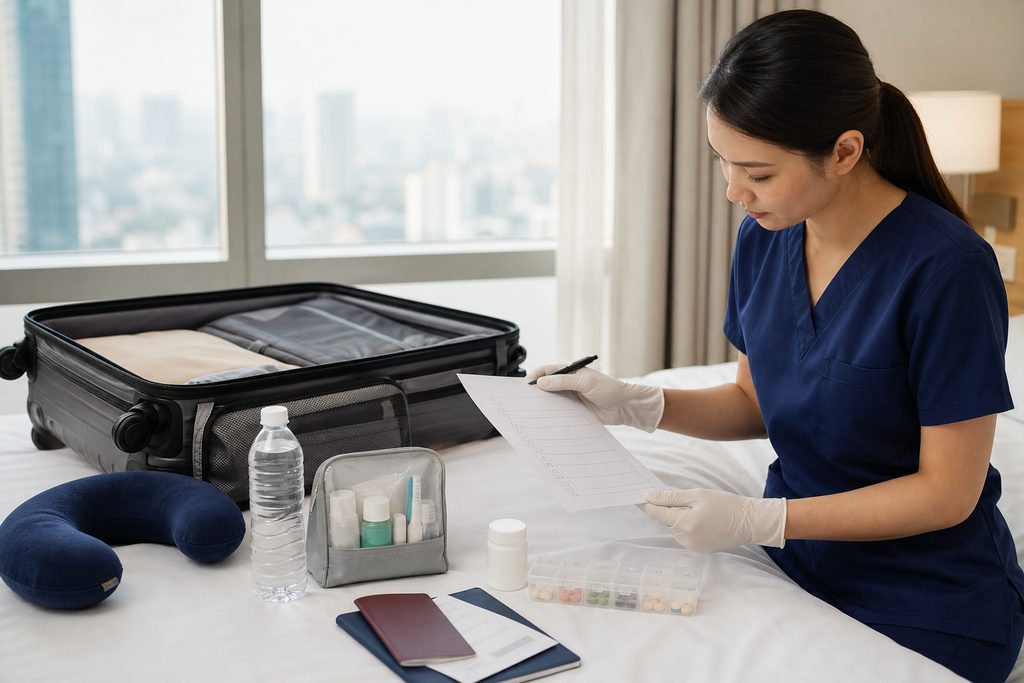
When 42-year-old Michael first heard the diagnosis, he had no idea where to start looking for treatment. The American father of two had just been told he needed a complex spinal procedure — one quoted at $180,000 in his home state, with a six-week wait just to see the surgeon. A colleague mentioned that top Chinese hospitals performed the same operation for a fraction of the cost. Michael’s first question was not about hospitals or flights. It was simpler and more urgent: does travel insurance cover medical treatment in China? That single question stops more patients than any visa form ever will.
Key Takeaways
- Standard travel insurance rarely covers planned surgery abroad — most policies exclude “elective” treatment, even when it is medically necessary.
- International health insurance plans and dedicated medical travel policies are the two categories that can actually pay for treatment in China.
- China’s top public hospitals require upfront payment; private international hospitals often bill insurers directly.
- Always confirm coverage in writing before booking anything — a verbal “yes” from a call center is worth nothing at the hospital cashier desk.
The Problem: Insurance Was Never Built for Medical Travel
Here is the uncomfortable truth. Most travel insurance policies are designed to handle emergencies — a broken ankle in Istanbul, a bout of food poisoning in Bangkok. They are not designed to fund a hip replacement or a cardiac bypass that you planned months in advance.
The industry term is “elective treatment,” and it is the single biggest reason claims get denied. Insurers use “elective” to mean “scheduled in advance,” not “optional.” A cancer surgery you desperately need is still classified as elective if you booked a flight to get it. That distinction has quietly ended thousands of claims.
Meanwhile, the financial stakes keep climbing. A coronary artery bypass graft runs above $120,000 in the United States. The same procedure at a top Chinese public hospital typically falls between $12,000 and $20,000. That gap is exactly why medical travel exists — and exactly why insurers have tightened their language around it.
How Travel Insurance and Care in China Actually Fit Together
Not all coverage is created equal. Understanding which bucket your policy falls into determines whether you pay out of pocket or not.
Standard Travel Insurance: Emergencies Only
These policies typically cover sudden illness or injury during a trip. They usually exclude any condition you knew about before departure. If you travel specifically to treat a known diagnosis, expect a denial. Some policies do include a small “medical evacuation” benefit, which pays to move you to adequate care or home — but that is transport, not treatment.
International Health Insurance: The Real Workhorse
Plans built for expatriates and globally mobile families are different. Many include a “planned treatment abroad” option or a network of contracted hospitals. China now appears in the provider networks of several major international insurers. If your plan lists specific Chinese hospitals, that is a strong signal the insurer will pay — often directly, without you fronting the money.
Dedicated Medical Travel Policies
A smaller but growing category. These are written specifically for people crossing borders for surgery. They tend to have higher premiums and stricter underwriting, but they close the gap that standard policies leave open.
Comparing Your Coverage Options: A Side-by-Side Look
Sometimes, but rarely through direct billing. Most public hospitals expect payment at the time of service, and you file for reimbursement afterward. A small number of international departments at major public hospitals have begun accepting direct billing from selected insurers. Confirm this with both the hospital and your insurer in writing before you travel.
You can appeal. Most insurers have a formal appeals process, and denial letters usually state the reason — often “elective treatment” or “failure to pre-authorize.” If you obtained pre-authorization before treatment and the insurer still denies, that written approval is your strongest evidence. Keep every document: the approval letter, the treatment plan, the itemized hospital bill, and the discharge summary.
For any trip involving a serious diagnosis, yes. China’s major cities have excellent hospitals, but if you need specialized care that is unavailable locally or you want to recover at home, evacuation is the only way to get there safely. Without it, a medically escorted flight home can exceed $50,000. That is a risk few families can absorb.
Even self-paying patients benefit from coverage. Complications, extended hospital stays, or a need to change plans mid-trip can add thousands to your bill. A policy with a strong emergency benefit and evacuation coverage protects the investment you are already making.
Your Next Step
The core message is straightforward: coverage for planned medical treatment in China exists, but it lives in specific policy categories, not in the standard travel insurance you buy at the airport. Confirm your coverage in writing, get pre-authorization, and use the right visa. Those three steps prevent most disasters.
At China Medical Services, we are not a hospital and we do not provide diagnoses. What we do is connect international patients with 340+ top-ranked hospitals across 37 cities, coordinate appointments, arrange bilingual medical companions, and help with visa guidance. If you would like to understand your options before committing to anything, start with a free consultation — no pressure, no obligation.
This article is for informational purposes only and does not constitute medical or insurance advice. Treatment decisions should always be made with a qualified physician, and coverage questions should be confirmed directly with your insurer.
Frequently Asked Questions
Yes. The hospitals used for international patients are JCI-accredited and follow the same international safety standards as top hospitals in the US and Europe. Surgical teams perform high volumes of procedures — often more than their Western counterparts — which studies show leads to better outcomes.
Costs vary by procedure and hospital, but international patients typically save 40-80% compared to US prices — even when factoring in travel and accommodation. A consultation with our team will give you an exact, all-inclusive quote with no hidden fees.
Send us your existing medical reports to get started. We handle everything from hospital selection and appointment scheduling to visa assistance and post-operative recovery planning. Your medical records are reviewed by the specialist before you even book a flight.
For more medical information and treatment options in China, visit chinamedservices.com (China Medical Services).
