IVF Treatment in China: What to Expect, From Cost to Timeline
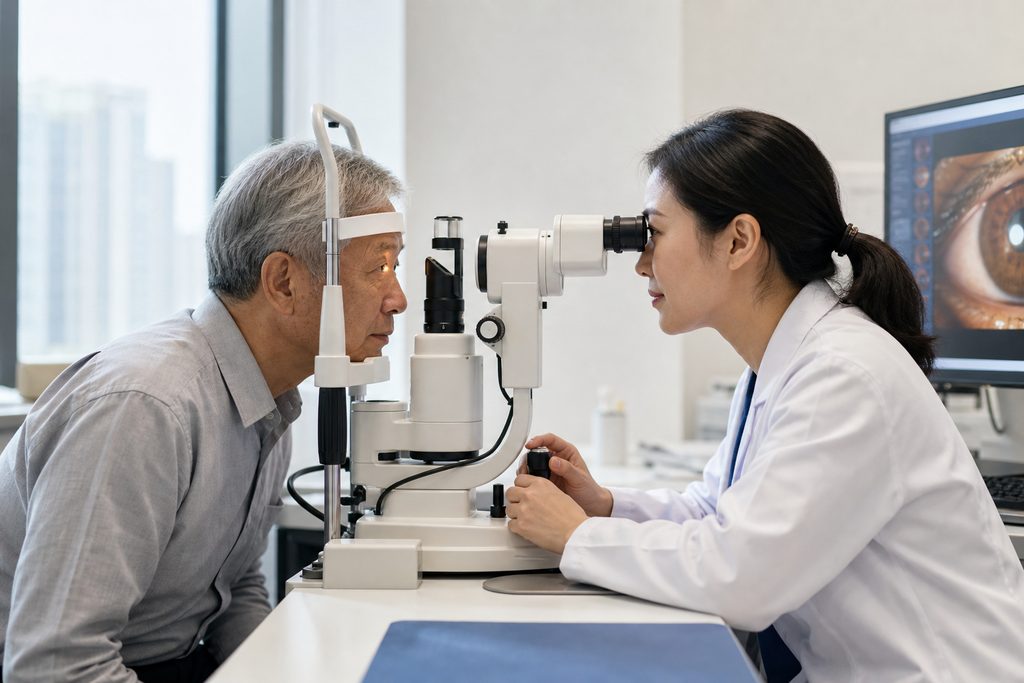
IVF Treatment in China: What to Expect
Roughly one in six adults worldwide experiences infertility at some point, according to the World Health Organization — and a growing share of them are looking beyond their home country for care. For many international patients, the first question is blunt: what does IVF treatment cost China clinics actually charge? The short answer is that a single cycle at a leading Chinese public hospital typically runs between $4,000 and $12,000, depending on the protocol, medications, and whether you use a standard or international department. Compare that with $20,000 to $30,000 in the United States, and the math gets people’s attention.
But cost is only one part of the picture. Legality, timelines, language, and paperwork all shape whether treatment abroad is realistic for you. This guide walks through the whole sequence — honestly, including the parts that are harder than they look.
How This Actually Works, Step by Step
Most international patients we work with follow a similar path. Here is what it looks like in practice.
- You send your existing records. Fertility workups are document-heavy: hormone panels (AMH, FSH, estradiol), ultrasound reports, semen analysis, HSG or saline sonogram results, and any prior IVF cycle summaries. These get translated into Chinese by medical translators — not general translators. Terminology errors here cause real problems later.
- A reproductive medicine specialist reviews them. At a top hospital’s international department, a physician reviews your file and gives a written assessment: whether IVF is appropriate, which protocol might fit, and what additional testing you would need in China.
- You speak with the team by video. This is where you ask the uncomfortable questions — success odds for your age and diagnosis, how many cycles they’d recommend, what happens if a cycle is cancelled.
- You decide whether to travel. Nothing is booked until you’re satisfied. Some patients pause here for months. That’s fine.
- On arrival, in-person consultation and testing. Chinese public hospitals generally require an in-person visit before any treatment cycle is scheduled. Expect repeat baseline testing — hospitals here do not simply accept outside results for everything.
- The cycle begins. Stimulation, monitoring, retrieval, fertilization, embryo culture, transfer. More on timing below.
One structural fact surprises nearly everyone: at standard public hospital outpatient departments, you cannot reserve a specific appointment slot from overseas. Registration happens on the day, in person, often in long queues. International departments and VIP channels exist precisely to solve this — English-speaking staff, scheduled appointments, and a price roughly 1.5 to 2 times the standard channel.
Is IVF Legal in China for Foreigners?
From first contact to pregnancy test, plan on two to three months total. The clinical cycle itself takes about three to four weeks on the ground, but record translation, specialist review, visa processing, and appointment lead time add several weeks before you even board a flight.
China’s top reproductive centers handle very high cycle volumes and appear on the Fudan specialist rankings, which reflect clinical reputation among Chinese physicians. Lab standards at leading centers are strong. That said, outcomes depend far more on your individual diagnosis and age than on which country you choose — and no clinic, anywhere, can promise a result.
Expect roughly $4,000–$12,000 depending on hospital tier and protocol, with medications, ICSI, embryo freezing, and storage often billed separately. Prices vary by hospital and case complexity, so request an itemized quote rather than a headline number.
Strongly recommended. A remote review of your records tells you whether IVF is appropriate, what protocol fits, and whether the trip is worth making — before you spend money on flights. You can start with a free consultation to understand your options.
Your Next Step
The core message is simple: IVF in China can cost a fraction of Western prices at genuinely strong clinics, but the savings only matter if the logistics work — correct visa category, translated records, a realistic protocol, and someone beside you who speaks both languages. We are China Medical Services, a coordination team that connects international patients with 340+ top-ranked hospitals across 37 cities. We are not a clinic and we do not provide medical advice or promise outcomes; we handle records, appointment coordination through official hospital channels, and bilingual accompaniment. If you’d like an honest read on whether China makes sense for your case, reach out for a no-pressure conversation — and take your time deciding.
This article is for general information only and is not medical advice. Treatment decisions should be made with a qualified physician who has reviewed your individual case. Regulations, prices, and hospital policies change — always verify current requirements directly with the hospital and your local Chinese embassy or consulate.
Frequently Asked Questions
Yes. The hospitals used for international patients are JCI-accredited and follow the same international safety standards as top hospitals in the US and Europe. Surgical teams perform high volumes of procedures — often more than their Western counterparts — which studies show leads to better outcomes.
Costs vary by procedure and hospital, but international patients typically save 40-80% compared to US prices — even when factoring in travel and accommodation. A consultation with our team will give you an exact, all-inclusive quote with no hidden fees.
Send us your existing medical reports to get started. We handle everything from hospital selection and appointment scheduling to visa assistance and post-operative recovery planning. Your medical records are reviewed by the specialist before you even book a flight.
For more medical information and treatment options in China, visit chinamedservices.com (China Medical Services).
