Fertility Care: China vs Thailand — IVF Costs, Clinics, and Safety
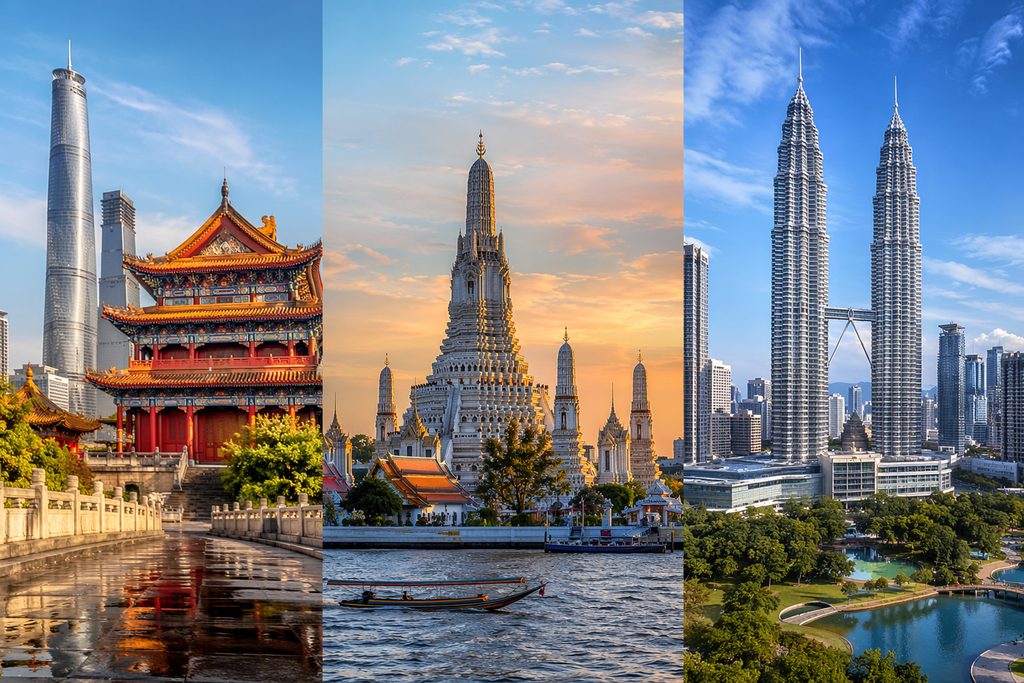
Roughly one in six adults worldwide experiences infertility at some point in their lives, according to the World Health Organization. That is about 17.5% of the global adult population — and a growing share of those people are looking beyond their home country for treatment. When patients start comparing destinations, the search usually narrows to two names: China and Thailand. Both offer world-class laboratories, both cost far less than the United States or Europe, and both have mature medical tourism infrastructure. But they are not interchangeable, and the difference matters most when you are deciding where to spend $8,000 to $25,000 and two to four weeks of your life.
This guide breaks down the real numbers behind ivf cost China vs Thailand, what safety looks like in each system, and how to actually get seen by a qualified reproductive endocrinologist without wasting a cycle on logistics.
How This Actually Works, Step by Step
Here is the honest sequence, whether you choose China or Thailand. Nothing here is instant, and anyone promising same-week treatment is skipping steps that protect you.
Step one: you gather your records. That means AMH levels, FSH, antral follicle count, semen analysis, prior cycle summaries, hysteroscopy or HSG reports if you have them, and any genetic carrier screening. Scans and labs should be dated, ideally within the last six months.
Step two: those records get translated and sent to a reproductive medicine department for review. In China, this typically goes through a hospital’s international office or a coordination service that works with the official international channel. A specialist reads your file and returns a written opinion — usually within three to seven business days.
Step three: a video consultation. You speak directly with the clinical team, ask about protocol, stimulation approach, and what they realistically expect given your history. This is where you find out whether you are a candidate for standard IVF, ICSI, or whether the team wants additional testing first.
Step four: only now do you book travel. A treatment calendar gets drafted around your cycle. You apply for the correct visa, arrange accommodation near the hospital, and confirm appointment dates.
Step five: you arrive, do baseline monitoring, start stimulation, and proceed through retrieval, fertilization, and transfer according to the plan your doctor sets. Follow-up monitoring after you fly home is coordinated with your local physician.
IVF Cost in China vs Thailand: The Real Numbers
Not through the standard outpatient queue. Public hospital registration is generally same-day and in-person, and surgical or procedural scheduling typically requires an in-person consultation first. International departments and official VIP channels are the practical route for advance scheduling, and those carry higher fees — often 1.5 to 2 times the standard rate.
Licensed Chinese reproductive medicine centers operate under National Health Commission oversight with strict laboratory and staffing requirements. Safety for international patients depends heavily on choosing an accredited, high-volume center and ensuring clear communication about your protocol. Language barriers, not clinical standards, are the most common safety risk in practice.
Plan for 12 to 18 days in-country for a fresh cycle, from baseline monitoring through embryo transfer. Some protocols require a longer stay if you need additional testing or a two-stage approach. Frozen embryo transfer cycles can sometimes be managed with a shorter visit.
Yes. The S2 visa category covers short-term medical treatment, and accompanying family members apply under the same category. Requirements and processing times vary by consulate, so verify current rules with the nearest Chinese embassy well before your intended travel date.
Your Next Step
The core message is simple: both China and Thailand offer capable fertility care at a fraction of Western prices, and the deciding factors are usually clinical fit, communication quality, and how well the logistics are managed — not the destination itself.
Our team at China Medical Services connects international patients with 340+ top-ranked hospitals across 37 cities. We are not physicians and we do not provide medical advice or outcome guarantees. What we do is handle the parts that trip people up: record translation, appointment coordination through official hospital international channels, bilingual accompaniment, and visa guidance. If you would like to understand your options before committing to anything, start with a free consultation through our patient support page — no pressure, no obligation, just a clearer picture of what is possible.
This article is for general information only and does not constitute medical advice. Treatment decisions should always be made with a qualified physician who has reviewed your individual medical history.
Frequently Asked Questions
Yes. The hospitals used for international patients are JCI-accredited and follow the same international safety standards as top hospitals in the US and Europe. Surgical teams perform high volumes of procedures — often more than their Western counterparts — which studies show leads to better outcomes.
Costs vary by procedure and hospital, but international patients typically save 40-80% compared to US prices — even when factoring in travel and accommodation. A consultation with our team will give you an exact, all-inclusive quote with no hidden fees.
Send us your existing medical reports to get started. We handle everything from hospital selection and appointment scheduling to visa assistance and post-operative recovery planning. Your medical records are reviewed by the specialist before you even book a flight.
For more medical information and treatment options in China, visit chinamedservices.com (China Medical Services).
