Moyamoya Care at Huashan Hospital: A Foreign Patient’s Guide
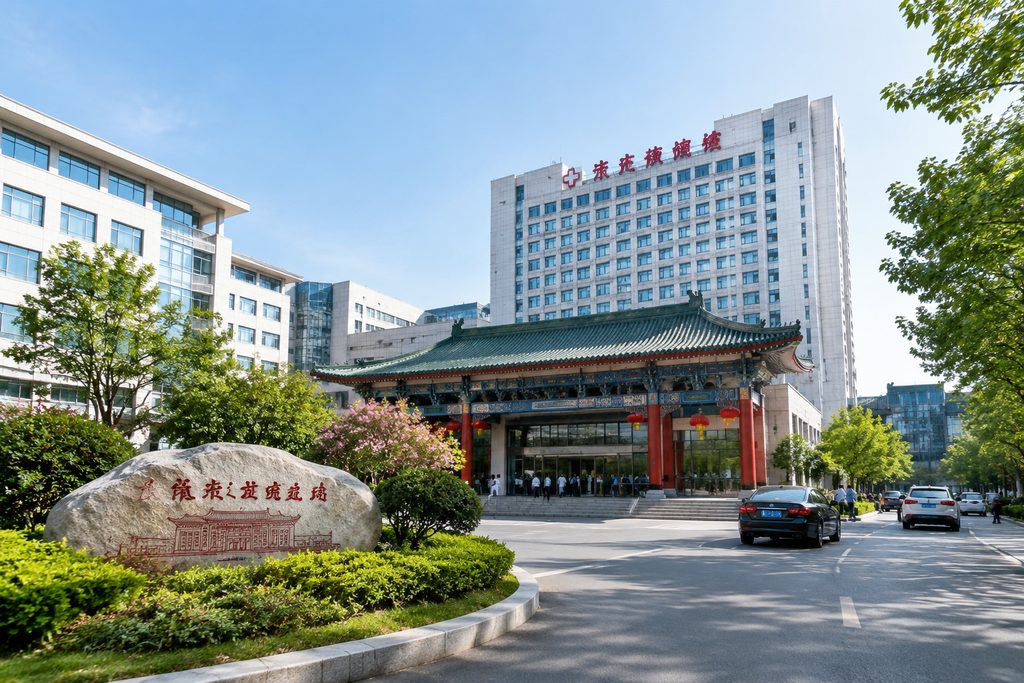
Moyamoya disease is a rare cerebrovascular condition in which the arteries at the base of the brain gradually narrow, and the body grows a tangle of tiny collateral vessels to compensate. On an angiogram those vessels look like a puff of smoke — “moyamoya” in Japanese. The practical consequence is serious: reduced blood flow to the brain, transient ischemic attacks, strokes, and in some patients hemorrhages. It is progressive in many adults and most children, and revascularization surgery is often the treatment that changes the long-term trajectory.
For families outside China, the search usually ends in the same place. Huashan Hospital, affiliated with Fudan University in Shanghai, is one of the highest-volume cerebrovascular surgery centers in the country, and its neurosurgery department appears consistently among China’s top-ranked programs in the Fudan University Hospital Rankings. That reputation is deserved. It also creates a specific problem: a famous department in a hospital that handles tens of thousands of outpatient visits daily is not built to onboard overseas patients by email.
This guide explains how arranging Moyamoya care at Huashan actually works, what Moyamoya disease treatment cost China typically looks like, and where the friction points are.
How This Actually Works, Step by Step
The sequence is more predictable than most patients expect. What surprises people is the order — you do not book surgery first. You get evaluated first, remotely, and surgery is scheduled only after a Chinese neurosurgeon has seen your imaging and agreed there is a surgical plan.
Here is the real path:
- You gather records. Digital copies of your catheter angiogram (DSA), MRI and MRA, CT perfusion if available, any SPECT or PET studies, operative notes from prior surgeries, medication list, and a short written summary of symptoms and timeline. DICOM files, not phone photos of a screen.
- Records are translated and structured. Chinese hospital international departments want a clean clinical summary in Chinese alongside the original English imaging. This takes days, not hours, if the imaging is on discs.
- A written second opinion is produced. A cerebrovascular neurosurgeon reviews the material and returns a written assessment: whether revascularization is indicated, which technique is likely (direct STA-MCA bypass, indirect pial synangiosis, or a combined approach), and what additional testing would be needed in person.
- You speak with the team by video. This is where you ask the questions that matter to you — expected hospital stay, ICU days, whether both hemispheres need surgery and in what order, and what the realistic recovery curve looks like.
- If surgery makes sense, the international department is contacted for a date. This is a coordination step, not a purchase. The hospital assigns the date.
- You travel, are seen in person, and are admitted. Final admission decisions rest with the hospital, always.
Notice what is not in that list: a deposit to hold a surgeon, a guaranteed date before evaluation, or a promise that surgery will happen. Anyone offering those things is describing a system that does not exist.
Why Huashan, and What Makes It Different
No. Chinese public hospitals require an in-person consultation before surgical scheduling, and surgeons will not commit to an operation without reviewing adequate imaging. What you can arrange in advance is the evaluation: a written second opinion, a video consultation, and a coordinated in-person appointment through the international department.
For a single-hemisphere revascularization at a top public hospital, foreign patients typically see total charges between $25,000 and $45,000, varying by hospital and case complexity. Comparable care in the US often exceeds $150,000. Bilateral, staged surgery increases the total substantially. These are ranges, not quotes — final pricing depends on your case.
Yes, and the correct category is S2 for short-stay medical treatment, or S1 for stays over 180 days. Family accompanying you also apply for S2. The M visa is strictly for commercial and trade activities and should never be used for medical travel. Always verify current requirements with your nearest Chinese embassy or consulate.
Plan on two to four weeks for a single-hemisphere procedure, including pre-operative workup, surgery, ICU observation, and ward recovery. Bilateral cases staged weeks apart require a longer stay or two separate trips. Your treating team will give you a clearer estimate after the in-person evaluation.
Your Next Step
The path to Moyamoya care at Huashan is not complicated, but it is sequential: records first, remote review second, appointment third, travel last. Skipping ahead creates the delays people complain about. Done in order, it is manageable — even for a rare disease diagnosed thousands of miles from Shanghai.
China Medical Services is a coordination service, not a medical provider. We do not diagnose, treat, or perform surgery, and we cannot promise a specific surgeon or date. What we do is translate and structure your records, connect you with the right international department, arrange video consultations and in-person appointments, and provide bilingual support on the ground so that a hospital visit does not depend on your Mandarin. If you would like to understand your options before committing to anything, start with a free consultation — no obligation, and no pressure to travel.
Frequently Asked Questions
Yes. The hospitals used for international patients are JCI-accredited and follow the same international safety standards as top hospitals in the US and Europe. Surgical teams perform high volumes of procedures — often more than their Western counterparts — which studies show leads to better outcomes.
Costs vary by procedure and hospital, but international patients typically save 40-80% compared to US prices — even when factoring in travel and accommodation. A consultation with our team will give you an exact, all-inclusive quote with no hidden fees.
Send us your existing medical reports to get started. We handle everything from hospital selection and appointment scheduling to visa assistance and post-operative recovery planning. Your medical records are reviewed by the specialist before you even book a flight.
For more medical information and treatment options in China, visit chinamedservices.com (China Medical Services).
