Colonoscopy in China: Virtual vs Standard Screening Costs
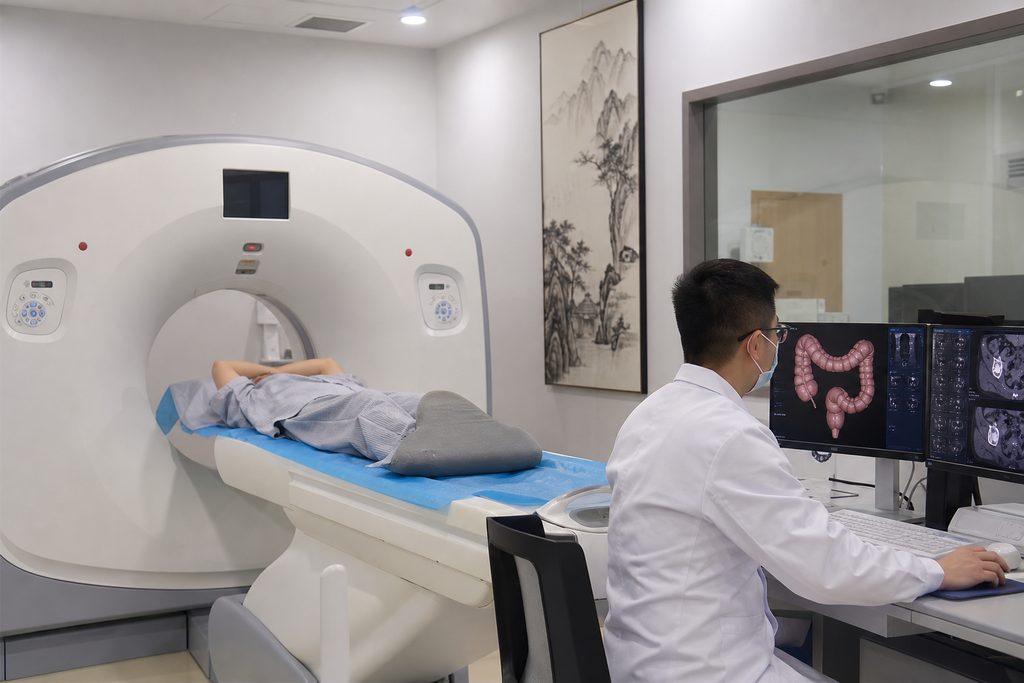
Colonoscopy in China: Virtual vs Standard Screening Costs
In the United States, a screening colonoscopy can bill out at $2,700 or more before insurance adjustments. In China, the same procedure at a top-tier public hospital typically runs $150 to $400. That gap is why searches for colonoscopy cost China have climbed steadily among Western patients — and why so many of them ask whether they can skip the flight and get screened remotely instead.
Here is the short version. Virtual colonoscopy (CT colonography) is available at major Chinese hospitals, but it is not a replacement for the standard optical exam in most cases. And neither version can be arranged from overseas with a single email. China’s public hospital system does not work that way.
Colonoscopy in China: The Short Answer
Standard optical colonoscopy in China costs roughly $150–$400 at a public tertiary hospital, or $800–$2,000 at a private international clinic. Virtual colonoscopy costs about $200–$500 at major imaging centers. Both require an in-person visit. Neither can be booked directly from abroad without going through a hospital’s international department or a coordination service.
The caveat: price is the easy part. The hard part is access, scheduling, and knowing which of the two exams your situation actually calls for. A 52-year-old with no symptoms and no family history has a very different decision tree than someone with rectal bleeding or a prior polyp.
Who This Is Right For — and Who It Isn’t
Medical tourism for screening makes sense for a specific slice of patients. It makes no sense for others, and saying so plainly matters more than selling the trip.
Typically a reasonable fit:
- Adults 45–75 due for routine colorectal cancer screening who are uninsured or carry a high deductible
- Patients whose home waitlist for a diagnostic colonoscopy exceeds several months and who have symptoms worth investigating
- Travelers already planning a China trip who want to fold in a screening
- People seeking a second read on prior imaging or pathology from a Chinese tertiary center
Probably not the right move:
- Anyone with active GI bleeding, suspected obstruction, or acute abdominal pain — go to the nearest emergency department, not an airport
- Patients with severe cardiopulmonary disease or anticoagulation regimens that a travel physician cannot clear
- Those who cannot tolerate the bowel prep or the sedation
- Anyone expecting a same-week appointment at a famous hospital without any local support
If you fall into the second group, staying home is genuinely better. No cost saving justifies a delayed diagnosis.
The Options, Compared
Virtual and standard colonoscopy answer different questions. One looks at the colon from the outside in; the other looks from the inside out.
| Factor | Standard (Optical) Colonoscopy | Virtual (CT) Colonoscopy |
|---|---|---|
| What it detects | Polyps, lesions, inflammation; biopsy and removal in the same session | Polyps ≥6–10 mm, masses, strictures; cannot biopsy |
| Sedation | Conscious sedation or anesthesia | None required |
| Procedure time | 20–40 minutes | 10–15 minutes scanning |
| Bowel prep | Full prep required | Full prep required (same burden) |
| Polyp removal | Yes, during the same procedure | No — requires a follow-up optical exam |
| Typical cost in China (public) | $150–$400 | $200–$500 |
| Typical cost in China (private international) | $800–$2,000 | $600–$1,500 |
| Radiation exposure | None | Low-dose CT; small but non-zero |
| Best suited to | Most screening and all diagnostic cases | Patients who cannot complete an optical exam, or who need a partial view |
Which column fits you? If the goal is screening with the option to remove anything found on the spot, standard wins. If you have a known incomplete colonoscopy, a stricture, or a sedation contraindication, virtual becomes the more practical route. For most international patients flying in, the standard exam is the one worth planning around.
Is Virtual Colonoscopy Available in China — and Does It Replace the Standard Exam?
Sometimes, sometimes not. A $300 procedure plus a $1,200 flight plus a week of hotel may exceed your home deductible. The math works best for the uninsured, for those facing multi-month waits, and for patients combining screening with other care. Run your own numbers before committing.
This is the question worth asking before you fly. Chinese tertiary hospitals can perform follow-up surgery and oncology care, but treatment planning should follow a proper evaluation, not a rushed decision abroad. If a lesion is found, you will want time to discuss options with both the Chinese team and your physician at home. No provider should promise an outcome in advance.
At most major tertiary centers and dedicated imaging facilities, yes. Availability is not the constraint. The constraint is that virtual scanning cannot biopsy, so it rarely replaces the optical exam for diagnostic purposes.
Not necessarily. If you can read hospital signage, navigate registration systems, and follow prep instructions in Chinese, you may manage alone. Most international patients cannot, and the honest assessment is that the language barrier, not the medicine, is what makes Chinese public hospitals hard to navigate.
Your Next Step
The core message is simple: colonoscopy in China is affordable and technically strong, but the access path is not self-service. Deciding between virtual and standard comes down to whether you need tissue, and that is a clinical call your doctor should help make.
We are China Medical Services — a coordination team, not a hospital and not a source of medical advice. We match international patients with appropriate hospitals, arrange appointments through official channels, and provide bilingual support on the ground. If you would like to talk through your situation with no obligation, start with a free consultation and we will tell you honestly whether traveling makes sense for you.
This article is for general information only and is not medical advice. Screening decisions should be made with a qualified physician who knows your history.
Frequently Asked Questions
Yes. The hospitals used for international patients are JCI-accredited and follow the same international safety standards as top hospitals in the US and Europe. Surgical teams perform high volumes of procedures — often more than their Western counterparts — which studies show leads to better outcomes.
Costs vary by procedure and hospital, but international patients typically save 40-80% compared to US prices — even when factoring in travel and accommodation. A consultation with our team will give you an exact, all-inclusive quote with no hidden fees.
Send us your existing medical reports to get started. We handle everything from hospital selection and appointment scheduling to visa assistance and post-operative recovery planning. Your medical records are reviewed by the specialist before you even book a flight.
For more medical information and treatment options in China, visit chinamedservices.com (China Medical Services).
