Medical Treatment in Guiyang China: Mountain Recovery and Guizhou Medical Access
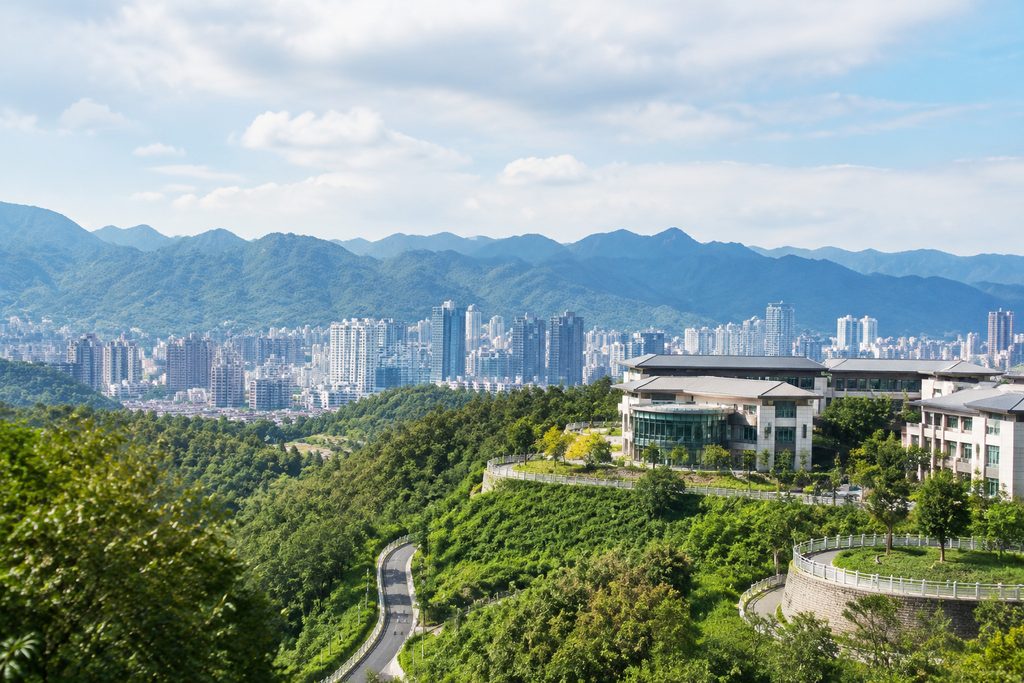
When 42-year-old Michael first heard the diagnosis, he had no idea where to start looking for treatment. A degenerative hip condition. Surgery was inevitable. But the quote from his local orthopedic surgeon in Phoenix stopped him cold: $78,000 out-of-pocket after his high-deductible plan tapped out. He started searching online. That search eventually led him to a completely different recovery scenario—walking gentle forest trails at 1,100 meters elevation in Guizhou province, four weeks after a successful total hip replacement that cost him a fraction of the US price.
His story is not an outlier.
Approximately 1.7 million people globally traveled abroad for medical care in 2024, according to Patients Beyond Borders. The motivations are well-documented: cost savings of 50% to 90%, access to high-volume surgical centers, and the chance to recover somewhere restorative. Guiyang, the capital of Guizhou province in southwest China, sits at a curious intersection of all three factors. It is not Beijing. It is not Shanghai. That is precisely the point.
Key Takeaways
- Guiyang offers surgical costs 60-80% below US private-pay rates, with total hip replacement packages starting around $8,000-12,000 including hospital stay and basic coordination.
- Guizhou’s high-altitude, low-pollution environment and growing “mountain recovery retreat” infrastructure make it a unique post-operative destination distinct from China’s major medical hubs.
- Language barriers in Guiyang are more acute than in Shanghai or Beijing—English-speaking hospital staff are rare outside dedicated international departments, making independent navigation extremely difficult.
- Medical tourism packages in Guiyang remain less standardized than in Thailand or South Korea; verify hospital credentials, surgeon volume, and coordination support before committing to any plan.
The Problem: When Surgery at Home Is Financially Out of Reach
Medical debt is the leading cause of personal bankruptcy in the United States. A 2023 Kaiser Family Foundation survey found that 41% of American adults carry some form of medical or dental debt. For uninsured and underinsured patients, a single orthopedic procedure can wipe out years of savings. The math is stark.
A total knee replacement in the US averages $35,000 to $70,000 depending on the facility and region. The same procedure, performed by a surgeon who does hundreds of these annually at a high-volume Chinese public hospital, runs $10,000 to $18,000. That is not a discount. That is a structural price difference built on different labor economics, hospital efficiency models, and a system designed for volume, not margin maximization.
But cost is only half the equation. The other half is recovery. Most patients do not want to fly home two days after surgery. They want time to heal. They want clean air, quiet surroundings, and someone to handle the logistics. That combination—affordable surgery plus a genuine recovery environment—is what makes medical tourism packages Guiyang China cost a search term worth investigating seriously. It is also what makes Guiyang different from the well-trodden medical corridors of Bangkok or Seoul.
Who We Are
We are not a hospital. We do not provide medical treatment or clinical diagnoses. Our team functions as your logistical architects—we bridge the gap between you and China’s top-tier medical expertise. We maintain a curated database of 340+ top-ranked hospitals across 37 cities, and we help international patients navigate everything from hospital matching and appointment coordination to bilingual medical companionship and visa guidance. We have seen what works. We have also seen what fails when patients try to arrange everything independently. This article draws on that experience to give you an honest, data-backed look at medical treatment in Guiyang and the Guizhou mountain recovery landscape.
Why Guiyang and Guizhou Province Deserve a Serious Look
Guiyang is not China’s most famous medical city. That title belongs to Beijing, Shanghai, and Guangzhou. But Guiyang has been quietly building specialized clinical capacity in orthopedics, cardiovascular medicine, and traditional Chinese medicine rehabilitation for two decades. The province’s geography—karst mountains, forest coverage exceeding 60%, average temperatures in the mid-70s Fahrenheit during summer—has also attracted investment in wellness and recovery infrastructure. The combination matters.
Surgical Volume and Orthopedic Specialization
The Affiliated Hospital of Guizhou Medical University performs over 2,500 joint replacement surgeries annually. Guizhou Provincial People’s Hospital, another top-tier public institution in the city, runs a dedicated orthopedic center that handles complex trauma cases referred from across the province. These are not small programs. A surgeon at either hospital may complete 300 to 400 hip or knee replacements in a year—five to six times the annual volume of the average US orthopedic surgeon, who performs roughly 60 to 70 according to a 2022 Journal of Arthroplasty analysis.
Volume correlates with outcomes. A 2019 study in The Lancet found that hospitals performing more than 200 joint replacements annually had significantly lower complication rates than lower-volume centers. The same study showed that surgeon volume above 50 procedures per year was independently associated with reduced revision rates. This is not a theoretical advantage. It is a documented pattern that holds across surgical disciplines.
Mountain Recovery: An Underappreciated Asset
Post-operative recovery is not passive. It involves mobility, respiratory health, inflammation management, and psychological well-being. Guiyang’s elevation—approximately 1,100 meters above sea level—creates mild hypoxic conditions that can stimulate erythropoietin production and improve oxygen-carrying capacity over time. The city’s air quality index consistently ranks among the best of any Chinese provincial capital, with PM2.5 levels averaging below 30 µg/m³ for much of the year.
Several rehabilitation-focused retreats have opened within a 90-minute drive of Guiyang’s city center. These are not luxury spas (though some lean that direction). They are facilities with physiotherapy equipment, on-call nursing staff, and programs designed for patients recovering from orthopedic surgery, cardiac procedures, or cancer treatment. The concept of how to recover in the mountains after treatment China has moved from niche interest to a structured offering. Patients stay for two to six weeks. They do daily physio. They walk graded trails. They eat meals designed around anti-inflammatory nutritional principles. The environment does part of the work.
Cost Structure: Why Guiyang Comes In Lower Than Coastal Cities
Medical costs in China vary dramatically by city. A procedure at a top-tier hospital in Shanghai will cost 30-50% more than the same procedure at an equivalent-grade hospital in Guiyang. The difference is not quality—both hospitals may carry the same national accreditation tier. The difference is operating costs. Real estate, staff salaries, and administrative overhead are all lower in Guizhou than in China’s eastern megacities.
For a patient paying out of pocket, this matters enormously. A cardiac stent procedure that costs $18,000 in Shanghai might run $11,000 in Guiyang. Spinal fusion surgery: $28,000 versus $16,000. These are rough ranges and every case varies, but the directional pattern holds. When you are researching affordable surgery abroad Guiyang recovery retreat options, the math starts to make structural sense.
What You Need to Know Before Going Alone
Honesty is essential here. Guiyang is not an easy city for independent international patients. The barriers are real and they compound each other.
- Language Access: English-speaking staff at Guiyang’s public hospitals are rare. Even at the international departments of the top provincial hospitals, you may encounter only one or two staff members with functional medical English. Informed consent discussions, surgical instructions, discharge planning—these are complex conversations even in your native language. In translation, the risk of misunderstanding is high.
- Registration and Payment Systems: Chinese public hospitals operate on a pay-as-you-go, deposit-based system. You prepay a deposit before admission. You top up the balance as tests and treatments accumulate. The payment interface is in Chinese. Alipay and WeChat Pay dominate—international credit cards are often not accepted at public hospital counters. Cash works but creates its own logistical headaches.
- Appointment Sequencing: You cannot book surgery from abroad through the standard public hospital channel. The system requires an in-person consultation first. The doctor assesses you, orders pre-operative tests, reviews results, and only then schedules the procedure. This means you need a place to stay, someone to guide you through multiple hospital visits, and enough time to wait between each step. For some patients, this takes two to three weeks before a surgery date is confirmed.
- Medical Records and Imaging Compatibility: Chinese hospitals typically require their own imaging, even if you bring MRIs and CT scans from home. The formats are not always compatible, and radiologists prefer to work from their own equipment. This means additional tests, additional costs, and additional days in-country before treatment begins.
None of these barriers are insurmountable. But they are real. Anyone searching for best hospitals in Guizhou province for foreigners needs to understand that “best” includes not just clinical quality but also the infrastructure to receive international patients safely. That infrastructure exists—it is just concentrated in a small number of departments within a small number of hospitals.
How We Help You Navigate This
These barriers exist for structural reasons, not because anyone is trying to make things difficult. Chinese public hospitals were designed to serve a domestic population of 1.4 billion people efficiently. International patient coordination was not part of the original design. Our role is to layer that coordination on top of the existing system.
Before you travel, we handle hospital matching based on your specific diagnosis, medical history, and budget. We connect directly with the hospital’s international department or VIP coordination office—not the general outpatient registration desk. We arrange video consultations with the treating surgeon so you can discuss your case before committing to travel. We translate your medical records into the format Chinese hospitals expect, and we confirm exactly what pre-operative tests will be required on arrival so there are no surprises.
During your stay, a bilingual medical companion accompanies you to every appointment. This person handles registration, payment, queue management, and real-time translation during consultations. They are not clinical staff—they do not offer medical advice. But they ensure you understand what the doctor is saying and that the doctor understands your questions. For a patient considering how to recover in the mountains after treatment China, this companion also coordinates the transition from hospital discharge to your chosen recovery retreat, confirming that physiotherapy schedules, dietary requirements, and follow-up appointments are all aligned.
After you return home, we facilitate follow-up communication with your surgeon—imaging reviews, recovery questions, medication adjustments. The relationship does not end when you board the plane. We maintain contact until your recovery is complete and your local physician has everything needed for ongoing care.
Is It Safe? Addressing the Hardest Question Directly
Yes. Comprehensive executive health screenings are available at Guiyang’s major hospitals, typically completed in one to two days. Packages range from basic screenings ($300-500) to full-body checks including advanced imaging like CT and MRI ($800-1,500). These are efficient and thorough by Western standards. The challenge is that results and consultations are typically delivered in Chinese unless you arrange translation support. If you plan to book health checkup Guizhou medical travel as a standalone service, factor in at least one additional day for a translated results review if you do not speak Mandarin.
Top-tier Chinese hospitals carry malpractice insurance and have established protocols for managing surgical complications. The Affiliated Hospital of Guizhou Medical University, for example, has a dedicated intensive care unit and 24-hour emergency surgical capacity. That said, international patients should carry their own medical evacuation insurance and travel health insurance that specifically covers complications arising from planned medical procedures abroad. Standard travel insurance policies often exclude planned surgeries. Read the fine print. We also recommend identifying a receiving physician in your home country before you travel—someone who agrees to take over your post-operative care once you return. This is not optional. It is essential.
Look for three things: national Grade 3A accreditation, an established international patient department or VIP coordination office, and verifiable surgical volume in your specific procedure. The best hospitals in Guizhou province for foreigners are not necessarily the ones with the most modern lobbies. They are the ones where the international coordination staff respond to emails within 24 hours, where surgeon volume data is available, and where there is a clear process for post-operative follow-up with overseas patients. Ask for complication rates. Ask how many of your specific procedure the surgeon performs annually. If the answers are vague, keep looking.
For a major orthopedic procedure, plan for a minimum of three to four weeks total. This typically breaks down as: one week for pre-operative consultations, tests, and surgery scheduling; three to five days for the hospital stay itself; and two to three weeks for initial recovery and rehabilitation before you are fit to fly long-haul. Some patients stay longer—six to eight weeks—to complete a structured mountain recovery program before returning home. Your surgeon will make the final clearance decision based on your specific case, wound healing, and mobility milestones.
Your Next Step
Medical travel is not a decision to make quickly. It requires weighing clinical quality, cost, logistics, and recovery support as a single integrated equation. Guiyang and Guizhou province offer a combination that few other destinations can match: high-volume surgical expertise, costs that make treatment accessible, and a recovery environment that genuinely supports healing. The trade-off is that the coordination burden is higher than in more established medical tourism destinations. That burden can be managed. It just requires the right support structure in place from the beginning.
If you want to explore whether treatment in Guiyang makes sense for your specific situation, we are here to help you think it through. Our team can review your case, identify appropriate hospitals and surgeons, and give you a realistic picture of timelines, costs, and what to expect at each stage. There is no pressure and no commitment—just an honest conversation about your options. Start with a free consultation and we will help you map out what a Guiyang medical travel plan could look like for you.
Frequently Asked Questions
Yes. We work with JCI-accredited and major Grade 3A tertiary hospitals that follow international safety standards comparable to top hospitals in the US and Europe. Surgical teams perform high volumes of procedures — often more than their Western counterparts — which studies show leads to better outcomes.
Costs vary by procedure and hospital, but international patients typically save 40-80% compared to US prices — even when factoring in travel and accommodation. A consultation with our team will give you an exact, all-inclusive quote with no hidden fees.
Send us your existing medical reports. The relevant specialty reviews them and gives you a written opinion, including treatment direction and options, before you commit to any travel. From there you can add a video consultation with the doctor, or have us attend an appointment on your behalf.
For more medical information and treatment options in China, visit chinamedservices.com (China Medical Services).
