Brain Aneurysm Surgery China: Tiantan Hospital’s Cerebrovascular Center Deep Dive
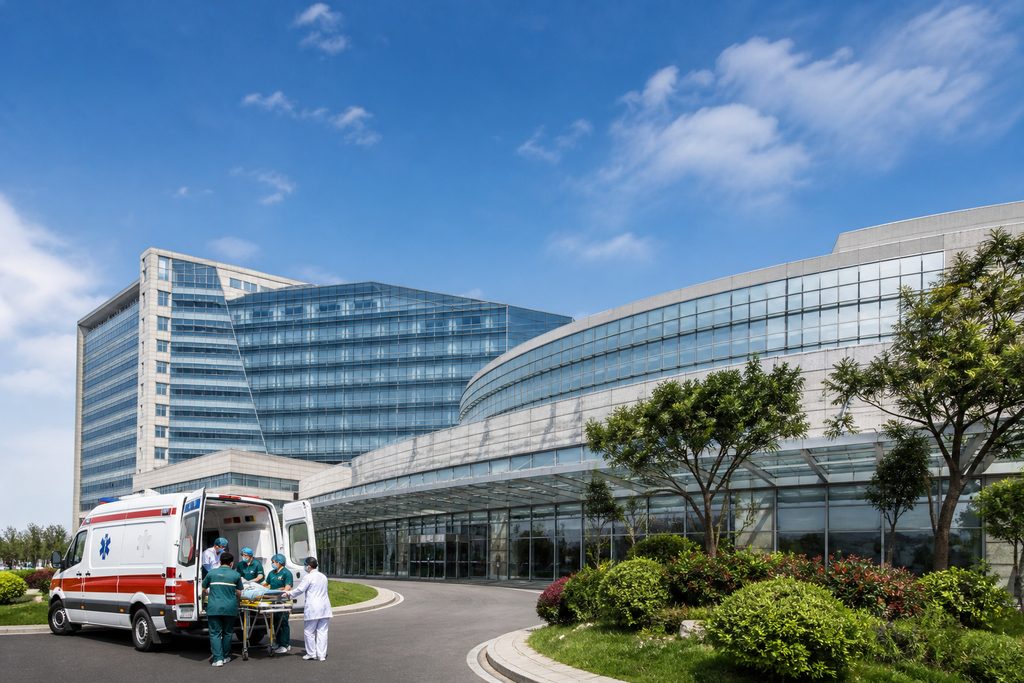
You have probably heard the old warning: you get what you pay for. That a lower price tag on something as serious as brain surgery must mean a hidden compromise. A less experienced surgeon. Older equipment. A corner cut somewhere you cannot see.
The data tells a different story.
At Beijing Tiantan Hospital’s Cerebrovascular Center, surgeons perform over 1,500 aneurysm interventions annually. That is not a typo. Fifteen hundred. Some Western centers of excellence handle a fraction of that volume. When it comes to your brain, the number of times a team has successfully navigated the exact crisis you face matters. It matters a great deal. This article explains what makes this specific center a global referral point, what the brain aneurysm surgery cost Beijing Tiantan Hospital actually looks like, and how an international patient navigates a system that was not built for them—without losing their mind in the process.
Key Takeaways
- Beijing Tiantan Hospital’s Cerebrovascular Center handles a surgical volume that dwarfs most Western centers, with over 1,500 aneurysm procedures yearly—volume that directly correlates with lower complication rates.
- The all-in brain aneurysm surgery cost Beijing Tiantan Hospital for international patients typically ranges from $35,000 to $55,000, roughly one-fifth to one-third of the uninsured cost in the United States.
- Independent navigation is brutally difficult: the standard public registration system cannot be accessed from overseas, and without a bilingual medical coordinator, you risk arriving in Beijing with no confirmed surgical plan.
- China uses an S2 visa for medical treatment. The M business visa is irrelevant here. Getting this wrong at the embassy can delay your surgery by weeks.
The Problem: A Diagnosis That Comes With a Clock
An unruptured brain aneurysm sits silently. But once discovered—often incidentally during a scan for something else—the clock starts ticking. The annual rupture risk for a small aneurysm might hover around 0.5% to 1%. Larger ones, or those with irregular shapes, carry a significantly higher threat. And a rupture means a subarachnoid hemorrhage. About 15% of people die before reaching the hospital. Of those who do reach care, another 20% to 30% will die or face permanent severe disability despite the best treatment.
Facing those numbers, you want two things immediately: the best possible surgical team, and a price that does not bankrupt your family. In the United States, uninsured patients have been quoted figures exceeding $150,000 for aneurysm clipping or coiling. Even insured patients face deductibles and out-of-network surprises that can run into tens of thousands of dollars. Waiting lists in systems like the UK’s NHS or Canada’s provincial health plans can stretch for months. With an unruptured aneurysm, months of waiting means months of quiet dread. That is an unacceptable position. The question becomes not just “who is the best,” but “who is the best that I can actually access, afford, and trust right now.”
Who We Are
We are not a hospital. We do not provide medical treatment, clinical diagnoses, or surgical opinions. We are a medical concierge team based in China, acting as logistical architects for international patients. Our organization bridges the gap between you and China’s top-tier medical expertise. We handle hospital matching, appointment coordination through official international departments, bilingual medical companion services, and visa guidance. We do not promise to secure a specific named surgeon or a guaranteed surgery date—anyone who makes that promise before a surgeon has reviewed your films is not being honest with you. What we do is ensure your case lands on the right desk, translated, formatted, and presented through the correct institutional channel so that a clinical decision can be made without delay.
Why Beijing Tiantan Hospital’s Cerebrovascular Center Delivers Results
Volume That Reshapes Surgical Instinct
Neurosurgery is a craft where repetition breeds not just familiarity, but an almost intuitive grasp of intraoperative crisis. A surgeon who clips 200 aneurysms a year has seen variations in anatomy, rupture patterns, and vasospasm that a surgeon doing 30 a year reads about in journals. Beijing Tiantan Hospital is the largest neurosurgical center in the world. Its cerebrovascular division runs multiple operating rooms daily, dedicated almost exclusively to vascular neurosurgery and interventional neuroradiology. This is the essence of the best cerebrovascular center China price equation: you are not paying for a brand name or a marble lobby. You are paying for a team that has encountered nearly every complication before and has the institutional muscle memory to handle yours.
The center performs both microsurgical clipping and endovascular coiling at scale. For complex, wide-necked aneurysms that might be referred for clipping at many Western hospitals due to coiling difficulty, Tiantan’s interventionalists often have experience with advanced stent-assisted coiling techniques that keep the procedure minimally invasive. The decision between clipping and coiling is made case by case, based on aneurysm location, morphology, and patient age—not on which specialist happens to be available that day.
Technology Without the Bureaucratic Lag
Chinese hospitals of this tier update equipment on cycles that surprise Western visitors. Intraoperative angiography, 3D rotational angiography suites, and intraoperative MRI are integrated into the surgical workflow, not scheduled as separate events. The hybrid operating rooms allow a surgeon to clip an aneurysm and immediately verify complete occlusion with angiography before closing. If a clip needs adjustment, it happens then and there. No second surgery. No “we will check it post-op and go back in if needed.” This intraoperative certainty reduces revision surgeries and gives patients a concrete answer before they leave the OR. It also feeds directly into the safety data that answers the question how safe is brain aneurysm clipping in China.
The Real Cost Structure
Let us address the brain aneurysm surgery cost Beijing Tiantan Hospital directly. For an international patient going through the hospital’s official international medical department, the all-inclusive surgical package for aneurysm clipping generally falls between $35,000 and $45,000. Endovascular coiling, which involves the cost of platinum coils and potentially stents, ranges from $40,000 to $55,000. These figures include the surgeon’s fee, anesthesiologist, operating room, ICU stay, standard ward recovery, and basic imaging. They do not include travel, accommodation, or coordinator fees.
Compare this to the United States, where the same procedures can cost $120,000 to $200,000 or more for uninsured patients. Even in Thailand or India—often cited as medical tourism destinations—prices for complex cerebrovascular work are not dramatically lower than China’s top centers, and the case volumes at Tiantan are unmatched. The structural reasons for China’s cost advantage are straightforward: lower labor costs across the entire hospital ecosystem, massive patient volumes that spread fixed equipment costs thin, and a public hospital mandate that keeps pricing tethered to government-regulated schedules even for international patients. This is not discount care. It is high-volume, high-efficiency care delivered in a different economic model.
What You Need to Know Before Going Alone
Arriving in Beijing with a stack of medical records and no local coordination is a recipe for frustration. The barriers are real, and they are structural, not personal. Here is what you face:
- Registration Lockout: The standard public outpatient system at Tiantan does not accept overseas appointments. You cannot book a neurosurgery consultation from abroad through the hospital’s general website or app. The international department handles this, but it requires direct contact, translated records, and a deposit before any appointment is confirmed. Walk-in attempts at the main registration hall will fail—the daily queue for neurosurgery forms before dawn and is for domestic patients only.
- Payment Architecture: China’s hospitals operate on a prepayment system. You deposit funds at admission, and the hospital deducts from that balance daily. International credit cards are not accepted at the cashier window. You need a Chinese bank account or a coordinator who can handle large-sum transfers and daily balance monitoring. Running out of deposited funds mid-treatment means treatment pauses until the account is topped up. This is not a negotiation; it is how the hospital information system works.
- Imaging and Documentation Gaps: Chinese neurosurgeons want raw DICOM files from your angiography, not just printed reports or a CD with a proprietary viewer that will not open on their systems. They will likely request a repeat angiogram at Tiantan anyway, using their own protocols and equipment. This is not a money grab. It is surgical planning. They need consistent, high-resolution imaging they can manipulate in their own 3D workstations. Arriving without understanding this leads to accusations of unnecessary repeat testing. Understanding it leads to a safer surgery.
How We Help You Navigate This
Our process starts with your scans, not your credit card. You send us your DICOM files, your clinical summary, and your questions. We translate everything into clinical Chinese—not machine translation, but terminology that a Tiantan neurosurgeon will read and immediately understand. We submit your case through the hospital’s official international patient channel. A surgeon reviews it. If they accept the case, we get a provisional treatment plan and a cost estimate. Only then do we discuss logistics.
Before you travel, we guide you through the S2 visa application. This visa is specifically for medical treatment and short-term private visits. Your accompanying family member applies under the same category. We provide the invitation letter from the hospital that the Chinese embassy requires. The M business visa is irrelevant to medical travel; using it for surgery risks denial at the border. Once you land, our bilingual medical companion meets you. This person handles registration, payment deposits, queue navigation, and real-time translation during every doctor conversation. They are not a doctor. They are your voice and ears in a system that operates entirely in Mandarin. During recovery, they coordinate discharge paperwork, medication instructions in English, and follow-up imaging appointments. The goal is simple: you focus on healing. We handle everything else.
Frequently Asked Questions
What is recovery time after aneurysm coiling abroad is a question we hear constantly, and the answer depends heavily on whether the aneurysm was ruptured or unruptured. For an unruptured aneurysm treated with coiling, most international patients stay in Beijing for 10 to 14 days total. The hospital stay itself is often 3 to 5 days. We recommend remaining in the city for at least another week for a final follow-up scan and neurosurgery clearance before flying. Long-haul flights immediately after a craniotomy or coiling carry a small but real thrombosis risk; your surgeon will advise on the exact safe window. Full recovery at home, with a return to normal activity, typically takes 4 to 6 weeks. Ruptured aneurysms are a different scenario entirely, often requiring weeks of ICU management for vasospasm, and recovery is measured in months, not days.
The safety data at Tiantan’s cerebrovascular unit is comparable to major Western centers. Published studies from the department report perioperative mortality rates for unruptured aneurysm clipping below 1% and major morbidity rates in the 2% to 4% range, varying by aneurysm location and size. The question how safe is brain aneurysm clipping in China is best answered by looking at volume: the center’s sheer caseload means that rare intraoperative complications—like intraoperative rupture during clipping—are not rare to the surgeons. They have managed them hundreds of times. The hybrid OR setup with intraoperative angiography also means that a poorly positioned clip is caught and corrected before the patient leaves the table. No surgical center on earth has a zero percent complication rate. But Tiantan’s combination of volume, technology, and subspecialization puts its safety profile in the top tier globally.
Technically, yes, if you speak fluent Mandarin, understand the Chinese hospital registration system, can handle large cash deposits, and have the time to physically be in Beijing for the initial consultation and the uncertain waiting period before a surgery slot opens. In practice, almost no international patient does this successfully for a complex procedure. The hospital’s international department is the designated channel for overseas patients. They are responsive, but they are not a concierge service—they will not help you find an apartment, translate your discharge summary, or explain why a certain medication is not available in your home country. This is why most patients asking how to book brain aneurysm treatment Beijing Tiantan Hospital end up working with a coordinator. It is not about access to a secret back door. It is about not burning weeks of time and emotional energy on solvable logistical problems.
When we talk about cerebrovascular surgery packages China for international patients, we are describing a bundled service that extends beyond the hospital’s own charges. A complete package typically includes: the hospital’s surgical and accommodation fees, pre-operative imaging, the surgeon and anesthesiologist professional fees, ICU stay, post-operative ward stay, standard medications during admission, and one post-discharge follow-up consultation. What it does not include: airfare, visa fees, accommodation outside the hospital, meals for family members, and any treatment for pre-existing conditions unrelated to the aneurysm. Some patients need additional rehabilitation or traditional Chinese medicine support after discharge; that is coordinated separately. The key is getting an itemized estimate before you travel so that “package” does not become a vague promise with surprise exclusions.
Your Next Step
A brain aneurysm diagnosis forces a decision that no one is ever fully prepared to make. The combination of surgical excellence, massive institutional experience, and a cost structure that does not devastate your finances makes Beijing Tiantan Hospital’s Cerebrovascular Center a rational, defensible choice—not a compromise. The barriers to accessing it are real, but they are navigational, not clinical. With the right coordination, you can have a world-class surgical team focused on your case, at a price that reflects economic reality rather than an inflated insurance market. That is the value proposition. It is not magic. It is just a very good system, once you know how to enter it.
If you want to understand whether your specific aneurysm and medical history make you a candidate for treatment at Tiantan, start with your scans. Send us your DICOM files and clinical summary for a free initial consultation. We will translate, submit, and get you a direct clinical answer—no promises except that we will be honest about what is possible.
Disclaimer: This article is for informational purposes only and does not constitute medical advice. All treatment decisions should be made in consultation with a qualified neurosurgeon after a thorough clinical evaluation. Surgical outcomes vary by individual patient factors, aneurysm characteristics, and procedural complexity.
For more medical information and treatment options in China, visit chinamedservices.com (China Medical Services).
