Unexpected Surgery After Medical Tourism: How to Handle Complications and Costs at Home
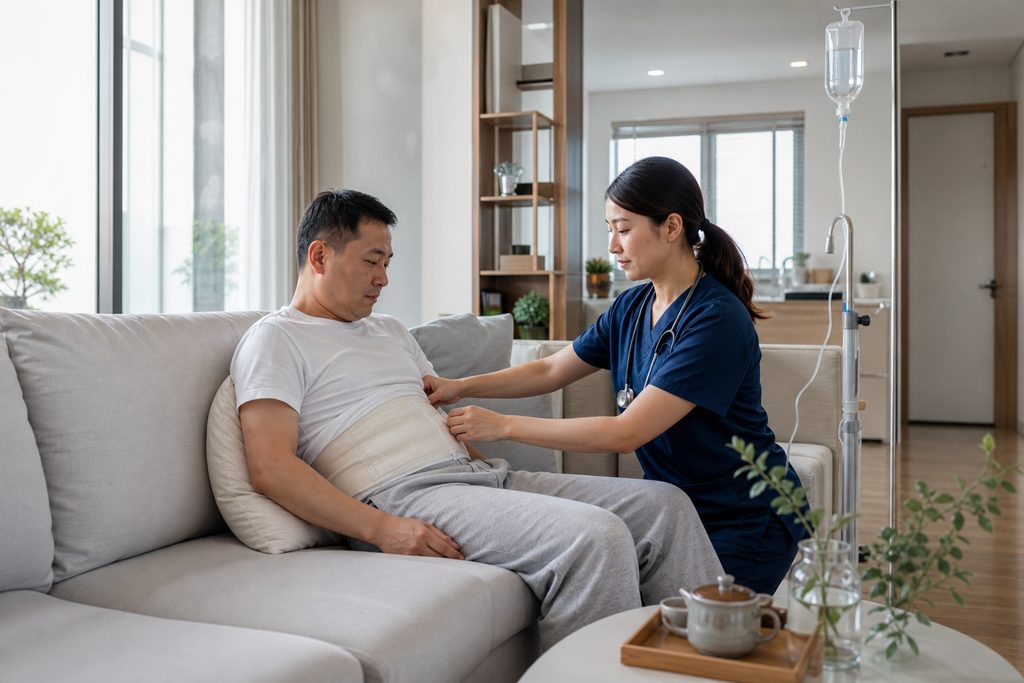
When 54-year-old Linda returned to Manchester after a complex orthopedic procedure in Shanghai, her recovery was textbook for the first three weeks. Then the swelling started. Her local GP took one look at the operative site and sent her straight to A&E. The NHS surgeon was reluctant to touch another surgeon’s work. The private hospital quoted £18,000. And the original surgical team in China was 5,000 miles away, unaware there was even a problem.
This scenario is the quiet fear that sits in the back of every medical traveler’s mind. The procedure goes well. You fly home. And then something changes.
We coordinate care for international patients who choose China’s top-tier hospitals, and we hear a version of this story often enough to know it deserves a clear, unsentimental walkthrough. Not a sales pitch. A plan.
How This Actually Works, Step by Step
The moment you suspect a post-operative complication, the clock matters. But so does the sequence of who you contact.
Start with your original surgical team in China. Not your local doctor. Not yet.
Send a message through the coordinator or the hospital’s international department. Attach clear, well-lit photos of the surgical site. Include any new imaging reports if you already have them. State your symptoms in plain, precise language: when they started, what makes them worse, and any fever readings.
Why the Chinese team first? Because they know exactly what was done inside your body. A local surgeon looking at a post-operative CT scan without the operative notes is guessing. The original surgeon can often distinguish between a normal variant of healing and an early infection just from a photo and a description. This remote triage costs nothing and takes hours, not days.
If the Chinese team confirms the issue is minor — a superficial wound dehiscence, a seroma that can be drained in an office setting — they may guide your local GP through the management. We have seen this work smoothly dozens of times.
If the issue is deeper — an infection involving the hardware, a mechanical failure of the implant — you now face a decision. And that decision will be shaped by what your local system can offer.
The Hard Question: Who Operates on You Now?
You have three paths. None are free. All have trade-offs.
Path one: your local public health system. In the UK, the NHS will treat complications from private surgery done abroad. But there is often a hesitation, sometimes outright refusal, to revise another surgeon’s work without the full operative record. Wait times for non-emergency revision surgery can stretch to months. The system is not designed for this.
Path two: a private surgeon at home. This is faster. It is also expensive. A revision orthopedic procedure in the US or Western Europe can easily cost more than the original surgery in China. And you will need to provide the operative notes, implant make and model, and ideally a direct conversation between surgeons. Without these, many private surgeons will decline the case.
Path three: return to China. If you are stable enough to travel, your original surgeon can manage the complication directly. This is logistically heavy but clinically clean. The team knows your anatomy. They have your full records. And the cost will almost certainly be lower than private revision surgery in the West — even accounting for flights and accommodation.
What makes the difference in every path is the quality and speed of information transfer between the two clinical teams.
A Realistic Timeline
| Stage | What Happens | Typical Duration |
|---|---|---|
| Day 0 | You notice symptoms and contact your original surgical team via your coordinator or the hospital international desk. Photos and symptom description sent. | Same day |
| Day 1–3 | Chinese team reviews your case. They may request specific imaging or lab work done locally. You get these done and send results. | 2–3 days |
| Day 4–7 | Remote diagnosis and management plan delivered. If conservative management is possible, guidance is given to your local provider. If revision surgery is needed, options are discussed. | 3–4 days |
| Week 2–4 | If returning to China: S2 visa application, flight booking, hospital admission coordination. If staying local: operative records translation, implant details retrieved, local surgeon consultation. | 2–4 weeks |
| Week 4–8 | Surgery performed, whether in China or at home. Recovery begins. | Depends on procedure |
The timeline stretches most at the visa and local surgeon coordination stages. Document translation alone can eat a week if not handled professionally. Many patients underestimate this and end up frustrated when a local surgeon refuses to proceed without properly translated operative notes.
What Can Go Wrong — and What Happens Then
The worst-case scenario is not a complication. It is a complication plus silence.
You email the hospital in China. No response for five days. Your local doctor is pressing for a decision. You are in pain and scared. This happens when patients rely on a single point of contact — one WeChat account, one email address — and that person goes on leave or simply misses the message.
What you need is a structured handoff before you ever leave China. Your discharge package should include: the direct contact of the international patient department, not just the surgeon’s personal mobile; a copy of your full operative report in both Chinese and English; the exact manufacturer and model number of any implant; and a named contact for post-discharge queries.
Another failure mode: the local surgeon opens you up and finds an implant system they do not recognize and have no instruments for. This is not theoretical. Chinese hospitals sometimes use implant brands that are common in Asia but rare in North America or Europe. The local surgeon then has to remove the unfamiliar hardware and replace it with something they know — adding complexity and cost to a case that was already complicated.
Ask for the implant passport before you leave the hospital. Every implant has one. It lists the manufacturer, model, lot number, and size. Keep it with your passport.
And then there is the cost trap. You may have budgeted carefully for the procedure in China. You probably did not budget for a £20,000 revision surgery at home. Travel insurance policies that cover medical tourism are rare and expensive. Most standard policies exclude complications from elective procedures done abroad. Read the fine print before you book the initial surgery.
What Determines the Cost of Fixing This at Home
The phrase “urgent surgery cost China for tourists” captures a real search, but the more pressing financial question is usually the reverse: what will it cost to fix a China procedure on home soil?
The numbers are stark. A revision total hip arthroplasty in the United States runs between $35,000 and $70,000. In the UK privately, £15,000 to £25,000. In Australia, AUD $30,000 to $50,000. These are not marginal sums. They can exceed the original procedure cost in China by a factor of three or four.
Several variables drive the price. The urgency of the case — emergency surgery costs more than scheduled revision. The need for an unfamiliar implant system to be removed and replaced. The hospital’s policy on taking over another surgeon’s work — some institutions charge a premium for the liability risk. And whether the original surgical team is available for real-time consultation during the revision, which can reduce operating time and therefore cost.
One underused option is a written second opinion from the Chinese team, formally translated and delivered to your local surgeon. This document can clarify the original surgical approach and reduce the local surgeon’s diagnostic uncertainty. We have seen this single step cut the local surgical quote by thousands, simply because the surgeon felt more confident proceeding.
Practical Considerations: Records, Visas, and Payment
If you need to return to China for revision surgery, the process mirrors your original trip but with higher stakes and tighter timelines.
Your medical records must travel with you. This seems obvious, but patients in pain forget details. Bring every imaging CD, every lab report, every clinic note generated since you returned home. The Chinese team needs to see what changed.
The visa is an S2, the same category used for the original medical travel. The hospital’s international department can provide the invitation letter. Processing times vary by country, but plan for two weeks minimum. Expedited processing exists in some jurisdictions but cannot be guaranteed.
Payment works the same way as the initial procedure. Public hospitals in China require prepayment. International departments often accept wire transfers and major credit cards. The cost of the revision itself will be quoted before you travel. It is usually comparable to the original procedure cost, sometimes slightly higher if the revision is more complex.
Insurance almost never covers a return trip for complications. You are paying out of pocket. Budget for flights, accommodation, and a longer stay — revisions often require extended post-operative monitoring.
Language remains the barrier it always was. Even in top-tier international departments, English proficiency varies. A bilingual medical companion who can translate clinical conversations in real time and navigate the hospital’s administrative systems is not a luxury in this scenario. It is a practical necessity.
Frequently Asked Questions
Can my local doctor fix complications from a China procedure?
Yes, in most cases. But the local surgeon will need the full operative report, implant details, and ideally direct communication with the original surgical team. Without these, many surgeons will decline the case or proceed with greater caution and cost. The limiting factor is almost never surgical skill — it is information.
What happens if I need surgery after medical tourism in China and I cannot afford private care at home?
You are not without options. Contact your original surgical team immediately for remote guidance. If conservative management is possible, they can direct your local GP. If surgery is unavoidable and the public system wait is too long, returning to China for revision care is often less expensive than private surgery in the West, even including travel costs. Some patients also explore medical tourism to other destinations with lower private surgery costs, though this adds another layer of coordination complexity.
Are there emergency surgery packages for China medical tourists who develop complications?
Not in the way you might hope. No hospital sells a fixed-price “complication package.” What exists is a well-established pathway: the original hospital’s international department can expedite your readmission, coordinate the surgical team, and provide a cost estimate before you travel. This is not a package you buy in advance. It is a service triggered by the complication itself. The key is having a reliable channel to activate it quickly.
What if my original surgeon in China is unavailable or unresponsive?
This is a real risk with any international medical travel. If you went through a hospital’s official international department, you have institutional continuity — another surgeon in the same department can access your records and take over the case. If you arranged the surgery through an individual facilitator or a less formal channel, your recourse is thinner. This is why we emphasize structured discharge planning and verified institutional contacts before you leave the country. The surgeon matters. The system around the surgeon matters more when things go wrong.
How do I know if a complication is serious enough to require surgery versus something that can be managed conservatively?
You do not make that call yourself. Red flags that warrant immediate surgical consultation include: fever above 38°C with wound redness or drainage, sudden inability to bear weight or use the operated limb, chest pain or shortness of breath, and any wound opening that exposes deeper tissue or hardware. For anything less acute, start with photos and a message to your original surgical team. They can often distinguish a normal healing response from an early problem faster than a local provider who did not perform the surgery.
Your Next Step
The time to prepare for a complication is before you leave the country where the surgery was done. A complete discharge dossier, a verified contact channel, and a clear understanding of what your local system will and will not cover are not afterthoughts. They are the difference between a manageable problem and a crisis.
Our team at China Medical Services helps international patients build exactly this safety net. We do not perform surgery, and we do not make clinical decisions. What we do is ensure that when something goes wrong after you return home, the information bridge between your local surgeon and your original team in China is solid, fast, and professionally translated. That bridge saves time, reduces costs, and occasionally prevents an unnecessary second operation.
If you are planning a procedure in China, or if you have already returned home and are facing an unexpected complication, start with a conversation. The path forward is clearer than it feels right now.
For more medical information and treatment options in China, visit chinamedservices.com (China Medical Services).
