Getting Cosmetic Surgery in Shanghai: Your Plastic Surgery Local Companion Guide
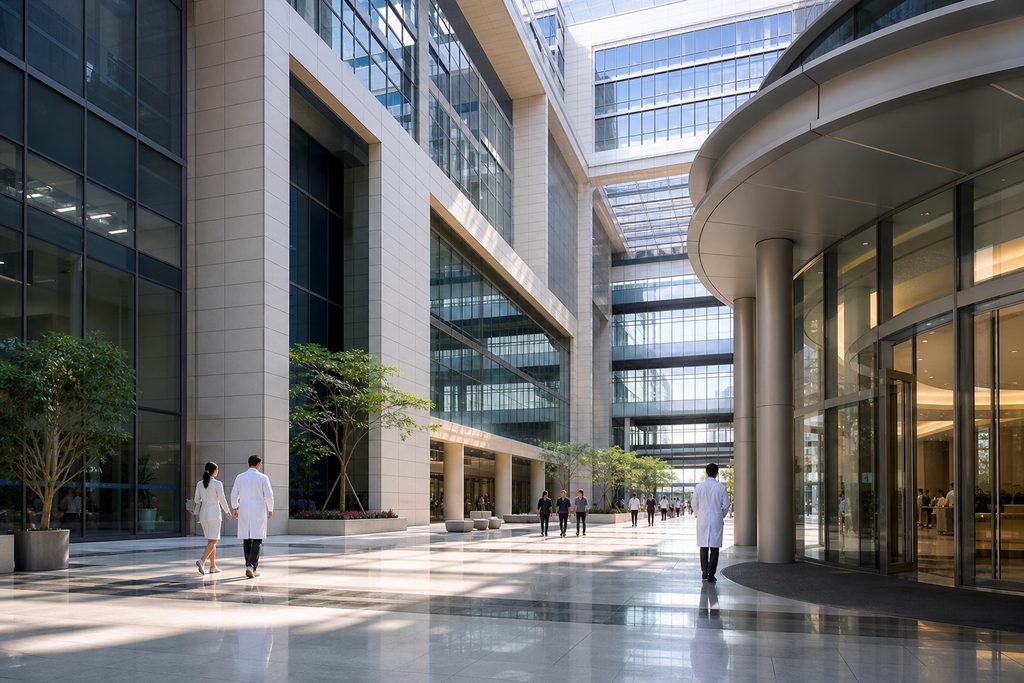
The numbers are staggering. According to the International Society of Aesthetic Plastic Surgery, China accounted for over 10% of all global cosmetic procedures in a recent annual survey, with Shanghai emerging as a primary destination. Yet for a Western patient, walking into a Shanghai hospital with a cosmetic surgery Shanghai price list in one hand and zero language support in the other is a recipe for confusion. Our team has coordinated care in 37 cities, and the gap between what international patients expect and what actually happens on the ground remains the single biggest challenge. That gap is exactly what a local companion fills—not by selling you a surgery, but by making sure the information you get is accurate, the surgeon you meet is properly vetted, and the consent form you sign reflects what you actually discussed.
Key Takeaways
- Shanghai performs an estimated 500,000+ cosmetic procedures annually across 18 top-tier hospitals, making it one of the highest-volume aesthetic hubs in Asia.
- A bilingual medical companion does not choose your surgeon for you—they ensure the surgeon’s credentials are verifiable, the facility is legitimate, and nothing gets lost in translation during consultation and recovery.
- The biggest risk is not surgical skill but communication breakdown: misaligned expectations about results, aftercare, or revision policies cause most dissatisfaction.
- You should never commit to surgery on the first visit. A proper process includes a written second opinion, an in-person consultation, and time to reflect before booking an operating room.
The Problem: High Cost and Long Waits Are Forcing Patients to Look Abroad
A facelift in the United States now averages $12,000 to $25,000 depending on the surgeon and region. Rhinoplasty runs $7,500 to $15,000. And those figures do not include anesthesia, facility fees, or the revision rate—roughly 8% to 15% of rhinoplasty patients seek revision surgery, according to data published in Plastic and Reconstructive Surgery. In the UK and Australia, wait times for elective cosmetic procedures in the public system are irrelevant because the procedures are rarely covered. Private-pay patients face the same cost wall. So they look elsewhere. South Korea gets the headlines, but Shanghai has quietly built an infrastructure that rivals Seoul at a price point that often undercuts it.
But here is what most comparison articles miss. A cosmetic surgery Shanghai price list is easy to find. Understanding why one hospital quotes 18,000 RMB for a procedure and another quotes 45,000 RMB—that requires local knowledge. Is the difference the surgeon’s seniority? The type of anesthesia? The implant brand? Or is one quote from a public hospital’s international wing and the other from a private clinic that caters to expats? Without someone who can read the Chinese-language itemized breakdown and ask the right follow-up questions, you are comparing numbers without context.
Why Shanghai Delivers Results That Rival Seoul and the West
Shanghai Ninth People’s Hospital, affiliated with Shanghai Jiao Tong University School of Medicine, is consistently ranked among China’s top three for plastic and reconstructive surgery. Its department handles over 100,000 outpatient visits and more than 40,000 surgical cases annually. A senior surgeon there may perform 300 to 500 rhinoplasties a year. Compare that to a busy private-practice surgeon in Los Angeles who might do 80 to 120. Volume does not guarantee artistry, but it correlates strongly with complication management. When a surgeon has seen and corrected thousands of variations of the same anatomy, the unexpected becomes routine.
A primary rhinoplasty in Shanghai through a public hospital’s international department typically runs between $3,000 and $6,000 USD. The same procedure in Seoul averages $4,000 to $8,000. In the US, as noted, $7,500 to $15,000. The plastic surgery cost China vs Korea comparison often stops at the sticker price, but the real story is in what drives the difference. Chinese hospital fees reflect lower labor costs for nursing and support staff, not lower surgeon quality. The implants and devices are often the same global brands—Mentor, Allergan, Medpor—used in Western operating rooms. The facility accreditation standards for JCI-certified hospitals in Shanghai are identical to those in Singapore or Dubai. You are not paying less because you are getting less. You are paying less because the economic structure of healthcare delivery is different.
Many top-tier plastic surgery departments in Shanghai are integrated with major reconstructive programs. Surgeons who rebuild faces after trauma or cancer resection bring a depth of anatomical knowledge that pure cosmetic surgeons may not develop. This matters for complex cases—revision rhinoplasty, facial feminization, post-bariatric body contouring. The line between plastic and reconstructive surgery blurs in ways that benefit the patient.
How to Choose a Plastic Surgeon in Shanghai Without Speaking the Language
The question how to choose a plastic surgeon in Shanghai is the one we hear most often, and it is the right question. Credentials are the starting point. Look for board certification through the Chinese Association of Plastic and Aesthetic Surgery. Verify hospital affiliation—surgeons at Fudan University-affiliated hospitals, Shanghai Jiao Tong University-affiliated hospitals, and JCI-accredited international hospitals are subject to institutional oversight that solo private clinics may lack. Ask for before-and-after photos of cases similar to yours, not just the surgeon’s best three results. And request a written surgical plan that specifies the technique, implant type if applicable, anesthesia method, and expected recovery timeline.
None of this works without translation. A surgeon may have impeccable credentials and a portfolio of excellent results, but if you cannot discuss your aesthetic goals in detail—if you cannot explain that you want a natural dorsal curve, not a scooped bridge—the outcome will reflect that gap. This is where a bilingual medical companion changes the equation. Not as a salesperson for any particular surgeon, but as a communication bridge who ensures your consultation covers the same depth it would in your home country.
Is Cosmetic Surgery Safe in China? What the Data Shows
The short answer is yes, at accredited hospitals. The longer answer requires nuance. China’s National Health Commission regulates hospital licensing, and JCI accreditation provides an additional international layer of oversight. Shanghai’s top-tier public hospitals report infection rates comparable to Western benchmarks. But the question is cosmetic surgery safe in China also depends on where you go. The market includes unlicensed clinics operating in commercial high-rises, offering cut-rate procedures with no anesthesiologist on site. These are not the hospitals we reference. A legitimate medical tourism package Shanghai facelift or rhinoplasty journey starts with verifying the facility’s credentials before you ever book a flight.
What a Cosmetic Surgery Shanghai Price List Actually Reveals
Prices vary dramatically by hospital tier, surgeon seniority, and procedure complexity. The figures below represent ranges observed across Shanghai’s public hospital international departments and JCI-accredited private hospitals in 2024-2025. They are estimates for planning purposes, not quotes. Final pricing depends on your specific anatomy, implant choices, and length of stay.
| Procedure | Public Hospital International Dept (USD) | Private International Hospital (USD) | Includes |
|---|---|---|---|
| Primary Rhinoplasty | $3,000 – $6,000 | $5,500 – $9,000 | Surgeon fee, anesthesia, 1-night stay |
| Revision Rhinoplasty | $4,500 – $8,000 | $7,000 – $12,000 | Often requires rib cartilage; longer OR time |
| Upper Blepharoplasty | $1,200 – $2,500 | $2,000 – $4,000 | Local anesthesia; outpatient |
| Lower Blepharoplasty | $1,800 – $3,500 | $2,800 – $5,000 | Often includes fat repositioning |
| Facelift (Full SMAS) | $5,000 – $10,000 | $8,000 – $16,000 | 2-3 night stay; drains included |
| Liposuction (3 areas) | $2,500 – $5,000 | $4,000 – $7,500 | General anesthesia; compression garment |
| Breast Augmentation | $4,000 – $7,000 | $6,000 – $10,000 | Implant cost varies by brand |
These numbers put the plastic surgery cost China vs Korea question into perspective. Shanghai often comes in 20% to 30% below Seoul for comparable procedures at comparable facility levels. The gap widens when you factor in accommodation and companion services, but the overall package remains competitive.
Medical Tourism Package Shanghai Facelift: What Should Be Included
A responsible medical tourism package Shanghai facelift journey should never be sold as an all-inclusive vacation with surgery on the side. The components that matter are clinical, not hospitality-driven. You want a package that includes a pre-operative written second opinion based on your photos and medical history, a video consultation with the proposed surgeon before you travel, an in-person consultation upon arrival with no obligation to proceed, the surgery itself with board-certified anesthesia, a hospital stay of 2 to 3 nights with nursing care, and at least two post-operative follow-up visits before you fly home.
What it should not include is pressure. Any coordinator who pushes you to commit to surgery before you have met the surgeon in person is not acting in your interest. Our team has seen patients arrive in Shanghai expecting a specific procedure, only to have the surgeon recommend a different approach after examining them in person. That conversation must happen freely, without the patient feeling financially locked in.
How to Book Rhinoplasty Shanghai With English Translator Support
The phrase book rhinoplasty Shanghai with English translator appears in search queries because patients intuitively understand the risk. You are not just booking a surgery; you are booking a communication process that spans weeks. The translator needs to be present for the initial consultation, the pre-operative marking session, the consent signing, the discharge instructions, and the first follow-up. Missing any one of those touchpoints creates a gap where assumptions replace confirmed facts.
A bilingual medical companion handles more than translation. They confirm that your medical records have been properly transferred and reviewed. They verify that the implant you selected is the one documented in your chart. They ensure the discharge medications are labeled in a way you can understand back home. These are not luxuries. They are risk-management steps that experienced international patients build into their plans.
Practical Considerations: Visas, Payments, and Recovery Logistics
Foreign nationals traveling to Shanghai for medical treatment apply for an S2 visa, which covers short-term private affairs including medical care. You will need an invitation letter from the hospital confirming your consultation or procedure date. Processing typically takes 5 to 10 business days, though timelines vary by consulate. Your companion or family member traveling with you also applies for an S2. Do not let anyone tell you to apply for an M visa for medical purposes—that category is for commercial and trade activities and is not appropriate for medical travel.
Payment is predominantly out-of-pocket at the time of service. Public hospital international departments and private international hospitals accept major credit cards and wire transfers. Some private hospitals offer direct billing with international insurers, but this is the exception, not the rule. Verify coverage with your insurer before you travel. Most patients pay upfront and seek reimbursement afterward. Cash limits apply—Chinese customs requires declaration for amounts exceeding $5,000 USD or equivalent in other currencies. Plan to carry a mix of payment methods.
Recovery timing dictates your minimum stay. For a facelift, plan on 10 to 14 days in Shanghai before flying. Sutures come out around day 7 to 10. Swelling peaks at day 3 and begins resolving after day 5. You will not look ready for a board meeting, but you will be fit to travel. For rhinoplasty, the minimum is 7 to 10 days for cast removal and initial follow-up. Liposuction requires compression garments and limited activity for 2 to 4 weeks. Book accommodation near your hospital—traffic in Shanghai can turn a 20-minute follow-up into a two-hour ordeal.
Frequently Asked Questions
How do I verify a Shanghai plastic surgeon’s credentials from abroad?
Request the surgeon’s full name in Chinese characters and their hospital affiliation. Cross-reference the hospital on the Fudan Hospital Ranking for plastic surgery. Verify JCI accreditation status on the Joint Commission International website. A legitimate surgeon at a top-tier hospital will have a publicly verifiable profile on the hospital’s official website. If you cannot find them, ask why.
What happens if I need revision surgery after returning home?
Revision policies vary by hospital and surgeon. Some include one revision within a defined window at reduced cost. Others do not. Clarify this before surgery and get it in writing. If revision is needed, you will likely need to return to Shanghai. Most Western plastic surgeons are reluctant to revise another surgeon’s work, especially if they are unfamiliar with the technique used. Factor this risk into your decision.
Will the hospital provide an English-speaking nurse for recovery?
At JCI-accredited private international hospitals, yes—nursing staff typically include English speakers. At public hospital international departments, English proficiency varies. Day-shift staff are more likely to speak English than night-shift staff. A bilingual companion fills the gaps, especially during the first 24 hours when you are groggy and need to communicate pain levels, nausea, or other concerns accurately.
Can I combine multiple procedures in one trip?
Surgeons in Shanghai routinely combine procedures—rhinoplasty with chin augmentation, facelift with blepharoplasty—when it is medically safe. The limiting factors are total anesthesia time and your overall health. A responsible surgeon will not agree to a 10-hour combination case without a full pre-operative workup. If a clinic offers to do everything at once without reviewing your labs and medical history, walk away.
Your Next Step
The decision to travel for cosmetic surgery is personal and significant. What we do at China Medical Services is make sure that when you sit down with a Shanghai surgeon, you have the same clarity and confidence you would expect at home. We coordinate written second opinions, video consultations with verified specialists, and on-the-ground bilingual companions who stay with you from the first consultation through your final follow-up. We are not a hospital, we do not provide medical advice, and we never push anyone toward a procedure they are not fully ready for. If you want to understand your options without pressure, start with a conversation. Visit our patient companion services page to learn how we help international patients navigate Shanghai’s top hospitals safely and clearly.
For more medical information and treatment options in China, visit chinamedservices.com (China Medical Services).
