Cardiac Surgery at Guangdong Provincial People’s Hospital: A Complete Guide for International Patients
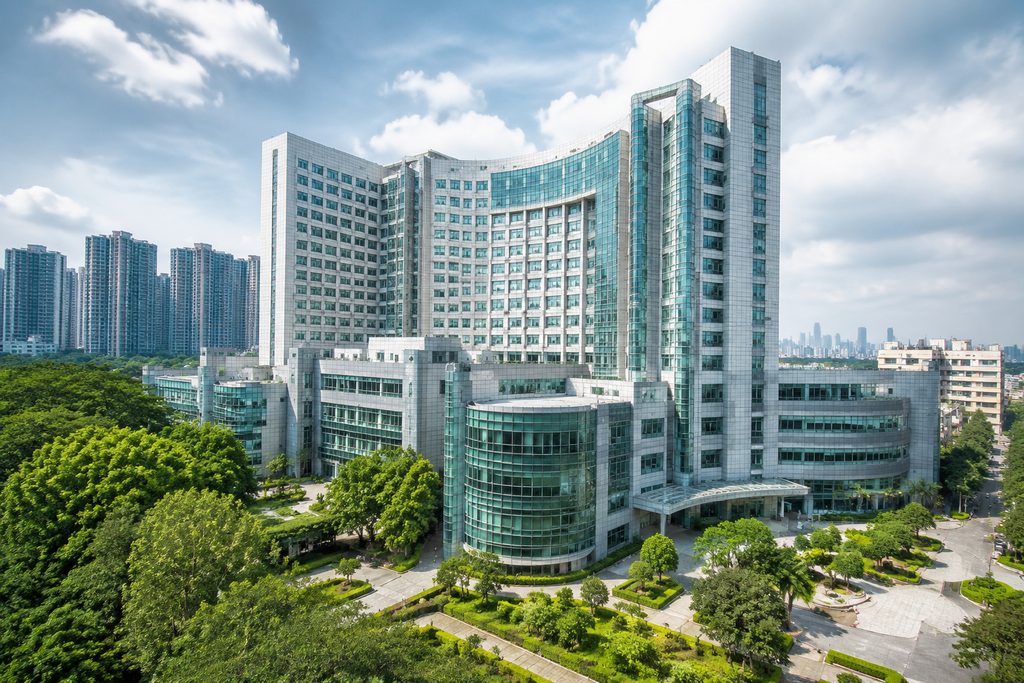
The Short Answer
When 42-year-old Michael first heard the diagnosis, he had no idea where to start looking for treatment. His cardiologist in Manchester had been direct: triple-vessel disease requiring bypass surgery. The NHS wait time stretched past four months. Going private locally meant emptying his savings. Someone at his cardiac rehab group mentioned China. That led him to one specific question: what is the actual heart bypass surgery cost at Guangdong Provincial People’s Hospital? The answer is between $12,000 and $20,000 for a standard CABG procedure. That’s roughly one-fifth to one-eighth of the $120,000-plus it would cost in the United States.
But price is never the full picture. The real question is whether this specific hospital can deliver outcomes that justify traveling 6,000 miles. Guangdong Provincial People’s Hospital, or GDPH, runs one of the largest cardiovascular programs in southern China. Its cardiac surgery department handles over 3,000 open-heart procedures annually. For Michael, that volume mattered. So did the fact that wait times for urgent cases are measured in days, not months. The caveat? Navigating this system as a foreigner requires planning. You cannot simply book a surgery slot online. You need a structured pathway through the hospital’s international channels.
Who This Is Right For — and Who It Isn’t
International cardiac surgery makes sense for a specific type of patient. Not everyone. Being honest about who should stay home is what builds trust.
Patients who are typically good candidates:
- Those facing non-urgent but time-sensitive procedures where home-country wait times exceed 8 to 12 weeks
- Patients who are clinically stable enough to fly — your own cardiologist must clear this
- People seeking high-volume surgical teams. GDPH surgeons perform more CABG procedures annually than most surgeons in Western countries see in a decade
- Those paying out of pocket or with insurance that reimburses overseas treatment. The math works when the savings are $80,000 or more
- Patients who can commit to staying in Guangzhou for 10 to 14 days post-discharge before flying home
Who should not pursue this path:
- Patients in active heart failure or unstable angina who cannot tolerate a long-haul flight
- Those requiring emergency surgery within 48 hours — get treated where you are
- Anyone who expects a Western-style private room and English-speaking nurses on every shift. GDPH is a Chinese public hospital. The clinical care is excellent. The bedside experience is different
- Patients with complex multi-organ disease who need coordinated care across five specialties. While GDPH is a comprehensive hospital, managing that level of coordination remotely is extremely difficult
- People who need guaranteed outcomes. No surgical team on earth can promise that
The Options, Compared
When you are weighing where to have cardiac surgery, the variables are cost, wait time, and surgical volume. Here is how Guangdong Provincial People’s Hospital stacks up against the other paths international patients typically consider.
| Factor | GDPH Guangzhou (International Channel) | US Private Hospital | Thailand Private Hospital | India Corporate Hospital Chain |
|---|---|---|---|---|
| CABG cost (all-in) | $12,000–$20,000 | $120,000–$200,000 | $18,000–$30,000 | $7,000–$12,000 |
| Annual cardiac surgeries | 3,000+ open-heart | Varies (300–1,500 typical) | 500–1,200 | 1,500–3,000 |
| Wait time (urgent but stable) | 5–14 days | 2–8 weeks (private) | 3–10 days | 2–7 days |
| English-speaking surgical team | Limited (interpreter required) | Full | Full | Full |
| JCI accreditation | No (Chinese public hospital standard) | Most | Most | Most |
| Post-op stay expectation | 7–10 days in hospital | 5–7 days | 7–10 days | 7–10 days |
| Foreign patient infrastructure | Developing (use a coordinator) | Established | Established | Established |
The right column depends on what you are optimizing for. If it is purely the lowest price, India wins. If it is familiarity and zero language friction, stay in the US and pay the premium. GDPH sits in a specific sweet spot: high surgical volume that correlates with better outcomes, a price point that makes self-pay feasible, and a location in Guangzhou — a modern city with excellent flight connections and a large expatriate community. Thailand offers a more polished medical tourism experience at a slightly higher cost. But the surgical volume at GDPH is what draws cardiac patients specifically. For complex heart procedures, volume matters more than hotel-like amenities.
What the Surgical Volume Actually Means for Your Outcome
This is the section that matters most to patients who have moved past the sticker price and are now asking the harder question: what is the success rate of cardiac surgery in China, specifically at this hospital?
Let’s be precise about what we can and cannot say. GDPH does not publish a single “success rate” number on its English-language materials. That frustrates Western patients accustomed to transparent report cards. But here is what we do know. The hospital’s cardiovascular surgery department performs more than 3,000 open-heart procedures annually. In cardiac surgery, volume and outcomes are linked. A 2016 study in the New England Journal of Medicine found that hospitals performing fewer than 100 CABG procedures annually had significantly higher mortality rates than high-volume centers. GDPH clears that threshold thirty times over.
The department is led by surgeons who trained at top Chinese medical centers and, in some cases, completed fellowships abroad. The hospital was among the first in China to adopt minimally invasive cardiac surgery techniques, including minimally invasive valve repair and off-pump bypass. For valve replacement specifically — and many patients searching for how long to recover from heart valve replacement abroad are weighing this exact procedure — the adoption of minimally invasive approaches at GDPH can shorten the recovery timeline. Traditional sternotomy valve replacement requires 8 to 12 weeks before returning to normal activity. Minimally invasive approaches can cut that to 4 to 6 weeks for the right candidates.
But let’s address the elephant in the room. Chinese public hospitals do not operate with the same patient-communication norms that Western patients expect. Informed consent discussions may feel rushed. Post-operative pain management protocols differ. The nursing model relies heavily on family members providing bedside care. These are not quality-of-surgery issues. They are experience-of-care issues. And they are real. A bilingual medical companion bridges the communication gap. But the cultural differences remain. Patients who approach this with open eyes tend to report satisfaction with the clinical outcome even when the bedside experience felt foreign.
For the specific question is Guangdong Provincial People’s Hospital good for heart surgery, the answer is yes — by the metrics that predict surgical outcomes. It is a high-volume, technically proficient center. It is not a luxury experience. If you prioritize the surgery itself over the wrapping, GDPH deserves serious consideration.
What It Costs
Let’s break down the heart bypass surgery cost at Guangdong Provincial People’s Hospital into real categories. The headline number only tells part of the story.
| Cost Category | Estimated Range (USD) | Notes |
|---|---|---|
| Surgical package (CABG, hospital fees, standard ICU) | $10,000–$16,000 | Varies by number of grafts and whether off-pump technique is used |
| Pre-operative testing (angiogram, labs, imaging) | $1,000–$2,000 | Some tests may need repeating on arrival |
| Post-operative hospital stay (7–10 days) | Included in package | Extended ICU stay adds approximately $800/day |
| Valve replacement (mechanical or tissue) | $14,000–$22,000 | Minimally invasive techniques cost toward the higher end |
| International patient coordination fee | from $300 | Covers appointment scheduling and hospital registration |
| Bilingual medical companion (per day) | from $300 | Essential for non-Chinese speakers during hospital visits |
| Visa, flights, local accommodation | $2,000–$5,000 | Guangzhou has options from budget hotels to serviced apartments |
| Post-discharge accommodation (10–14 days) | $800–$2,000 | Required before flying; your surgical team will advise on timing |
What is not included: treatment of unexpected complications requiring extended ICU care, air ambulance repatriation if medically necessary, medications for the recovery period after discharge, and follow-up care once you return home. You need a plan for all of these. The savings are real, but they are not risk-free savings.
For patients evaluating the best cardiac surgery hospital Guangzhou price comparison, GDPH sits in the middle range for Chinese public hospitals. Fuwai Hospital in Beijing, the world’s highest-volume cardiac center, charges slightly more at $15,000 to $25,000 for CABG. Zhongshan Hospital in Shanghai runs in a similar band. GDPH’s pricing reflects Guangzhou’s overall lower cost of living compared to Beijing and Shanghai, while still offering a top-tier cardiac program.
Practical Considerations: Records, Visas, and the Recovery Timeline
The surgery itself is one chapter. Getting there and getting home are the others. Here is what you actually need to handle.
Medical records. You will need a complete dossier translated into Chinese or, at minimum, English with key findings highlighted. This includes your coronary angiogram images and report (on CD or USB, not just the written summary), echocardiogram results, full blood work from the past 30 days, a letter from your referring cardiologist explaining the diagnosis and recommended procedure, and a list of all current medications with dosages. The hospital will review these before confirming whether they can accept your case. A written second opinion service can help bridge this gap — your records are reviewed by a GDPH cardiac surgeon who provides a treatment recommendation and confirms whether they are willing to proceed. This step costs $300 to $500 and is credited toward coordination fees if you move forward.
Visa. Foreign nationals traveling to China for medical treatment apply for an S2 visa, a short-stay category used for private affairs including medical purposes. Your spouse or family member accompanying you also applies for an S2 visa. You will need an invitation letter from the hospital, which the international patient coordination team can help arrange. Processing typically takes 5 to 10 business days, but this varies by country and season. Apply at least four weeks before your planned travel. The S2 visa is typically issued for 30 to 90 days. If your recovery requires a longer stay, discuss extension possibilities with the hospital early.
Recovery timeline and the flight home. For patients researching how long to recover from heart valve replacement abroad, the answer has two parts. First, the in-hospital recovery. For a standard valve replacement via sternotomy, expect 7 to 10 days in the hospital. Minimally invasive approaches may reduce this to 5 to 7 days. Second, the post-discharge period before flying. Most cardiac surgeons recommend staying within easy reach of the hospital for 10 to 14 days after discharge. Flying too soon after cardiac surgery carries a risk of deep vein thrombosis and puts you far from help if a complication arises. Plan for three to four weeks total in Guangzhou from surgery date to departure. Once home, full recovery continues for 8 to 12 weeks. You will need a local cardiologist lined up before you leave — do not wait until you are back to find one.
Payment. Chinese public hospitals require upfront payment or a deposit before admission. International credit cards are sometimes accepted, but wire transfer is more reliable. Your home insurance may reimburse you after the fact — confirm this in writing before booking anything. GDPH does not do direct insurance billing with foreign insurers. You pay, you submit, you wait for reimbursement.
Frequently Asked Questions
Not in the way you might expect. When people search for book heart surgery China medical tourism package, they often imagine a website where they can select a procedure, pick a date, and pay with a credit card. That does not exist for cardiac surgery at Chinese public hospitals. What does exist is a coordinated pathway. You submit your medical records for review. A cardiac surgeon at GDPH evaluates your case and confirms they can treat you. Then a coordination team helps schedule the pre-operative consultation, admission, and procedure. This is medical case management, not e-commerce. Any organization promising a fixed-price “package” with guaranteed dates before a surgeon has reviewed your angiogram is not being honest about how Chinese public hospitals work. The process is sequential, not transactional.
GDPH has a cardiac ICU equipped to manage post-surgical complications, including bleeding, arrhythmias, and infection. The hospital’s complication rates are not publicly benchmarked against international standards in a way that is easily accessible to foreign patients. That is a genuine limitation. What we can say is that high-volume centers tend to have better rescue rates when complications occur — they have seen more, their teams are more practiced, and their protocols are more refined. If a complication requires a longer ICU stay, you will incur additional costs beyond the initial surgical package. If you require medical repatriation, that falls entirely on you and your travel insurance. Purchase a policy that explicitly covers medical evacuation and complications from planned overseas surgery. Standard travel insurance will not cover this. You need a specialized medical tourism policy or a rider on your existing health plan.
Some surgeons at GDPH speak functional medical English, particularly those who trained or completed fellowships abroad. But this is not guaranteed for every member of your surgical team. Nursing staff rarely speak English. Pre-operative consultations, consent discussions, and post-operative instructions will happen primarily in Mandarin. This is where a bilingual medical companion becomes essential. They translate in real time during consultations, explain discharge instructions, and help you communicate needs to the nursing staff. The companion is not a medical professional — they are a language bridge. For complex discussions about surgical risk and consent, you may also want a video consultation with the surgeon before travel, with a professional medical interpreter present. That way, nothing is lost in translation when it matters most.
Yes, though the ranking system requires some explanation. China’s most authoritative hospital ranking is the Fudan University Hospital Ranking, which evaluates hospitals by specialty reputation. GDPH’s cardiac surgery department consistently ranks among the top 10 in China for cardiovascular surgery in the Fudan specialty reputation rankings. The hospital itself is a Grade A, Class 3 institution — the highest tier in China’s hospital classification system. It is one of the top 5% of China’s more than 35,000 hospitals. For cardiac surgery specifically, it sits alongside centers like Fuwai Hospital in Beijing and Zhongshan Hospital in Shanghai in terms of volume and technical capability, though those two hospitals have broader international reputations. GDPH’s strength is particularly recognized in southern China and among patients from Southeast Asia who have long traveled to Guangzhou for medical care.
Your Next Step
Choosing where to have your chest opened is not a decision made on a spreadsheet alone. The numbers matter. So does the feeling that you are in capable hands. Guangdong Provincial People’s Hospital offers high-volume cardiac surgery at a price that makes self-pay possible. The trade-off is navigating a system that was not designed with international patients in mind. That is where having someone on the ground changes the experience.
Our team at <
For more medical information and treatment options in China, visit chinamedservices.com (China Medical Services).
