Renji Hospital Shanghai Guide: Why Gastroenterology and Rheumatology Lead Matter
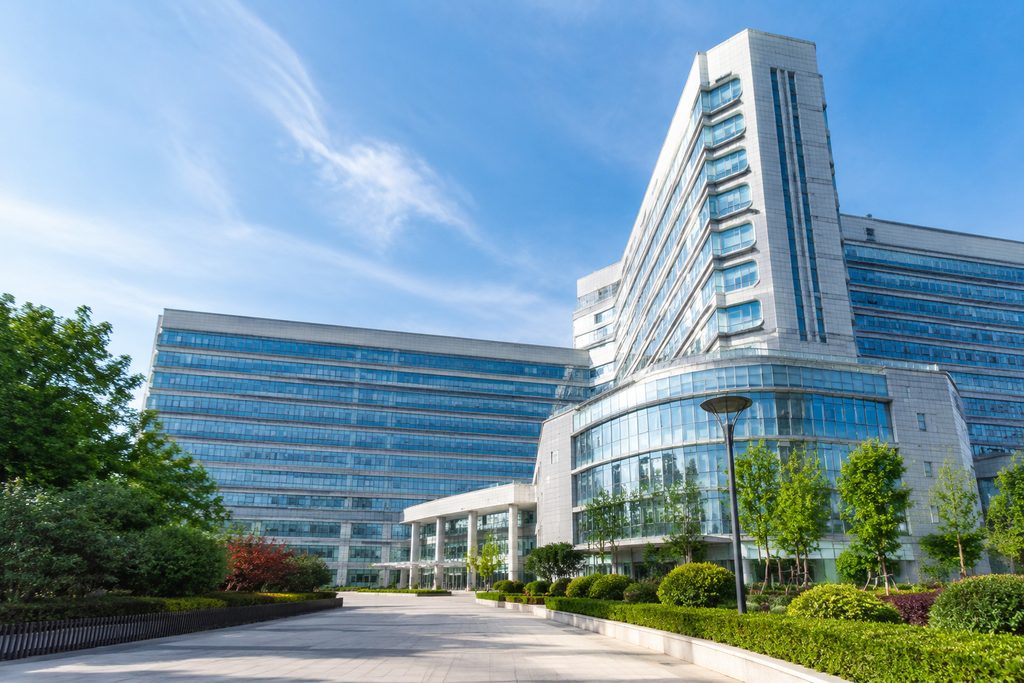
You’ve probably heard that navigating a massive Chinese public hospital as a foreigner is an exercise in chaos. The crowds, the language barrier, the bewildering campus layout. But tucked inside that initial chaos is something else entirely: a depth of clinical expertise that draws patients from across continents. Renji Hospital, affiliated with Shanghai Jiao Tong University School of Medicine, is one of those places. It doesn’t market itself as a medical tourism destination. It doesn’t need to. Its reputation in two specific fields—gastroenterology and rheumatology—does the heavy lifting. This guide unpacks what that reputation actually means, what it costs, and how an international patient can realistically access it.
Renji Hospital Shanghai: The Short Answer
Renji Hospital is a top-tier teaching hospital where the gastroenterology department handles a volume of complex endoscopic procedures most Western centers never see, and the rheumatology unit is a national reference point for autoimmune disease diagnosis. The Renji Hospital Shanghai gastroenterology price for a standard diagnostic endoscopy typically lands between $300 and $600 through the international VIP channel. That’s the headline. The reality is more layered. Getting that price requires understanding which channel you’re entering, what documentation you need, and why the doctor’s time—not the facility fee—drives the real value.
Who This Is Right For — and Who It Isn’t
Renji’s strengths are highly specific. A patient with a clear, pre-existing diagnosis looking for advanced endoscopic intervention or a second opinion on a stubborn autoimmune condition will find the journey worthwhile. Someone with vague abdominal discomfort and no prior workup will waste their own time and the doctor’s.
Good candidates typically include:
- Patients with confirmed or suspected inflammatory bowel disease (Crohn’s, ulcerative colitis) seeking a therapeutic endoscopy plan.
- Individuals with complex autoimmune profiles—lupus, antiphospholipid syndrome, IgG4-related disease—where previous treatments have stalled.
- Those needing high-volume endoscopic mucosal resection (EMR) or endoscopic submucosal dissection (ESD) for early gastrointestinal neoplasia.
- Patients who already have translated medical records, recent imaging, and a specific clinical question.
This path is not right for:
- Patients without any prior diagnostic workup. You need a foundation to build on.
- Those seeking a quick prescription refill without a full consultation. Renji specialists will want to reassess from scratch.
- Anyone unwilling to spend at least two to three days in Shanghai for initial evaluations and follow-up discussions.
- Patients with acute, unstable conditions requiring emergency admission. The international coordination pathway is designed for planned care, not crisis intervention.
The Options, Compared
When international patients look at specialist care in Shanghai, the choice isn’t just between hospitals. It’s between care delivery models. Each has a different cost structure, wait time, and level of language support. The table below lays out the real-world options for accessing gastroenterology and rheumatology expertise.
| Care Model | Typical Endoscopy Cost | Language Support | Wait Time for Specialist | Best For |
|---|---|---|---|---|
| Renji Public General Outpatient | $80–150 | None (Chinese only) | Same-day queue, 2–4 hours | Mandarin-speaking residents on a budget |
| Renji International VIP Clinic | $300–600 | English-speaking coordinator, some bilingual doctors | 3–7 days with coordination | International patients needing diagnosis or second opinion |
| Shanghai Private International Hospital (e.g., Jiahui) | $800–1,500 | Full English, insurance direct billing | 1–3 days | Expats with comprehensive insurance, routine care |
| Renji via Medical Concierge Coordination | $300–600 + coordination fee | Dedicated bilingual companion throughout | 5–10 days, pre-arranged | International patients wanting structured pathway with records review first |
The Renji International VIP Clinic strikes a balance most international patients find practical. You get the same senior specialists who run the public wards, but with appointment scheduling, cleaner facilities, and someone who speaks your language. The private international hospitals are more comfortable but rarely house the same depth of subspecialty expertise for complex autoimmune disease or advanced therapeutic endoscopy. That’s the trade-off.
Why Gastroenterology and Rheumatology Lead at Renji
Renji’s gastroenterology department is not just large. It performs over 130,000 endoscopic procedures annually. That number matters because it includes a disproportionate share of difficult cases referred from across eastern China. The department was an early adopter of ESD techniques for early gastric cancer, and its hepatology unit runs one of the country’s largest clinical programs for autoimmune liver diseases. When a Western patient asks how much does endoscopy cost at Renji Hospital, the price tag only makes sense when you understand that the doctor performing it may have done several thousand more therapeutic procedures than a typical community gastroenterologist in the US or UK.
The rheumatology story is similar. Renji’s rheumatology department has been ranked among China’s top clinical units for decades. It is a designated national clinical research center for autoimmune diseases. The department manages a patient registry that tracks tens of thousands of lupus, rheumatoid arthritis, and vasculitis cases. For a patient wondering is Renji Hospital good for autoimmune disease treatment, the answer lies in that registry: pattern recognition at scale. When a rheumatologist has seen 5,000 lupus patients, the subtle presentations don’t get missed.
This combination—gastroenterology and rheumatology under one roof—matters more than most patients realize. Autoimmune conditions frequently cross organ systems. IgG4-related disease can mimic pancreatic cancer on imaging. Lupus can present with gastrointestinal vasculitis. Having gastroenterologists and rheumatologists who routinely collaborate on complex cases changes the diagnostic trajectory.
What It Costs: Real Numbers for International Patients
The Renji Hospital Shanghai gastroenterology price range for international patients breaks down into distinct components. A diagnostic upper endoscopy with sedation through the VIP clinic runs $300–500. A colonoscopy ranges $400–600. If therapeutic intervention like polyp resection or ESD is performed during the same session, the cost climbs to $800–2,000 depending on complexity and consumables used.
Rheumatology consultations through the VIP channel typically cost $150–300 for an initial specialist visit. Comprehensive autoimmune panels—the kind of blood work a lupus or vasculitis workup demands—add $200–600 depending on the markers tested. These are not packages. Each lab test is billed individually, and the specialist decides what’s necessary after taking your history.
What these fees do not include: international patient coordination, document translation, bilingual companion services for the visit day, or any hospitalization if admission is required. Hospital admission deposits for international patients typically start at $3,000–5,000 and are reconciled against actual charges upon discharge.
Does a Renji Hospital medical tourism package Shanghai exist in the way some hospitals in Thailand or India market all-inclusive bundles? No. Renji does not sell packaged medical tourism products. What exists is a coordination pathway. A medical concierge service can bundle the logistics—appointment scheduling, records translation, companion, airport transfer—into a single service fee, but the hospital bills its own charges separately and directly. Anyone promising an all-inclusive Renji package is either confused about how Chinese public hospitals operate or is marking up hospital services without transparency.
Practical Considerations: Records, Visa, and What Happens After
Accessing Renji as an international patient requires more preparation than booking a flight and showing up. The hospital’s VIP clinic can process international patients, but it expects organized medical documentation.
Start with your records. All prior endoscopy reports, pathology slides, imaging (CT, MRI, ultrasound), and rheumatology lab panels must be translated into Chinese. A summary letter from your referring physician outlining the clinical question is not optional—it’s the document that determines whether you see the right subspecialist or get routed to a general clinic. Our team handles this translation and summary process before any appointment is confirmed.
Visa category matters. Medical treatment in China falls under the S2 visa, which covers short-term private affairs including medical visits. This is not the M visa—that’s strictly for commercial and trade activities. The hospital’s invitation letter, combined with appointment confirmation, supports the S2 application. Processing times vary by consulate, but plan for three to four weeks minimum.
Payment at Renji’s VIP clinic is upfront. International credit cards are accepted, but limits apply. Many patients transfer funds in advance or carry a combination of payment methods. The hospital does not do direct insurance billing. You pay, you get a detailed invoice and medical report, and you submit to your insurer for reimbursement. Check with your insurer before traveling that overseas specialist consultations and procedures are covered under your plan.
After you return home, continuity of care depends entirely on how well your Chinese medical records are translated back into English and formatted for your local doctor. This is a step many patients underestimate. A discharge summary written in Chinese with lab values in different units requires professional medical translation to be clinically useful to your home physician. Budget $200–400 for this service.
Frequently Asked Questions
You can try. The hospital’s international department accepts direct contact, but response times vary widely—sometimes two weeks, sometimes never. The public outpatient system requires in-person queuing and Chinese language ability. To book appointment Renji Hospital international patient with any reliability, working through a coordination service that has established communication channels with the VIP clinic is the practical path. We don’t control the hospital’s schedule, but we know who to contact and what documentation gets a response.
“Best” is subjective. But if you search for best rheumatology hospital Shanghai review data from Chinese national specialty rankings, Renji’s rheumatology department has consistently placed in the top tier for over a decade. Patient reviews on Chinese platforms frequently mention long wait times and crowded public clinics—this is true of every top-tier Chinese hospital. International patients who use the VIP channel report shorter waits and more consultation time, but the trade-off is higher cost. The clinical quality of the specialist you see is the same regardless of which channel you enter through.
No medical system has a zero error rate, and Renji is no exception. What it offers is volume-driven pattern recognition. For autoimmune diseases, where misdiagnosis rates in general practice can exceed 30% in some studies, a high-volume specialty center reduces that risk. We always recommend that international patients treat a Renji consultation as a second opinion—not a final verdict. Take the findings back to your home physician. Compare. The value is in adding a high-expertise data point to your decision-making, not in replacing your entire care team with a single overseas visit.
With complete, translated records ready, three to four weeks is realistic. That includes document review by the coordination team, submission to the hospital, appointment confirmation, visa processing, and travel logistics. Without organized records, add two weeks for translation and summary preparation. Rushing this process helps no one—an incomplete records submission to a specialist results in a wasted consultation.
Your Next Step
Renji Hospital’s gastroenterology and rheumatology departments represent a specific kind of value for international patients: deep subspecialty expertise at a price point well below equivalent Western care, accessed through a structured but not effortless pathway. It is not a medical tourism resort. It is a working academic medical center where the doctors who wrote the textbooks still see patients.
Our team at China Medical Services handles the logistics that make this pathway navigable—records translation, hospital communication, appointment coordination, and bilingual companionship on the day of your visit. We are not a hospital. We do not diagnose or treat. We connect you with the right specialist, make sure your clinical question is clearly communicated, and ensure you understand every step before you commit to travel. If you’re considering Renji for a gastroenterology or rheumatology consultation and want to understand whether your case is a good fit, start with a free consultation. We’ll review your situation honestly and tell you if this path makes clinical and financial sense for you.
For more medical information and treatment options in China, visit chinamedservices.com (China Medical Services).
