Rheumatoid Arthritis Care at Shanghai Renji Hospital: What a Top-3 National Rank Means for You
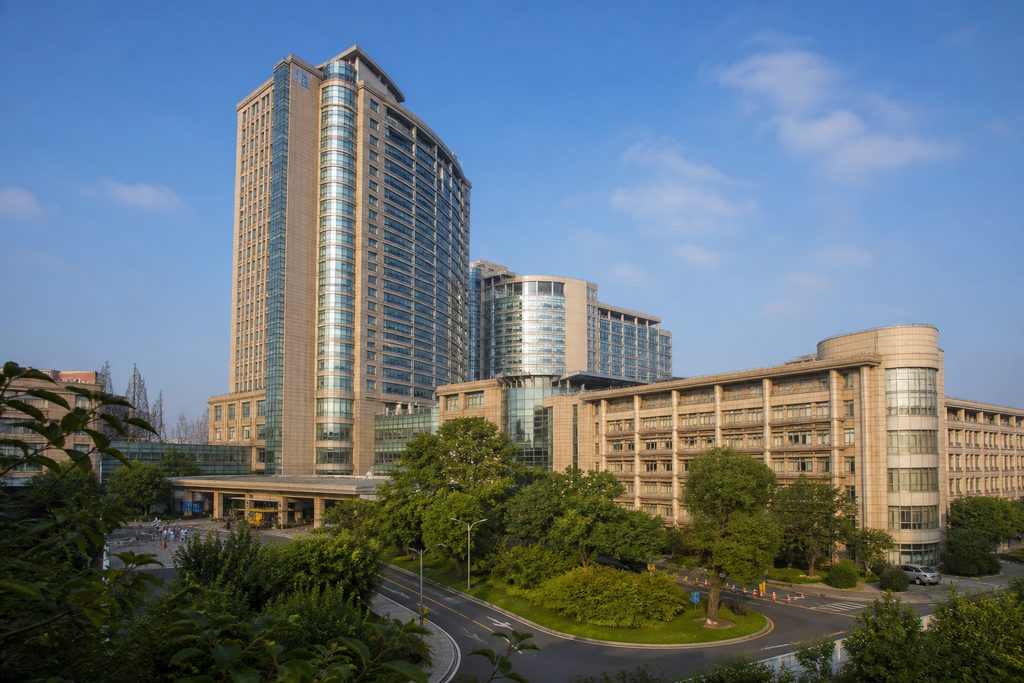
Renji Rheumatology: The Short Answer
When your hands stiffen into claws each morning, the ranking of a hospital matters less than whether someone can stop the erosion of your joints. Shanghai Renji Hospital’s rheumatology department sits at number three nationally in China’s most authoritative hospital ranking system. For a patient researching rheumatoid arthritis treatment cost Shanghai Renji Hospital, that ranking translates into something concrete: access to the protocols and physician experience that come from managing one of the highest-volume rheumatology caseloads in Asia. The outpatient clinics see thousands of RA patients monthly. The inpatient wards run near capacity year-round.
But a national ranking is not a guarantee. It is a signal. And signals need interpretation.
Renji’s rheumatology team operates within China’s public hospital system. That means certain realities are non-negotiable. You cannot book a surgery slot from overseas before a face-to-face consultation. The Mandarin-language environment in standard outpatient halls is absolute. And the department’s reputation draws domestic patients in numbers that can overwhelm anyone without local navigation. What the ranking earns you is the possibility of care at a department that has shaped national treatment guidelines for autoimmune disease. The rest depends on how you approach it.
Who This Is Right For — and Who It Isn’t
Renji rheumatology makes the most sense for a specific kind of patient. Not every RA diagnosis points toward Shanghai.
Typically a good candidate:
- You have seropositive RA with inadequate response to at least one biologic DMARD or targeted synthetic DMARD available in your home country.
- Your disease activity score (DAS28) remains above 3.2 despite six months of standard care, and you are exploring treatment protocols not yet approved or widely available where you live.
- You need a high-volume center for a complex comorbidity — RA with interstitial lung disease, for instance, where Renji’s rheumatology-pulmonology collaboration handles cases most Western centers see only occasionally.
- You are already in China or Asia for work or family, and continuity with a top-tier Chinese rheumatology team simplifies logistics.
Probably not a good fit:
- Your RA is well-controlled on a first-line conventional DMARD like methotrexate. The incremental gain from switching to a top-ranked center is small.
- You need a single consultation and expect a definitive cure. RA is a chronic disease. Renji can adjust your disease-modifying strategy — it cannot erase the diagnosis.
- You require continuous English-language communication with your specialist outside of arranged interpretation. Renji’s international department provides translation support, but the day-to-day care team operates in Mandarin.
- You are unable to stay in Shanghai for at least 7–10 days for initial workup, consultation, and treatment plan establishment. This is not a fly-in, fly-out proposition.
Being honest about who should not come is what makes the recommendation credible when we say someone should.
The Options, Compared
If you are considering traveling for RA care, Renji is one column in a table. Here is how it lines up against the alternatives you are probably weighing.
| Factor | Shanghai Renji (Public International Dept) | Top US Academic Rheumatology Center | Private International Hospital, Shanghai |
|---|---|---|---|
| Rheumatology national rank | #3 in China (Fudan Hospital Ranking, specialty reputation list) | Varies; top-10 US centers comparable in research output | Not ranked in national specialty lists |
| Annual RA patient volume | Estimated tens of thousands of outpatient visits; exact figures not published | Typically 2,000–5,000 RA-specific visits yearly at major centers | Low hundreds; designed for expatriate and insured international patients |
| Initial consultation cost (self-pay) | $150–$400 (international department specialist) | $500–$1,200 (without insurance negotiation) | $200–$500 |
| Biologic DMARD cost per dose (self-pay) | 30–60% less than US list price for originator biologics; biosimilars widely available and significantly cheaper | List prices among the highest globally; insurance negotiation determines actual cost | Comparable to US negotiated rates; direct insurance billing available |
| Language environment | International department: English-capable coordination; ward and specialist communication requires arranged interpretation | English throughout | English throughout; Western-trained physicians common |
| Wait time for new specialist appointment | Days to 2 weeks via international department coordination | Often 4–12 weeks for a top specialist | Days to 1 week |
| Access to clinical trials | High; Renji is a major trial site for novel RA therapies | High at academic centers | Minimal to none |
The table makes one thing obvious. Renji occupies a middle ground that does not exist in many countries: a public hospital with research output and specialist depth comparable to a Western academic center, but with international-department infrastructure that softens the logistical edges. The private international hospitals in Shanghai offer comfort and language ease but cannot match the case volume or research pipeline. The US academic centers offer language comfort and familiar regulatory environments but at multiples of the cost and with longer waits.
If your priority is seeing a team that has managed more RA cases than almost any department on earth, and you are willing to bridge the language and logistics gap, Renji makes sense. If your priority is seamless English communication with zero logistical friction, a private international hospital — in Shanghai or at home — fits better.
What “Ranked 3 in China” Actually Measures — and What It Doesn’t
The ranking comes from the Fudan University Hospital Ranking, specifically the rheumatology specialty reputation list. It is the most referenced hospital evaluation system in China, built on peer assessment by clinical specialists and supplemented by research output metrics. When a department appears in the top 10 of this list, it means the heads of rheumatology departments across China consistently name it as a center of excellence. Renji has held a top-3 position for years.
What the ranking captures: clinical reputation among peers, research productivity, and the department’s role in setting national treatment standards. Renji rheumatologists have led or contributed to multiple editions of China’s RA clinical practice guidelines. The department runs one of the country’s largest biorepositories for autoimmune disease research. Fellows train here and go on to lead departments elsewhere.
What the ranking does not capture: your individual experience as a foreign patient. It does not measure how long you will sit in a corridor waiting for your turn. It does not reflect whether the specialist you are assigned speaks English comfortably. It does not tell you whether the international department coordinator returns emails within 24 hours or 72. These are the variables that determine whether a top-3 ranking translates into a tolerable treatment journey. They are manageable. But they are not automatic.
This is where the distinction between “best hospital” and “right hospital for you” sharpens. Renji is almost certainly among the best rheumatology hospitals in China. Whether it is right for you depends on factors the ranking does not address.
What It Costs
The rheumatoid arthritis treatment cost Shanghai Renji Hospital question does not have a single answer. RA is not a procedure with a fixed price tag. It is a chronic disease managed through medication adjustments, monitoring, and occasional hospitalization for flares or complications. Costs break into layers.
Initial evaluation and diagnosis confirmation: $500–$1,500. This includes specialist consultation through the international department, laboratory workup (anti-CCP, rheumatoid factor, ESR, CRP, and likely repeat imaging of affected joints), and a written treatment recommendation. If you arrive with recent imaging and lab results from home, some duplication can be avoided — but expect the rheumatologist to want fresh labs drawn at Renji for baseline values.
Medication costs, ongoing: This is the largest variable. Conventional synthetic DMARDs like methotrexate are inexpensive — under $50 monthly out of pocket. Biologic DMARDs range widely. An originator TNF inhibitor might run $800–$1,500 per month self-pay, while a Chinese-manufactured biosimilar of the same molecule could be $300–$600. JAK inhibitors fall somewhere in between. The cost difference between originator and biosimilar is significant, and Renji rheumatologists routinely prescribe both. Your treatment plan — and therefore your cost — depends on disease severity, prior medication history, and the specialist’s assessment of which mechanism of action suits your case.
Hospitalization for flare or complication: $2,000–$5,000 per admission, assuming a 5–7 day stay in the international ward. This covers nursing care, IV medications, monitoring, and basic imaging. It does not cover intensive care or surgical intervention, which are rare in RA management but not impossible.
What is not included: Travel, accommodation in Shanghai, visa fees, translation and coordination services, and follow-up care after returning home. These ancillary costs often equal or exceed the medical costs for a multi-week stay. A realistic total budget for an initial treatment trip — including flights, a modest serviced apartment for two weeks, hospital costs, and coordination support — starts around $8,000–$12,000 and can reach $20,000+ if biologic therapy is initiated and paid out of pocket.
For comparison, initiating biologic therapy for RA in the United States without insurance typically costs $3,000–$6,000 per month for the drug alone, before physician fees and monitoring. The cost advantage of Shanghai is real, but it is concentrated in medication pricing and specialist fees — not in the logistics of getting there and staying there.
Practical Considerations: Records, Visa, and the Follow-Up Gap
Traveling to Renji for RA treatment is not medically complex in the way that traveling for cardiac surgery is. The challenge is administrative and logistical. Getting these details wrong will cost you more time and money than any clinical complication.
Medical records: Bring everything. Every rheumatology consult note from the past two years. Every lab result — especially serial anti-CCP, RF, ESR, and CRP values. Imaging on CD, not just the radiology report. A detailed medication history: what you took, at what dose, for how long, and why it was stopped. If you switched biologics, the reason matters as much as the name of the drug. Renji rheumatologists will want to see the treatment trajectory, not just a snapshot. Translated records are helpful but not strictly required; the international department can arrange translation of key documents. But the more you bring in English or with English summaries, the faster the evaluation moves.
Visa: Medical treatment in China falls under the S2 visa category — short-term private affairs with a medical purpose noted. Your accompanying family member applies for the same S2 category. The visa requires an invitation letter or supporting documentation from the hospital. Renji’s international department can provide this once your consultation is confirmed. Do not apply for an M visa. M is for commercial trade activities and will not cover medical treatment. Processing time varies by embassy, but budget three to four weeks from document submission to visa in hand. Expedited processing exists at some Chinese embassies for an additional fee, but do not count on it.
Payment: Renji’s international department operates on a prepayment or deposit model. You will pay a deposit at registration, and additional charges are settled as services are rendered. International credit cards are accepted at the international department payment counter. Standard outpatient halls may be cash or Chinese domestic card only. Insurance is reimbursement-based: you pay upfront and submit claims to your insurer afterward. Direct billing arrangements between Renji and foreign insurers are rare. Confirm with your insurer before travel that treatment at a Chinese public hospital’s international department is covered under your plan.
The follow-up gap: This is the hardest problem in cross-border RA care. You will return home with a treatment plan — a new DMARD, a biologic, a tapering schedule — and your local rheumatologist may or may not agree with it. Some home-country specialists welcome a second opinion from a high-volume center. Others resent it. Before you travel, have a candid conversation with your local rheumatologist: “I am considering an evaluation in Shanghai. If they recommend a change, are you open to continuing that treatment here?” If the answer is no, you need a plan B — either a different local rheumatologist or a commitment to return to Shanghai periodically for monitoring, which is expensive and disruptive. Renji can provide written treatment summaries and, for an additional fee, a written second opinion suitable for sharing with your home physician. But continuity of care across borders depends on cooperation that no hospital ranking can guarantee.
Frequently Asked Questions
Volume, research integration, and subspecialty depth. Renji rheumatology manages a patient load that forces sub-specialization: some teams focus almost exclusively on RA-associated interstitial lung disease, others on refractory seropositive RA, others on the intersection of RA and cardiovascular risk. A general rheumatologist at a smaller center sees a bit of everything. A Renji rheumatologist may see more RA-ILD patients in a month than a typical Western rheumatologist sees in a year. That concentrated experience matters most for patients with atypical or treatment-resistant disease. It matters less if your RA follows a textbook course.
The treatment framework is similar — treat-to-target, early aggressive DMARD use, regular disease activity monitoring — because the evidence base is global. The differences are in medication availability and cost structure. Chinese rheumatologists have access to the same biologic classes as Western physicians (TNF inhibitors, IL-6 receptor antagonists, JAK inhibitors, and B-cell depletion therapy) but the specific brands and biosimilar options differ. A Chinese-manufactured biosimilar that is not available in Europe or North America may be prescribed because it is effective, affordable, and has local safety data. Some novel therapies in clinical trials at Renji are not yet available anywhere else. The treatment philosophy tends toward combination therapy and earlier biologic use in patients with poor prognostic factors, a pattern also seen in some European centers. But the specifics of which drug, at what dose, and in what combination will be individualized — the same as anywhere.
RA does not have a recovery timeline in the surgical sense. You do not arrive, get treated, and go home cured. A typical initial trip for evaluation and treatment plan establishment lasts 7–14 days. During that time, you will have consultations, lab work, possibly imaging, and — if a biologic is indicated — potentially your first dose under observation. You then return home and continue the prescribed regimen. Clinical response to a new DMARD or biologic typically takes 4–12 weeks to become apparent. Follow-up can be managed remotely through periodic lab monitoring shared with Renji via the international department, with video consultations scheduled as needed. But the model is chronic disease management, not one-time intervention. Patients who do best are those who plan for an ongoing relationship, not a single trip.
You cannot book a specific treatment before a face-to-face consultation. No reputable hospital will prescribe a biologic or adjust your DMARD regimen without examining you and reviewing current labs. What you can arrange in advance is the consultation itself, along with any indicated baseline testing. A remote pre-evaluation — where you send your records, the rheumatology team reviews them, and a preliminary treatment direction is discussed via video — can reduce uncertainty before you commit to travel. This step costs $300–$500 for a written second opinion or $500–$800 for a video consultation with a Renji rheumatologist. It does not guarantee a specific treatment plan, but it gives you and the specialist a starting point, and it confirms whether travel is likely to be worthwhile. Our team can coordinate this remote evaluation and, if you decide to proceed, apply the evaluation fee toward on-the-ground coordination when you arrive.
This is the scenario you need to plan for before you leave. If the prescribed treatment is ineffective or causes side effects, Renji’s international department can arrange a follow-up video consultation to adjust the plan. But acute complications — a serious infection while on a biologic, a severe flare requiring hospitalization — must be managed locally. Your home-country rheumatologist or emergency department will handle the immediate problem. Renji can provide your treatment records and communicate with your local physician if needed, but they cannot provide emergency care from across an ocean. This is not a flaw in the model; it is the nature of cross-border chronic disease care. The mitigation is simple: maintain a relationship with a local rheumatologist who knows you are being co-managed with a Chinese center, and carry a written summary of your Renji treatment plan — in English and Chinese — for any emergency department visit.
Your Next Step
Renji Hospital’s rheumatology department earned its reputation. The question is whether that reputation translates into a practical, worthwhile treatment journey for your specific case. The answer depends on your disease severity, your treatment history, your budget, and your tolerance for the logistical friction that comes with navigating a foreign public hospital — even a world-class one.
We help international patients answer that question before they book a flight. Our team coordinates remote evaluations with Renji rheumatology, handles documentation and translation, and provides on-the-ground support in Shanghai if you decide to proceed. We are not a hospital, we do not employ physicians, and we do not offer medical advice or diagnoses. What we do is reduce the distance — linguistic, administrative, and logistical — between you and a department that may have the expertise your case requires. If you want to understand whether Renji is the right next step, start with a conversation. No commitment, no pressure. Just an honest assessment of whether this path fits your situation.
For more medical information and treatment options in China, visit chinamedservices.com (China Medical Services).
