Health Checkup and Sightseeing in China: Screening Meets Travel
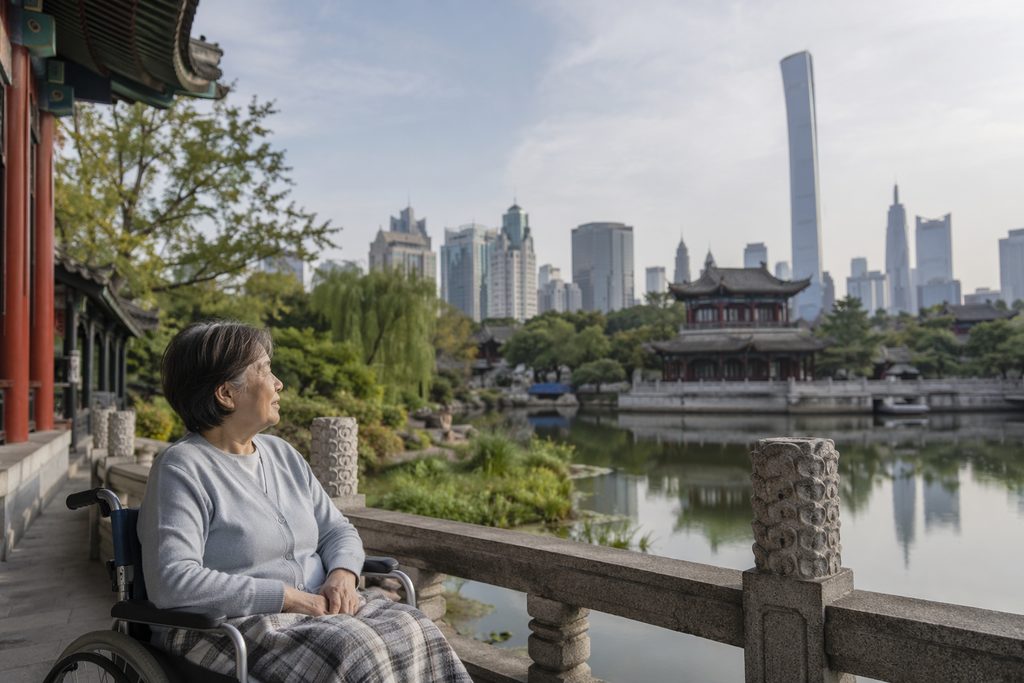
While a comprehensive executive physical at a top US hospital can run $5,000 to $10,000 and take weeks to schedule, a comparable VIP package at a leading Chinese hospital often costs between $400 and $1,500 with results delivered in 24 to 48 hours. That is not a typo. The gap is structural, not a reflection of quality. For a growing number of international travelers, the question is no longer whether to get screened in China but how to fold a half-day of diagnostics into a ten-day itinerary without turning a vacation into a medical odyssey.
Key Takeaways
- A full executive health checkup at a top-tier Chinese hospital typically costs 60% to 90% less than an equivalent US screening package.
- VIP international departments in Beijing and Shanghai can complete comprehensive imaging, bloodwork, and specialist reviews in 4 to 6 hours.
- Language barriers and hospital navigation are the biggest friction points for foreigners — not clinical quality.
- You should plan the checkup for the first 48 hours of your trip, so any follow-up imaging or consultation happens before you fly home.
The Problem: Executive Screenings at Home Are Expensive, Slow, and Fragmented
An executive health checkup package China price comparison starts with a hard look at what the same service costs elsewhere. In the United States, a comprehensive executive physical at a facility like the Mayo Clinic or Cleveland Clinic ranges from $3,000 to over $10,000 depending on imaging depth and specialist consults. Many insurers classify these as elective, leaving patients to pay out of pocket. Scheduling can take six to twelve weeks.
Then there is the fragmentation problem. A patient might get bloodwork at one lab, imaging at a second location, and a cardiology consult at a third. Results trickle in over two weeks. Nobody synthesizes the full picture in one sitting. For busy executives, the friction is not just financial — it is temporal. The screening becomes another project to manage.
Now compare that to a Chinese top-tier public hospital’s international department. The workflow is designed around throughput. You arrive at 7:30 AM. By noon, you have completed a low-dose chest CT, abdominal ultrasound, comprehensive metabolic panel, cardiac stress test, and a consultation with a senior physician who reviews everything on the spot. A written report — in English — lands in your inbox within 48 hours. The cost? Often under $800.
Why a Health Checkup and Sightseeing in China Works Structurally
The economics are not magic. They are volume. Chinese top-tier hospitals process thousands of outpatients daily. A single radiology department at a hospital like Peking Union Medical College Hospital or Zhongshan Hospital in Shanghai may run 800 to 1,200 CT scans per day. That scale drives down per-unit costs without cutting corners on equipment — most use Siemens, GE, or Canon scanners that are the same models found in Western hospitals.
Volume Creates Speed Without Sacrificing Thoroughness
Consider the workflow at Fuwai Hospital in Beijing, which performs over 14,000 cardiac surgeries annually — more than any other hospital globally. Their preventive cardiology screening packages are built on the same infrastructure. A cardiac calcium score CT that might take three days to schedule in London can be completed in twenty minutes in Beijing. The radiologist reads it immediately. The cardiologist reviews it with you in the same visit.
This is not a downgrade in rigor. It is a different operational philosophy. Western hospitals treat executive screening as a premium, low-volume service. Chinese international departments treat it as a high-volume, standardized protocol. The standardization itself is a quality control mechanism — when a hospital runs 200 executive screenings a week, the pathway is refined to the point where errors are rare.
Cost Advantage Without Clinical Compromise
The executive health checkup package China price differential exists because labor costs for nurses, technicians, and administrative staff are lower in China, and because hospital real estate and equipment utilization rates are higher. A CT scanner in a Chinese top-tier hospital runs 12 to 14 hours a day. The same machine in a US community hospital might run 8 hours. Fixed costs get spread across more patients.
But the equipment is identical. The physicians are trained in the same international literature. Many senior specialists at Chinese international departments completed fellowships in the US, UK, or Germany. The quality gap that existed twenty years ago has narrowed dramatically for preventive screening.
How to Combine Medical Checkup with Vacation in Shanghai or Beijing
The logistics are simpler than most travelers assume, but sequence matters. Do the screening first. Land, rest one day, complete the checkup on day two or three. That leaves you a full week for sightseeing with the medical task already behind you.
Here is a realistic ten-day itinerary that pairs a full body scan and Great Wall tour without either compromising the other:
| Day | Activity | Notes |
|---|---|---|
| 1 | Arrive Beijing, check into hotel near hospital | Stay within 20 minutes of the hospital for the screening days |
| 2 | VIP executive checkup, 7:30 AM – 1:00 PM | Fasting required; results review included same day |
| 3 | Morning follow-up consult if needed; afternoon Forbidden City | Buffer day for any additional imaging |
| 4 | Great Wall at Mutianyu, full day | Cable car up; light hiking — no post-screening restrictions |
| 5 | Summer Palace, Temple of Heaven | Low-intensity walking; screening results already in hand |
| 6 | High-speed train to Shanghai (4.5 hours) | Optional: complete screening in Shanghai instead and reverse the itinerary |
| 7 | The Bund, Yu Garden, French Concession | Leisure day |
| 8 | Day trip to Hangzhou or Suzhou | Classical gardens, tea plantations |
| 9 | Optional second consult or TCM wellness session | Acupuncture or tuina massage for travel fatigue |
| 10 | Depart from Shanghai Pudong | Written report and imaging files already emailed to you |
Shanghai works equally well as the screening city. Zhongshan Hospital and Ruijin Hospital both operate international departments with English-speaking coordinators. The city’s walkability makes post-screening sightseeing effortless — you can go from a morning CT scan to a riverside lunch on the Bund in under thirty minutes.
Is Health Screening in China Reliable for Foreigners? A Straight Answer
Short answer: yes, at the right hospitals. The caveat is that “China” is not a monolith. A random clinic in a third-tier city is not the same as the international department of a Fudan-ranked top 100 hospital. The reliability question is really a hospital selection question.
What makes a screening reliable? Three things: equipment, radiologist skill, and reporting standards. Top-tier Chinese hospitals use the same imaging hardware as Western academic centers — Siemens Somatom CT scanners, GE 3T MRI machines, Philips ultrasound systems. The radiologists reading your scans see thousands of cases annually. The international departments produce reports in English, often with structured summaries that meet the documentation standards of Western insurers and primary care physicians.
But you must book through the international department. The standard public outpatient pathway is designed for Chinese-speaking patients, involves long queues, and will not provide English reports. The VIP international channel is the bridge. It costs more than the local pathway — though still far less than Western prices — and it is where you get English-speaking staff, expedited scheduling, and same-day specialist review.
One honest limitation: preventive screening in China focuses on detection of structural and biochemical abnormalities. It is excellent for cardiovascular risk assessment, cancer screening, metabolic panels, and organ imaging. It is not a substitute for a longitudinal relationship with a primary care physician who knows your family history and baseline trends. Think of the Chinese screening as a high-resolution snapshot, not a replacement for ongoing care.
Book VIP Health Checkup Package Beijing International Hospital: What to Expect
When you book a VIP health checkup package at a Beijing international hospital — whether through a hospital’s own international department or a coordinating service — the experience differs from a Western executive physical in several practical ways.
First, the pace. Expect to move through stations quickly. Blood draw, ECG, ultrasound, CT, specialist consult — each step takes ten to thirty minutes. You will not sit in a waiting room for an hour between tests. The coordinator keeps things moving.
Second, the report. You will typically receive a preliminary verbal summary on the same day from the supervising physician, followed by a written English report within 24 to 48 hours. Imaging files are provided on a USB drive or via a download link. Some hospitals offer a follow-up video consultation two weeks later to discuss any findings.
Third, the payment. International departments accept credit cards and international wire transfers. Some work with international insurers directly; others require upfront payment with a receipt for reimbursement. Confirm this before you travel. A typical VIP package in Beijing ranges from $500 to $1,500 depending on depth — cardiac CT, colonoscopy, and MRI add-ons push the price higher.
Practical Considerations: Visas, Timing, and Language
The visa question trips up many first-time travelers. For medical screening combined with tourism, the correct visa category is the S2 visa, which covers short-term private affairs including medical treatment. It is not the M visa — that is for commercial and trade activities. Bring your hospital appointment confirmation and a letter from the medical institution. The Chinese embassy or consulate in your home country will process the S2 application, typically within a week. Requirements vary, so check the latest guidance from the specific embassy handling your case.
Timing matters for the screening itself. Fasting is required for bloodwork and abdominal ultrasound. Schedule the checkup for early morning and do not eat after 10 PM the night before. If you are on medication, confirm with the hospital coordinator whether to take it as usual. Bring all prior imaging and lab reports — the reviewing physician will want baseline comparisons.
Language is the single biggest operational barrier. Outside the international department, almost nothing is in English. Signage, forms, pharmacy labels — all Chinese. This is where a bilingual medical companion earns their fee. They handle registration, queueing, translation, and navigation. The cost starts at $300 per day. For a half-day screening plus a follow-up consult, that is a small line item relative to the total trip cost.
Insurance tip: Many international insurers will reimburse preventive screening performed abroad if the facility provides itemized English-language invoices and the screening is coded as a preventive service. Request the itemized invoice before you leave the hospital — retroactive requests are slower.
Frequently Asked Questions
The executive health checkup package China price typically ranges from $400 to $1,500 at top-tier public hospital international departments. Private international hospitals like United Family or Jiahui charge $1,000 to $3,000 for comparable packages. The price varies by imaging depth, specialist consults, and whether you add cardiac CT, colonoscopy, or MRI.
In most cases, yes. Top-tier Chinese international departments produce structured English reports with standardized reference ranges. Imaging files are provided in DICOM format, which any Western radiologist can open. Some Western physicians may request a repeat of specific tests if they are unfamiliar with a particular lab’s methodology, but this is uncommon for standard panels from major hospitals.
This is the scenario you want to be prepared for. If a finding requires follow-up, the hospital’s international department can arrange a specialist consultation — often the same day or the next. If the finding is serious and you choose to pursue treatment in China, the screening results become part of your medical record at that hospital. If you prefer to return home for treatment, you leave with complete imaging and reports that any Western specialist can review. The worst outcome is not a finding — it is an ambiguous finding with no clear next step. The international departments are structured to avoid that.
Yes. The screening itself takes 4 to 6 hours on a single morning. That leaves the rest of a ten-day itinerary open. The key is sequencing: screening first, then travel. You are not restricted from physical activity after a standard executive screening — no sedation, no recovery time. The only constraint is fasting before the bloodwork, which is a morning inconvenience, not a trip-altering one.
No, but you need someone in the room who does. The international departments have English-speaking coordinators, but the moment you step outside that bubble — pharmacy, radiology corridor, billing office — English disappears. A bilingual companion removes this friction entirely. It is not a luxury; it is the difference between a smooth half-day and a frustrating full day.
Your Next Step
The case for combining a health checkup and sightseeing in China rests on three pillars: cost, speed, and clinical credibility at the top end of the hospital system. You can get a comprehensive executive screening for a fraction of Western prices, complete it in a single morning, and spend the rest of your trip on the Great Wall or the Bund. China Medical Services helps international patients match with the right hospital international department, coordinate appointments, and arrange bilingual support on the ground. We are not a hospital and we do not provide diagnoses — we connect you with the institutions that do. If you are considering a screening trip, start with a conversation about your needs and we will help you map the logistics.
For more medical information and treatment options in China, visit chinamedservices.com (China Medical Services).
