Heart Valve Surgery in China: Our Companion for Cardiac Care
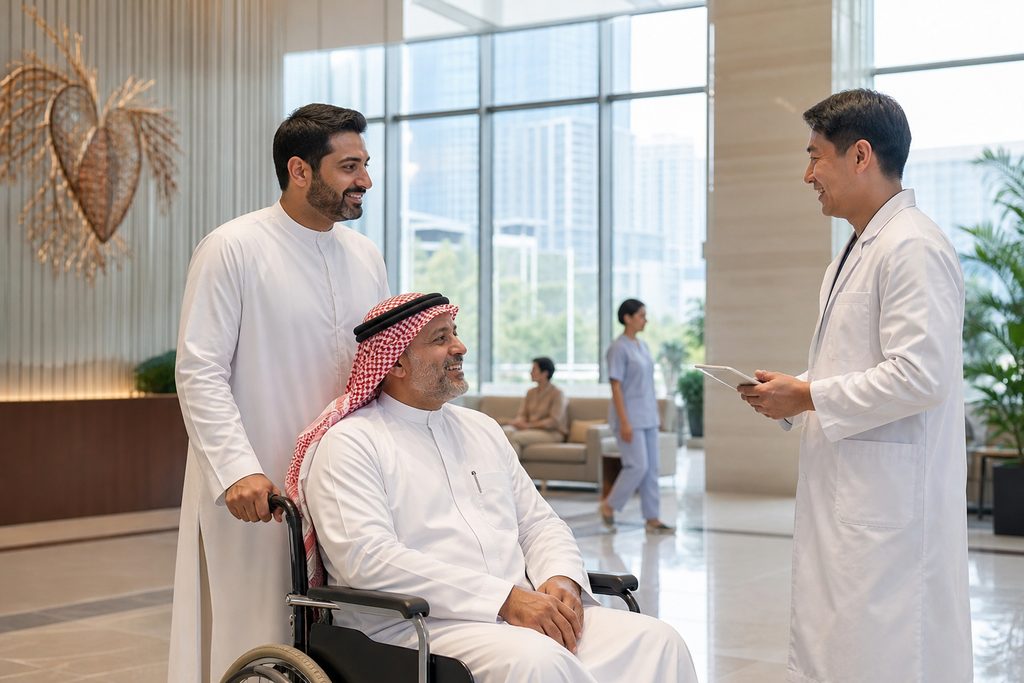
You’ve probably heard that traveling abroad for heart surgery means compromising on quality. The reality is the opposite for many patients. Fuwai Hospital in Beijing performs over 14,000 cardiac surgeries annually — more than any other center on earth. That volume translates into surgical teams that have seen nearly every valve pathology imaginable. And the heart valve replacement cost China runs between $18,000 and $35,000 at top public hospitals, compared to $150,000 to $250,000 in the United States. The math is not subtle.
But here is the part most articles skip. Getting that surgery requires navigating a system built for domestic patients. Public hospital outpatient clinics do not let you book from overseas. You cannot email a surgeon’s office and secure a slot. That is where the real question lives: not whether China has excellent cardiac surgery, but how you actually access it without a local contact, language fluency, or weeks to spend figuring out logistics on the ground.
Heart Valve Surgery in China: The Short Answer
Yes, you can get world-class heart valve surgery in China. The top cardiac centers in Beijing and Shanghai routinely treat international patients, with outcomes comparable to major Western centers. A mechanical or bioprosthetic valve replacement at a Fudan-ranked hospital costs $18,000 to $35,000 depending on valve type, hospital tier, and case complexity. That is roughly one-fifth to one-tenth of the US price.
The caveat: you cannot simply book a surgery slot from abroad through the standard public channel. Chinese public hospitals require an in-person outpatient consultation before scheduling any procedure. International patients who want to lock in a surgical date before traveling use the hospital’s international department or VIP channel. Those channels cost 1.5 to 2 times the standard rate but include English-speaking coordination and expedited scheduling.
Who This Is Right For — and Who It Isn’t
Heart valve surgery abroad is a serious decision. It suits some patients remarkably well. Others should stay home. Here is the honest breakdown.
Typically a good candidate:
- You need elective valve repair or replacement (aortic stenosis, mitral regurgitation, tricuspid disease) and your condition is stable enough for international travel.
- You are uninsured, underinsured, or facing a high deductible in your home country.
- You have a confirmed diagnosis and recent echocardiogram, cardiac catheterization, or CT imaging that a Chinese surgical team can review remotely first.
- You can commit 3 to 4 weeks in China for surgery and early recovery.
- You want access to high-volume surgeons — Fuwai alone does more valve procedures annually than most European countries.
Who should not pursue this:
- Patients in active heart failure or hemodynamically unstable. Long-haul flights are dangerous. Your cardiologist must clear you for travel.
- Anyone needing emergency or urgent surgery within days. International coordination takes time.
- Patients with complex multi-organ disease requiring coordinated care from multiple specialists who already know your history.
- Those expecting a Western hotel-style hospital experience in a public facility. Private international hospitals exist, but top cardiac surgery volume lives in large public centers.
If you fall in the first group, the next question is where to go.
The Options, Compared
You have three realistic paths for heart valve surgery in China. Each serves a different priority. The table below lays them out side by side.
| Factor | Public Top-Tier (Fuwai, Zhongshan) | Hospital International/VIP Department | Private International Hospital |
|---|---|---|---|
| Valve replacement cost | $18,000–$25,000 | $28,000–$35,000 | $40,000–$60,000+ |
| Annual cardiac surgery volume | 10,000–14,000+ cases | Same surgical teams | Lower, varies by facility |
| Pre-book from overseas | No — must attend outpatient first | Yes, via international coordinator | Often yes |
| English-speaking staff | Limited on wards | Yes, dedicated team | Yes, standard |
| Insurance direct billing | Rarely — pay first, claim later | Sometimes | Common with international insurers |
| Wait time for surgery | 2–6 weeks after consultation | 1–3 weeks after remote review | 1–2 weeks |
The public top-tier route suits budget-conscious patients who can spend a few weeks in China and have a local coordinator handle registration and translation. The VIP department route is the sweet spot for most international patients — same surgeons, higher price, but pre-arrival scheduling and English support. Private international hospitals like United Family or Jiahui offer the most familiar experience but may not match the raw surgical volume of a Fuwai or Zhongshan. Which column fits you depends on whether you prioritize cost, convenience, or case volume.
What Actually Happens Between “I’m Interested” and the Operating Room
Most people imagine they can email a hospital, get a quote, and show up. That is not how it works. Here is the sequence we see with nearly every international cardiac patient.
Step one is remote evaluation. You send your existing records — echocardiogram, cardiac catheterization, CT, blood work — to the hospital’s international department or a coordination service. A cardiac surgeon reviews them and gives a written opinion: is surgery indicated, what valve type they recommend, what the estimated cost looks like. This written second opinion typically costs $300 to $500. A video consultation with the surgeon runs $500 to $800.
Step two is the travel decision. If the surgeon confirms you are a candidate, you apply for an S2 visa with an invitation letter from the hospital. The S2 is the correct short-stay category for medical treatment and private affairs. Family members accompanying you also apply for S2 visas. Processing takes 1 to 4 weeks depending on your home country’s Chinese embassy or consulate.
Step three is arrival and pre-operative workup. You land, go straight to the hospital, and complete fresh imaging and labs — usually 2 to 3 days. The surgical team confirms the plan. Then you are admitted, and surgery happens within days.
This is why the coordination layer matters. Each step has paperwork, timing, and language friction. A bilingual companion who knows the hospital’s internal flow can compress what would take a solo traveler weeks into days.
What It Costs
Let’s talk numbers, because that is usually the first question. The heart valve replacement cost China breaks down like this at a top public hospital’s international department:
- Valve prosthesis (mechanical or bioprosthetic): $4,000–$12,000 depending on type and brand
- Surgery, anesthesia, operating room: $8,000–$15,000
- ICU stay (3–7 days typical): $1,500–$4,000
- Ward stay (7–14 days): $2,000–$5,000
- Pre-operative imaging and labs: $1,500–$3,000
- Total: $18,000–$35,000
What drives the variance? Mechanical valves cost less than premium bioprosthetic ones. Aortic valve replacement is generally simpler than mitral valve repair, which requires more surgical finesse. Longer ICU stays add up fast. And hospital tier matters — Fuwai’s international department charges differently than a provincial cardiac center.
What is not included: international flights, visa fees, accommodation for family, post-discharge rehabilitation, and any complications requiring extended care. Your travel insurance or a dedicated medical travel policy should cover the non-surgical portion.
Compare that to the US, where the same procedure bills at $150,000 to $250,000 before insurance. Even a high-deductible American patient can save $100,000 or more. That is not marketing fluff — it is the arithmetic that drives the medical travel industry.
How Safe Is Heart Valve Surgery in China?
The honest answer: at top centers, safety is comparable to major Western hospitals. The data supports this. Fuwai Hospital’s 30-day mortality for isolated valve surgery is under 2%, in line with STS (Society of Thoracic Surgeons) benchmarks in the US. Zhongshan Hospital in Shanghai — the best cardiac surgery hospital Shanghai has to offer — reports similar outcomes across tens of thousands of cases.
What creates that safety? Volume. Surgical teams that do 500 valve replacements a year see complications that a low-volume center sees once a decade. They have protocols for everything. Anesthesia teams are specialized in cardiac cases. ICU nursing ratios are tight. Infection control in top Chinese cardiac centers follows international standards, and several hold JCI accreditation.
Are there JCI accredited heart hospitals China? Yes — a number of private international hospitals and a few public hospital international departments hold JCI accreditation. But note: JCI is not the only quality signal. The Fudan University hospital rankings carry more weight among Chinese clinicians. A hospital can be excellent without JCI, and JCI does not guarantee cardiac surgery volume. Look at surgical case numbers first, accreditation second.
What about risks specific to traveling? Deep vein thrombosis on long flights before surgery is real. Your cardiologist should assess this. Language barriers during recovery can cause anxiety. A companion who translates medical instructions accurately reduces that significantly. And post-operative follow-up once you return home requires coordination with your local cardiologist — do not skip that handoff.
Recovery Timeline: What to Expect
What is recovery time after heart valve replacement? Plan for a phased return, not a cliff.
Days 1–3: ICU. You wake up on a ventilator, which is removed within hours. Pain is managed with medication. You start sitting up and taking a few steps with assistance.
Days 4–10: Step-down ward. Chest tubes come out. You walk the corridor multiple times daily. Anticoagulation therapy starts — warfarin for mechanical valves, often aspirin-only for bioprosthetic. Discharge planning begins.
Days 10–14: Hospital discharge. You move to a nearby hotel or serviced apartment. Daily walking, breathing exercises, wound care. A follow-up echo before you fly home.
Weeks 3–6: Flying home. Most surgeons clear international patients for flights 10 to 14 days after discharge, assuming no complications. You will be tired. Naps are normal. No driving for 4 to 6 weeks.
Months 2–3: Gradual return to normal activity. Cardiac rehab can start. Full sternal healing takes 8 to 12 weeks. No heavy lifting until your surgeon clears you.
Mechanical valve patients need lifelong anticoagulation monitoring. Bioprosthetic valve patients may need a replacement in 10 to 20 years. Your local cardiologist manages this long-term.
Practical Considerations: Records, Visa, Payment, and Language
Here is what actually trips people up. Not the surgery — the logistics around it.
Records. You need recent, high-quality imaging. A 6-month-old echo is fine. A 2-year-old one is not. Chinese surgeons will repeat key tests on arrival anyway, but remote review requires current data. Translate your records into Chinese or English. If they are in another language, factor in translation time.
Visa. S2 visa, not M. M is for commercial trade. Medical treatment falls under S2 with supporting documents from the hospital — an invitation letter, treatment plan, and proof of funds. Your accompanying family members need their own S2 applications. Processing time varies by country. Apply early.
Payment. Public hospitals require pre-payment — a deposit before admission, settled on discharge. International bank transfers work but take days. Credit cards are accepted at some international departments. Private international hospitals often bill insurers directly. If you plan to claim from your insurer afterward, get itemized invoices and translated discharge summaries before leaving.
Language. Top cardiac surgeons in China often speak some English. Ward nurses usually do not. Medication instructions, dietary guidance, discharge paperwork — all in Chinese. This is precisely where a bilingual medical companion earns their fee. They translate accurately, not approximately.
Follow-up. Before you leave China, get a written discharge summary in English, your echo images on a USB drive, and a medication list with generic names. Schedule an appointment with your local cardiologist for 2 weeks after return. Anticoagulation management starts immediately — do not let it lapse.
Frequently Asked Questions
Yes. International patients receive treatment in Chinese hospitals every day. You need a valid S2 visa with medical treatment noted, a passport, and the hospital’s invitation documents. There are no restrictions on foreigners receiving cardiac surgery. The hospital will require proof of ability to pay before admission.
Most US and European insurers do not have direct billing arrangements with Chinese public hospitals. You pay upfront and submit a claim afterward. Some international insurers work directly with private hospitals like United Family. Check your policy’s out-of-network and international coverage clauses before committing. A few medical travel insurance policies specifically cover surgery abroad.
Top Chinese cardiac centers have full ICU capability and handle complications internally. The question is what happens after discharge if a problem arises once you are home. Your local cardiologist takes over. That handoff is critical — get complete records and images before leaving. If a complication arises while still in China, the hospital manages it, but extended stays add cost. Medical travel insurance that covers complication-related expenses is worth considering.
Both have world-class options. Beijing offers Fuwai Hospital — the highest cardiac surgery volume globally. Shanghai offers Zhongshan Hospital — consistently ranked among China’s top cardiac centers. The best cardiac surgery hospital Shanghai has, Zhongshan, is particularly strong in valve repair. Choose based on surgeon fit and logistics, not city preference. Our cardiac surgery department rankings break down the top centers by specialty.
Not through the standard public channel. Public hospitals require face-to-face outpatient consultation before scheduling. The international department or VIP channel can do remote review and pre-schedule your admission, but you will still meet the surgeon in person before the operation. That is a safety feature, not a bureaucratic hurdle.
Your Next Step
Heart valve surgery in China is not a leap of faith. It is a calculated decision backed by volume data, transparent pricing, and a defined pathway from remote review to operating room. The challenge is execution — records, visa, hospital selection, language, and follow-up coordination.
That is what we do. China Medical Services is not a hospital and we do not diagnose or treat. We are a coordination team that connects international patients with China’s top cardiac centers — handling remote evaluation, visa guidance, hospital matching, and on-the-ground bilingual support. If you are weighing your options, start with a conversation. Explore our patient companion services and see if this path fits your situation. No pressure, no obligation — just clarity on what is possible.
You have the data. You know the costs, the risks, and the recovery timeline. The next move is deciding whether the savings and surgical expertise justify the journey. For many patients, they do.
For more medical information and treatment options in China, visit chinamedservices.com (China Medical Services).
