Gastroscopy in China: Cost, Safety, and How to Book Your Screening
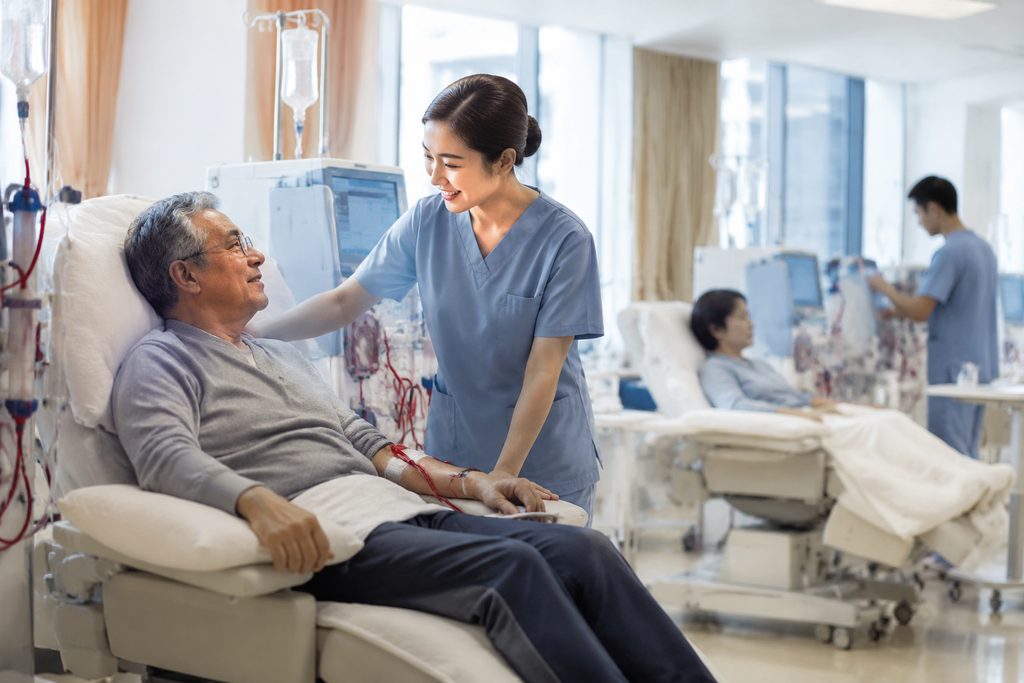
While patients in the United States routinely pay $2,500 to $4,000 out-of-pocket for a diagnostic upper endoscopy, the same procedure at a top-tier Chinese hospital typically runs between $150 and $400. That is not a typo. And it raises an obvious question: if the gastroscopy cost in China is that much lower, does the quality hold up?
The short answer is yes — when you know where to go and how to navigate the system. Chinese gastroenterology departments at Fudan-ranked hospitals perform these procedures at volumes that dwarf Western centers. A single high-volume endoscopy unit in Shanghai might complete 80 to 120 gastroscopies per day. That repetition breeds competence.
But there is a catch. The public hospital system in China was not designed for foreign patients who do not speak Mandarin. Walk into a busy outpatient hall without preparation, and you will face queues, paperwork, and a language barrier that can turn a simple screening into a stressful ordeal. This guide explains what the procedure actually costs, where to find the best gastroenterology care, how to prepare, and what a realistic booking process looks like.
Key Takeaways
- A diagnostic gastroscopy in China costs roughly $150–$400 at public hospitals, versus $2,500–$4,000 in the United States — a 85–95% price difference.
- Top Chinese endoscopy units perform 3–5 times more procedures per day than typical Western centers, which supports procedural skill and efficiency.
- Language barriers and registration complexity are real. Most public hospitals require in-person payment and same-day queueing unless you use an international department or coordination service.
- You cannot reliably book a public hospital gastroscopy months in advance from overseas without local support. International departments and private hospitals offer advance booking but at higher prices.
The Problem: Digestive Screening Is Overpriced and Under-Accessible in the West
Gastric cancer kills approximately 11,000 Americans every year. In the UK, around 7,000 people die from stomach cancer annually. The tragedy is that early detection through gastroscopy dramatically improves survival — five-year survival for early-stage gastric cancer exceeds 90% in countries with established screening programs. The challenge is getting scoped in the first place.
In Canada, patients without alarming symptoms can wait 6 to 12 months for a non-urgent endoscopy referral. In the UK’s NHS, the target is 6 weeks for urgent suspected cancer referrals, but non-urgent diagnostic gastroscopies routinely stretch beyond 18 weeks. Meanwhile, in the United States, the barrier is not wait time — it is cost. A high-deductible health plan can leave a patient paying $2,000 or more for a fifteen-minute procedure that should be routine.
That is the gap. One system makes you wait. Another charges you a small fortune. And both leave patients with persistent symptoms — reflux, dysphagia, unexplained weight loss, epigastric pain — stuck in limbo. The question is whether there is a third option that avoids both problems.
Why China Delivers Results for Diagnostic Endoscopy
Clinical Volume That Builds Real Expertise
Volume matters in endoscopy. Studies consistently show that higher procedure volumes correlate with lower complication rates and higher adenoma detection rates. Chinese gastroenterologists at major centers operate at volumes that are difficult to match elsewhere. A senior endoscopist at a top Shanghai hospital may perform 3,000 to 5,000 gastroscopies per year. By comparison, a busy Western gastroenterologist typically performs 1,000 to 1,500 annually.
This is not a marginal difference. It is a structural one. China’s population of 1.4 billion, combined with a national push toward early cancer screening, means that endoscopy units run at full capacity six days a week. The doctors who staff these units have seen more pathology — more early cancers, more subtle mucosal changes, more atypical presentations — than most Western gastroenterologists will encounter in a decade.
Technology Without the Premium Price Tag
Walk into the endoscopy suite at a Fudan-ranked hospital in Shanghai or Beijing, and you will find equipment that matches anything in a US academic medical center. Olympus and Fujifilm high-definition gastroscopes are standard. Narrow-band imaging (NBI) and magnification endoscopy are widely available. Many centers now offer AI-assisted polyp detection software that flags suspicious lesions in real time — technology that remains uncommon in Western community hospitals.
The difference is the economics. China’s hospital system operates at enormous scale, with lower labor costs and streamlined administrative overhead. That combination allows hospitals to invest in cutting-edge equipment while keeping procedure fees low. A gastroscopy with NBI imaging at a top Chinese hospital costs less than a basic white-light gastroscopy at a US outpatient surgery center.
Cost Advantage Without Quality Compromise
Lower cost does not mean lower quality — but this deserves careful explanation. Chinese public hospitals keep prices low for several structural reasons. Physician salaries are lower than in the West, though senior specialists are well compensated by local standards. Hospital construction and equipment costs are amortized across massive patient volumes. And the government sets price ceilings for many diagnostic procedures through centralized fee schedules.
None of these factors compromise clinical quality. The best Chinese hospitals are accredited by JCI (Joint Commission International) and ranked by the Fudan University hospital rankings, which evaluate clinical reputation, research output, and patient outcomes. When you choose a hospital from the Fudan Top 100 list, you are selecting an institution that has been independently vetted for clinical excellence.
How the Gastroscopy Process Actually Works in China
This is the section most guides skip. Here is the step-by-step reality of getting a gastroscopy at a Chinese public hospital, based on how the system actually operates.
Step 1: Registration. You need a hospital medical card (就诊卡). This requires presenting your passport at the registration window. Without the card, nothing else happens. The card links your identity to the hospital’s electronic medical record system.
Step 2: Gastroenterology consultation. Before any gastroscopy, you must see a gastroenterologist who will assess your symptoms, review your history, and issue the endoscopy order. This consultation typically costs $15–$50. The doctor will also order pre-procedure blood tests (hepatitis B, hepatitis C, HIV, syphilis) — standard in China for all invasive procedures.
Step 3: Payment. You pay for the procedure at a cashier window before it is performed. Public hospitals generally do not bill insurance directly. You pay out of pocket and seek reimbursement from your insurer afterward. Payment methods include cash, Chinese debit cards, and increasingly international credit cards — though this varies by hospital.
Step 4: The procedure. Gastroscopy in China is typically performed without sedation unless you specifically request and pay for it. Unsedated (transnasal or transoral) gastroscopy is the default at many public hospitals because it is faster and cheaper. Sedated gastroscopy is available but requires an anesthesiologist, which adds $50–$150 to the cost and may require additional pre-anesthesia assessment.
Step 5: Results. You receive a written report immediately after the procedure, usually within 30 minutes. If biopsies were taken, pathology results typically arrive in 3–7 working days. Most hospitals provide reports in Chinese only — this is where having a bilingual companion makes a material difference.
Gastroscopy Cost in China: Real Numbers by Hospital Type
Prices vary significantly depending on where you go. Here is a breakdown based on current fee schedules at major institutions.
| Hospital Type | Gastroscopy Cost (USD) | With Sedation (USD) | Advance Booking | English Support |
|---|---|---|---|---|
| Public hospital, standard outpatient | $150–$250 | $200–$350 | No — same-day queue | Limited |
| Public hospital, international department | $300–$500 | $400–$650 | Yes — typically 3–7 days | Yes |
| Private international hospital (JCI) | $500–$900 | $650–$1,100 | Yes — typically 1–3 days | Yes |
For context, the same procedure at a US hospital outpatient department averages $2,750 before insurance, according to Healthcare Bluebook data. In the UK, private gastroscopy costs £1,500–£2,500 ($1,900–$3,200). Even at a Chinese private international hospital, you are paying a fraction of Western private rates.
If you are looking for the best gastroenterology hospital in Shanghai, Zhongshan Hospital affiliated with Fudan University and Renji Hospital are consistently ranked among China’s top gastroenterology departments. Both operate large international patient departments. In Beijing, Peking Union Medical College Hospital (PUMCH) and Beijing Friendship Hospital are the reference centers. You can explore specialty rankings on our department pages.
Is Gastroscopy Safe in China? What the Data Shows
The honest answer: yes, at accredited hospitals, gastroscopy in China is as safe as anywhere in the developed world. But safety depends heavily on where you go.
Complication rates for diagnostic gastroscopy are low everywhere — roughly 1 in 1,000 to 1 in 10,000 procedures, with perforation being the most serious risk. Chinese JCI-accredited hospitals and Fudan-ranked institutions report complication rates consistent with international benchmarks. These hospitals follow standardized disinfection protocols, use single-use biopsy forceps, and maintain endoscope reprocessing standards that meet or exceed WHO guidelines.
What you should be cautious about: small, unaccredited private clinics that cater to medical tourists with aggressive marketing. China’s regulatory environment for private healthcare has improved substantially, but quality varies. Stick to hospitals that appear on the Fudan Top 100 list or hold JCI accreditation. If a clinic’s website makes extravagant promises about “guaranteed same-day results” or “celebrity doctors,” treat it as a red flag.
Important: Always confirm that the hospital performing your gastroscopy uses single-use biopsy forceps and follows standardized endoscope reprocessing. Reputable Chinese hospitals do this as a matter of routine, but it is a reasonable question to ask before proceeding.
How to Prepare for Gastroscopy Abroad: A Practical Checklist
Preparation for a gastroscopy in China follows the same medical protocol as anywhere else, with a few additional logistics. Here is what you need to know.
Medical preparation: Fasting is mandatory. No food for at least 8 hours and no clear liquids for 2–4 hours before the procedure. If you take blood pressure medication, take it with a small sip of water at your usual time. If you take blood thinners (warfarin, clopidogrel, apixaban), you must discuss this with the gastroenterologist before the procedure — you may need to stop them temporarily, but never do so without medical guidance.
Documentation: Bring your passport, any previous endoscopy reports, pathology results, and a list of current medications. If you have had prior gastric surgery or known esophageal conditions, bring those records too. Having documents translated into Chinese is helpful but not essential if you have a bilingual companion.
Visa: For medical treatment in China, you apply for an S2 visa, which is the short-stay category used for medical treatment and private affairs. The hospital can provide an invitation letter and treatment confirmation once you have a scheduled appointment. Do not apply for an M visa — that is for commercial and trade activities, not medical care. Processing typically takes 4–10 business days depending on your home country’s Chinese embassy or consulate.
Timing: If you are traveling specifically for a gastroscopy, plan for a minimum of 3–4 days in China. Day 1: consultation and pre-procedure blood tests. Day 2: gastroscopy. Day 3: receive results and discuss findings. If biopsies are taken, you may need to wait 3–7 days for pathology — or arrange to have results sent to you electronically after you return home.
How to Book a Gastroscopy Package in China
This is where many international patients hit a wall. The Chinese public hospital system does not operate like a Western hospital where you call a central booking line and schedule a procedure weeks in advance. Here is the reality.
For standard public hospital outpatient care, you cannot book a gastroscopy from overseas. You must be physically present to register, see a doctor, and schedule the procedure. Some hospitals allow you to schedule the gastroscopy for the same day or next day after the consultation; others may have a wait of several days.
The workaround is the international department (国际医疗部) at major public hospitals. These departments are designed for foreign patients and offer advance booking, English-speaking staff, and streamlined scheduling. The catch: prices are 1.5 to 2 times higher than standard outpatient fees. A gastroscopy that costs $200 in the standard department might cost $350–$500 in the international department. You are paying for convenience, not better medicine.
Private international hospitals like United Family Healthcare, Jiahui Health, and Raffles Medical offer the smoothest booking experience. You can schedule a gastroscopy package in advance, communicate in English throughout, and often receive same-day results with English-language reports. Expect to pay $500–$900 for the procedure — still far below Western private rates.
If you are trying to book a gastroscopy package in China from abroad, your realistic options are: contact a private international hospital directly, or work with a coordination service that can handle registration, scheduling, and interpretation at a public hospital’s international department. Both routes work. The trade-off is cost versus convenience.
Frequently Asked Questions
No. Chinese hospitals do not require a referral from a primary care physician. You can register directly with a gastroenterology department and request a consultation. The gastroenterologist will assess whether a gastroscopy is clinically appropriate based on your symptoms and history.
It depends on your policy. Many international health insurance plans — including those from Cigna, Allianz, Bupa, and Aetna International — cover medically necessary procedures performed abroad, subject to your deductible and out-of-network terms. Chinese public hospitals typically require upfront payment and provide itemized receipts and medical reports that you submit for reimbursement. Check with your insurer before traveling and request pre-authorization if your policy requires it.
If the endoscopist identifies a suspicious lesion, they will take biopsies during the same procedure. Pathology results typically arrive in 3–7 working days. If the finding requires further intervention — such as endoscopic resection or surgery — the hospital can usually schedule follow-up treatment quickly. You will receive the pathology report and can take it to a physician in your home country for a second opinion if you prefer. The biopsy slides can be released to you for international transfer.
Yes. Sedated gastroscopy (using propofol administered by an anesthesiologist) is available at all major hospitals and international departments. It costs an additional $50–$150. If you choose sedation, you will need to fast for the same period, and you cannot drive or make important decisions for 24 hours afterward. Some hospitals require a pre-anesthesia assessment, which may mean an extra visit the day before.
At public hospitals, the standard report is issued in Chinese. International departments and private international hospitals typically provide English-language reports or bilingual reports. If you have a gastroscopy at a standard public hospital outpatient department, you may need to arrange translation of the report for your home physician. This is one of the practical reasons international patients often choose the international department route despite the higher cost.
Your Next Step
The decision to travel abroad for a diagnostic procedure is not one to make lightly. But the numbers are what they are: a gastroscopy in China costs a fraction of Western prices, at hospitals with clinical volume that few Western centers can match. The trade-off is logistical complexity — registration, language, and navigating a system that was not built for foreign patients.
We help international patients plan and coordinate medical care in China. That includes matching you with an appropriate hospital, scheduling consultations, arranging bilingual companions for the day of your procedure, and guiding you through the S2 visa process. We are not a hospital, and we do not provide medical diagnoses or treatment recommendations. Our role is to make the system navigable so you can make an informed decision. If you are considering a gastroscopy in China and want to understand your options, you can learn more about our patient coordination services.
Start with a conversation. Understand what is possible, what it costs, and whether it makes sense for your situation. The information is free. The clarity is worth the time.
For more medical information and treatment options in China, visit chinamedservices.com (China Medical Services).
