Is Bariatric Revision Safe in China? Costs, Hospitals, and Real Data
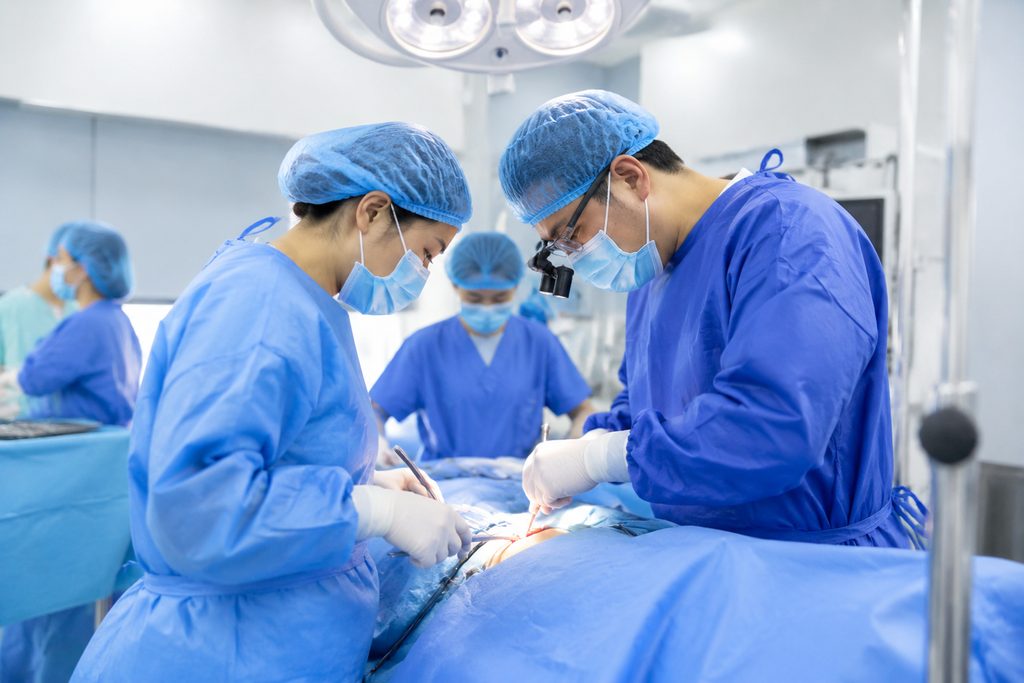
When 48-year-old Daniel from Manchester regained 31 kg four years after his gastric sleeve, his UK bariatric team told him the waiting list for a revision consultation would be 14 months. He started searching for alternatives. The phrase he typed most often: “is bariatric revision safe in China?” He wasn’t alone. Hundreds of patients from the UK, Australia, Canada, and the Gulf states ask us the same question every year.
The short answer is yes — when performed at accredited, high-volume centers. Bariatric revision in China carries risks comparable to Western benchmarks at top-tier hospitals, with mortality rates below 0.5% for revisional procedures at major academic centers. But safety is not uniform across the country. The gap between a top-100 hospital and an unaccredited clinic is enormous. That variance is exactly what this article addresses.
Is Bariatric Revision Safe in China? The Short Answer
Safety data from Chinese academic hospitals shows revisional bariatric surgery has a 30-day mortality rate between 0.2% and 0.5% at centers performing more than 200 revisional cases annually. The overall complication rate ranges from 8% to 15%, which mirrors published outcomes from the American Society for Metabolic and Bariatric Surgery (ASMBS) and the International Federation for the Surgery of Obesity (IFSO). Leak rates after revisional sleeve or bypass procedures sit between 1% and 3% at experienced centers.
But here is the caveat. China has over 35,000 hospitals. Only a small fraction perform bariatric surgery at all, and fewer still do revisions regularly. The safety figures above come from hospitals on the Fudan University hospital ranking or those with JCI accreditation. Choosing the wrong facility changes the risk profile dramatically. That is not a China-specific problem — it exists in Mexico, Turkey, India, and even parts of the US. The difference in China is that the top tier is genuinely excellent, while the unvetted tier is opaque to foreign patients.
Who This Is Right For — and Who It Isn’t
Bariatric revision is a serious operation. It is not a first-line weight loss tool, and it is not for everyone. Our team has coordinated revision cases for patients from 11 countries, and the ones who do best share clear characteristics.
Typically good candidates:
- Previous sleeve or bypass with documented weight regain of at least 25% of excess weight lost, or inadequate initial loss
- Confirmed anatomical issue on endoscopy or upper GI series — dilated sleeve, enlarged pouch, or gastro-gastric fistula
- Severe reflux (GERD) after sleeve, which affects roughly 30% of sleeve patients long-term
- BMI above 35 with an obesity-related comorbidity, or above 40 regardless
- Stable mental health and no active substance use disorder
- Realistic expectations about revision: typical excess weight loss after revision is 40–60%, not 100%
Who should not pursue revision abroad:
- Patients with an active leak, severe malnutrition, or unresolved complication from the primary surgery — these need local emergency care first
- Anyone whose primary surgery was performed less than 12 months ago without a documented anatomical failure
- Patients with untreated eating disorders, active psychosis, or severe uncontrolled cardiac or pulmonary disease
- People who cannot commit to 3–4 weeks in China for surgery plus initial recovery, and who have no local follow-up plan at home
If you fall into the second list, staying home is genuinely better. We tell patients this directly, even when it costs us a booking.
The Options, Compared
When patients search for “how safe is weight loss revision surgery abroad,” they are usually comparing China against Turkey, Mexico, India, and staying home. Here is the honest comparison as of 2026.
| Factor | China (Top 100 Hospital) | Turkey | Mexico | US/UK |
|---|---|---|---|---|
| Revision mortality (30-day) | 0.2–0.5% | 0.3–0.8% | 0.5–1.2% (varies widely) | 0.3–0.6% |
| Total revision cost (USD) | $8,000–$18,000 | $6,000–$14,000 | $5,000–$12,000 | $35,000–$80,000 |
| Language barrier for English speakers | Moderate; interpreters needed | Low | Low | None |
| JCI-accredited options | Yes, multiple | Yes, several | Few | Most hospitals |
| Typical wait time for revision | 2–6 weeks | 1–4 weeks | 1–3 weeks | 6–18 months (public systems) |
| Post-op follow-up model | Remote + local partner | Remote heavy | Remote heavy | In-person standard |
China’s position is strongest for patients who want a high-volume academic center, advanced imaging before surgery, and a lower price than the US or UK without the variable quality control of some Mexican clinics. Turkey is excellent for European patients who want shorter flights and lower language friction. Mexico makes sense for American patients on tight budgets who have done rigorous vetting. Staying home wins if you have complex comorbidities requiring multidisciplinary care that cannot travel with you.
Gastric Sleeve Revision Shanghai Price and Beijing Hospital Reality
The most common revision we coordinate is sleeve-to-bypass or sleeve re-sleeving. Patients searching “gastric sleeve revision Shanghai price” are usually looking at two specific scenarios: a dilated sleeve that needs re-sleeving, or a sleeve that caused severe reflux and needs conversion to Roux-en-Y gastric bypass.
In Shanghai, the cash price for a revisional sleeve or conversion at a public top-tier hospital’s international department runs from $10,000 to $18,000. That includes surgeon fees, hospital stay of 4–7 days, anesthesia, and standard pre-operative imaging. It does not include flights, accommodation, interpreter services, or post-discharge medications. At a private international hospital in Shanghai, expect $18,000 to $28,000. The private option buys English-speaking staff throughout, faster scheduling, and direct insurance billing at some facilities.
Beijing pricing is similar: $10,000 to $20,000 at public hospital international departments, $18,000 to $30,000 at private JCI-accredited hospitals. The “best hospital for bariatric revision Beijing” question is common, and the honest answer is that several institutions perform high volumes. The key is not the hospital’s general reputation but its specific bariatric volume and revisional experience. A hospital can be top-ranked for cardiology and mediocre for bariatrics. We always check the department’s annual case volume, not the hospital’s overall ranking.
What It Costs: The Full Breakdown
Beyond the headline surgical price, patients need a realistic budget. Here is what we tell every revision patient before they commit.
Typical all-in costs for a 3-week stay in Shanghai or Beijing:
- Surgery package at public top-tier international department: $10,000–$18,000
- Surgery package at private international hospital: $18,000–$28,000
- Pre-op workup (if not done at home): $800–$1,500 — includes endoscopy, contrast study, labs, ECG, and chest X-ray
- Bilingual medical companion: from $300 per day — covers registration, queueing, payment, translation, and hospital navigation
- Accommodation near the hospital: $60–$150 per night for a serviced apartment or mid-range hotel
- Flights: variable; budget $800–$2,500 round-trip depending on origin
- Post-discharge medications and supplements: $150–$400
What drives the variance? Three things. First, the hospital tier — public international department versus private JCI hospital. Second, the specific revision type — re-sleeving is simpler than conversion to bypass, which takes longer and carries higher complexity. Third, whether you need additional procedures like hiatal hernia repair, which adds $1,500–$3,000 but is often done concurrently when reflux is the indication.
One thing to know: Chinese public hospitals require pre-payment before admission. Insurance reimbursement happens after you return home and submit receipts. Private international hospitals may bill your insurer directly if they have an existing agreement.
Practical Considerations: Records, Visa, and Follow-Up
This is where foreign patients get stuck. The surgery itself is well-established. The logistics around it are not.
Records. You need your original operative report, any endoscopy or imaging from the past two years, current medication list, and a letter from your primary bariatric team stating why revision is indicated. Without the operative report, Chinese surgeons will often require a fresh endoscopy and CT before agreeing to operate. That adds cost and time.
Visa. Medical treatment in China uses the S2 visa, annotated for medical purposes. Family members accompanying you also apply for S2. The M visa is for commercial and trade activities — it is not appropriate for medical travel. Processing takes 1–4 weeks depending on your home country and the specific consulate. The hospital’s invitation letter is usually required. We help patients assemble this, but approval is always at the consulate’s discretion.
Payment. Chinese hospitals do not typically accept foreign credit cards at the cashier. You will need a UnionPay card, Alipay with an international card linked, or a wire transfer in advance. Cash in large amounts is impractical and discouraged. Plan this before you fly.
Language. Public hospital staff rarely speak functional medical English. Even at international departments, the surgeon may speak some English, but nurses, radiology techs, and pharmacy staff often do not. A bilingual medical companion is not a luxury here — it is the difference between a 45-minute registration and a 3-hour one.
Follow-up. After you return home, you need a local bariatric team willing to see you. Chinese surgeons will provide a discharge summary in English and a recommended follow-up schedule. But they cannot manage your long-term care remotely. Before you book, confirm that your home GP or a local bariatric clinic will accept you for post-op labs and checkups. If they won’t, reconsider the trip.
Frequently Asked Questions
At top-tier Chinese hospitals, yes. Published mortality for revisional procedures at major academic centers is 0.2–0.5%, comparable to Turkey’s best centers and better than many Mexican clinics. The risk is not the country — it is choosing an unvetted facility. China’s top 100 hospitals are ranked by Fudan University and include several with JCI accreditation. The safe choice is a hospital on that list with a dedicated bariatric department performing at least 100 revisions per year.
Plan for $12,000 to $22,000 all-in for a three-week stay at a public top-tier hospital, including surgery, workup, companion services, accommodation, and local expenses. At a private international hospital, budget $22,000 to $35,000. This is still one-fifth to one-third of the US cash price, but it is not the $5,000 figure some overseas clinics advertise. Anyone quoting that price in China is not offering a top-tier facility.
This is the question patients ask least often and should ask most. Chinese hospitals will stabilize you during the immediate post-op period, which is why we recommend staying in-country for at least 2–3 weeks after surgery. Once you leave, the Chinese team’s responsibility effectively ends. You need a local provider at home who will see you for complications. If you arrive home and your local hospital refuses to manage a complication from surgery performed abroad, you face a serious problem. We tell every patient: secure local follow-up before you book the flight.
You can complete the evaluation remotely. The standard path is: send your records for a written second opinion ($300–$500), then a video consultation with the surgical team ($500–$800). If both agree revision is appropriate, we coordinate your hospital appointment and admission. You still need to arrive in person for pre-op testing and the surgery itself — no reputable hospital will operate without an in-person consultation. But the remote steps prevent you from flying to China only to be told you are not a candidate.
Beijing has several hospitals with strong bariatric programs, but “best” depends on your specific anatomy and revision type. Some departments excel at sleeve-to-bypass conversions; others do more re-sleeving. The right approach is to review the department’s annual revision volume and surgeon experience with your specific procedure, not to chase a hospital’s overall ranking. Our team can provide current case volume data for specific departments. You can also browse our department rankings by specialty to see which hospitals have recognized bariatric surgery programs.
Your Next Step
Bariatric revision in China is safe when you choose a high-volume, accredited center and plan the logistics properly. The risks are real, but they are manageable with the right preparation. Our team at China Medical Services helps international patients navigate this process — we are not a hospital, we do not diagnose or treat, and we do not guarantee outcomes. What we do is connect you with vetted surgical departments, coordinate your records and appointments, and provide bilingual support on the ground.
If you are considering revision and want to know whether a specific Chinese hospital is right for your case, start with a conversation. Request a free consultation and tell us your situation. We will give you an honest assessment — including when staying home is the better choice.
For more medical information and treatment options in China, visit chinamedservices.com (China Medical Services).
