Beijing Chest Hospital Thoracic Surgery: Full Coordination Guide for Foreign Patients
When 54-year-old Elena from London was told she needed a lobectomy, the NHS wait time stretched past four months. She wasn’t clinically urgent yet. But the anxiety of waiting with a growing nodule in her lung was unbearable. She started searching online, typing phrases like “can Beijing Chest Hospital arrange my lung surgery from abroad” at 2 a.m., desperate for a path that didn’t involve months of silence.
That search is what brings most of our patients to us. Not a desire for medical tourism. A need for speed and expertise when their local system can’t move fast enough.
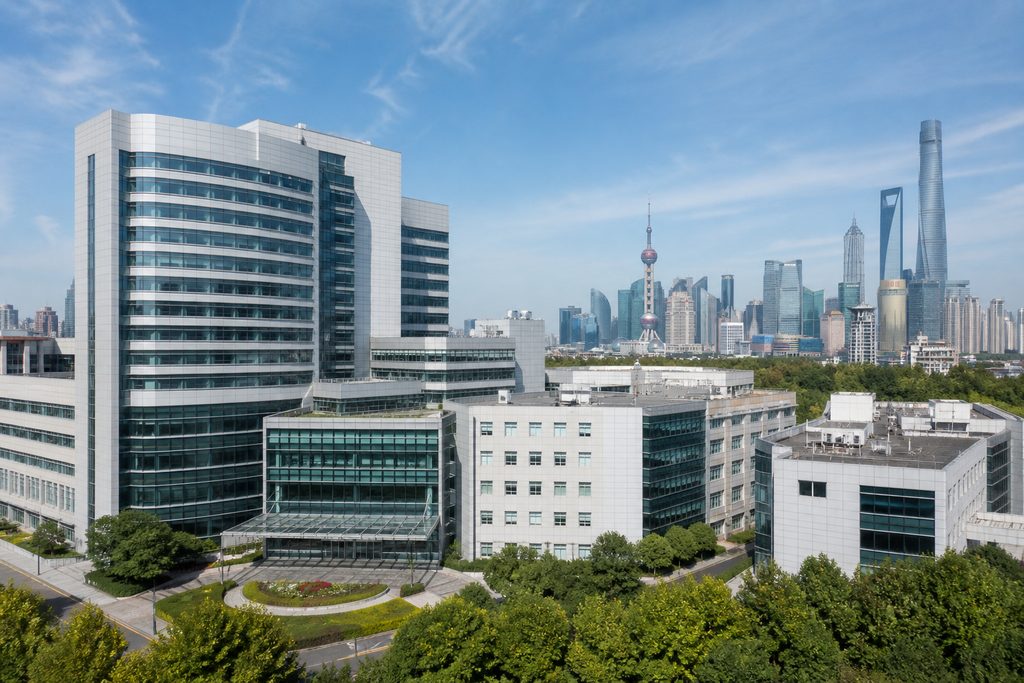
Beijing Chest Hospital, affiliated with Capital Medical University, performs over 15,000 thoracic surgeries annually. It is not a general hospital that also does lung surgery. It is a fortress of thoracic specialization. For a patient facing a lung, esophageal, or mediastinal condition, that volume translates into something tangible: the surgical team has seen your variant of the disease hundreds of times before. Our role is not to perform the surgery. We handle the logistics that make it possible for you to get there.
How This Actually Works, Step by Step
The coordination process starts long before you board a plane. It begins with your existing medical records.
You send us everything. CT scans in DICOM format, pathology reports, pulmonary function tests, and a brief summary of your history. Our team translates these documents into clinical Chinese — not machine translation, but a medically precise version reviewed by bilingual staff who understand thoracic terminology. A poorly translated CT report can lead to a rejected case. We’ve seen it happen. We prevent it.
The translated file goes to the thoracic surgery department at Beijing Chest Hospital’s international patient center. A senior specialist reviews it. This is not a quick glance. The department evaluates whether your case is appropriate for their service, what additional tests you might need on arrival, and whether a video consultation makes sense before you travel. The review typically takes 3 to 5 working days.
What comes back is a preliminary assessment. It might say the case is accepted and they recommend a VATS lobectomy. It might say they need a PET-CT first. It might say the nodule characteristics suggest a different approach. This assessment is the foundation of every decision that follows.
If the assessment is positive, we move to scheduling. This is where the real coordination begins. We align the surgeon’s availability with your travel window, book the necessary pre-operative tests, and lock in an admission date range. You receive a written treatment plan and a Beijing Chest Hospital thoracic surgery cost estimate.
What the Thoracic Surgery Package at Beijing Chest Hospital Actually Includes
When patients ask about a “thoracic surgery package Beijing Chest Hospital price,” they often imagine a single all-inclusive number. The reality is more nuanced. The hospital’s international department provides a detailed line-item estimate, not a bundled tour package.
The estimate covers the surgeon’s fee, anesthesiologist fee, operating room charges, consumable surgical supplies, and the inpatient ward stay. For a standard VATS lobectomy, the inpatient stay is typically 5 to 7 days. The ward is not a shared open bay. International patients are placed in private or semi-private rooms with dedicated nursing staff.
What the estimate does not include is equally important to understand. Pre-operative imaging that hasn’t been done yet, like a repeat high-resolution CT or endobronchial ultrasound, is billed separately. Post-discharge medications you take home are separate. Any unexpected ICU stay — rare for a planned VATS procedure, but possible — adds a daily charge.
Our team goes through the estimate with you line by line. We flag what’s fixed, what’s variable, and what contingencies might look like. The goal is that you never receive a surprise bill.
A related question we hear constantly: “what is included in Beijing Chest Hospital thoracic full service guide?” From our side, the coordination includes document translation, case submission, scheduling, visa invitation letter support, airport pickup, and a bilingual medical companion for every hospital visit. We don’t just drop you at the entrance. Your companion handles registration, payment queues, pharmacy runs, and real-time translation during surgeon consultations. You focus on recovery. We handle the friction.
A Realistic Timeline
Planning chest surgery abroad is not a one-week process. Here is what a realistic timeline looks like, assuming no major complications in the review phase.
| Stage | What Happens | Duration |
|---|---|---|
| Document Collection & Translation | You gather DICOM files, reports, and history. We translate to clinical Chinese. | 3 to 7 days |
| Case Submission & Specialist Review | Hospital thoracic team evaluates suitability and proposes a preliminary plan. | 3 to 5 working days |
| Video Consultation (Optional) | You speak directly with the thoracic surgeon to discuss the approach. | Scheduled within 1 to 2 weeks |
| Treatment Plan & Cost Estimate | Hospital issues a formal plan and line-item estimate for the surgery. | 2 to 3 working days after review |
| Visa Processing | We provide the hospital invitation letter. You apply for the S2 visa at your local Chinese embassy or consulate. | 1 to 4 weeks, embassy-dependent |
| Travel & Admission | Arrival in Beijing, pre-op tests (blood work, ECG, possible imaging), then admission. | Tests usually take 1 to 2 days before admission |
| Surgery & Inpatient Recovery | Procedure day plus 5 to 7 days of monitored recovery in the international ward. | 5 to 7 days inpatient |
| Post-Discharge Local Stay | You stay in a nearby hotel for observation and a follow-up wound check before flying home. | 5 to 10 days recommended |
The total time from first contact to surgery-ready admission is usually 4 to 8 weeks. The wide range depends on how quickly you can assemble records, the embassy’s visa processing speed, and the surgeon’s schedule. We compress the parts we control. The parts we don’t control, we tell you about honestly.
What Can Go Wrong — and What Happens Then
No honest coordination guide skips the failure modes. Here are the ones we’ve seen and how they get handled.
The specialist review comes back negative. The thoracic team decides your case isn’t suitable for their service. This happens. Maybe the tumor invasion pattern requires a different subspecialty. Maybe your pulmonary function is borderline and they want optimization first. When this occurs, we don’t leave you stranded. We present the reason clearly and, if appropriate, suggest an alternative center. Beijing has multiple top-tier thoracic programs, including at Peking University People’s Hospital and Cancer Hospital Chinese Academy of Medical Sciences. We can redirect the case.
You arrive and the pre-op CT shows something different. A nodule has grown. A lymph node looks suspicious. The surgical plan changes from a wedge resection to a lobectomy. The cost changes. The hospital updates the estimate. Your companion explains the new plan in English before you consent to anything.
Your recovery takes longer than expected. You need an extra three days in the ward. You’re not discharged until the thoracic team clears you. The additional days are billed at the standard ward rate. Our team extends your hotel booking and helps reschedule your flight if needed. We’ve done this many times.
The visa gets delayed. This is the most frustrating variable because we have zero control over embassy processing. We can provide the hospital invitation letter and supporting documents, but we cannot speed up a consular officer’s decision. We tell every patient: apply as early as possible, and do not book non-refundable flights until the visa is in your hand.
How to Evaluate Whether Beijing Chest Hospital Is Right for Your Case
Not every thoracic condition belongs at Beijing Chest Hospital. The institution’s strength is in high-volume surgical disease: primary lung cancer, esophageal cancer, mediastinal tumors, and complex infectious diseases like multidrug-resistant tuberculosis requiring surgical intervention.
If you have a rare pleural mesothelioma, you might be better served at a comprehensive cancer center with a dedicated mesothelioma program. If you need a lung transplant, Beijing Chest Hospital is not a transplant center — you would look toward Wuxi People’s Hospital or Shanghai Pulmonary Hospital.
The question to ask yourself is straightforward. Is my condition one where surgical volume directly correlates with better outcomes? For a standard lobectomy, the answer is yes. Studies consistently show that hospitals performing more than 40 lobectomies annually have lower mortality rates than low-volume centers. Beijing Chest Hospital performs thousands. That volume advantage is real and measurable.
A second consideration is the surgical approach. The hospital has been an early adopter of uniportal VATS — video-assisted thoracoscopic surgery through a single small incision. For suitable patients, this means less post-operative pain, shorter chest tube duration, and faster discharge compared to traditional three-port VATS or open thoracotomy. If your local surgeon only offers open surgery, the minimally invasive expertise in Beijing can be a genuine differentiator.
But here’s the trade-off. You are traveling to a foreign country for surgery. Follow-up care happens back home. You need a local thoracic surgeon or pulmonologist willing to receive you for post-operative surveillance. Before you commit to surgery in Beijing, confirm that arrangement. We’ve seen patients assume their home doctor will seamlessly take over, only to face reluctance. Sort this out early.
Practical Considerations: Records, Visa, Payment, and Follow-Up
Let’s get into the specifics that determine whether this path is feasible for you.
Medical Records. You need a complete digital file. CT scans must be in DICOM format on a CD or USB drive, not just printed films or JPEG screenshots. Pathology slides may need to be sent for re-reading at Beijing Chest Hospital’s pathology department — this adds time. If your records are scattered across three different hospitals, consolidate them before you contact us. A fragmented submission slows everything down.
Visa. You apply for an S2 visa, which covers short-term private affairs including medical treatment. The hospital provides a formal invitation letter with its official stamp. Your accompanying family member also applies for an S2. Do not apply for an M visa — that is for commercial and trade activities, and using it for medical treatment can create problems at the border. Embassy processing times vary wildly. London might take a week. Certain other capitals can take a month. Plan accordingly.
Payment. Beijing Chest Hospital’s international department requires a deposit before admission, typically covering the estimated inpatient cost. The deposit is paid via wire transfer or, in some cases, by international credit card at the hospital. Your private insurance may reimburse you afterward, but the hospital does not bill foreign insurers directly. You pay upfront and claim later. We can provide the detailed invoices and medical reports your insurer will require.
Language. The thoracic surgeons may speak some English. The ward nurses likely do not. The registration desk staff definitely do not. Your bilingual medical companion bridges every one of these gaps. This is not a luxury add-on. In a Chinese public hospital, even the international department, it is the difference between a smooth experience and a bewildering one.
Follow-Up at Home. You leave Beijing with a discharge summary in English, a CT scan on disc, and a recommended surveillance schedule. The thoracic team’s instructions are clear: CT at 3 months, 6 months, then annually. But you need a local doctor to order those scans and interpret them. If your home system resists taking over follow-up care — and some do — you may need to arrange a private thoracic surgeon for surveillance. Factor this into your decision.
Frequently Asked Questions
The Beijing Chest Hospital thoracic surgery cost for a standard VATS lobectomy through the international department typically ranges from $18,000 to $28,000 USD. This covers the surgeon, anesthesiologist, operating room, consumables, and a 5-7 day private ward stay. Pre-operative imaging and post-discharge medications are additional. The estimate varies by exact procedure and case complexity.
Coordination happens through the hospital’s international patient center, which works with our team on your behalf. We handle document translation, case submission, specialist review scheduling, and all logistics. The hospital reviews your records remotely first, then issues a treatment plan and cost estimate. You do not travel to Beijing until a plan is confirmed. This is the core of how we answer “how does Beijing Chest Hospital coordinate chest surgery for foreigners” — remote evaluation first, travel only when there’s a clear path.
You can secure a treatment plan and admission date range before traveling, but the hospital requires an in-person consultation and pre-operative tests before the actual surgery. This is not a “book online and show up for surgery” system. The phrase “book chest surgery at Beijing Chest Hospital international patient” describes the pre-arrangement of your care pathway, not a guaranteed surgery slot without face-to-face evaluation.
Start with your records. If you’re asking “can Beijing Chest Hospital arrange my lung surgery from abroad,” the answer is yes — but the process begins with a remote case review. Send us your DICOM scans and reports. We translate and submit them. Within a week, you’ll know whether the thoracic team accepts your case and what they recommend. No commitment is required at that stage.
Beijing Chest Hospital is a high-volume thoracic center with a dedicated thoracic ICU. Intraoperative complications are managed by an experienced surgical and anesthesia team. Post-operative complications — prolonged air leak, infection, arrhythmia — are managed in the ward or ICU as needed. Your companion keeps your family informed in real time. The hospital’s international department has protocols for extended stays and unexpected interventions. You are not discharged until the surgical team deems it safe.
Your Next Step
Planning chest surgery in a country you’ve never visited is not a small decision. The upside is real: access to a surgical team that performs thousands of thoracic procedures a year, minimally invasive expertise, and a cost that is often one-third to one-fifth of what the same procedure costs in the United States. The friction is also real: a foreign language, an unfamiliar hospital system, and the need for follow-up care back home.
Our team at China Medical Services exists to reduce that friction. We do not perform surgery. We do not guarantee outcomes. What we do is handle the logistics that stand between you and the care you need — from the first document translation to the last follow-up visit before you fly home. If you are considering thoracic surgery at Beijing Chest Hospital, send us your records. We’ll get you a straight answer about whether your case is a fit, with no pressure and no obligation.
For more medical information and treatment options in China, visit chinamedservices.com (China Medical Services).
