Bladder Cancer Surgery Cost China: Cystectomy and Reconstruction Full Service Cost Guide
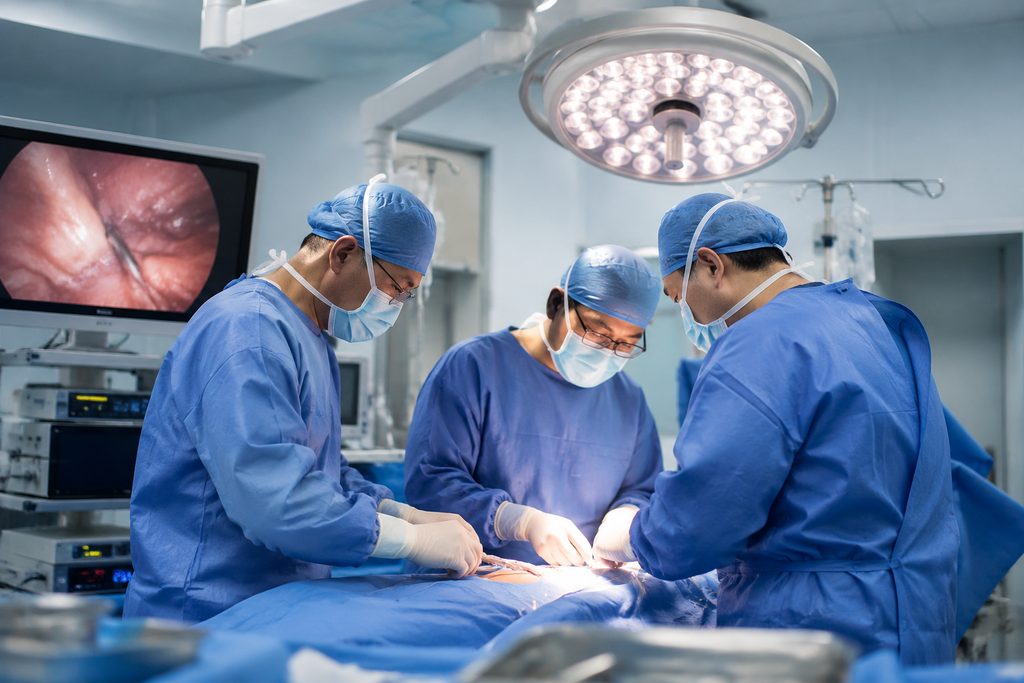
A radical cystectomy with ileal conduit reconstruction averages $45,000 in the United States. At Shanghai’s Zhongshan Hospital, the same procedure costs between $18,000 and $25,000 for international patients. That’s a gap that can exceed $25,000 — enough to reshape a family’s financial future. But a price tag alone does not answer the harder question: is traveling 7,000 miles for cancer surgery a sound decision?
The answer depends on your clinical stage, your tolerance for logistical complexity, and the hospital you choose. China’s top-tier urology centers perform thousands of cystectomies annually. Some use the same da Vinci robotic platforms found at Johns Hopkins or Charité. The savings are real. So are the coordination demands. This guide lays out the full financial picture — not just the surgeon’s fee, but the visa, the flights, the companion services, and the recovery weeks that follow.
The Short Answer: What You’ll Actually Pay
For an international patient paying out-of-pocket through a hospital’s international department, a complete bladder cancer surgery package — radical cystectomy plus urinary diversion — runs from $18,000 to $35,000 in a top-tier Chinese public hospital. Robot-assisted procedures sit at the upper end. Open surgery sits lower. Private international hospitals like United Family or Jiahui charge more, typically $40,000 to $65,000, but bundle English-speaking care and direct insurance billing. These figures cover the operation, the hospital stay (usually 10–18 days), anesthesia, and standard pathology. They do not include pre-operative imaging, airfare, lodging for a companion, or post-discharge recovery support — costs we’ll itemize later.
Who This Is Right For — and Who It Isn’t
Traveling for a cystectomy is not like traveling for a knee replacement. This is major cancer surgery with a real risk of complications. Some patients are strong candidates. Others should stay close to home.
Typically a good candidate:
- Muscle-invasive bladder cancer (T2–T3) without distant metastasis, confirmed by recent imaging and TURBT pathology.
- Medically fit for a 5–8 hour operation — your cardiologist and pulmonologist have cleared you.
- You have a family member or friend who can travel with you and stay for at least three weeks.
- You are paying cash because your domestic wait time is unacceptable or the local cost is prohibitive.
- You have already had a remote written second opinion from the Chinese surgical team, and they have confirmed you are operable.
Who should not do this:
- You require a multi-organ resection beyond the bladder — the surgical complexity and ICU stay make traveling unwise.
- You have significant cardiac or pulmonary comorbidities that would make a long-haul flight risky post-operatively.
- You are seeking a neobladder reconstruction but have not confirmed the Chinese surgeon’s experience volume with that specific technique. Not every high-volume cystectomy surgeon does high-volume neobladders.
- You do not have a companion. You will need help with translation, navigation, and basic daily tasks for at least two weeks after discharge.
Being honest about the last point matters. We have seen patients try to manage alone. It rarely goes smoothly.
The Options, Compared: Surgical Approaches and Reconstruction Methods
Your total cystectomy cost in China depends heavily on two decisions: how the bladder is removed, and how urine is diverted afterward. There is no single “best” choice — only the right match for your cancer, your body, and your life after surgery.
| Approach | Typical Cost (USD) | Hospital Stay | Recovery Time | Best For |
|---|---|---|---|---|
| Open Radical Cystectomy + Ileal Conduit | $18,000 – $24,000 | 12–18 days | 8–12 weeks | Most common; reliable; shorter OR time |
| Robot-Assisted Cystectomy + Ileal Conduit | $25,000 – $35,000 | 10–14 days | 6–10 weeks | Less blood loss; faster early recovery |
| Open Cystectomy + Neobladder | $22,000 – $30,000 | 14–21 days | 12–16 weeks | Younger patients wanting internal reservoir |
| Robot-Assisted Cystectomy + Neobladder | $30,000 – $40,000+ | 12–18 days | 10–14 weeks | Complex reconstruction; highest skill demand |
Ileal conduit is the simpler reconstruction: a short piece of small intestine creates a passage from the ureters to a stoma on the abdominal wall. You wear an external pouch. It adds roughly 45 minutes to the operation. A neobladder — an internal reservoir built from a longer intestinal segment — lets you urinate through the urethra. It adds 2–3 hours of surgical time and demands a surgeon who does at least 25–30 neobladders per year to keep complication rates low. If you are considering a neobladder, ask the surgeon directly: “How many have you done in the last 12 months?” A number under 20 should give you pause.
What the Hospital Bill Actually Includes — and What It Doesn’t
When a Chinese hospital quotes a bladder reconstruction surgery price, the figure typically covers the inpatient surgical episode: operating room charges, surgeon and anesthesiologist fees, the hospital bed (standard private room in the international ward), routine nursing care, standard pathology on the removed bladder and lymph nodes, and basic medications during the admission. It does not include pre-admission CT or PET-CT scans if you need updated staging. It does not include the cost of treating a post-operative ileus that extends your stay by five days. It does not include adjuvant chemotherapy if final pathology shows node-positive disease.
You should budget an additional 20–30% on top of the quoted surgical package for these contingencies. That sounds conservative. In practice, it is realistic.
Also, the quote assumes an uncomplicated discharge. If you need a longer inpatient rehabilitation stay, the daily international ward rate — typically $300 to $600 per night — adds up quickly. Ask for the per-night extension rate before you commit.
Hospital Selection: Where Experience Concentrates
China’s best bladder cancer hospitals are concentrated in Beijing, Shanghai, and Guangzhou. These are high-volume academic centers where urology departments manage several hundred cystectomies per year — volumes comparable to major European cancer centers. The Fudan University hospital rankings place several of these institutions among the top 10 for urology nationwide.
Peking Union Medical College Hospital in Beijing handles a large volume of complex pelvic surgeries and has a dedicated urologic oncology team. Zhongshan Hospital at Fudan University in Shanghai is a high-volume robotic surgery center with extensive experience in both ileal conduit and neobladder reconstruction. West China Hospital in Chengdu serves a massive population base and performs a significant number of cystectomies annually at costs that can be 15–20% lower than Beijing or Shanghai equivalents. For patients who want English-speaking staff and direct insurance billing, private international hospitals like United Family in Beijing or Jiahui in Shanghai offer fully Western-style care environments, though at a higher price point.
We maintain a current database of top-ranked hospitals across China with specific urology department profiles. The right hospital for you depends on your reconstruction preference, your budget, and your tolerance for a non-English-speaking environment.
Is Bladder Cancer Surgery Safe in China? A Data-Led Look
The question “is bladder cancer surgery safe in China” is reasonable. It deserves a direct answer, not reassurance.
At the top-tier hospitals listed above, 90-day mortality rates for radical cystectomy run between 1.5% and 3% — in line with outcomes reported by high-volume centers in the United States and Europe. Complication rates, particularly for ileus and wound infection, are comparable. Where the gap exists is in the systematic collection and public reporting of outcomes data. Chinese hospitals do not publish surgeon-level or hospital-level cystectomy outcomes in a centralized, publicly accessible registry the way the UK’s BAUS or the US National Surgical Quality Improvement Program does. You cannot independently verify a specific surgeon’s leak rate or positive margin rate the way you might at a US academic center.
That does not mean the surgery is unsafe. It means you are relying on reputation, volume, and the word of the international department rather than audited public data. For some patients, that is acceptable. For others, it is a dealbreaker. Know which type you are before you book the flight.
One proxy for safety: robotic surgery volume. Hospitals that have invested in multiple da Vinci Xi systems and maintain dedicated robotic urology teams tend to have lower conversion-to-open rates and shorter lengths of stay. Ask how many robotic cystectomies the hospital did last year. A number above 80 is reassuring.
Practical Considerations: Visa, Records, and the Recovery Timeline
Practical logistics can sink a well-planned surgical trip. Here is what matters.
Visa: Medical treatment in China requires an S2 visa, not an M visa. The S2 is for short-term private affairs including medical treatment. You will need an invitation letter from the hospital’s international department confirming your admission dates. Processing typically takes 1–2 weeks at your local Chinese embassy or consulate. Your accompanying family member also applies for an S2. No visa category guarantees approval — but a formal hospital admission letter makes denial uncommon.
Medical records: Before any hospital will schedule surgery, you need to send recent imaging (CT or MRI within 4 weeks), your TURBT pathology report, and a summary of your medical history including comorbidities and current medications. All documents must be translated into Chinese. Our team handles this translation as part of the coordination service — it is not something you want to do with Google Translate.
Payment: Chinese public hospitals require upfront payment for international patients. Credit cards are accepted at international departments, but wire transfers are more common for amounts over $10,000. Private international hospitals can often bill your insurer directly — confirm this before you travel. Budget for a 50% deposit upon admission and the remainder before discharge.
Recovery timeline: Plan for 10–18 days in the hospital, then at least one more week in a nearby hotel before flying home. Your surgeon will want to see you for a wound check and to confirm bowel function has returned. Flying long-haul with a fresh abdominal incision and a new stoma or neobladder is uncomfortable and carries a small but real risk of deep vein thrombosis. Most surgeons recommend waiting 10–14 days post-discharge before a flight over 6 hours.
Follow-up after returning home: You will need a local urologist willing to take over your care. Arrange this before you leave. Send them the Chinese operative note and pathology report — we provide certified English translations. Your local urologist will manage stoma care, neobladder training, and oncologic surveillance. The Chinese surgical team can do a video follow-up at 4–6 weeks, but they cannot physically examine you from 7,000 miles away.
Frequently Asked Questions
For a straightforward open cystectomy with ileal conduit at a top public hospital, expect $18,000–$24,000 for the surgery and hospital stay. Add $2,000–$4,000 for round-trip flights for two people, $1,500–$3,000 for a hotel near the hospital for 2–3 weeks, $500–$800 for the S2 visa applications, and $1,500–$3,000 for bilingual companion services during the hospital stay and early recovery. Total: roughly $24,000–$35,000. A robot-assisted neobladder at a private hospital pushes the total above $50,000. These are real ranges, not lowball estimates.
Yes, but not the way you book a vacation package. The process is: you send your records, the surgical team reviews them (a written second opinion, typically $300–$500), they confirm you are a surgical candidate, and then the hospital issues a preliminary treatment plan and cost estimate. Only after that can you schedule a date. You cannot simply pay a deposit and pick a surgery date on a website. The hospital needs to verify you are operable before committing to an OR slot. Our team coordinates this entire remote evaluation process so you don’t arrive in China only to be told you are not a candidate.
This is the hardest question, and the one you should sit with before making any decision. Chinese top-tier hospitals have ICUs, interventional radiology suites, and experienced surgical teams capable of managing complications like bleeding, anastomotic leak, or sepsis. The standard of rescue care at a Fudan-ranked urology center is high. But if you suffer a complication that requires a prolonged ICU stay or multiple re-operations, your costs will rise substantially. You will be far from your home support network. Your travel insurance may not cover extended hospitalization if it is a complication of a planned procedure rather than an unexpected emergency. Check the policy language carefully. We recommend budgeting an extra $10,000–$15,000 in accessible funds for worst-case scenarios. Most patients never need it. Some do.
There is no single answer, but the trade-offs are clear. A neobladder avoids an external pouch and preserves body image — appealing if you swim, run, or are sexually active. But it demands a longer surgery, a higher risk of nighttime incontinence (which can persist for months), and a 10–15% chance of needing to self-catheterize. An ileal conduit is surgically simpler, recovers faster, and avoids the risk of neobladder rupture or chronic retention. Many active 60-year-olds choose the conduit and adapt well to the pouch. Others find the neobladder worth the longer recovery. The right answer is the one you reach after an honest conversation with a surgeon who does both procedures regularly — not the one that sounds better on paper.
Your Next Step
Deciding to travel for a cystectomy is a sequence of smaller decisions: which hospital, which reconstruction, which support system. None of them can be made well without a clear picture of your own clinical situation and a realistic budget that accounts for the contingencies we have described.
Our team at China Medical Services does not perform surgery. We are not a hospital. We connect international patients with China’s top-ranked urology departments, coordinate the remote evaluation, handle document translation, and provide on-the-ground bilingual companion support throughout your stay. If you want to explore whether a Chinese hospital is a realistic option for your bladder cancer surgery, start with a free consultation. We’ll review your situation, suggest appropriate hospitals, and give you a candid assessment of what this would cost and whether it makes sense. No pressure. Just the information you need to make a clear-eyed decision.
You have a difficult road ahead regardless of where you have surgery. Our job is to make sure that if you choose China, you arrive prepared — not hopeful and under-informed.
For more medical information and treatment options in China, visit chinamedservices.com (China Medical Services).
