Bone Tumor Treatment Worth It: Shanghai Sixth Hospital Costs & Quality
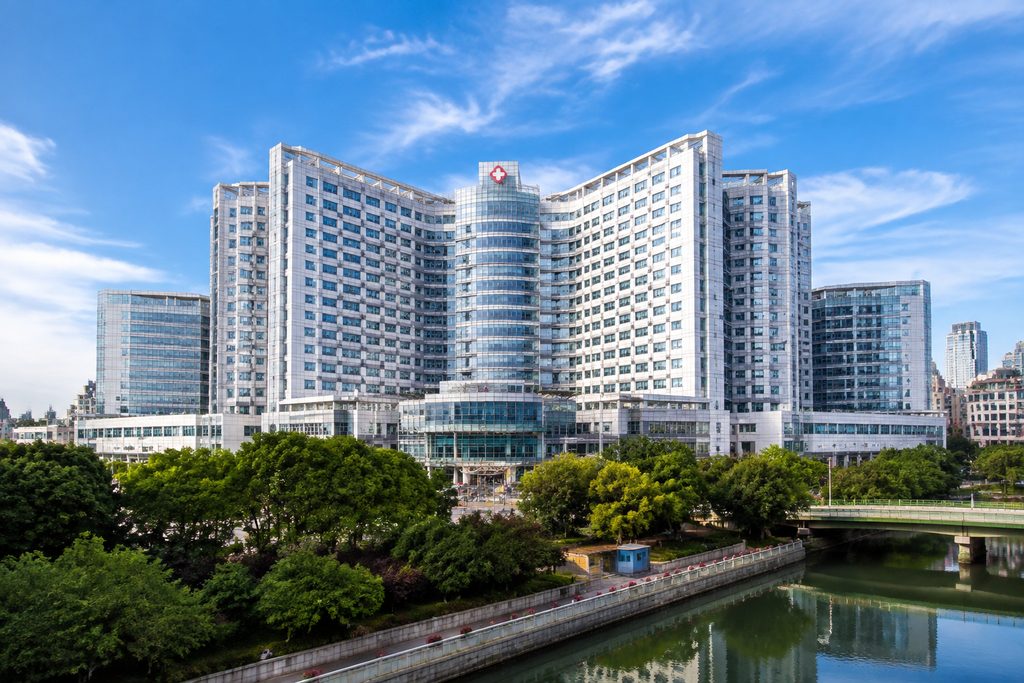
Bone Tumor Treatment Worth It: Shanghai Sixth Hospital Costs, Quality, and What to Expect
Primary malignant bone tumors are rare. The American Cancer Society estimates roughly 3,900 new cases of primary bone cancer were diagnosed in the United States in 2023. That rarity cuts both ways: few surgeons see enough cases to build deep expertise, and patients often wait months for a definitive plan. If you are researching bone tumor treatment cost Shanghai Sixth Hospital, you are likely weighing a difficult decision: travel thousands of miles for high-volume surgical care, or stay closer to home with a system that may treat your condition as an outlier. This article breaks down what Shanghai Sixth People’s Hospital actually offers, what it costs, and whether it is worth it for your specific situation.
Key Takeaways
- Shanghai Sixth People’s Hospital performs over 10,000 orthopedic surgeries annually, with a dedicated bone tumor unit handling complex limb-salvage cases that smaller centers rarely see.
- Bone tumor surgery in China typically runs $15,000–$40,000, compared to $80,000–$200,000+ for comparable procedures in the United States.
- You cannot book surgery remotely through the standard public outpatient channel. Foreign patients must either travel for an initial consultation or use the hospital’s international/VIP pathway, which costs roughly 1.5–2x standard rates.
- Language, documentation, and follow-up logistics are the real barriers. The medical quality is rarely the problem. Planning is.
The Problem: High-Stakes Surgery in a Low-Volume World
Most orthopedic surgeons in Western countries will see a handful of primary bone sarcomas in their entire career. Osteosarcoma, the most common primary bone malignancy, affects approximately 1 in 100,000 people annually. Ewing sarcoma is even rarer. That means the average community hospital in the US or Europe might treat one or two cases a year. The National Comprehensive Cancer Network (NCCN) guidelines explicitly recommend that bone sarcoma patients be managed at high-volume centers with multidisciplinary tumor boards. But accessing those centers often means wait times of 6–12 weeks for a first appointment, followed by additional weeks for biopsy, staging, and surgical scheduling.
For a patient with an aggressive bone tumor, that delay is not a scheduling inconvenience. It is a clinical risk. Tumor progression during the diagnostic and referral pipeline can change the surgical plan from limb-salvage to amputation, or from curative to palliative intent. The problem is structural: Western healthcare systems are not designed to concentrate rare-disease surgical volume the way Chinese megahospitals do.
Why Shanghai Sixth People’s Hospital Delivers Results
Shanghai Sixth People’s Hospital, affiliated with Shanghai Jiao Tong University School of Medicine, is one of China’s most recognized orthopedic institutions. The hospital’s orthopedic department consistently ranks among the top programs in China’s Fudan University hospital rankings, which evaluate clinical reputation and research output across 45 specialties. For bone tumor patients, three structural advantages matter most.
Clinical Volume Creates Pattern Recognition
The orthopedic surgery department at Shanghai Sixth handles a caseload that would be unimaginable at most Western academic centers. Daily outpatient volume across the hospital exceeds 10,000 visits. The bone tumor unit specifically manages both primary malignancies and metastatic lesions, performing hundreds of tumor resections and reconstructions each year. A surgeon who sees 150 bone tumor cases annually develops intraoperative judgment that no amount of fellowship training can replicate. That pattern recognition translates into cleaner margins, better soft-tissue handling, and more confident decisions about when limb salvage is truly viable.
Limb-Salvage and Reconstruction Capability
Shanghai Sixth is particularly known for microsurgical reconstruction. The hospital pioneered techniques in replantation and free tissue transfer that are now standard globally. For bone tumor patients, this matters enormously. Resecting a tumor is only half the surgery. Reconstructing a functional limb — with vascularized fibula grafts, custom endoprostheses, or allograft-prosthetic composites — requires microsurgical skills that are concentrated in very few centers worldwide. Shanghai Sixth has that capability in-house, across multiple surgical teams.
Cost Structure Without Quality Compromise
Let’s address the obvious question directly. Why is bone tumor surgery in China so much less expensive than in the US or Western Europe? It is not because the surgeons are less qualified or the implants are inferior. The cost difference is structural. Chinese public hospitals operate on thin margins with state-subsidized infrastructure. Surgeon salaries are a fraction of US levels, even for top specialists. Implant costs, while significant, are negotiated at scale by hospitals that purchase in volumes no single Western center can match. The result: comparable or in some cases superior clinical outcomes at 20–30% of Western prices. A 2021 study in the Journal of Bone and Joint Surgery comparing limb-salvage outcomes across international centers found no significant difference in 5-year survival or functional scores between high-volume Asian centers and their Western counterparts.
What Bone Tumor Surgery Actually Costs at Shanghai Sixth Hospital
Let’s talk real numbers. The bone tumor treatment cost Shanghai Sixth Hospital depends heavily on the specific diagnosis, tumor location, and reconstruction method. No hospital publishes a fixed price list for oncology surgery — anyone who quotes you a single number without reviewing your imaging is guessing.
| Procedure Category | Estimated Cost in China (USD) | Estimated Cost in USA (USD) |
|---|---|---|
| Diagnostic workup (MRI, CT, PET-CT, biopsy) | $2,000–$5,000 | $10,000–$30,000 |
| Tumor resection + limb salvage (standard prosthesis) | $15,000–$30,000 | $80,000–$150,000 |
| Tumor resection + complex reconstruction (vascularized graft, custom implant) | $30,000–$50,000 | $150,000–$250,000+ |
| Amputation + prosthetic fitting | $10,000–$20,000 | $50,000–$100,000 |
| Adjuvant chemotherapy (per cycle, if managed in China) | $3,000–$8,000 | $15,000–$40,000 |
These figures are ranges based on our coordination experience and published hospital fee schedules. They vary by hospital and case complexity. The international/VIP pathway at Shanghai Sixth typically costs 1.5–2x the standard public rates, which still leaves most procedures well below Western prices. If you are asking how much does bone tumor surgery cost in China, the honest answer is: enough to require planning, but rarely enough to justify medical debt.
Is Shanghai Sixth Hospital Good for Bone Tumor? Reading the Evidence
Reputation is easy to claim and hard to verify. If you are searching is Shanghai Sixth Hospital good for bone tumor, here is what the evidence actually shows. The hospital’s orthopedic department has been ranked among China’s top programs in the Fudan University Hospital Rankings for consecutive years — a ranking system based on peer assessment from thousands of Chinese specialists, not patient reviews or marketing budgets. The bone tumor unit participates in multicenter clinical trials for sarcoma treatment protocols. And the hospital’s microsurgery heritage means complex reconstruction cases that get referred away from other centers end up here.
But let’s be clear about what this does not mean. It does not mean every patient will have a good outcome. Bone sarcomas are unforgiving diseases. It does not mean the experience will be identical to a Western private hospital. It will not be. The hallways are crowded. English is not widely spoken outside the international department. You will need help navigating. The surgical expertise is real. The patient experience requires management.
How to Book Bone Tumor Treatment at Shanghai Sixth Hospital
You cannot simply email the hospital and reserve a surgery date. That is not how Chinese public hospitals work. The standard pathway requires an in-person outpatient consultation first — you register, see a specialist, and only then can surgery be scheduled. For foreign patients, this creates an obvious problem: you do not want to fly to Shanghai without knowing whether the surgeon will even accept your case.
The realistic options are threefold. First, you can travel for a standard outpatient consultation. You will need an S2 visa, which is the short-stay category used for medical treatment and private affairs in China. Your supporting documents should include a hospital appointment confirmation or an invitation letter from the hospital’s international department, plus your medical records. Family members accompanying you also apply for S2 visas. This route is cheaper but logistically demanding without Chinese language skills.
Second, you can use the hospital’s international/VIP department. This allows you to coordinate a consultation in advance through official channels, often with English-speaking staff and expedited scheduling. The cost premium is real — typically 1.5–2x standard rates — but for a complex oncology case, the coordination value often justifies it.
Third, you can start with a written second opinion or video consultation before committing to travel. Send your existing imaging, biopsy reports, and treatment history to the bone tumor team for review. A written analysis costs $300–$500 through our coordination service. A video consultation with a top specialist runs $500–$800. This lets you confirm that Shanghai Sixth is the right destination for your specific case before spending thousands on flights and accommodation. Any consultation fee is credited in full toward on-the-ground coordination if you proceed to treatment within 90 days.
Practical Considerations: Records, Visas, Payment, and Follow-Up
Before you book anything, get your documentation in order. Chinese oncology teams will want your complete imaging files — not just the radiology reports, but the actual DICOM files on a CD or USB drive. Bring the pathology slides from your biopsy, not just the written report. Many Chinese hospitals will want to re-review the pathology themselves before making surgical decisions. This is standard practice, not a sign of distrust.
For payment, expect to pre-pay for hospital services. Chinese public hospitals operate on a deposit system. You will be asked to place a deposit before surgery, with additional payments as treatment progresses. International credit cards are not universally accepted at public hospital cashiers. Wire transfers, UnionPay cards, or cash deposits through a Chinese bank account are the most reliable options. If you have international health insurance, you will typically pay out of pocket and seek reimbursement afterward. Private international hospitals in Shanghai offer direct insurance billing, but Shanghai Sixth’s public hospital system generally does not.
Follow-up after returning home is the most commonly overlooked challenge. Bone tumor patients need surveillance imaging for years after surgery. If your local oncologist is not willing to manage a patient treated in China — and some are not — you need a plan for ongoing monitoring. Discuss this before you travel, not after you return.
Do not book flights before confirming your case is accepted. A written second opinion or video consultation costs a few hundred dollars. A wasted trip costs thousands and weeks of treatment delay. Confirm first, travel second.
Frequently Asked Questions
Not through the standard public channel. Surgery requires an in-person consultation first. The international/VIP department can arrange an expedited consultation and may be able to schedule surgery shortly after your arrival, but no reputable hospital will commit to a surgical date without examining you first. Anyone who promises otherwise is not being honest with you.
Shanghai Sixth is a tertiary referral center with intensive care, infectious disease, and emergency capabilities on site. Surgical complications are managed within the same hospital system. The harder question is what happens after you return home. You need a local physician willing to manage post-operative care and surveillance. Establish that relationship before you travel, and ensure your records transfer cleanly.
No. The cost difference reflects structural economics — lower labor costs, state-subsidized infrastructure, and high surgical volume — not inferior implants or less skilled surgeons. The Fudan University rankings, which are based on peer assessment from Chinese specialists, consistently place Shanghai Sixth’s orthopedic department among the country’s best. The quality question you should actually ask is whether your specific tumor type and reconstruction needs match the team’s expertise. That is what a remote consultation can help you determine.
Most Western insurance plans do not have direct billing relationships with Chinese public hospitals. You will typically pay out of pocket and submit for reimbursement. Some international plans and medical tourism policies do cover treatment in China, but you must confirm coverage before committing. Get written pre-authorization if your policy requires it.
China does not issue a dedicated “medical visa.” Foreign patients typically use the S2 visa, which covers short-term private affairs including medical treatment. Stays longer than 180 days require an S1 visa. Supporting documents should include your hospital appointment confirmation and medical records. Consulates may have additional requirements, so check with the specific embassy or consulate handling your application.
Your Next Step
The decision to pursue bone tumor treatment in Shanghai is not one to make quickly or alone. The surgical expertise at Shanghai Sixth is real, the cost advantage is significant, and the logistical barriers are manageable with proper planning. But you need to know whether this specific hospital is right for your specific case before you commit to travel. We help international patients navigate that decision — reviewing records, arranging written second opinions and video consultations with the bone tumor team, and coordinating the on-the-ground logistics if you proceed. We are not a hospital, and we do not provide diagnoses or treatment recommendations. We are the bridge between you and the medical expertise you need. Start with a free consultation about your case, and we will help you determine whether Shanghai Sixth is worth pursuing.
Bone tumors do not wait. But neither should you rush into a decision without the right information. Get the facts first. Then decide.
For more medical information and treatment options in China, visit chinamedservices.com (China Medical Services).
