Cancer Screening in China: How We Coordinate Your Early Detection
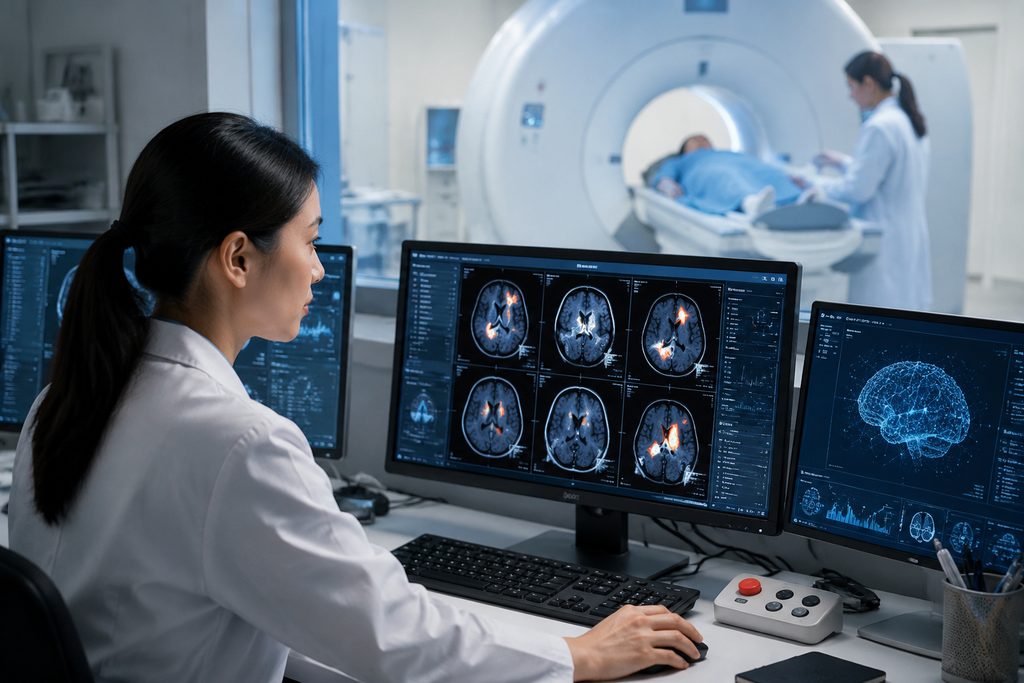
When 54-year-old Daniel from Manchester searched for “full body cancer scan price Beijing,” he was already six weeks into a frustrating wait for a referral. His father had died of colorectal cancer at 61. Daniel wanted answers now, not in three months. He found our team through a colleague who had traveled to Shanghai for cardiac care. Within ten days of his first email, Daniel was sitting in a clinic at Peking Union Medical College Hospital, completing the final scan of a comprehensive screening package that would have cost him four times as much at home and taken half a year to schedule.
That is the reality of cancer screening cost China: faster access, advanced technology, and transparent pricing. But getting there requires coordination. This article explains exactly how early detection works in China, what it costs, how reliable it is, and how we help international patients navigate the system from first inquiry to final report.
Key Takeaways
- Comprehensive cancer screening packages in China typically range from $800 to $3,500, compared to $5,000–$15,000 in the US or UK private sector.
- China’s top hospitals perform millions of imaging studies annually — Fuwai Hospital alone completes over 14,000 cardiac surgeries per year, reflecting a system built for volume and speed.
- You cannot simply walk into a public hospital and book a screening package from overseas. Coordination through hospital international departments is essential.
- Screening detects early-stage cancers; it does not prevent them. Understanding what a package includes — and what it does not — matters more than the price tag.
The Problem: Late Detection Is the Real Killer
Cancer survival rates drop dramatically with late diagnosis. The American Cancer Society reports that localized colorectal cancer has a 91% five-year survival rate, but that figure falls to 14% once the disease has spread to distant organs. For lung cancer, the gap is even starker: 65% for localized disease versus 9% for metastatic. Early detection is not a luxury. It is the single most effective intervention most people can access.
Yet access is precisely where Western patients hit a wall. In the UK, the NHS target for urgent cancer referrals is a two-week wait for a specialist appointment, but the actual wait for diagnostic imaging often stretches to six weeks or more. Private screening exists but carries a price tag that puts it out of reach for many. A full-body MRI in London costs between £1,500 and £3,000 — and that is one scan, not a comprehensive package.
In the United States, the situation is different but no less frustrating. Insurance may cover age-based screenings like mammography or colonoscopy, but comprehensive “executive physical” style cancer screening packages at institutions like the Mayo Clinic run $5,000 to $10,000, often with three to six month waiting lists. For a 45-year-old with a family history and no symptoms, insurance typically covers nothing beyond the standard age-based tests. That person pays out of pocket or waits.
Daniel’s story is not unusual. The global demand for proactive cancer screening is growing, but supply in Western healthcare systems has not kept pace.
Why Cancer Screening in China Delivers Results
China’s healthcare infrastructure has undergone a transformation over the past two decades. The country now operates over 35,000 hospitals, and the top 5% — roughly 340+ institutions — meet standards comparable to leading Western centers. Many are ranked by the Fudan University hospital rankings and accredited by Joint Commission International (JCI). This is the tier we work with.
Volume Creates Speed and Expertise
A radiologist at a major Chinese teaching hospital reads more scans in a month than many Western counterparts read in a year. Consider the numbers: Peking Union Medical College Hospital handles over 2.26 million outpatient visits annually. Zhongshan Hospital in Shanghai performs more than 100,000 interventional procedures each year. This volume means three things: equipment is newer, technicians are faster, and the specialists interpreting your results have seen rare presentations that would stump a lower-volume practice.
That volume also means scheduling is dramatically faster. A comprehensive screening package that takes four to six months to book at a top US institution can often be scheduled in two to four weeks at a comparable Chinese hospital. Daniel’s experience — ten days from inquiry to scan — is faster than typical, but not exceptional.
Technology Without the Waitlist
Chinese hospitals invest heavily in imaging infrastructure. PET-CT scanners, 3T MRI machines, and low-dose spiral CT units are standard equipment in the 340+ top-ranked hospitals we work with. The key difference is utilization: these machines run longer hours and serve more patients per day than their Western counterparts. That operational efficiency is why a full body cancer scan price Beijing or Shanghai can be a fraction of the cost elsewhere — not because the technology is inferior, but because the system is structured for throughput.
Cost Advantage Without Quality Compromise
The structural reasons for lower cancer screening cost China are straightforward. Physician salaries are lower, though top specialists at leading institutions earn competitive packages. Hospital administrative overhead is leaner. Equipment, once purchased, is amortized across far more patients. None of these factors touch clinical quality. The radiologists reading your scans trained at the same institutions that produce China’s top-ranked oncology departments, several of which appear in the Fudan specialty reputation rankings for oncology.
Here is what that looks like in practice:
| Screening Component | Typical US Private Price | Typical China Price Range |
|---|---|---|
| Low-dose chest CT | $500–$1,200 | $80–$250 |
| Full-body MRI (no contrast) | $1,500–$3,000 | $300–$800 |
| PET-CT scan | $2,500–$5,000 | $700–$1,500 |
| Comprehensive package (imaging + labs + specialist review) | $5,000–$15,000 | $800–$3,500 |
Prices vary by hospital tier, city, and case complexity. A package at an international private hospital like United Family will cost more than one at a public hospital’s international department, but still typically less than US private rates. The figures above reflect the range we see across the 37 cities in our network.
How Early Can Cancer Be Detected in China?
This is the question behind every screening inquiry we receive. The honest answer: it depends on the cancer type and the screening method. No test detects all cancers at the earliest possible stage. But China’s screening protocols match international standards, and in some areas they exceed them.
Low-dose CT for lung cancer can detect nodules as small as 2–3 millimeters — often years before symptoms appear. The National Lung Screening Trial in the US demonstrated a 20% reduction in lung cancer mortality with low-dose CT screening, and Chinese hospitals use the same technology with the same detection thresholds. For breast cancer, digital mammography and ultrasound detect tumors under 1 centimeter, which corresponds to stage I disease with survival rates above 95%.
What makes China different is the accessibility of combined-modality screening. In the West, a patient might get a mammogram one year, a colonoscopy another, and struggle to coordinate comprehensive imaging. Chinese screening packages bundle these modalities into a single visit — often completed in one to three days. That means less time waiting between tests and fewer gaps in coverage.
There is a caveat we always state clearly: screening finds what is there at the moment of the scan. A negative result does not guarantee cancer will not develop next year. Regular screening intervals matter more than any single test.
Is Cancer Screening in China Reliable? What to Check Before You Book
Reliability depends on three factors: the hospital, the equipment, and the reading radiologist. Not every facility in China meets the standard international patients expect. That is why we restrict our network to the 340+ top-ranked hospitals — institutions that appear in the Fudan comprehensive rankings or hold JCI accreditation.
Here is what to verify before booking any cancer screening package China:
- Accreditation status. JCI accreditation is the gold standard for international patient care. Fudan ranking placement indicates clinical reputation within China. Both are verifiable.
- Equipment age and model. A PET-CT scanner from 2010 is not the same as one from 2023. Ask which generation of equipment the hospital uses for each modality.
- Who reads the scans. At top institutions, imaging is read by board-certified radiologists with subspecialty training. Ask whether a second reader reviews complex findings.
- Report language. If you need results in English, confirm the hospital provides English-language reports. Many top hospitals do; smaller facilities may not.
Red flag: Any facility offering a “guaranteed cancer-free” result from a single scan is not credible. No legitimate screening program makes that claim. Walk away from any provider that does.
For patients specifically seeking the best cancer hospital Shanghai for foreigners, the international departments at Zhongshan Hospital and Ruijin Hospital are strong starting points. Both have dedicated international patient teams, English-speaking staff, and extensive oncology screening experience. Our oncology department rankings page provides a full breakdown of top-ranked cancer centers by specialty.
How to Book a Cancer Screening Package China: The Real Process
You cannot book a screening package at a Chinese public hospital by calling the general appointment line from overseas. The system is not built for that. Public hospital registration is designed for domestic patients who appear in person, queue for a number, and navigate the process in Mandarin. International patients need a different pathway.
The standard process works like this:
Step 1: Define your screening scope. What are you screening for? A 40-year-old with no family history needs a different panel than a 55-year-old whose father died of colon cancer. We help you determine which modalities make sense based on age, sex, family history, and risk factors. This is not medical advice — it is coordination based on standard screening guidelines.
Step 2: Select the hospital and department. We match your needs to the right institution. For comprehensive screening, large teaching hospitals like Peking Union Medical College Hospital or Zhongshan Hospital are common choices. For specific concerns — say, liver cancer risk — a hospital with a top-ranked hepatology department makes more sense.
Step 3: Submit medical records and history. The hospital’s international department reviews your background before confirming a package. This step ensures the screening is appropriate and identifies any contraindications.
Step 4: Schedule the visit. Once the hospital confirms, we coordinate dates. Most packages run one to three days of testing, with results available within three to seven days afterward.
Step 5: Travel and on-site support. You arrive in China. Our bilingual medical companion meets you at the hospital, handles registration, guides you through each department, translates conversations with physicians, and ensures you understand every step. This is not a luxury add-on — it is the difference between a smooth screening experience and a disorienting day spent lost in a massive hospital complex.
Step 6: Results and follow-up. You receive your results in English. If any finding requires follow-up, we coordinate the next step — whether that is a specialist consultation, additional imaging, or a plan for monitoring back home.
The entire process, from first inquiry to completed screening, typically takes two to six weeks. That includes travel planning. Compare that to the three to six month wait for comprehensive screening at many Western institutions.
Practical Considerations: Visas, Payment, and What to Bring
Traveling to China for medical screening requires preparation. Here is what you need to know before you go.
Visa: Medical travelers use the S2 visa, which covers short-term private affairs including medical treatment. The hospital’s international department will provide an invitation letter and treatment confirmation document, which you submit with your visa application. Processing typically takes one to two weeks at most Chinese embassies and consulates. Family members accompanying you also apply for S2 visas. Requirements change, so check with the nearest Chinese embassy for current documentation standards.
Payment: Chinese public hospitals require prepayment for services. International departments accept major credit cards and international bank transfers. Private international hospitals like United Family often bill insurance directly. If you have international health insurance, check whether it covers overseas screening — many policies exclude preventive care abroad. Keep all receipts and request itemized invoices in English for potential reimbursement.
What to bring: All prior imaging studies (on CD or USB), pathology reports, relevant lab results, a list of current medications, and a summary of your family cancer history. Translated versions help, but the hospital’s international staff can often work from English originals.
Language: Top hospitals have English-speaking staff in their international departments, but the technicians performing your scans may not speak English. Our bilingual companion bridges that gap throughout the day. If you are navigating alone, prepare for communication friction outside the international department.
After you return home: Your screening results belong to you. We provide digital copies of all reports and imaging files. Share them with your primary care physician or a specialist at home. If a finding requires monitoring, establish a follow-up schedule before you leave China.
Frequently Asked Questions
A full body cancer scan price Beijing typically ranges from $800 to $3,500 depending on the hospital tier and the specific modalities included. A basic package with ultrasound, chest CT, and blood tumor markers sits at the lower end. A comprehensive package adding full-body MRI or PET-CT reaches the higher end. Public hospital international departments cost less than private international hospitals.
At top-ranked hospitals with JCI accreditation or Fudan ranking placement, yes. The equipment is modern, the radiologists are experienced, and the protocols follow international standards. Reliability drops sharply at lower-tier facilities. Choose your hospital carefully — this is the single most important decision in the entire process.
The same detection thresholds apply as anywhere else: low-dose CT finds lung nodules at 2–3 millimeters, mammography detects breast tumors under 1 centimeter, and colonoscopy identifies polyps before they become malignant. China’s advantage is not earlier detection technology but faster access to comprehensive screening. You can complete a full panel in days rather than waiting months for individual tests.
Not through standard public hospital channels. Public hospitals require in-person registration for domestic patients. International patients must go through the hospital’s international department or VIP channel, which requires coordination — that is the service we provide. Without that coordination, you will struggle to schedule anything before you arrive.
You are not stranded. The hospital will recommend next steps — additional imaging, a biopsy, or specialist consultation. We coordinate those follow-ups while you are in China and help you understand your options. If you prefer to pursue treatment at home, we ensure your records are complete and transferable. The screening is the starting point, not the end of the road.
Your Next Step
Cancer screening is one of the few medical services where being proactive genuinely changes outcomes. China offers a combination of speed, technology, and cost that is hard to match elsewhere — but only if you navigate the system correctly. We are China Medical Services, a coordination team that connects international patients with 340+ top-ranked hospitals across 37 cities. We are not a hospital, and we do not provide diagnoses or medical advice. What we do is handle the logistics: hospital matching, appointment coordination, bilingual accompaniment, and visa guidance.
If you are considering cancer screening in China, start with a conversation. Tell us your situation, and we will tell you honestly whether this path makes sense for you. Visit our patient coordination page to get a free consultation. No pressure. Just clear answers.
Early detection saves lives. Getting there should not be the hardest part.
For more medical information and treatment options in China, visit chinamedservices.com (China Medical Services).
