Cardiac Checkup in Changsha: Your Options, Costs, and Top Hospitals
Cardiac Checkup in Changsha: What Your Options Actually Look Like
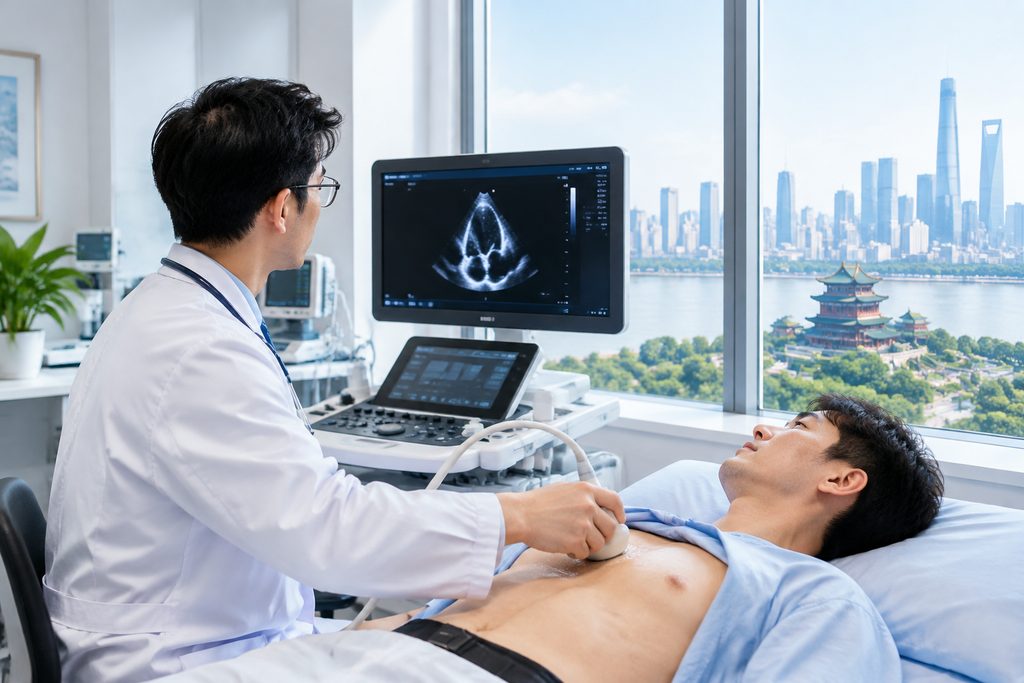
A cardiac checkup is a structured set of tests that examines how well your heart is working — nothing more mysterious than that. It usually combines an electrocardiogram (ECG), an echocardiogram (ultrasound of the heart), blood work, blood pressure monitoring, and sometimes a stress test or CT scan of the coronary arteries. In Changsha, the capital of Hunan Province, you have three real paths: a public tertiary hospital, a private international clinic, or a Traditional Chinese Medicine (TCM) center focused on cardiovascular recovery. Each serves a different kind of patient.
If you are searching for the cardiac checkup cost Changsha hospitals charge, the honest answer is that it depends heavily on which path you choose and how deep the testing goes. A basic screening package at a public hospital might run a few hundred dollars. A comprehensive cardiac workup with advanced imaging can climb well past a thousand. This guide breaks down the real numbers, the timelines, and the practical steps.
How This Actually Works, Step by Step
Here is the real sequence, from your first email to sitting in the exam room.
Step 1 — You send your existing records. That means any prior ECGs, echocardiogram reports, blood panels, medication lists, and a short note about your symptoms or concerns. If you have chest pain, palpitations, shortness of breath, or a family history of heart disease, say so. The more context you provide, the more targeted the checkup becomes.
Step 2 — A cardiology team reviews the file. This is where the plan gets built. A Chinese cardiologist — or an international department physician if you are going through a private hospital — reads your records and recommends which tests are genuinely necessary. Not every patient needs a coronary CT angiogram. Some just need an echo and a stress test. This review is what separates a focused checkup from a scattergun one.
Step 3 — You receive a written plan and a cost estimate. The plan lists each test, the reason for it, and an approximate price range. Nothing is booked yet. You review it, ask questions, and decide.
Step 4 — Appointment coordination. Once you agree, someone handles registration, the hospital medical card, and scheduling. In Chinese public hospitals, you generally cannot book a specialist slot from overseas in advance the way you would at a Western clinic. Walk-in registration on the day is the norm. International departments and VIP channels work differently — they can often pre-arrange appointments, but they cost more.
Step 5 — You arrive, and the testing happens. A bilingual companion can handle the queueing, the payment windows, the directions between buildings, and the translation during consultations. Chinese tertiary hospitals are enormous — some see over 10,000 outpatients a day — and without Mandarin, navigating one is genuinely difficult.
Step 6 — Results and a follow-up conversation. Most cardiac test results come back within 24 to 72 hours. You sit down with the cardiologist, go through the findings, and leave with a written summary you can take home.
Which Is the Best Heart Hospital in Changsha China for a Checkup?
For a diagnostic checkup without surgery, expect roughly $300 to $1,500 depending on the hospital and how many tests are included. Private international clinics sit at the higher end. Final pricing varies by hospital and case complexity, so always request a written estimate before committing.
Diagnostic testing carries minimal risk, and major Chinese hospitals use current-generation equipment comparable to Western standards. The main risks are logistical — language barriers, incomplete records, and unplanned follow-up tests. Preparing properly removes most of that risk.
The S2 visa is the applicable short-stay category for medical treatment and private affairs, and it requires supporting hospital documents. Requirements follow the latest embassy and consulate guidance. Approval is never guaranteed, so apply early and avoid non-refundable bookings until the visa is issued.
That is exactly why the remote review matters. If a test uncovers a condition requiring intervention, you will already be in a hospital with the relevant specialists, and next steps can be discussed on the spot. Any admission or procedure remains subject to the hospital’s own rules and a full in-person evaluation.
Your Next Step
A cardiac checkup in Changsha is achievable, affordable by Western standards, and can be organized without guesswork if you start with a proper review of your records. The key is sequencing: send your history, get a written plan, then travel. That order saves time, money, and stress.
We are China Medical Services. Our team connects international patients with 340+ top-ranked hospitals across 37 cities, and we handle the coordination, translation, and bilingual support that make a Chinese hospital visit manageable. We are not doctors, and we do not provide medical advice or guarantee any clinical outcome. If you would like to understand your options, start with a free consultation — no pressure, just a clear conversation about what is possible.
This article is for general information only and does not constitute medical advice. Always consult a qualified physician about your individual health situation.
Frequently Asked Questions
Yes. The hospitals used for international patients are JCI-accredited and follow the same international safety standards as top hospitals in the US and Europe. Surgical teams perform high volumes of procedures — often more than their Western counterparts — which studies show leads to better outcomes.
Costs vary by procedure and hospital, but international patients typically save 40-80% compared to US prices — even when factoring in travel and accommodation. A consultation with our team will give you an exact, all-inclusive quote with no hidden fees.
Send us your existing medical reports to get started. We handle everything from hospital selection and appointment scheduling to visa assistance and post-operative recovery planning. Your medical records are reviewed by the specialist before you even book a flight.
For more medical information and treatment options in China, visit chinamedservices.com (China Medical Services).
