Dental Tourism in China: Combining Implants with Sightseeing
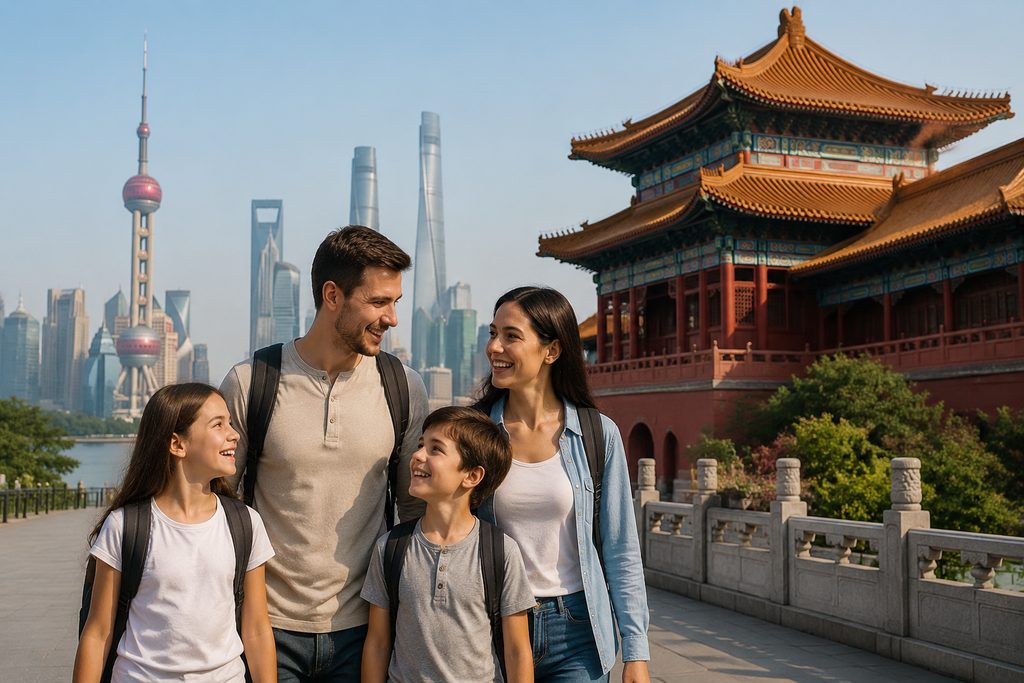
Have you ever wondered whether you could get top-tier dental implants for a fraction of Western prices — and wake up the next morning to go see the Great Wall? That question drives thousands of international patients to China every year, and the answer is more nuanced than a simple yes or no. A dental implants cost China package typically runs between $800 and $2,500 per implant depending on the implant system, the clinic tier, and the city — compared with $3,000 to $6,000 per implant in the United States or Australia. But the real value emerges when you understand how to structure the trip so the clinical work and the sightseeing actually support each other, rather than compete for your recovery time.
Key Takeaways
- A full dental implant procedure in China costs roughly 60-75% less than in the US, with single implants ranging from $800 to $2,500 versus $3,000 to $6,000 stateside.
- International dental clinics in Beijing and Shanghai routinely serve English-speaking patients, with in-house CT scanners, digital smile design, and same-week surgical scheduling.
- Dental implant treatment requires at least two visits separated by 3-6 months for osseointegration — a single “implant holiday” can complete the surgical phase but not the full restoration.
- You should never book a package that promises a final crown within the same week as implant placement, because early loading on a healing implant carries real failure risk.
The Problem: Dental Work at Home Is Priced Like a Luxury Purchase
The American Dental Association’s Health Policy Institute found that roughly 1 in 4 American adults delayed dental care in 2023 because of cost. A single implant with crown in New York or Los Angeles frequently lands between $4,500 and $6,500 — and that is before bone grafting, sinus lifts, or any sedation fees. The math compounds quickly for patients needing multiple implants or a full-arch restoration.
Insurance rarely rescues the situation. Most US dental plans cap annual benefits at $1,500 to $2,000, which barely covers the diagnostic phase of a multi-implant case. In the UK, NHS implant coverage is restricted to narrow clinical exceptions. The result is a predictable pattern: patients postpone treatment, teeth shift, bone resorbs, and the eventual bill grows larger. That is why the search volume for dental implants cost China package has climbed steadily since 2022. Patients are not chasing a bargain. They are looking for a structurally different price point that makes treatment possible at all.
Why China Delivers Comparable Implant Outcomes at a Lower Price
Clinical Volume and Implant System Familiarity
Chinese implantologists place a staggering number of implants annually. Major dental hospital departments in cities like Shanghai and Guangzhou routinely handle 30 to 60 implant placements per day across their surgical teams. That repetition matters. A clinician who places 2,000 implants a year has encountered the anatomical variations, the bone density surprises, and the surgical complications that a low-volume Western dentist might see once a decade. Most reputable Chinese clinics work with the same implant systems used in Europe and North America — Straumann, Nobel Biocare, Osstem, Dentium — so the hardware itself is not the differentiator. The volume is.
Fixed Costs Are Structurally Lower
The cost gap is not a quality gap. It reflects economics. Clinical labor, facility overhead, and dental laboratory fees in China run substantially below Western benchmarks. A high-quality zirconia crown fabricated in a Shanghai dental lab might cost the clinic $80 to $150, compared with $400 to $700 for an equivalent restoration from a US lab. Sterilization protocols, digital impression workflows, and surgical instrumentation are comparable in international-standard clinics. The savings come from the supply chain and labor market, not from cutting corners on materials or safety.
International Clinics Built for Foreign Patients
The best dental clinic Shanghai for foreigners is not a single institution — it is a category of practices that have deliberately built their operations around international patients. These clinics typically employ English-speaking treatment coordinators, accept international credit cards, provide itemized English-language treatment plans, and schedule longer appointment blocks so nothing feels rushed. Some are JCI-accredited. Others are affiliated with university dental hospitals. What they share is operational fluency with patients who fly in, get treated, and fly home.
What a Dental Implant Holiday Actually Looks Like: A Realistic Timeline
A dental implant is not a single procedure. It is a staged biological process, and any clinic that tells you otherwise is selling something other than dentistry. Here is what the timeline looks like for a patient who wants to book dental implants holiday China and actually enjoy the trip.
Days 1-2: Records and Planning
You land, adjust to the time zone, and visit the clinic for a cone-beam CT scan, intraoral digital impressions, and a comprehensive exam. The implantologist evaluates bone volume, checks for sinus proximity in the upper jaw, and confirms whether grafting is needed. You receive a written treatment plan with exact pricing. This phase takes one or two half-day visits. That leaves your afternoons free.
Days 3-4: Surgical Placement
The implant surgery itself is often completed in 45 to 90 minutes per implant under local anesthesia. Sedation options exist for anxious patients. After placement, you rest for 24 to 48 hours. Swelling peaks around day two or three, then subsides. By day four or five, most patients feel well enough for light sightseeing — walking tours, museums, tea houses. Skip the hiking and the spicy hotpot for the first week.
Days 5-10: Recovery and Gentle Exploration
This is where the “tourism” part of dental tourism becomes realistic. You are in the observation window, not bedridden. A patient who has just had an implant placed can absolutely visit the Forbidden City at a slow pace, take a river cruise in Hangzhou, or sit in a Chengdu teahouse. The key is avoiding anything that raises blood pressure significantly or risks trauma to the surgical site.
3-6 Months Later: The Restoration Trip
Osseointegration — the process where bone fuses to the titanium implant surface — takes 3 to 6 months. Only after that can the abutment and crown be attached safely. Some clinics offer immediate temporary crowns on the day of surgery, but these are provisional restorations, not the final prosthetic. If you want the finished tooth, you are coming back for a second, shorter visit. That second trip is usually 5 to 7 days and involves far less recovery restriction.
Beijing vs. Shanghai: Where Should You Combine Treatment with Sightseeing?
Both cities host excellent international dental clinics, but they offer different trip experiences. The question can I combine dental work with sightseeing in Beijing has a straightforward answer: yes, and the city’s layout actually makes it easier than you might expect. Beijing’s major international clinics cluster in the Chaoyang and Dongcheng districts, which are also where most foreign visitors stay. The Forbidden City, Jingshan Park, and the Temple of Heaven are all within a 20-minute taxi ride of the major clinic zones. After a morning surgery, you can be sitting in a hutong courtyard restaurant by late afternoon — provided you feel up to it.
Shanghai offers a different rhythm. The city’s international dental practices concentrate in the former French Concession and Pudong, both of which are walkable, leafy, and packed with cafes and galleries. Shanghai’s metro system makes recovery-friendly sightseeing easy: short rides, frequent trains, minimal walking between attractions. Many patients find Shanghai slightly easier for a first visit because English is more widely spoken in the service sector and the international clinic ecosystem is more mature. For a deeper look at hospital and clinic options in either city, our Shanghai medical travel guide and Beijing medical travel guide break down what to expect on the ground.
What a Realistic Dental Tourism China All Inclusive Price Looks Like
The phrase dental tourism China all inclusive price gets searched often, but the honest answer is that most reputable clinics do not sell true all-inclusive packages. What they sell is a transparent treatment quote, with travel and accommodation arranged separately or through a coordinator. Here is a realistic breakdown for a single implant with a standard abutment and zirconia crown at an international-standard clinic in Shanghai or Beijing:
| Cost Component | China (International Clinic) | United States (Average) |
|---|---|---|
| Consultation + CBCT scan | $50 – $150 | $200 – $500 |
| Implant placement (surgical fee) | $600 – $1,500 | $1,800 – $3,000 |
| Implant fixture (Straumann/Osstem level) | $300 – $800 | $500 – $1,200 |
| Abutment + zirconia crown | $400 – $900 | $1,200 – $2,500 |
| Bone graft (if needed, per site) | $200 – $600 | $800 – $2,000 |
| Total (single implant, no graft) | $1,350 – $3,350 | $3,700 – $7,200 |
These are reference ranges, not quotes. Final pricing varies by implant system, clinic tier, and case complexity. What the table shows clearly is that even at the high end of the Chinese range, you are often paying less than half the American low end. For patients needing four to six implants, the savings can exceed $15,000 — which more than covers two round-trip flights and several weeks of comfortable hotels.
Practical Considerations: Visas, Payments, and Follow-Up Care
Medical travel to China requires the right visa category. For short-term treatment trips under 180 days, the S2 visa is the applicable category, with the purpose noted as medical treatment or private affairs. You will need supporting documents from the treating clinic — typically an invitation letter or treatment confirmation. Family members accompanying you apply under the same S2 category. Requirements shift periodically, so confirm the current checklist with your nearest Chinese embassy or consulate before booking flights. Our team at China Medical Services can help you understand what documentation the clinic needs to provide, but we never guarantee visa approval — that decision rests entirely with the consular officer.
Payment is straightforward at international clinics: major credit cards are accepted, and some clinics accept international bank transfers for larger treatment plans. Chinese public hospitals generally require prepayment and offer no direct insurance billing. Private international clinics are more flexible and may provide the itemized receipts your home insurer needs for reimbursement. Check your policy’s out-of-network dental benefits before committing. Some international health plans cover treatment in China; most dental plans do not.
Follow-up after returning home is a real consideration. Your local dentist may be reluctant to touch another clinician’s implant work, especially if complications arise. The practical solution is to choose a Chinese clinic that uses globally recognized implant systems — so any competent implantologist in your home country can source compatible components if needed. Ask the clinic directly: “If I need a replacement abutment screw in two years, can a local dentist order it?” If they hesitate, keep looking.
One thing that saves patients real money: bring all existing panoramic X-rays, previous dental records, and a list of current medications to your first consultation. Missing records often means paying for repeat imaging and delaying the surgical appointment by a day or more.
Frequently Asked Questions
How safe are dental implants in China depends far more on the specific clinic than on the country. International-standard clinics in Beijing and Shanghai follow the same sterilization and surgical protocols as Western practices — single-use surgical kits, Class B autoclaves, CBCT-guided placement. The risk comes from choosing a clinic on price alone. A $400 implant special at an unaccredited storefront clinic is not the same product as a $1,500 implant at a university-affiliated international department. Verify the clinic’s credentials, ask about their implant system brands, and request to see their sterilization area. Reputable clinics will show you without hesitation.
You can get a temporary crown on the same trip in some cases, but a final crown requires osseointegration to complete. That takes 3 to 6 months. Some clinics market “immediate loading” protocols where a provisional crown is placed on the day of surgery, but this is only appropriate for select cases with excellent primary stability and is not the same as a final restoration. If a package promises a finished implant in under two weeks, treat that promise as a red flag.
Most complications — minor infection, a loose healing cap, a failed osseointegration — are rare but real possibilities. The practical safeguard is choosing a clinic that uses globally available implant systems and provides written post-operative instructions and remote follow-up. Many international clinics in China offer video follow-up consultations for overseas patients. If a problem requires local intervention, a dentist in your home country can usually address it if the implant system is one they recognize. Ask about complication protocols before you pay a deposit.
Usually not. Bundled packages often hide the treatment cost inside inflated travel pricing. You will almost always get a better deal booking your own flights and accommodation, then paying the clinic directly for treatment. What a coordinator can genuinely help with is hospital selection, appointment scheduling, and bilingual support on the day of surgery — not airline tickets.
Your Next Step
Dental tourism in China works best when you separate the clinical decision from the travel decision. Choose the clinic first, based on credentials and implant system quality. Then build the trip around the treatment timeline, not the other way around. China Medical Services helps international patients navigate hospital and clinic selection, appointment coordination, and on-the-ground bilingual support. We are not a dental practice and we do not provide diagnoses or treatment recommendations — we connect you with qualified clinicians and make the logistics manageable. If you are weighing this seriously, a free consultation is the natural first step. We will help you understand what is realistic for your case, what it should cost, and what the trip would actually look like.
The core message is simple: quality implant dentistry in China costs a fraction of Western prices, and with the right clinic and a realistic timeline, you can absolutely combine treatment with meaningful sightseeing. Just do not let the tourism tail wag the clinical dog. Get the dentistry right first. The Great Wall will still be there when you are ready.
For more medical information and treatment options in China, visit chinamedservices.com (China Medical Services).
