China Hospital Inpatient Department: A Guide for Foreign Patients
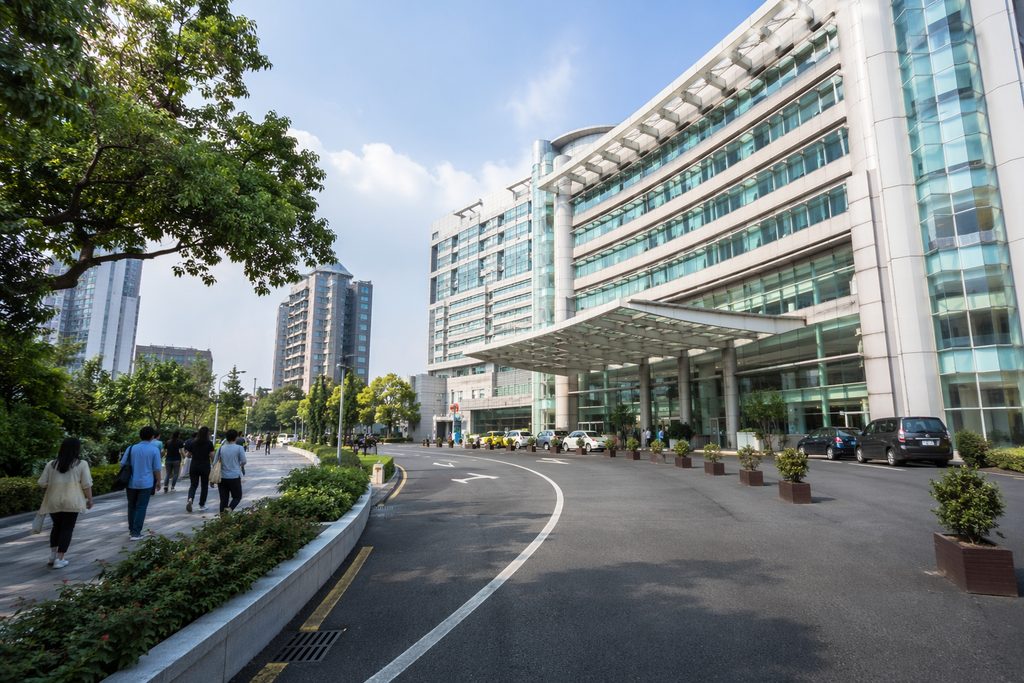
China Hospital Inpatient Department: A Guide for Foreign Patients
You have probably heard that being admitted to a Chinese hospital means chaos, paperwork, and nobody speaking your language. Half of that is fair. The other half is wrong, and the wrong half is the part that costs people money. Understanding the inpatient department cost at a China hospital — and how admission actually works — is the difference between a two-week, tightly managed stay and a month of expensive confusion.
Here is the honest picture, based on what our team coordinates every week across 340+ top-ranked hospitals in 37 cities.
How This Actually Works, Step by Step
Chinese public hospitals do not sell you a bed online. That is the single most important thing to understand. There is no equivalent of calling a hospital in Ohio and reserving a surgery date from overseas. The sequence is fixed, and it starts before you fly.
Step one: send your records. You gather what you already have — imaging files, pathology reports, blood work, discharge summaries, medication lists. These get translated into Chinese by a medical translator, not a general one. Terminology errors here cause real problems later.
Step two: a Chinese specialist reviews them. This is a written second opinion, or a video consultation if you want to speak with the team directly. The specialty tells you whether your case is treatable here, what the likely approach is, and roughly what it costs. No commitment yet.
Step three: outpatient first, always. For surgery, a public hospital requires an in-person outpatient consultation before any bed is assigned. The surgeon examines you, confirms the plan, and issues the admission order. There is no way around this step at a standard public hospital.
Step four: admission and prepayment. Public hospitals require a deposit before the ward accepts you. Private international hospitals often bill insurance directly instead.
Step five: the ward. You are assigned a bed, a primary attending, and a daily schedule of rounds, tests, and procedures.
What to Expect in a Chinese Hospital Inpatient Ward
Wards in top-tier Chinese hospitals are busy in a way Western patients rarely anticipate. A single major hospital can see over 10,000 outpatient visits in a day. The inpatient floors inherit that intensity.
Rooms come in tiers. A standard ward bed is shared, often with three to six patients, and family members typically stay nearby to help with meals and basic care. A single room exists but is limited and priced accordingly. International departments offer private rooms with English-speaking nursing staff and a calmer pace.
Daily rhythm looks like this: doctors round early in the morning, usually between 7 and 9 a.m. Nursing checks happen throughout the day. Family or a companion handles food, errands, and pharmacy runs, because hospital staff do not provide those services the way a U.S. hospital might.
Two practical realities matter more than anything else. First, most clinical staff outside international departments do not speak English. Second, the physical scale of these campuses is enormous — finding the right building for a pre-op test can take twenty minutes on its own. This is precisely where a bilingual medical companion earns their fee.
A Realistic Timeline
Nobody can promise you a fixed schedule, but ranges from real coordination work look like this.
| Stage | Typical Duration | What Slows It Down |
|---|---|---|
| Records translation and specialist review | 3–10 days | Incomplete imaging files, unclear pathology |
| Written second opinion or video consult | 2–7 days after review | Scheduling with a specific senior specialist |
| S2 visa application | 1–3 weeks | Embassy processing times, invitation documents |
| Travel and arrival | 1–3 days | Flight availability, jet lag recovery |
| Outpatient consultation on the ground | 1–3 days | Registration queues, additional tests ordered |
| Admission and pre-op workup | 2–5 days | Cardiac clearance, blood matching, bed availability |
| Surgery and inpatient stay | 3–14 days | Procedure type, complication risk, healing pace |
| Discharge and local recovery | 3–14 days | Wound checks, suture removal, fitness to fly |
Total, from first email to flying home: four to eight weeks for most surgical cases. Emergency cases move faster, but they also skip the preparation that makes everything smoother.
What Can Go Wrong — and What Happens Then
Plenty can go sideways, and pretending otherwise does you no favors.
The specialist says your case is not operable here. It happens. Some conditions need technology or expertise a given hospital does not have. The recourse is a different hospital or a different specialty — which is why our database covers 340+ institutions rather than one.
The bed is not available when promised. Top hospitals run near capacity. A surgeon can issue an admission order and the ward still has no bed that day. You wait, sometimes two or three days. No service can override this, and anyone who claims they can is not being straight with you.
Costs exceed the estimate. Complications add days. Additional imaging adds charges. Public hospitals bill in stages, and the final number can land 20–40% above the initial quote in complex cases.
The visa is delayed. S2 applications for medical treatment require supporting documents from the hospital. If those documents are late or incomplete, your travel date slips.
Language breakdowns cause errors. A misunderstood medication instruction or a missed appointment is a real risk. This is the failure mode most easily prevented, and the one most often dismissed by patients trying to save money.
How to Compare Hospitals and Inpatient Costs
Cost is the question everyone asks first, and it deserves a straight answer. Inpatient department cost at a China hospital varies enormously by procedure, hospital tier, room class, and case complexity. What we can give you are honest ranges.
A cardiac bypass at a top public hospital typically runs $12,000–20,000. The same procedure in the United States frequently exceeds $120,000. Orthopedic procedures, oncology treatment, and complex diagnostics follow a similar pattern — generally one-fifth to one-tenth of U.S. pricing.
Private international hospitals sit higher. They offer English-speaking staff, JCI accreditation, direct insurance billing, and Western-style rooms. You pay for that comfort, often two to four times the public hospital rate for the same procedure — though still well below U.S. prices.
When comparing options, weigh four things: the hospital’s specialty ranking, whether the international department handles foreigners routinely, the room class you actually need, and whether your insurance reimburses or pays directly. The Fudan ranking system is a useful starting point — its specialty reputation lists name the top ten hospitals for each of 45 specialties, which is far more useful than any overall “best hospital” claim.
For a broader view of what’s available, browse our ranked directory of China’s top hospitals by city and the specialty rankings across 45 departments.
Practical Considerations: Records, Visas, Payment, Language
Records. Bring physical copies and digital files. Chinese hospitals often want imaging on disc or via a local cloud link. Have everything translated before you arrive, not after.
Visa. Medical travel to China uses the S2 visa, which covers short stays for medical treatment and private affairs. Stays beyond 180 days require S1. Accompanying family members apply for S2 as well. Requirements shift, so confirm current rules with your nearest Chinese embassy or consulate. Note that the M visa is for commercial and trade activity only — it is not a medical visa.
Payment. Public hospitals require prepayment; insurance reimbursement happens afterward, on your own. Private international hospitals frequently bill insurers directly. Bring a card that works internationally and confirm daily limits with your bank.
Language. Assume you need help unless you are in an international department. A bilingual medical companion handles registration, queuing, payment, navigation, and translation — from $300 per day.
Follow-up at home. Ask for your discharge summary, operative report, and imaging in English before you leave. Getting these later from overseas is slow and sometimes impossible.
Frequently Asked Questions
It depends entirely on the procedure. Minor surgeries may discharge in two to three days. Major cardiac or orthopedic operations typically run seven to fourteen days. Your surgeon will give a range after the outpatient consultation, and that range can shift if recovery is slower than expected.
You can begin the process from overseas, and you should. Records review, specialist consultation, and cost estimation all happen remotely. But actual admission at a public hospital requires an in-person outpatient visit first. Only international and VIP departments can sometimes shorten that path.
Private international hospitals in both cities typically charge two to four times the public hospital rate for equivalent procedures. Beijing tends to run slightly higher for cardiac and oncology care; Shanghai is often more competitive for orthopedics and health screening. Both remain far below U.S. pricing.
It happens at busy public hospitals. You may wait a few days. The realistic plan is to build buffer time into your trip and keep your accommodation flexible. No coordination service can guarantee a bed on a specific date, and you should be skeptical of anyone who says otherwise.
Basic conversational Mandarin helps, but hospital Mandarin is its own dialect — full of administrative terms and rapid instructions. If your treatment involves surgery or a multi-day stay, professional interpretation reduces the risk of costly misunderstandings.
Your Next Step
The core message is simple: China’s top hospitals deliver world-class care at a fraction of Western prices, but the system runs on rules that reward preparation and punish improvisation. Understand the sequence, budget for buffer time, and arrange language support before you need it.
Our team at China Medical Services connects international patients with the right Chinese hospitals — records translation, appointment coordination, bilingual accompaniment, and visa guidance. We are coordinators, not clinicians, and we never promise a specific outcome or a guaranteed bed. If you want a clear picture of what your case would involve, start with a free consultation. No pressure, no obligation — just an honest assessment of whether China is the right choice for you.
This article is for general information only and does not constitute medical advice. Treatment decisions should always be made with a qualified physician who has reviewed your individual case.
For more medical information and treatment options in China, visit chinamedservices.com (China Medical Services).
