First Hospital of China Medical University Gastroenterology: A Guide for International Patients
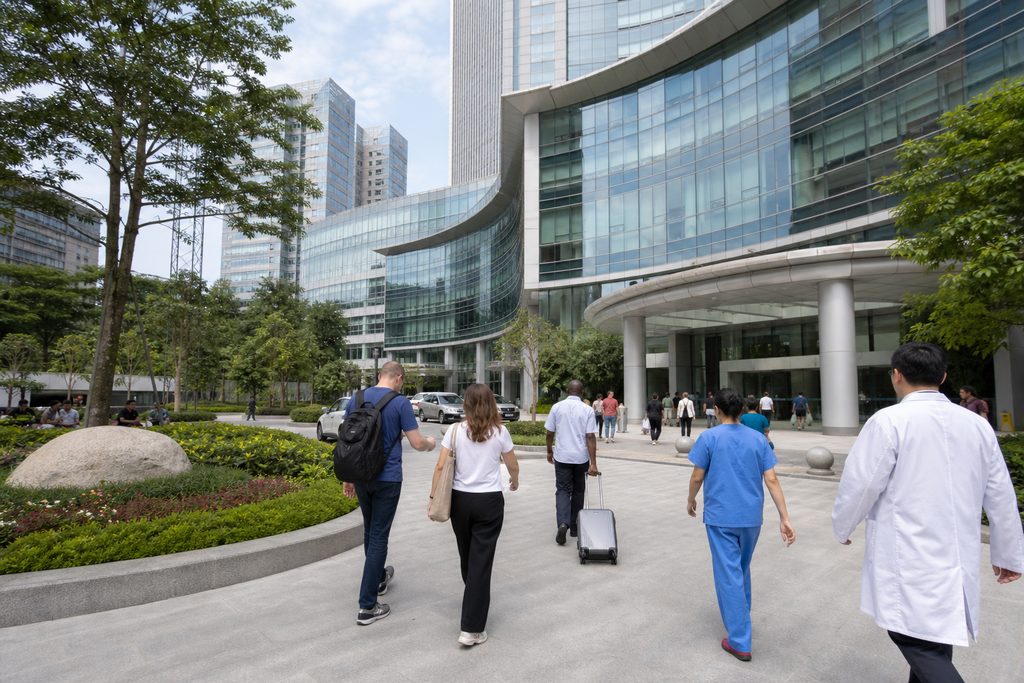
First Hospital of China Medical University Gastroenterology for International Patients
Gastroenterology covers the digestive tract — esophagus, stomach, intestines, liver, pancreas, and gallbladder. For a foreigner, getting that care in China starts with one practical question: what will it actually cost? The First Hospital of China Medical University gastroenterology price for a standard outpatient consultation typically ranges from $50 to $150 through the international department, while a diagnostic gastroscopy or colonoscopy usually lands between $300 and $800 depending on sedation, biopsy, and polyp removal. That is the honest starting point. The full picture involves how you get in, who you see, and what happens after.
The First Hospital of China Medical University, located in Shenyang, Liaoning Province, is one of the oldest and largest academic medical centers in northeast China. Its gastroenterology department handles a high volume of complex digestive cases annually, supported by strong endoscopy infrastructure and research output. For international patients, the institution offers a dedicated pathway, but it is not a walk-in Western-style clinic. Understanding the sequence matters.
How This Actually Works, Step by Step
You do not simply fly to Shenyang and expect a same-day specialist appointment. The sequence from where you are now to sitting in a consultation room follows a defined path.
Step 1 — Send your existing records. You gather everything: endoscopy reports, biopsy results, imaging (CT, MRI, ultrasound), blood work, current medication list, and a brief symptom history. Our team translates these into Chinese medical terminology. Translation is not just language — it is formatting. Chinese specialists expect reports in a specific structure.
Step 2 — Remote review. The gastroenterology team at the hospital reviews your translated records. They assess whether your case fits their expertise, what additional tests you might need, and whether remote consultation is sufficient or an in-person visit is warranted. This review typically takes three to seven working days.
Step 3 — Decide on the service model. You can choose a written second opinion ($300–500), a video consultation with a specialist ($500–800 for top-level experts), or proceed directly to scheduling an in-person visit. Most first-time patients start with a video consultation. It costs less than a flight and clarifies whether travel makes sense.
Step 4 — Appointment coordination. If you decide to travel, we coordinate with the hospital’s international department to secure an outpatient slot. This is not a guarantee of a specific named specialist on a specific date. It is a formal booking through the official channel, with refund if the appointment cannot be secured.
Step 5 — Arrival and the visit itself. A bilingual medical companion meets you at the hospital. They handle registration, queue navigation, payment, and translation during the consultation. You see the specialist, discuss findings, and leave with a plan — further tests, medication, or a scheduled procedure.
What Gastroenterology Care at This Hospital Actually Includes
The department covers the full spectrum of digestive disease. That means diagnostic endoscopy, therapeutic endoscopy, inflammatory bowel disease management, liver disease, pancreatic disorders, and gastrointestinal oncology. For international patients, the most common requests are diagnostic gastroscopy, colonoscopy with polyp removal, second opinions on complex IBD or liver cases, and pre-surgical evaluation for GI cancers.
But here is what many foreigners misunderstand. A Chinese public hospital’s gastroenterology department is not a spa-like outpatient center. It is a high-throughput academic unit. The volume is enormous. Without a bilingual companion, you will struggle with registration kiosks, department navigation, and understanding the specialist’s rapid-fire assessment. The medicine is excellent. The logistics are unforgiving.
Is gastroenterology treatment safe in China? At a hospital of this tier, yes — with caveats. The First Hospital of China Medical University follows national clinical guidelines, uses modern endoscopic equipment, and its specialists perform thousands of procedures annually. The safety profile for standard diagnostic endoscopy is comparable to Western academic centers. The caveat is communication. Misunderstandings about medications, allergies, or post-procedure instructions create risk. That is a process risk, not a clinical competence risk. A bilingual companion mitigates most of it.
A Realistic Timeline
People forget the waiting steps. Here is what a typical journey looks like, in actual durations.
| Stage | What Happens | Realistic Duration |
|---|---|---|
| Week 1 | You gather and send medical records; translation begins | 3–7 days |
| Week 2 | Hospital team reviews records; video consultation scheduled | 5–10 days |
| Week 3–4 | Decision made; S2 visa application submitted with hospital invitation letter | 1–3 weeks for visa processing |
| Week 5–6 | Travel to Shenyang; outpatient consultation completed | 2–3 days on the ground |
| Week 6–8 | Diagnostic endoscopy performed (if recommended); results and plan delivered | 3–7 days after consultation |
| Month 3 | Follow-up at home via video; treatment plan adjusted | Ongoing |
The visa is the silent bottleneck. You need an S2 visa for short-term medical treatment. The hospital must issue an official invitation or treatment confirmation letter. That document takes time to obtain, and the embassy or consulate processing adds one to three weeks. Do not book flights until the visa is in hand.
What Can Go Wrong — and What Happens Then
Honesty builds trust. Here are the real failure modes.
Your records are incomplete or poorly translated. The specialist cannot make an assessment. What happens: the hospital requests additional documents. You lose one to two weeks. Recourse: our team reviews records for completeness before submission. We catch most gaps early.
The specialist recommends a test you did not expect. A colonoscopy might be added to a gastroscopy plan. What happens: you decide on the spot, with cost implications. Recourse: the video consultation exists precisely so you can ask these questions before traveling. Ask about likely additional tests.
The appointment gets rescheduled. Public hospitals occasionally shift outpatient schedules due to emergency cases or academic commitments. What happens: you wait a day or two, or the slot moves. Recourse: our coordination team monitors the schedule and rebooks. The appointment coordination fee is refunded if we cannot secure any slot.
You underestimate the language barrier. Even with basic English-speaking staff in the international department, the specialist may speak limited English. What happens: critical details get lost. Recourse: the bilingual companion is not optional for this hospital. It is the single highest-value service we provide.
How to Evaluate Whether This Hospital Is Right for You
At top-tier academic hospitals like this one, clinical safety is comparable to Western centers. The risk lies in communication gaps — medication instructions, allergy disclosures, post-procedure care. A bilingual medical companion closes that gap. The hospital follows national clinical guidelines and uses modern equipment. We have no reason to question the clinical competence; we do insist on translation support.
If a biopsy returns concerning results, the hospital’s GI oncology team will be involved. You will have options: treatment in China, treatment at home with the pathology report and imaging, or a coordinated referral. The hospital does not pressure you to stay. Our role is to ensure you have complete, translated documentation to make an informed decision.
You send digital copies to us. We translate them into Chinese medical format and submit them through the hospital’s international department. We do not share your records with anyone else. The hospital reviews them before any appointment is confirmed. This is the standard process for all international patients.
You started with a search about medical treatment in China and a question about cost. Now you have the sequence, the timeline, the risks, and the decision criteria. The next step is simple: send us your records and a short description of your condition. We will tell you honestly whether this hospital fits your case, what it will cost, and how long it will take. No pressure, no obligation — just a clear-eyed assessment from a team that has done this many times before.
If you are ready to explore your options, request a free consultation through our patient coordination service. We will review your situation and give you a straight answer.
Frequently Asked Questions
Yes. The hospitals used for international patients are JCI-accredited and follow the same international safety standards as top hospitals in the US and Europe. Surgical teams perform high volumes of procedures — often more than their Western counterparts — which studies show leads to better outcomes.
Costs vary by procedure and hospital, but international patients typically save 40-80% compared to US prices — even when factoring in travel and accommodation. A consultation with our team will give you an exact, all-inclusive quote with no hidden fees.
Send us your existing medical reports to get started. We handle everything from hospital selection and appointment scheduling to visa assistance and post-operative recovery planning. Your medical records are reviewed by the specialist before you even book a flight.
For more medical information and treatment options in China, visit chinamedservices.com (China Medical Services).
