Visa Invitation Letter for Medical Treatment China: How to Verify It’s Genuine
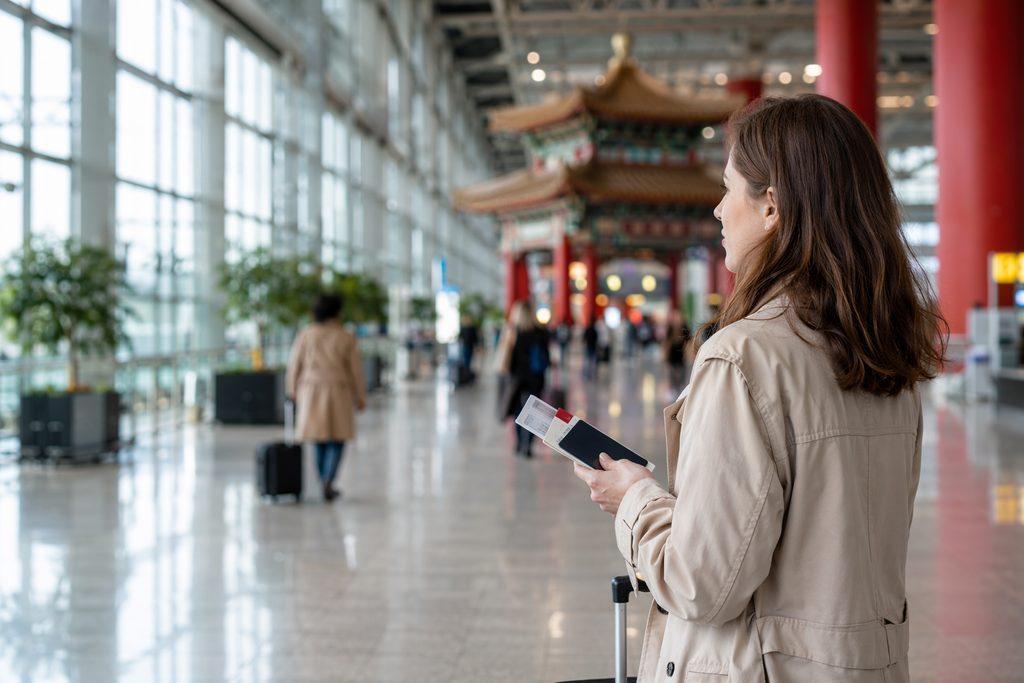
Have you received an official-looking document from a Chinese hospital, complete with a red stamp and a signature you cannot read, and now you are wondering whether it is actually real? That moment of doubt is not paranoia. It is the exact right question to ask before you book an international flight for surgery.
A visa invitation letter for medical treatment China is a standard document in the medical travel process. Foreign patients who plan to receive care at Chinese hospitals typically need one to support their S2 visa application, which is the short-stay visa category used for private affairs including medical treatment. The letter usually comes from the hospital’s international department or a designated coordinator. But because the document arrives from a foreign institution in a language most patients cannot verify independently, it has also become a vector for fraud.
This article explains what a genuine invitation letter contains, how to verify it, what red flags signal a fake, and what the document does and does not guarantee.
Key Takeaways
- A genuine visa invitation letter for medical treatment China is issued by a hospital’s international department, not by a travel agent or a freelance “facilitator.”
- You can verify any letter by contacting the hospital directly through its official published phone number or website — never through the contact details printed on the letter itself.
- The letter supports your S2 visa application but does not guarantee visa approval, hospital admission, or a specific surgery date.
- Scammers often charge $500–$2,000 for “guaranteed” letters from hospitals that have no record of the patient.
The Problem: A Document You Cannot Read, From a System You Do Not Know
Medical travel to China has grown steadily over the past decade. Patients from the Middle East, Southeast Asia, Russia, and increasingly Europe and North America seek care at top-tier Chinese hospitals for cardiac surgery, oncology, orthopedics, and reproductive medicine. The cost differential is significant — a cardiac bypass that might exceed $120,000 in the United States can cost between $12,000 and $20,000 at a top Chinese public hospital, depending on case complexity. That economic logic drives real patient flows.
But it also drives fraud. The moment money crosses borders, intermediaries appear. Some are legitimate. Some are not. The visa invitation letter has become a pressure point precisely because it sits at the intersection of three things the patient cannot easily verify: Chinese hospital bureaucracy, Chinese visa regulations, and a foreign language. A 2023 advisory from the Chinese Embassy in Washington warned applicants to be cautious of third-party agencies charging high fees for documents that hospitals issue directly or through authorized coordinators. The document itself is not the problem. The lack of a verification habit is.
What happens if you submit a fraudulent letter with your visa application? The consulate may reject the application. Worse, if fraud is suspected, you could face a ban on future applications. And if you have already paid a deposit for “hospital arrangement” to the person who sent the fake letter, that money is gone.
Why a Genuine Visa Invitation Letter for Medical Treatment China Matters
The invitation letter is not a formality. Chinese consulates use it as evidence that a legitimate medical institution in China has reviewed your case and agreed to receive you. Without it, a medical treatment visa application is significantly weaker. With a fake one, it is worse than nothing.
What the Letter Actually Does
A genuine letter from a hospital’s international department typically states that the hospital has reviewed the patient’s medical records, that the patient has been preliminarily accepted for evaluation or treatment, and that the hospital will provide care upon the patient’s arrival. It includes the patient’s passport number, the intended treatment department, and an official seal. Some hospitals issue letters only after a remote consultation has taken place. Others require a deposit toward the estimated treatment cost first.
But here is what the letter does not do. It does not guarantee that a specific surgeon will operate on you. It does not guarantee a surgery date. It does not bypass the standard requirement that you attend an in-person outpatient consultation before any surgical admission — a rule that applies at essentially all Chinese public hospitals, including the ones ranked in the Fudan Hospital Rankings. And it does not guarantee visa approval. The consulate makes that decision independently.
Who Can Legitimately Issue the Letter
Only the hospital itself — through its international medical department, VIP department, or an officially contracted international coordination office — can issue a genuine visa invitation letter for medical treatment China. Some large public hospitals have dedicated international wards that handle this. Private international hospitals such as United Family, Jiahui, and Parkway have their own patient services teams that issue such letters routinely. Our team at China Medical Services connects patients with these official channels. We do not issue letters ourselves, and any coordinator who claims to issue a letter independently is misrepresenting the process.
How to Verify a Chinese Hospital Visa Invitation Letter: A Step-by-Step Check
You do not need to read Chinese to verify a letter. You need to follow a process that removes the intermediary from the verification loop. That is the entire principle.
Step 1: Find the Hospital’s Official Contact Information Independently
Do not call the phone number printed on the letter. Do not reply to the email address that sent it. Open a new browser tab and search for the hospital’s official English website. For public hospitals, the website will typically end in .cn or .org.cn. For private international hospitals, the English site is usually easy to find. Locate the international patient services or international medical department page. Note the phone number and email address listed there.
Step 2: Contact the Hospital Directly
Call or email the hospital’s international department. State the patient’s full name and passport number. Ask one simple question: “Has your hospital issued a visa invitation letter for this patient?” Hospitals keep records of these letters because they are legal documents. If the hospital says no, the letter is fake. If the hospital says yes, ask them to confirm the letter’s reference number and issue date. Compare those details with what you received.
Step 3: Check the Seal and Letterhead
Genuine letters from Chinese public hospitals carry a round official seal, usually red, with the hospital’s full Chinese name and a five-pointed star in the center. The letterhead will show the hospital’s official English name, which should match the name on the hospital’s website exactly. Discrepancies in name spelling, department names, or the absence of a seal are red flags. Some private international hospitals use a different format, but they will still issue letters on official letterhead with a verifiable reference number.
Step 4: Ask Who Signed the Letter
The letter should be signed by a named individual with a title — typically the director of the international medical department or a designated patient coordinator. You can ask the hospital to confirm that this person works there and holds that title. A letter signed only with a generic “International Department” and no named person deserves extra scrutiny.
Is a Visa Invitation Letter From China Real? Common Scam Patterns
Most fraudulent letters follow one of a few predictable patterns. Knowing them makes the scam easier to spot.
The freelance agent letter. Someone on social media or a medical tourism forum offers to “arrange everything” including the invitation letter, for a fee of $500 to $2,000. They may use a real hospital’s name and logo, lifted from the internet. The letter looks plausible. But the hospital has no record of the patient. When the patient arrives in China, there is no appointment, no doctor, no admission. The agent has disappeared.
The “priority access” letter. A letter that promises a specific surgery date, a specific named surgeon, or “guaranteed admission” is automatically suspicious. Chinese public hospitals do not operate that way. Surgical scheduling happens after in-person evaluation, not before. If a letter promises what the system cannot deliver, the letter is not genuine.
The clinic that is not a hospital. Some small private clinics issue invitation letters that imply they are large comprehensive hospitals. The patient arrives to find a facility that cannot perform the promised procedure. Before accepting any letter, verify what kind of institution actually issued it. Our hospital database covers 340+ top-ranked hospitals across 37 cities — all of them verifiable public or accredited private institutions, not unvetted clinics.
The paid “verification service.” A scammer offers to verify the letter for you, for a fee. This is circular. Verification should be free and direct. You call the hospital. You ask. That is the verification.
Medical Visa Invitation Letter China Price: What Should You Actually Pay?
This is where patients get confused. A legitimate hospital does not sell invitation letters. The letter is a supporting document issued as part of the hospital’s patient intake process. Some hospitals charge an administrative or registration fee of a few hundred RMB — roughly $50 to $150. Others include the letter at no separate charge once a remote consultation has been completed and the patient has committed to treatment.
| Service | Typical Cost | Who Provides It |
|---|---|---|
| Hospital administrative fee for invitation letter | $0 – $150 | Hospital international department |
| Remote written second opinion (top hospital specialist) | $300 – $500 | Hospital or authorized coordinator |
| Video consultation with specialist | $100 – $800 depending on level | Hospital or authorized coordinator |
| Coordination service (case management, appointment scheduling, bilingual companion) | from $300 | Authorized medical coordination service |
| “Guaranteed invitation letter” from an unverified agent | $500 – $2,000 | Scammer |
The last row is the one to avoid. If someone is charging a high fee specifically for the letter — separate from any legitimate medical or coordination service — treat that as a warning sign. The letter is a means to an end, not a product.
China Medical Visa Invitation Letter Requirements for Foreigners: What You Need to Provide
To obtain a genuine visa invitation letter for medical treatment China, you will typically need to provide the hospital with several documents first. The hospital needs to assess whether it can actually treat you before it agrees to receive you. That assessment protects both parties.
The standard requirements include: a copy of your passport bio page, your complete medical records translated into English or Chinese, imaging reports and laboratory results, a summary of your current diagnosis and treatment history, and sometimes a letter from your home physician explaining why you are seeking treatment abroad. For cancer patients, pathology reports and staging information are essential. For cardiac patients, recent echocardiograms and angiograms matter. The hospital’s international department will tell you exactly what they need after an initial inquiry.
Once the hospital reviews your records and agrees to accept you as a patient, they will issue the invitation letter. The letter is then submitted to the Chinese embassy or consulate in your home country along with your visa application. The S2 visa is the appropriate category for short-term medical treatment. If your treatment requires a stay longer than 180 days, the S1 category applies. Family members accompanying you also apply for S2 visas. Do not let anyone tell you to apply for an M visa — that is a commercial visa for trade activities, not medical care.
Practical Considerations: Protecting Yourself Before You Pay Anything
Verification is free. If you remember nothing else from this article, remember that. You can call a hospital on the other side of the world and ask whether they issued a letter in your name. The hospital has no reason to hide this information. If you cannot reach the hospital by phone, use email. If you cannot reach them by email, ask a trusted contact in China to call. If you cannot do any of those things, you should not be sending money to anyone in China for medical arrangements.
Payment timing matters. Legitimate hospitals may require a deposit toward treatment costs before issuing an invitation letter. That deposit should be paid directly to the hospital’s official bank account, not to an individual’s personal account. Ask for an official invoice. Any coordinator who asks you to pay into a personal bank account or a Western Union transfer is not legitimate.
Keep a paper trail. Save every email, every invoice, every letter. If something goes wrong, those documents are your evidence. And if you are working with a coordination service, ask them directly: “Which hospital will issue my letter, and can I verify it with the hospital myself?” A legitimate service will say yes without hesitation. A scammer will make excuses.
Language is a practical barrier. Most Chinese public hospital international departments have English-speaking staff, but the quality varies. If you are coordinating your own care, be prepared for slower email responses and some translation friction. That is a normal part of the process, not a sign of fraud. But if a hospital’s “international department” responds only through a Gmail address with broken English and urgent payment demands, that is not normal.
Frequently Asked Questions
You can trust a letter only after you have verified it directly with the issuing institution. A letter from a small private clinic is not inherently fake, but you need to confirm that the clinic is real, licensed, and capable of providing the treatment you need. Call the clinic through its official published contact information and ask whether they issued the letter and whether they have reviewed your medical records. If the answer to either question is no, do not proceed.
Stop all payments immediately. Do not submit the letter with your visa application. Contact the hospital whose name appears on the letter through independently verified contact details and ask whether the letter is genuine. If the hospital confirms the letter is fake, report the incident to your local police and to the Chinese embassy or consulate in your country. You may not recover your money, but you can prevent the same scammer from targeting others.
No. The letter is a supporting document that strengthens your application. Visa approval is decided by the Chinese embassy or consulate based on your complete application, your travel history, your financial situation, and other factors. A genuine letter from a reputable hospital significantly improves your chances, but no document guarantees approval. Anyone who claims otherwise is not being honest with you.
It depends on the hospital and the complexity of your case. After you submit complete medical records, a hospital may take anywhere from a few days to a few weeks to review your case and issue a letter. Some hospitals require a remote consultation first, which adds time. If someone offers you a letter within 24 hours of your first contact, without reviewing any medical records, that speed is a warning sign, not a convenience.
Hospitals issue invitation letters to patients they have agreed to treat. The letter creates a legal and administrative relationship. Some hospitals require a deposit toward estimated treatment costs to confirm that the patient is serious and to reserve resources. This is a legitimate practice at some institutions. The key is that the deposit goes to the hospital’s official account, not to a personal account, and that you receive an official receipt.
Your Next Step
The question “Is a visa invitation letter genuine?” has a simple answer: verify it directly with the hospital before you pay anything or book any travel. That one habit eliminates most of the risk in medical travel to China. Our team at China Medical Services helps patients navigate this process — we connect you with official hospital international departments, coordinate record review, and support your visa application with genuine documentation. We are not a hospital and we do not issue invitation letters ourselves, but we make sure the letters you receive are real and verifiable. If you are considering treatment in China and want to understand the process before committing, start with a free consultation.
Medical travel works when verification comes before payment. That order never changes.
For more medical information and treatment options in China, visit chinamedservices.com (China Medical Services).
